



TL;DR: A fucked up, compulsive psychological spiral about pain, pills, and a doctor who knows exactly how to turn “care” into control, then calls it destiny. It’s sharp, grimy, and disturbingly readable, and while it does not offer comfort or moral guardrails, it absolutely lands if you like your fiction to stare right back at you.

There’s a particular kind of dread that doesn’t wear a mask or carry a knife. It carries a clipboard. It smiles like a professional. It asks if you “trust” it while your stomach turns and your body betrays you. A Perfect Patient knows exactly how to press on that bruise. It also can’t always decide what it wants to be while it’s pressing, and that wobble is basically the story here.
This book works best when you read it through two lenses at once. Lens one is the clinical horror: the exam room as a stage for control, manipulation, and plausible deniability. Lens two is the dark-erotic obsession narrative: a mutually toxic orbit where need, shame, and arousal tangle until nobody can tell which thread started the knot. When those lenses align, the novel gets uncomfortably sticky. When they slip out of alignment, scenes start to feel like they’re chasing heat instead of sharpening terror, and the tension leaks.
Kessa is a young woman boxed in by chronic pain, a draining home life, and a dead-end town, trying to survive day to day while still being “good” for everyone else. Cyrus Ashford is her physician, and the book alternates between their perspectives as a medical relationship curdles into obsession, secrecy, and boundary-erasing intimacy. Early on, the story makes it clear that what’s happening isn’t safe, isn’t romantic in any restorative sense, and isn’t headed toward comfort.
Chapters are labeled by character name, and the narration stays close, first-person, and confessional, with both Kessa and Cyrus constantly justifying themselves in real time. That closeness creates a grimy intimacy, like you’re stuck inside two skulls that are each trying to talk you into something you shouldn’t accept. Cyrus’s sections, in particular, lean into self-serving rationalization and possessiveness, including the kind of “I alone understand her” mindset that reads like a horror-monster monologue precisely because it’s delivered in calm, self-flattering prose. Kessa’s sections, meanwhile, capture the push-pull of wanting relief and wanting to be seen, with desire and dependency getting braided together until “help” and “harm” share a zip code.
The book generates tension through escalation of secrecy. Little choices compound. A note in a chart becomes a loaded gun on the counter. One appointment becomes many. The “private” thing becomes institutional. There’s a genuinely strong sequence where Kessa glimpses documentation that reframes how the practice sees her and what they’re prepared to do about it, and the language is blunt enough to make your throat tighten. The horror is not supernatural. It’s bureaucratic. It’s reputational. It’s the sense that the room has witnesses even when the door is closed.
Where the pacing and structure start to sag is in the mid-book churn. The chapter momentum is readable, and the alternating POV keeps the pages moving, but the reveal timing can feel lopsided: we get repeated variations on the same dynamic (arousal, denial, bargaining, control, shame) without always deepening the dread in new ways. When the book pivots outward into other social spaces, it can be sharp and alive, like Kessa at a concert trying to claw back a version of herself that isn’t defined by pain meds and obligation. But other stretches feel like the narrative is looping because it likes the loop, not because the loop is tightening into a noose.
Character work is credible in motive, if not always in texture. Kessa’s contradictions ring true: wanting care, wanting control, wanting escape, and being too exhausted to reach for any of it cleanly. Cyrus is drawn as the worst kind of dangerous. Not a cartoon villain, but a man who believes his own story about himself, and whose dialogue can flip from “trusted counsel” to coercive framing without changing tone, which is exactly how manipulation often sounds. Where it occasionally falters is in relationship realism outside the core obsession: side interactions can read functional rather than vivid, like they exist to move Kessa between states rather than to complicate her in surprising ways. There’s a later dynamic with a different man that hints at a healthier alternate path, but it’s sketched more than inhabited.
The themes are the obvious ones, but the book doesn’t run from them: how “care” can be weaponized, how institutions can harm without ever raising their voice, how shame can become an identity, and how obsession loves to cosplay as destiny. There’s also a generational echo running underneath, a suggestion that certain kinds of romantic suffering get normalized, handed down, and reenacted with new costumes. The novel’s boldest thematic choice is refusing to cushion the reader with moral reassurance, and it explicitly tells you it’s doing that. I respected that even when I didn’t always enjoy the ride.
If you love dark medical obsession stories that are intentionally upsetting, heavy on interior justification, and unafraid of making everyone look complicit or warped, you may rate this higher than I did. If you want romance-shaped catharsis, or even a moral handrail, this will feel like being locked in a room with someone who keeps saying “trust me” while you look for the door. The book’s problem is not that it’s dark. It’s that it sometimes confuses repetition for escalation. Still, there’s real bite here, and I’d rather read an ambitious mess than a polite nothing.

Read if “romance” is actually a slow-motion ethics violation and you’re here for the squirm.
Skip if medical settings already spike your anxiety and you don’t want power-imbalance tension front and center.
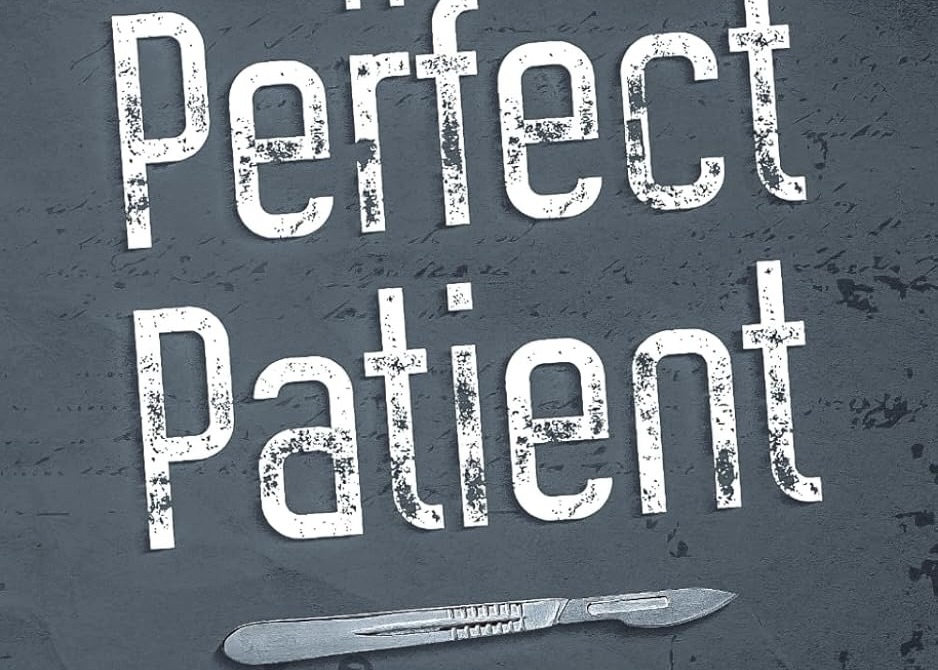
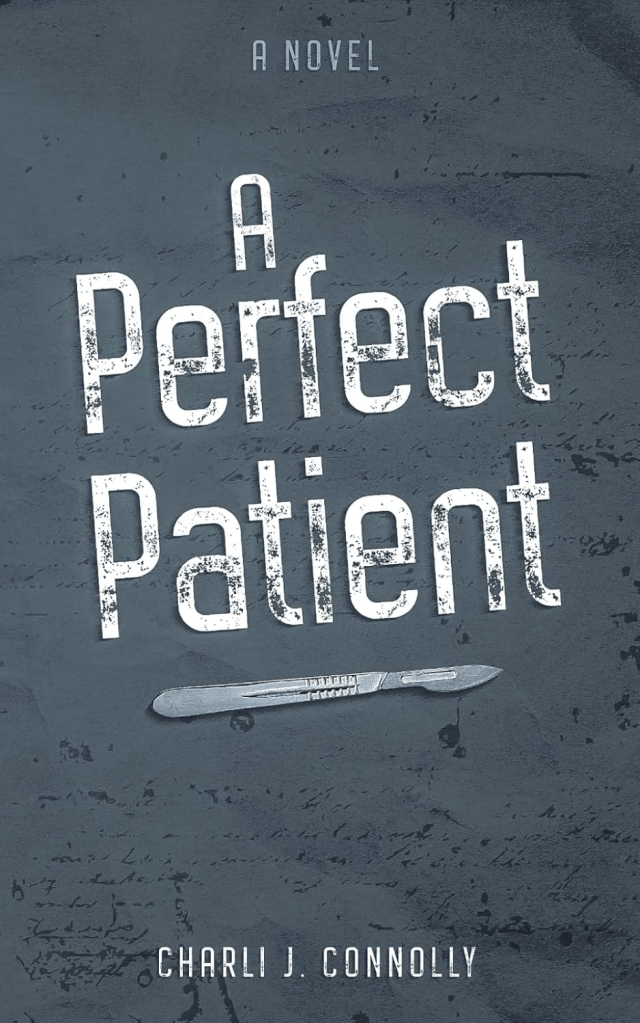
A Perfect Patient by Charli J. Connolly,
published March 4, 2026.




Leave a comment