


TL;DR: The Dorians has the bones of a masterpiece and the execution of someone who bit off slightly more than he could chew. That’s still a hell of a lot to chew. Cutter’s best character work to date, a villain who functions like a philosophical problem with legs, and at least two scenes that will not leave you alone.

The first thing that hits you about The Dorians is how much Cutter actually likes old people. Not in a patronizing, quirky-grandpa way. More in the way a genuinely curious writer pays attention to the specific textures of a life that isn’t his own. Frank Doyle stuffing used Kleenexes up his sweater sleeve because his brain has decided they’re multiuse now. Teddy Bassiano unable to stop turning everything, even dying, into a competition he intends to win. Madeline Dodds radiating flinty corporate competence because she had to, for decades, and now can’t turn it off. These people are good company. The problem is the book doesn’t know what to do with them when the horror finally shows up.
Here’s the setup: six terminally ill people in their late seventies and early eighties, all of whom have already booked their medically assisted deaths, are intercepted by a nineteen-year-old prodigy named Astrid Marsh with a wild proposition. Come to her remote Canadian island lab. Let her implant an engineered Hydra jellyfish into your body. The thing is immortal, regenerates endlessly, and manufactures embryonic stem cells on a loop. She believes it can reverse cellular aging in humans. The pitch: you were about to die anyway, so why the hell not? This is Jurassic Park‘s ethical framework mashed up with Dorian Gray‘s central premise, and Cutter knows it, even having Astrid reference Shelley directly, nineteen herself when she wrote Frankenstein. The wink is a little on-the-nose. It doesn’t fully deliver on its own promise.
The prose runs warm and funny for a long time, deliberately. Cutter understands that if you want the flesh-stuff to land, you have to earn it first. The banter is genuinely good. Teddy’s internal monologue describing his Parkinson’s walking pace as “a jalopy tooling at sixty klicks down a dirt road” is exactly right in the way the best image-writing is. Not clever, just true. But the book is in love with its characters to a degree that starts working against it. The middle section doesn’t sag so much as park, whole stretches existing mainly to let Cutter hang out with people he’s fond of, and you find yourself waiting for a book that keeps promising to become scarier than it currently is.
Astrid Marsh is the book’s most interesting creation and its clearest structural problem. Funny and genuinely chilling, she’s doing the work of three characters at once: unchecked scientific ambition, the horror of intelligence without empathy, and the novel’s primary engine of dread. That’s too much for one figure, and Astrid buckles under it, feeling more like a thesis statement than a person by the third act. Her foil, a fellow prodigy whose connection to the experiment runs deeper than it first appears, arrives with real promise but too late to pay off. One of the six elderly subjects barely registers as a character at all. He holds a Bible. He has some cancer. He evaporates.
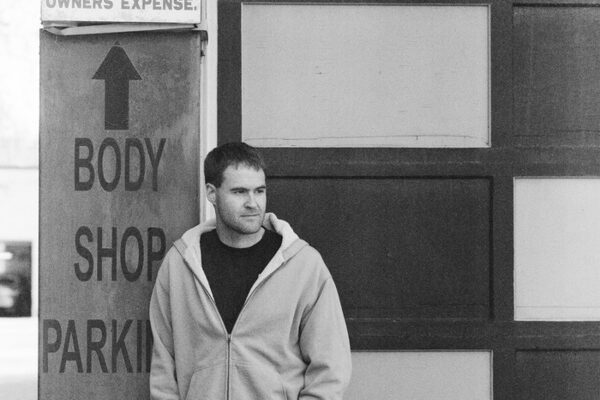
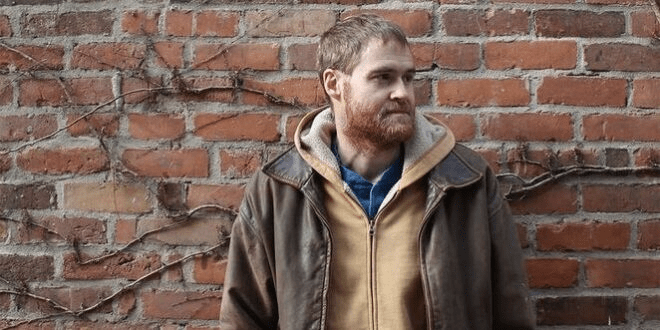
Nick Cutter is the pen name of Craig Davidson, a Toronto author born in 1975 who publishes literary fiction under his own name and horror as Patrick Lestewka. As Davidson, he wrote Rust and Bone (later adapted for film) and The Saturday Night Ghost Club, a Rogers Writers’ Trust Prize finalist; his story “Medium Tough” appeared in The Best American Short Stories 2014. As Cutter, he broke through with The Troop in 2014, now a BookTok phenomenon with a James Wan adaptation in development, followed by The Deep, Little Heaven, and 2024’s The Queen. The Dorians is his seventh Cutter novel, his most ambitious in scope, and the one that most clearly reveals the gap between what he’s reaching for and what he can currently sustain. The architecture is impressive. The load-bearing walls have some give.
The book has its moments, worth the price of admission. There is a scene early in the group dynamic where one of the subjects tells the others about losing his daughter decades ago, and the texture of that grief (specifically the way it lives in the body of a man who has been carrying it for forty years and still can’t hold it level) is devastating in a way that has nothing to do with horror and everything to do with why horror works when it does. Later, the dread shifts from human to biological, and Cutter is genuinely good at writing the slow wrongness of bodies changing faster than the minds inside them can process. The island earns its atmosphere without overexplaining: black rock, cold water, a building that looks like a place the sunlight goes to die. And there’s a moment involving the wolves used in the experiment, the way one of them looks at the humans through the fence before the tranquilizer takes hold, that made the hair on my arms stand up and stay there.
The climax fractures in ways that feel less deliberate than simply unresolved. The storm sequence is meant to be controlled chaos, but chaos still requires internal logic to pay off, and The Dorians runs out of room before it can account for everything it has set up. The ending skids rather than lands, gesturing at implications it can’t honor. You close it feeling like you’ve spent time with the bones of a genuinely great horror novel that needed either another fifty pages or a harder editorial pass to figure out which fifty to cut.
Still worth your time. The first half is very good. What this book does with grief and the body and the particular terror of wanting to live past the point where your body will let you: that stuff is real. Just go in knowing the back half doesn’t match the front.
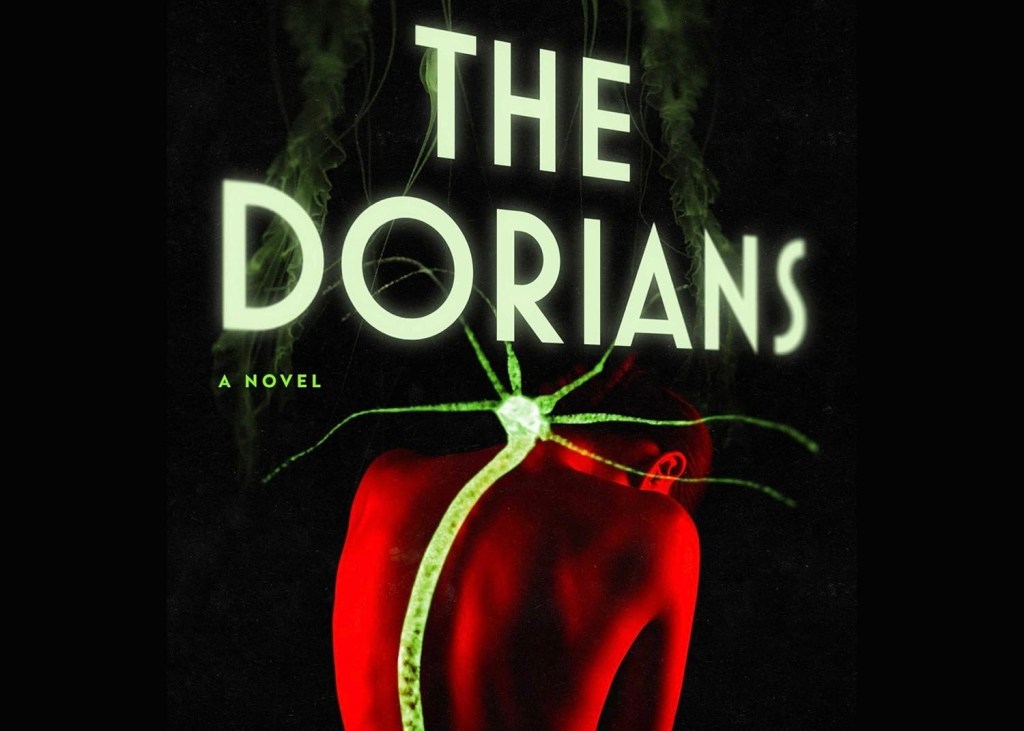
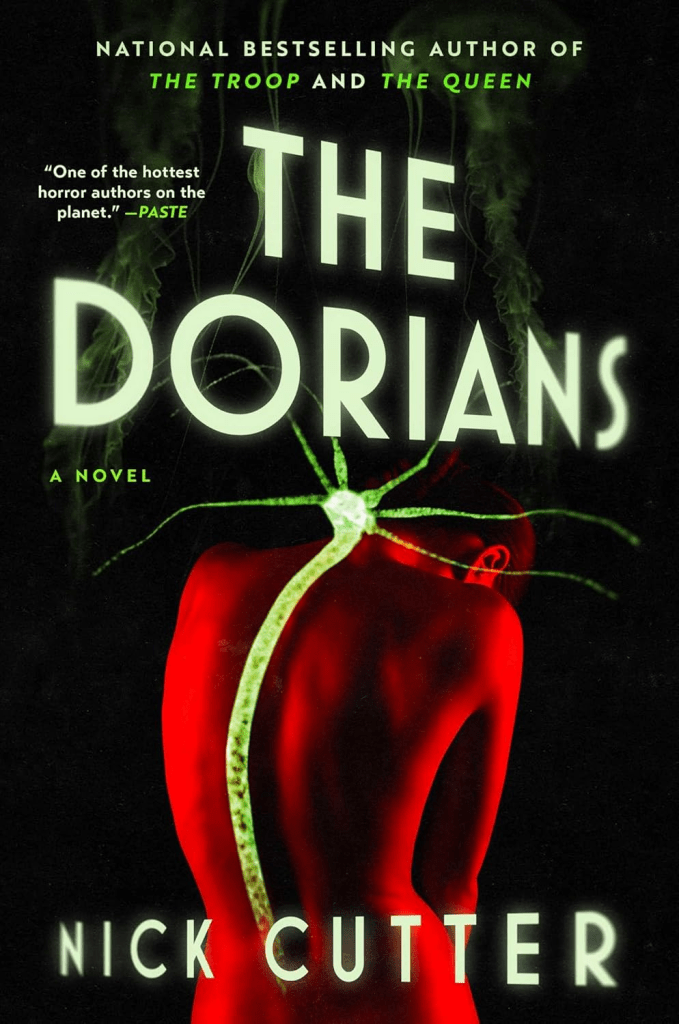
The Dorians by Nick Cutter,
published May 19, 2026 by Gallery Books.


Leave a comment