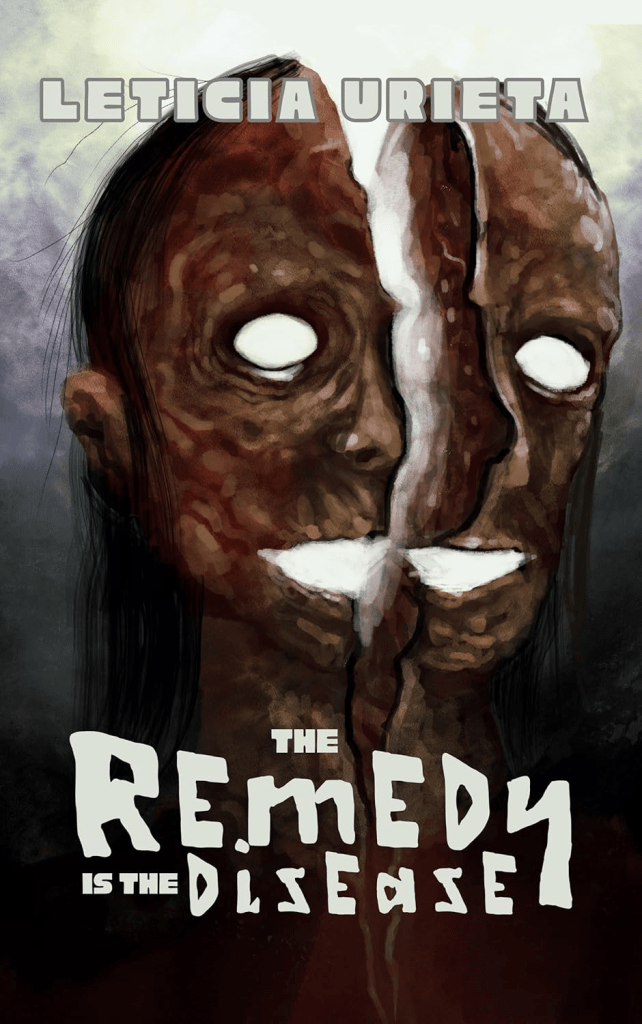


TL;DR: Body horror finally written by a body that knows. Urieta’s eighteen-piece collection from Undertaker treats chronic illness as protagonist, not victim, weaving Tejana folklore, medical rage, and dark satire into prose that goes for the throat and the heart in the same breath. Vicious and tender where it lands.

I read this collection with a heating pad on my hip and I don’t think Leticia Urieta would mind me saying so. The whole book is built for it. Eighteen pieces about bodies that hurt and the people who would prefer those bodies didn’t, dressed up as horror because horror is the only genre that has ever taken physical pain seriously enough to make art out of it. Urieta writes about chronic illness the way a woman talks about an enemy she has been cohabiting with for six years and is now slightly bored of being polite about. There is fury in here. There is also a lot of tenderness for the body that has been doing the failing.
The opener did me in. A woman lies in bed during a storm, pain hooked under her eye and reeling her in, and her left side, the side that hurts, separates from her right and walks out the window. It crosses the city. It pays some visits. The doctor who denied her the medication. The friend who quietly disappeared after the diagnosis. The lover who took her home early from the beach because her pain ruined the vacation. The half-body is petty. The half-body is correct. I have wanted that story my whole life and didn’t know it until I read it. The image is vicious and absurd and absolutely sincere about the wish underneath, which is to be taken seriously by people who did not want to do the work.
The best stories in the collection take a private, unspeakable rage and give it a body and a footpath through the neighborhood. A grieving father’s piñata of his dead daughter starts moving on its own and asks to be fed. A woman recording owls in the woods hears something call her closer and answers it. A blogger in Mike-the-Wandering-Hiker mode pitches an authentic guided camping trip inside the failing organs of terminal patients, complete with affiliate code, and Urieta plays it so straight, so workshopped-corporate-cheerful, that the satire works on you for two paragraphs before you realize what you are laughing at and then you keep laughing because she has made the joke airtight. That story is “Travel Guide to a Dying Body” and it is the funniest thing I have read all year. It is also a serious indictment of the way American capitalism has decided that other people’s deaths are a fucking content opportunity. Both of those things are happening at the same time. She doesn’t pick.
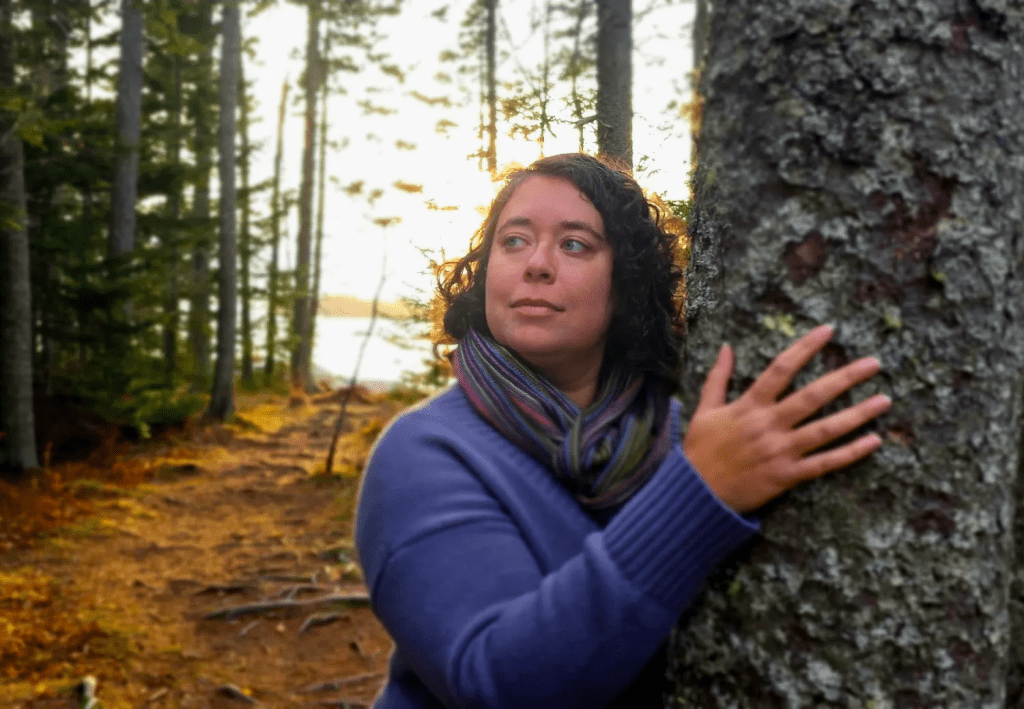
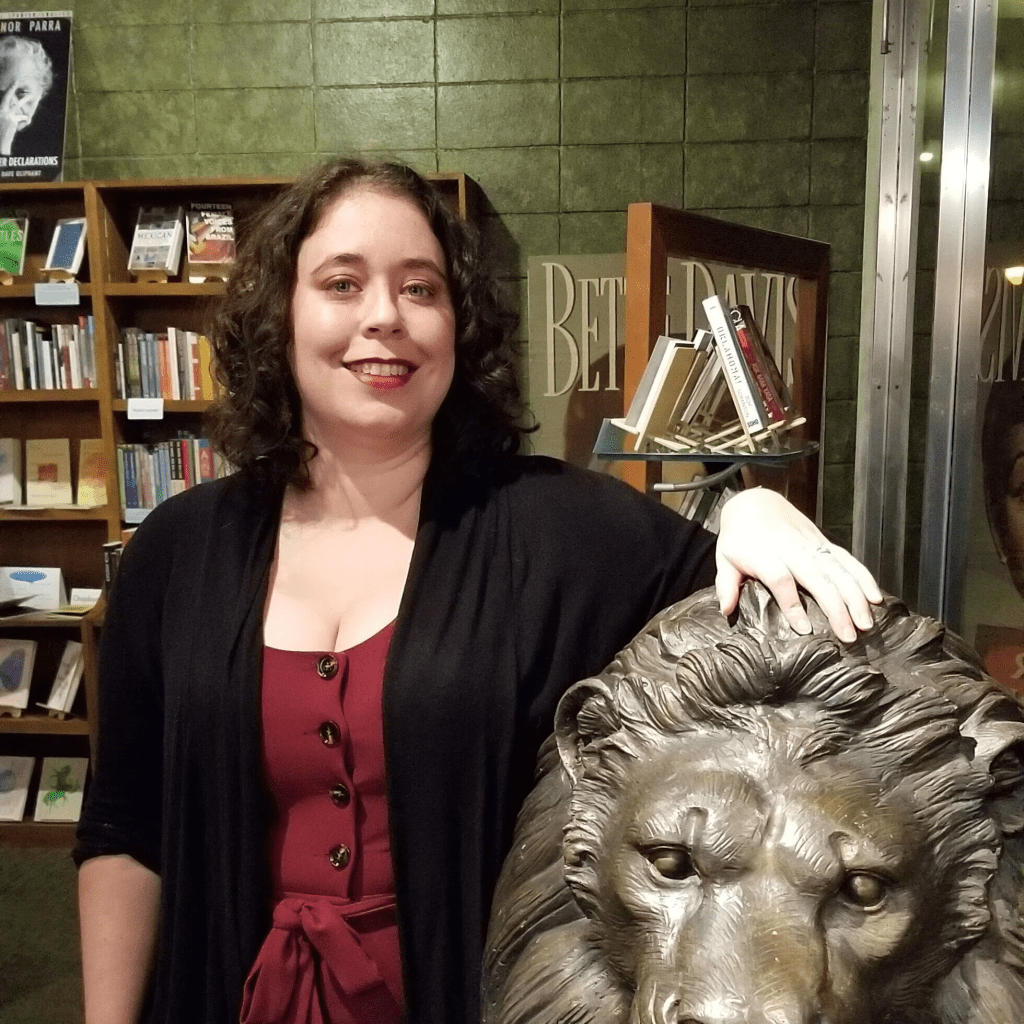
Urieta is Tejana, lives in Austin, came up through Agnes Scott and an MFA at Texas State. Her hybrid collection Las Criaturas (FlowerSong, 2021) was a Sergio Troncoso finalist. She runs Austin Bat Cave and Barrio Writers, which means she has spent the last decade actually building literary community for kids while also writing the books. The stories with children in them, especially “Let Mommy Rest…” and “That Red Smile,” are written by someone who has spent real time watching how children love. Urieta has been candid in interviews and on her own newsletter about the chronic illness, the three pregnancy losses, the five surgeries that ground a lot of this collection, and the closing essay names all of it directly. She has cited Andrea Gibson as an influence, which tracks. She is writing toward the same kind of fierce, unapologetic embodiment, and she gets there often.
She does not get there every time. Some of the shorter pieces feel more like notes than stories. “Wishing You the Best” is a flash about flowers blooming through a surgical wound and it is so beautiful I wanted three more pages of it. “Curative” and “Holding Space” hover at prose-poem length and don’t always earn their break in the book the way the longer stories do. The Clotted, in “Blood Draw,” is a sentient mass of stolen blood vials achieving consciousness, and the typographic scream-experiment is a swing and not always a connect. The longest piece, “A Future You Never Asked For,” runs novella-length and tries to do more than any one story should: medical consent, the partner who waited, the friend who arrives with her own pain, mycelial connection, capitalism harvesting your dreams. I admire the ambition and I think it is overstuffed. The friendship at the heart of it deserved more oxygen than the plot machinery gives it.
What the book is good at, consistently, is finding the right specific image. A bouquet falling out of a stomach. A piñata’s blood-pink mouth pulsing for more. A young man pulling his head back out of a tear in reality with his beard burned clean off and his eyes gone milky as the moon on a cloudy night. These images are how Urieta thinks. The folklore is woven the same way: the Lechuza is not a costume the story puts on, she is the story’s emotional engine, and when Talia in “This Night World” opens her mouth in the woods to imitate a male owl call and gets a different kind of answer, you know exactly what is happening because the abuela told you in paragraph six.
The closing essay is the part I keep arguing with myself about. Some readers will need it. It does the work of saying out loud what the stories say through metaphor, that the body is the original horror text, that chronic pain has no clean blood test like the one in The Thing, that miscarriage is its own genre and Carmen Maria Machado got there first and it doesn’t matter because every woman who has lived it gets to write her own. The essay is good. I also think the stories did not need it. They were already saying the thing. But I know exactly the kind of reader who is going to find that essay and weep because she needed someone to say it plain, and Urieta says it plain. Fine. Keep it.
Not every story lands. Most of them do. The ones that do, do something I haven’t seen done quite this way in body horror before, which is treat the sick body not as the site of horror but as the protagonist, the one whose dignity the story is on. That’s a real move. It’s worth showing up for.
Bring your heating pad.

The Remedy Is the Disease by Leticia Urieta, published May 15, 2026 by Undertaker Books.


Leave a comment