

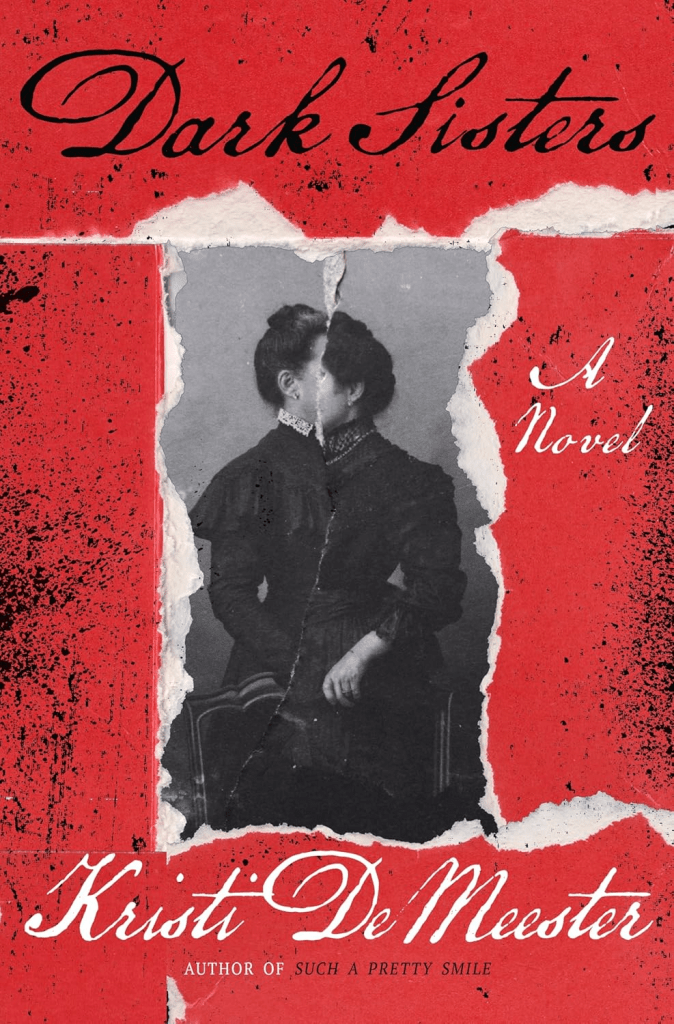




TL;DR: Dark Sisters is a purity-culture ghost story that starts as small-town rumor and escalates into a full-body, full-soul reckoning. It’s lush, angry, and weirdly tender about desire, and when the book finally shows you what the Purity Ball really costs, it lands like a slap, then a kiss, then a knife.

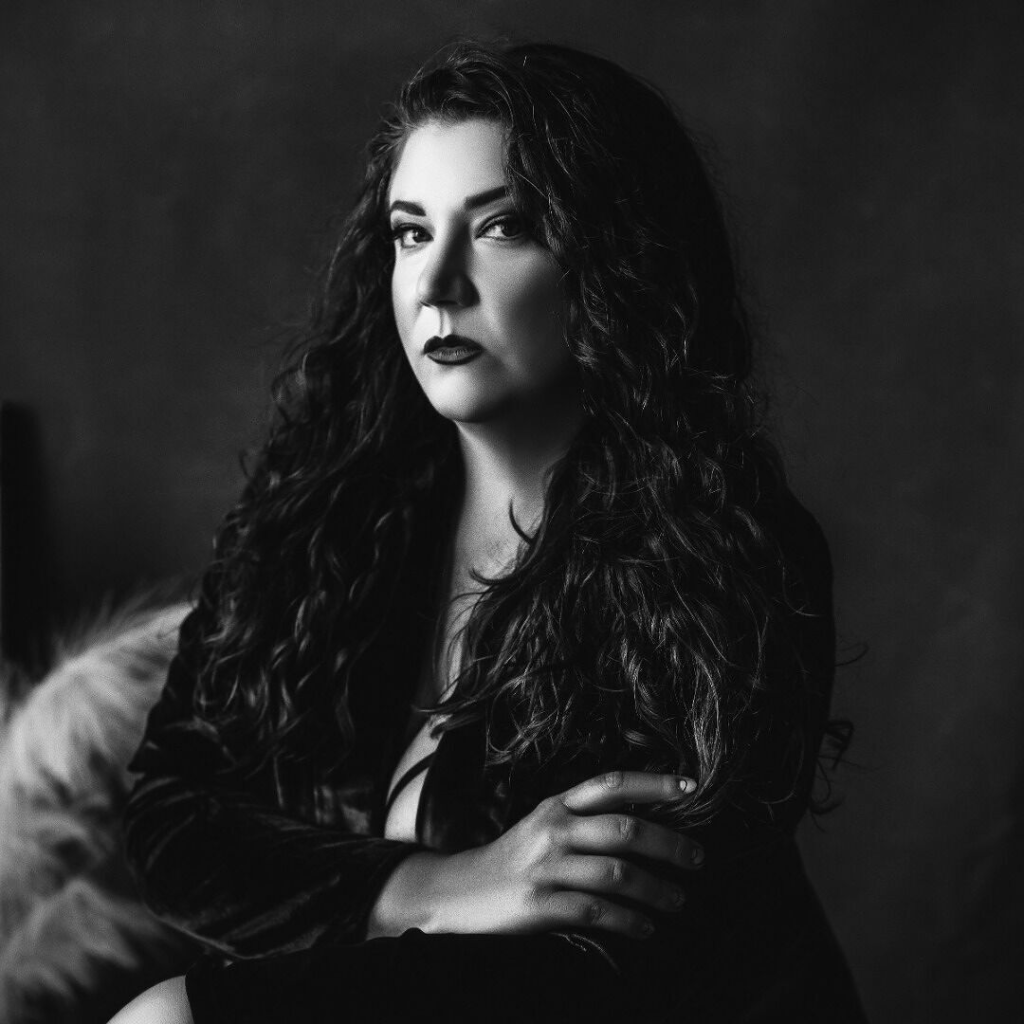
Kristi DeMeester is the author of Such a Pretty Smile (a Georgia Author of the Year Awards finalist) and Beneath, with short fiction in venues like The Dark and Black Static and in major “best of” anthologies, plus a collection, Everything That’s Underneath. That résumé makes total sense here: this book is built from scenes that arrive sharp, cut deep, and exit before you can talk yourself out of feeling them.
In 2007, Camilla Burson is the pastor’s daughter in Hawthorne Springs, a manicured church town where money and righteousness hold hands and grin for the camera. Spring means the Purity Ball, a glittery rite where girls pledge chastity to fathers and God, and where Camilla is finally being forced to participate. As the Ball approaches, the town’s women-only illness returns, starting with sore throats and escalating into grotesque mouth-centered body horror. Camilla tries to keep her head down with her two closest friends (Noah Whitten and Brianna), but sleepwalking episodes, a clearing in the woods, and the sudden death of a girl (impaled up in a “big tree” like an offering) kick the story from rumor to emergency. Meanwhile, Camilla’s mother, Ada, and Ada’s friend Vera have their own haunted history with Hawthorne’s “traditions,” and Camilla keeps yanking at threads the adults absolutely do not want pulled.
Threaded through this is 1953, where Mary Shephard is a tightly-wound housewife and mother who meets Sharon Hutchins, a glamorous woman working in a hat shop. Sharon sees through Mary’s careful mask and says, “It’s because you glow.” Their connection becomes both escape and danger as Hawthorne Springs tightens its moral noose. Between those timelines, historical fragments sketch an origin story of women accused, punished, and turned into a warning legend that still stains the town generations later.
DeMeester makes purity culture feel like a physical environment, not a debate topic. Hawthorne Springs is pressed dresses, charity dinners, and “concern,” but that concern is surveillance with lipstick on. Adults trade “prayer requests” the way other towns trade gossip, and the book is savage about how quickly that soft-focus care turns into punishment once a girl stops performing. The megachurch luxury vibe is dead-on too, the way holiness gets marketed like a lifestyle brand and girls become the product, sold back to themselves with a bow on top. And the Dark Sisters, as an idea, are perfectly weaponized: folklore used to scare girls into compliance, until the story starts pushing back. It’s feminist horror with its boots on. Not “please consider women’s autonomy” horror. More like “here is the bill, motherfucker” horror, and I mean that as a compliment.
The prose is sleek, sensory, and controlled. DeMeester can make a party scene feel glossy and predatory without shouting about it, then pivot into body horror that’s vivid without turning into meaningless splatter. She’s especially good at bodily detail that carries metaphor without becoming homework, the taste in the mouth, the itch of shame, the dread that lives under skin. The structure (2007, 1953, and the historical pieces) is a pressure system, tightening the same knot from three angles until you can’t breathe around it. Camilla’s sections also carry a darkly funny edge, the kind of teenage observational bite that keeps the book from becoming pure misery porn. It’s smart, it’s nasty, it’s occasionally beautiful, and it knows exactly when to turn the screw.
Control is the core theme, specifically how institutions claim they are “protecting” women while actually owning them. The illness externalizes that ownership through the mouth: speech, pleasure, appetite, all punished in the same place. It’s disgusting, it’s effective, and it’s thematically tight. The second thread is desire as survival. Mary’s chapters insist that wanting is not corruption, it’s truth, and the real horror is a system that calls that truth evil so it can exploit it. What lingers after you’re done is a mix of perfume and iron: the sense of being watched, measured, and managed, and the question of how many “beautiful traditions” are just a prettier wrapper on the same old predatory shit.
Dark Sisters fits into the current wave of folk and religious horror, but it feels contemporary because it nails the megachurch luxury vibe and the social power it buys. It’s also a strong “purity culture as horror” novel that has real teeth and doesn’t sand down its anger to be palatable, while still making room for tenderness and complicated love.
Stylish, vicious, and surprisingly tender, it turns “purity” into the monster and still cares about the girls trying to survive it, even when the town is full of shit and the book is willing to get mean as fuck.

Read if you want religious horror that’s furious, not polite.
Skip if you want the church portrayed gently or neutrally.
Dark Sisters by Kristi DeMeester,
published December 9, 2025 by St. Martin’s Press.



Leave a comment