


Yûta Shimotsu, the madman behind Best Wishes to All, is a fresh face in J-horror, cutting his teeth with a 2022 short film of the same name that snagged the Kadokawa Japan Horror Film Competition. That’s no small feat for a newbie, proving he’s got a knack for twisting the mundane into nightmares. Co-writer Rumi Kakuta, less documented, seems to be Shimotsu’s shadow, helping craft this feature debut’s vicious allegory. Produced by Takashi Shimizu, yeah, the Ju-On: The Grudge guy, Shimotsu’s clearly got mentors with a taste for the grotesque. His prior short leaned heavily on atmospheric dread, a vibe he scales up here with a bigger canvas. No sprawling filmography yet, but Shimotsu’s early work screams promise, channeling the perverse energy of Miike and the existential gloom of Kurosawa. If he keeps this up, he’s one to watch.
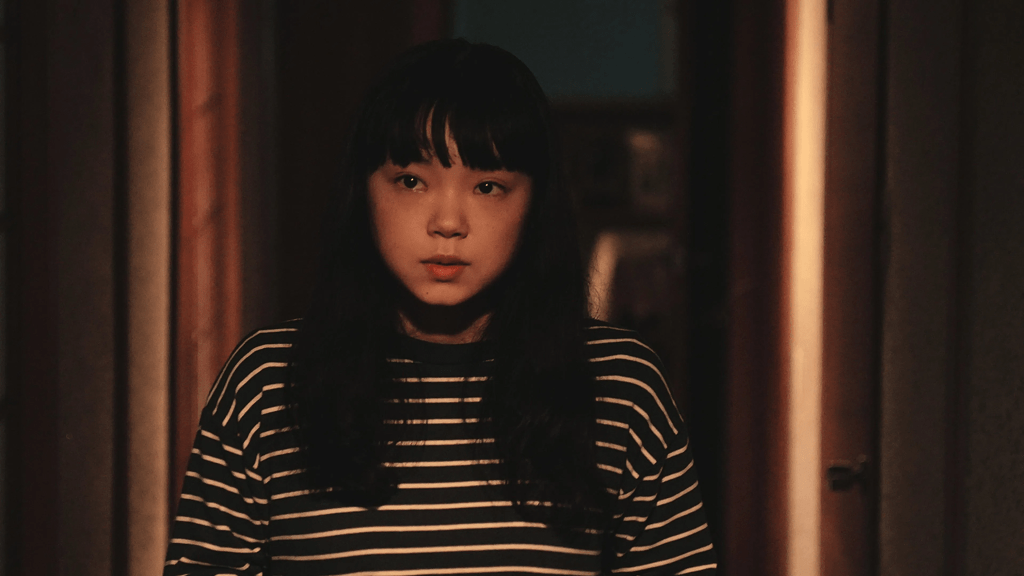
A young nursing student (Kotone Furukawa) ditches Tokyo’s bustle for a quiet visit to her grandparents’ rural home, expecting warm miso and nostalgia. Instead, she stumbles into a suffocating web of weird family vibes and cryptic small-town quirks. The house creaks with secrets, her grandparents act like they’re auditioning for a David Lynch flick, and the neighbors’ smiles hide something nasty. As she digs deeper, she uncovers a truth that flips her world upside down, forcing her to question happiness, morality, and her own complicity in a twisted system. This isn’t your typical J-horror ghost fest. Shimotsu trades jump scares for a slow, festering dread that coils around your spine. It’s a bold, unsettling parable about the cost of contentment, wrapped in a deceptively simple package that dares you to look away.
Best Wishes to All sinks its claws into the rotten underbelly of happiness, dissecting how we chase it at others’ expense. Shimotsu’s not subtle. His allegory screams that joy in a zero-sum world demands someone else’s misery, a brutal jab at capitalism’s grind and Japan’s aging crisis. The unnamed protagonist, a stand-in for the audience, grapples with a society that normalizes cruelty as casually as stirring soup. Symbolism drips from every frame: the grandparents’ home, a claustrophobic maze of shadows, mirrors the suffocating weight of tradition, while open fields feel like traps, not freedom. Blood and bodies are mangled, leaking, or worse, becoming grotesque metaphors for sacrifice, echoing Lu Xun’s tales of human cost in “Medicine.”
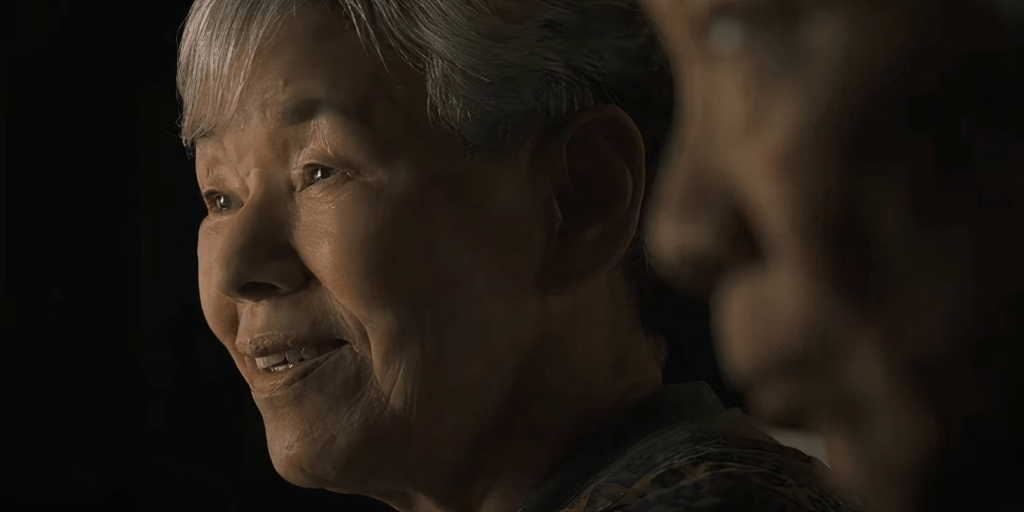
Cinematography, led by Shimotsu’s keen eye, is full of unease. Slow zooms and lingering pans amplify the silence, making every creak a gut-twist. The lack of a score in key moments, paired with thudding drones when it does kick in, channels 2000s J-horror like Pulse, but feels fresh, not derivative. The writing, co-penned with Kakuta, is sparse yet vicious, leaning on dialogue that’s equal parts banal and sinister like grandparents chatting about pork while something screams upstairs. This flick takes a big ol’ shit on optimism, arguing that empathy is a childish relic in a world that thrives on exploitation. It’s bleak, but not nihilistic; Shimotsu dares you to reject the system, even if it’s a losing fight. It’s a primal scream against Japan’s shrinking rural towns and generational burdens, but its cynicism about human nature hits universal nerves.
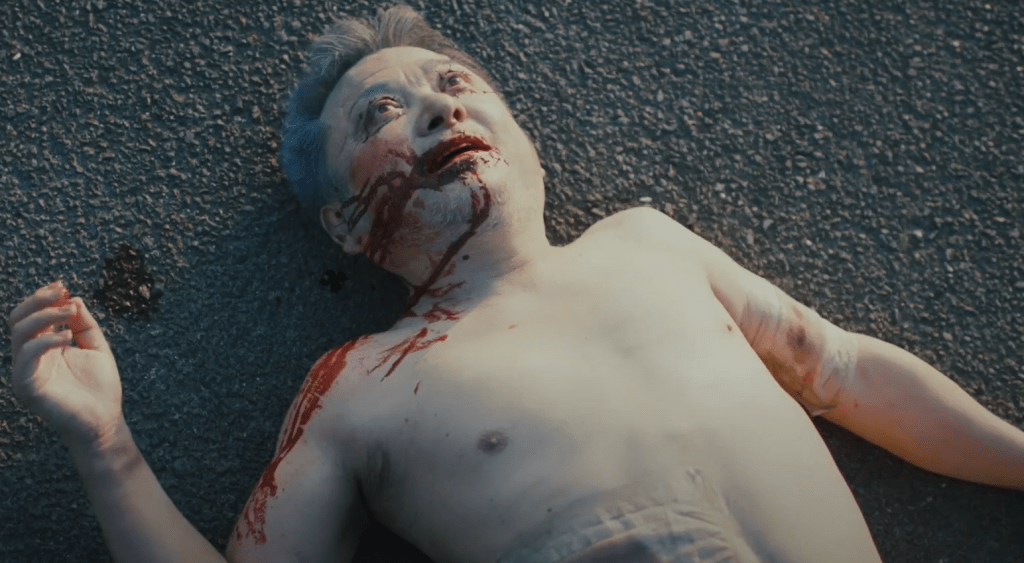
Its strengths lie in its sheer audacity. Shimotsu takes a simple premise, a family visit gone wrong, and spins it into a nightmare that feels like Get Out meets Audition with a dash of Kafka. The originality is ferocious; this isn’t another long-haired ghost retread but a fable that weaponizes everyday rituals (soup-making, anyone?) into body-horror grotesqueries. Furukawa’s performance as the protagonist is a quiet gut-ripper, her wide-eyed innocence curdling into dread as she unravels her family’s sins. The atmosphere is suffocating, every frame feels like it’s holding its breath, waiting for the next horror to slither out. Shimotsu’s visual inventiveness, from a blood-soaked human pyramid to a sewn-shut captive, is the stuff of nightmares you can’t unsee.
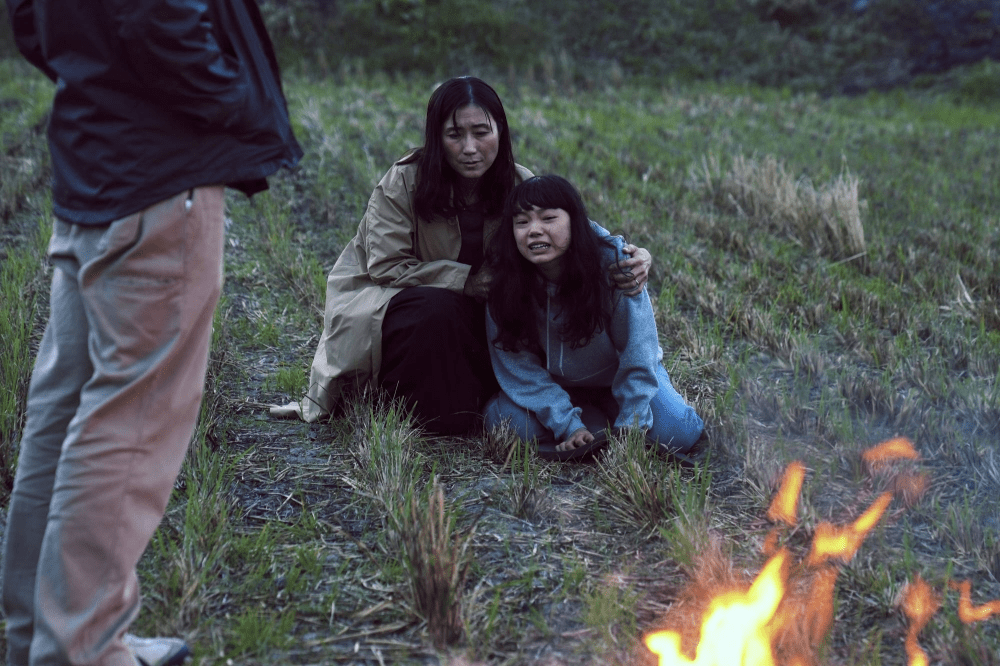
While, Best Wishes to All is a daring beast, I’ve got some qualms. The slow burn works for building dread, but it can drag. The allegory, while sharp, can feel heavy-handed with lines like “young people are sacrificed for old folks” that are less subtext, more sledgehammer. Characters, especially the grandparents, are more symbols than people, which keeps you at arm’s length emotionally. The protagonist, though well-acted, is a cipher, a blank slate for the audience that sometimes feels too passive, like she’s sleepwalking through her own horror show. The horror, itself, is undeniable when it hits with visceral, squirm-inducing images seared into your brain. However, the abstract “rules” of the world are murky, which can be a bit on the frustrating side for me. It’s not derivative, thank fuck, but it occasionally sacrifices coherence for shock, like a chef who loves spice but forgets the recipe. Still, for a debut, it’s a ballsy swing that lands more punches than it misses.
Best Wishes to All is a wild, original ride. Shimotsu’s vision is uncompromising, blending J-horror’s creepy DNA with a fresh, allegorical bite that skewers societal rot. The cinematography and body horror are top-tier, and the thematic depth, questioning happiness as a zero-sum game, hits hard for anyone who loves their scares with brains. But the sluggish pacing and overly symbolic characters blunt its edge, making it feel like a brilliant short stretched too thin. It’s not perfect, but it’s the kind of weird, unsettling shit I’d rather champion than another cookie-cutter slasher. For a first-time director, Shimotsu’s got guts, and I’m stoked to see what he cooks up next, as long as he tightens the screws.
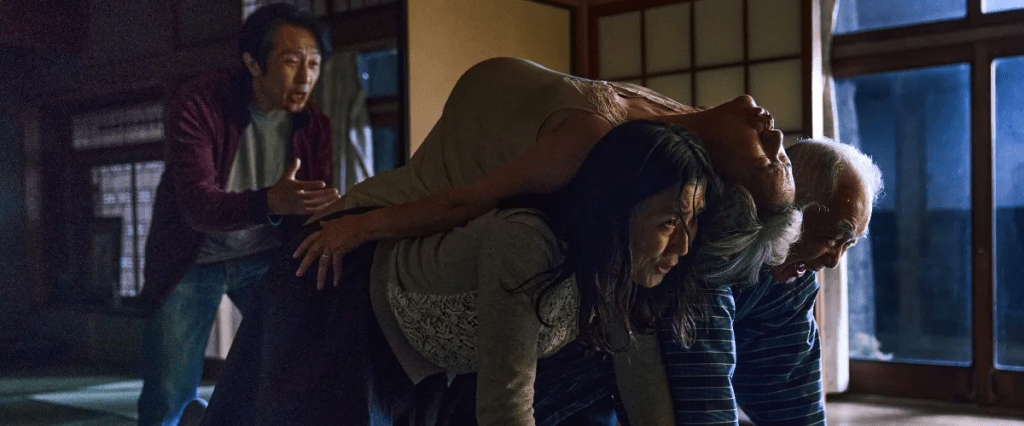
TL;DR: Best Wishes to All is a bold J-horror debut that trades ghosts for grotesque allegory, probing the ugly cost of happiness with eerie visuals and a cynical heart. It’s slow but haunting, imperfect but unforgettable.





Recommended for: Cynical weirdos who’d rather sip blood-laced miso with unhinged grandparents than watch another jump-scare snoozefest.
Not recommended for: Anybody needing scares faster than instant ramen.
Director: Yuta Shimotsu
Writer: Rumi Kakuta
Distributor: Shudder
Released: June 13, 2025



Leave a comment