
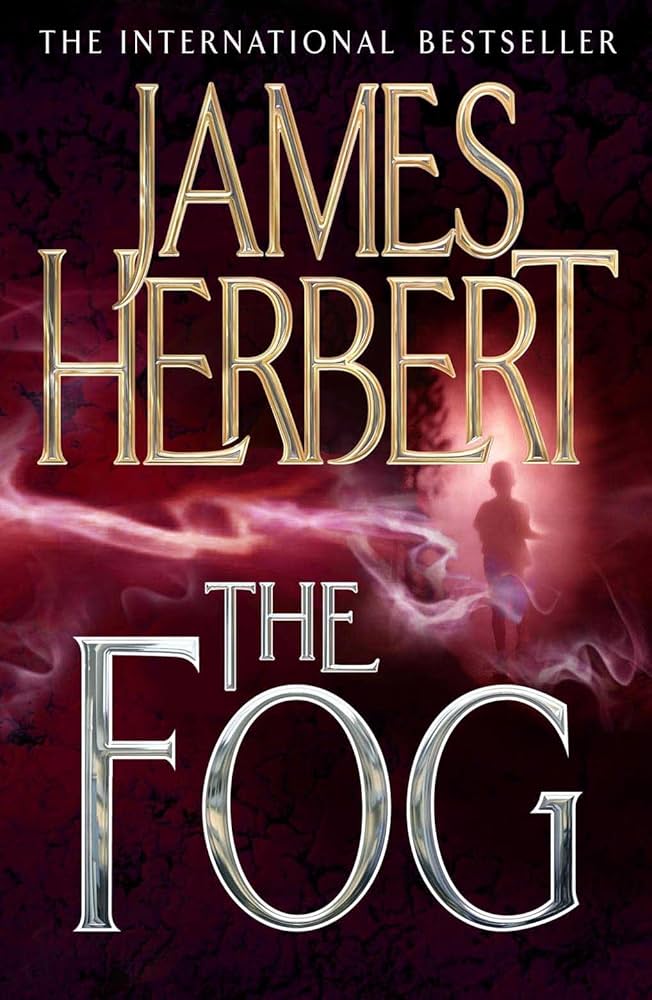
Fifty years ago, in 1975, James Herbert unleashed The Fog, a novel that didn’t just creep into the horror scene—it kicked down the door, spat on the carpet, and dared everyone to look away. This wasn’t the polite ghost stories or gothic cobwebs of yesteryear; this was a raw, visceral middle finger to the cozy conventions of the genre. Coming off the blood-soaked heels of his debut, The Rats (1974), Herbert doubled down with The Fog, cementing his reputation as Britain’s answer to Stephen King, but with a nastier edge and a distinctly working-class snarl. For its 50th anniversary, let’s crack open this time capsule of terror, dissect its guts, and see if it still has the power to make us sleep with the lights on.
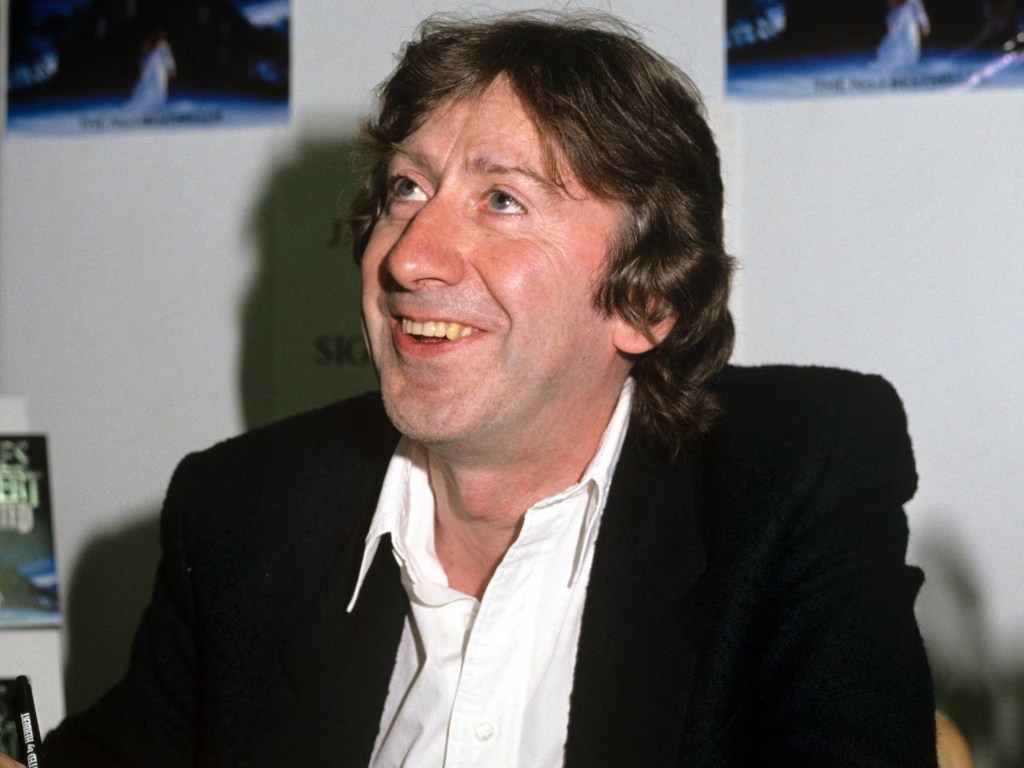
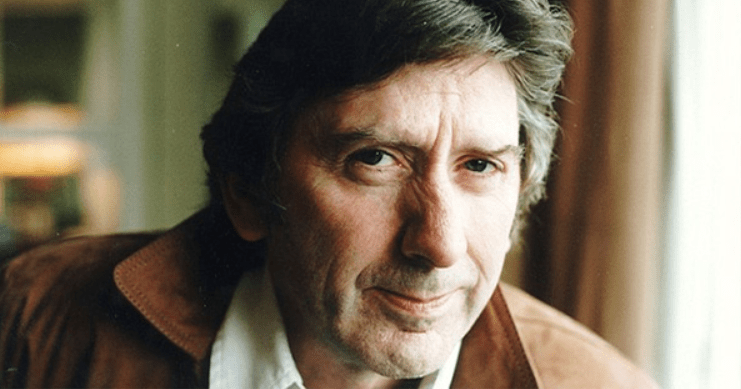
James Herbert, a London-born lad who grew up in the post-war grit of Whitechapel, wasn’t some ivory-tower scribbler. Before he became Britain’s horror laureate, he worked as an art director in advertising, a gig that honed his knack for visceral imagery and punchy impact. His debut, The Rats, was a gut-churning tale of mutant vermin tearing through London’s underbelly, and it shocked readers with its graphic violence and unapologetic nihilism. Published when spy thrillers and bodice-rippers ruled, The Rats was a Molotov cocktail tossed into a stale literary landscape. By the time The Fog hit shelves, Herbert was already a polarizing figure—loved by fans craving unfiltered horror, loathed by critics clutching their pearls over his “excessive” gore.
Herbert’s influences were clear: the apocalyptic dread of H.G. Wells’ War of the Worlds, the bio-horror of John Wyndham’s Day of the Triffids, and the eerie paranoia of Nigel Kneale’s Quatermass. But Herbert wasn’t just homage, he was evolution. Where his predecessors leaned on suggestion, he went for the jugular, painting horror in stark, bloody realism. The Fog was his second swing, and it swung harder, proving he wasn’t a one-hit wonder but a force who’d reshape horror for decades.
The Fog opens with a sleepy Wiltshire village torn apart by a freak earthquake, a crack in the earth swallowing shops, homes, and lives. Among the chaos is John Holman, a government investigator dodging military patrols on Salisbury Plain, who barely escapes the chasm with a young girl, Clara, in tow. But the real horror isn’t the quake, it’s the yellowish fog that rises from the fissure, a toxic mist carrying a mutated mycoplasma that drives anyone who breathes it into murderous insanity.
As the fog spreads, so does the madness. A vicar pisses on his congregation from the pulpit. A farmer is trampled to death by his own cows. A poacher turns axe-wielding psycho, butchering a colonel and his household. Holman, one of the few immune, becomes humanity’s last hope, teaming up with scientist Professor Ryker and military man Captain Peters to track the fog’s glowing nucleus. Their mission: destroy the mycoplasma before it engulfs London.
The Fog is a screaming alarm about humanity’s reckless tampering with nature. The mycoplasma, is a stand-in for every man-made disaster—think Chernobyl, think bioweapons, think climate collapse. Herbert doesn’t preach, but the subtext is clear: fuck with the earth, and it’ll fuck you back harder. The fog itself is a brilliant symbol—insidious, unstoppable, and indifferent, it’s nature’s wrath given form, a reminder that we’re not as in control as we think.
The novel also digs into the fragility of sanity. The fog strips away civility, turning priests into perverts (not a stretch…) and neighbors into monsters. It’s a grim commentary on how thin the veneer of society is, how quickly we revert to primal savagery when the rules break down. Holman’s immunity makes him an outsider, a reluctant hero forced to witness humanity’s worst impulses while clinging to his own morality, a classic Herbert trope of the everyman thrust into existential horror.
Symbolically, the glowing nucleus of the fog is both mesmerizing and malevolent, suggesting a corrupted life force or even a perverse god. Its drift toward the gas refinery, a monument to industrial excess, feels almost intentional, as if the mycoplasma wants to feed on humanity’s poison. The final explosion, purifying yet destructive, is a bittersweet purge—salvation at a major cost, a nod to the Pyrrhic victories of real-world crises.
Herbert’s prose in The Fog is like a butcher’s cleaver—sharp, brutal, and not always precise, but it gets the job done. He writes with a cinematic urgency, piling on sensory details to immerse you in the horror: the acrid stench of the fog, the crunch of bones under hooves, the wet squelch of an axe splitting a skull. His pacing is relentless, barreling from one set-piece to the next, whether it’s Holman’s desperate climb out of the chasm or the apocalyptic gas explosion. It’s not subtle, but it’s effective, dragging you through the muck with no chance to catch your breath.
That said, Herbert’s style has flaws. His dialogue can feel stilted, especially in expository scenes where characters spout science jargon like they’re reading a textbook. Some character motivations—Barrow’s sudden obsession with Holman, for instance—feel forced, as if Herbert needed a final antagonist and didn’t care how he got there. The prose occasionally dips into melodrama, with Holman’s inner monologues verging on soap-opera angst. But when it works, it’s electric. Lines like “The ground opened up like a gigantic yawning mouth” hit with primal force, and the visceral descriptions of madness—cows biting off fingers, a maid’s scream as she sees her mistress’s head barely attached—burn into your brain.
Strengths: The Fog is a masterclass in unrelenting horror. Its originality lies in blending eco-horror with psychological terror, predating similar themes in films like 28 Days Later. Herbert’s prose, while not poetic, is a sledgehammer, delivering images that stick like bloodstains. The horror impact is undeniable—scenes like the vicar’s desecration or the poacher’s rampage are as shocking today as they were in ’75. Thematically, it’s ambitious, tackling human hubris, societal collapse, and the cost of survival without easy answers. Holman’s arc, from cynical investigator to broken crusader, is compelling, and Casey’s quiet strength adds emotional heft.
Critiques: The novel isn’t flawless. Herbert’s reliance on coincidence—Holman just happening to be in the village during the quake—strains credulity. Some characters, like Ryker, feel like plot devices rather than people, and the science behind the mycoplasma is vague enough to border on hand-waving. The final act, while explosive, leans too heavily on action-movie tropes, and Barrow’s last-minute villainy feels tacked on. Herbert’s prose, while vivid, can be repetitive, hammering the same adjectives (“terrifying,” “horrific”) until they lose bite. Compared to King’s character-driven depth, Herbert’s focus on shock sometimes sacrifices nuance.
Half a century later, The Fog remains a snarling, unapologetic beast that claws its way into your nightmares. Herbert’s vision of a world choking on its own hubris, where a single crack in the earth unleashes a plague of madness, hits harder in our era of pandemics, climate collapse, and bioweapon paranoia. It’s a mirror held up to humanity’s reckless streak, daring us to flinch at our own reflection. Flaws and all, this is the kind of book that doesn’t just scare you, it makes you question what’s lurking in the air you’re breathing right now. Herbert carved a wound that’s still bleeding.



TL;DR: The Fog is a 50-year-old beast that still bites, a relentless eco-horror gut-punch that trades subtlety for raw terror. Herbert’s vision of a world gone mad is as relevant now as ever, even if the prose creaks in places. A must-read for horror junkies who like their scares bloody and their themes apocalyptic.
Recommended for: Anyone who thinks The Walking Dead is too tame and wants a horror novel that feels like a knife to the throat.
Not recommended for: Prudes who faint at the word “penis” or readers who need their horror wrapped in lyrical prose and a neat bow.
New Amer Library
Published 1975


Leave a comment