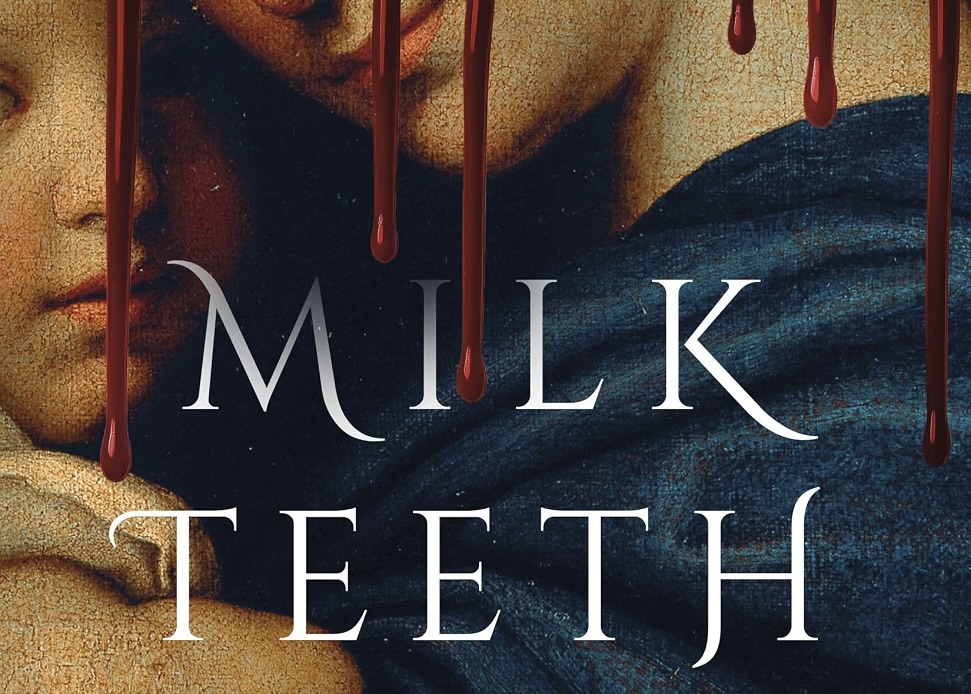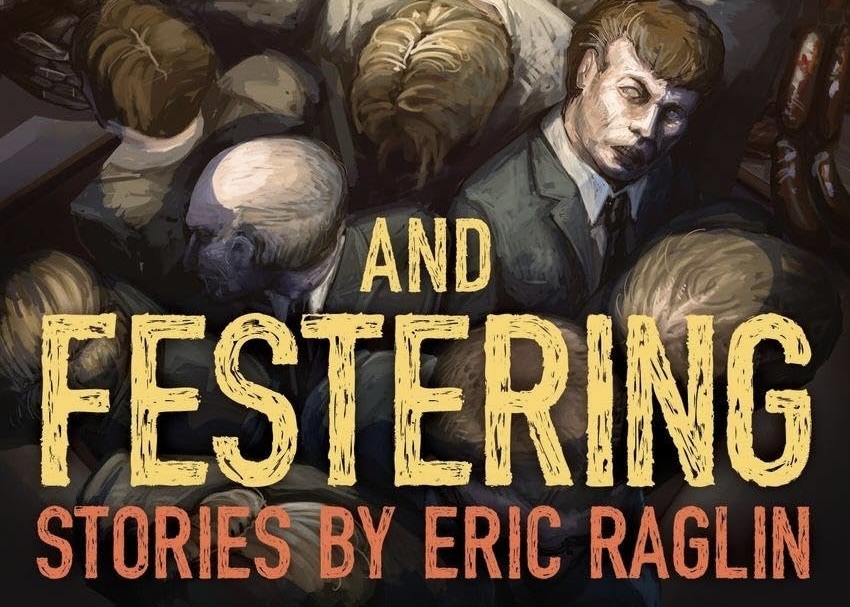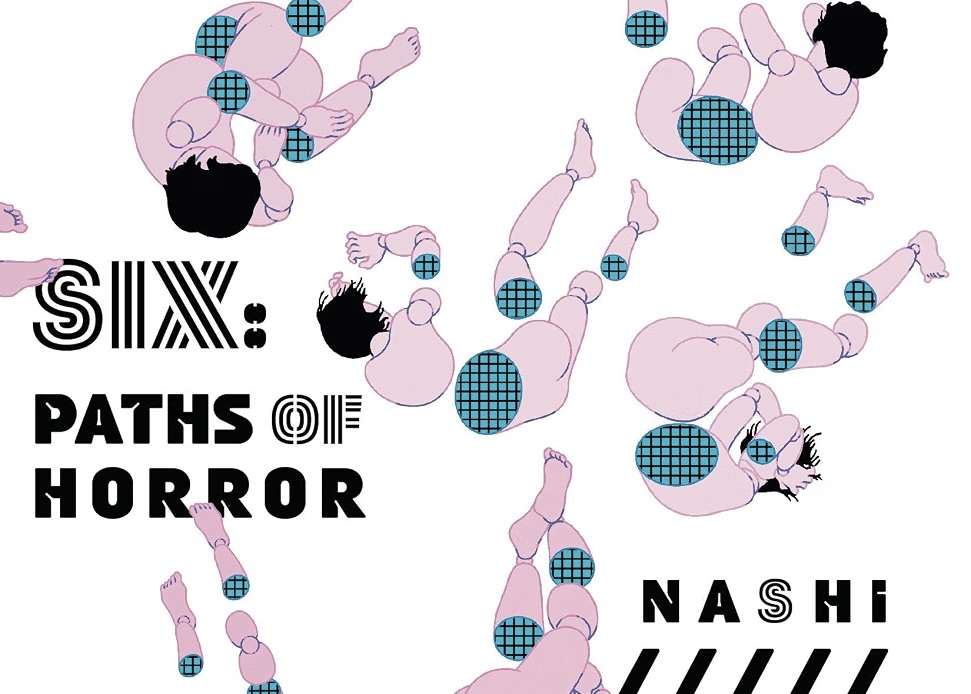
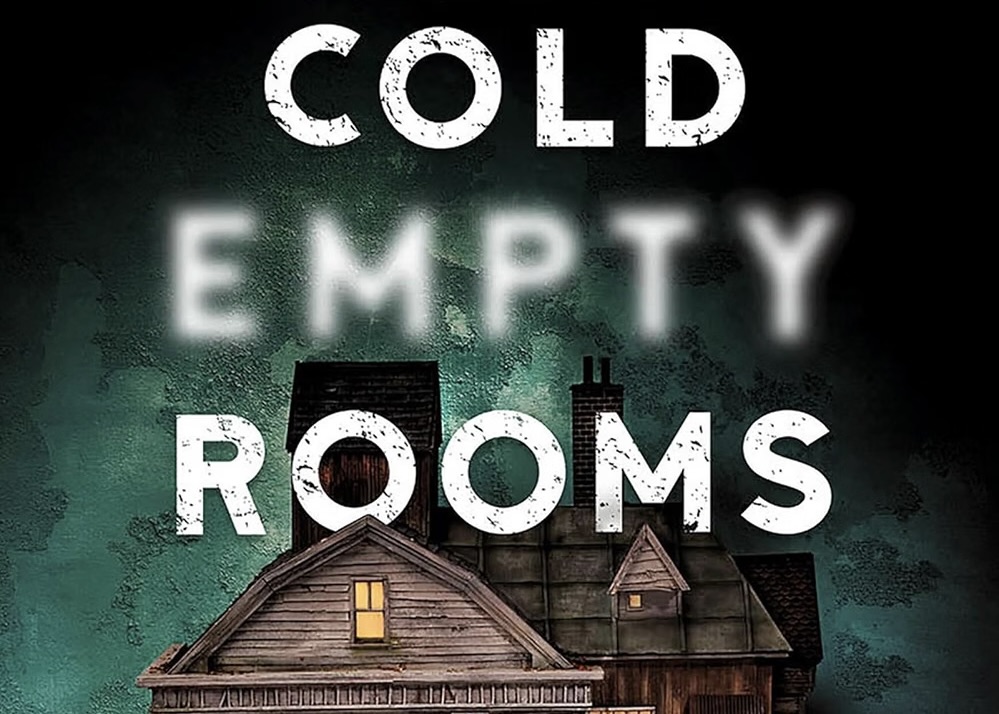
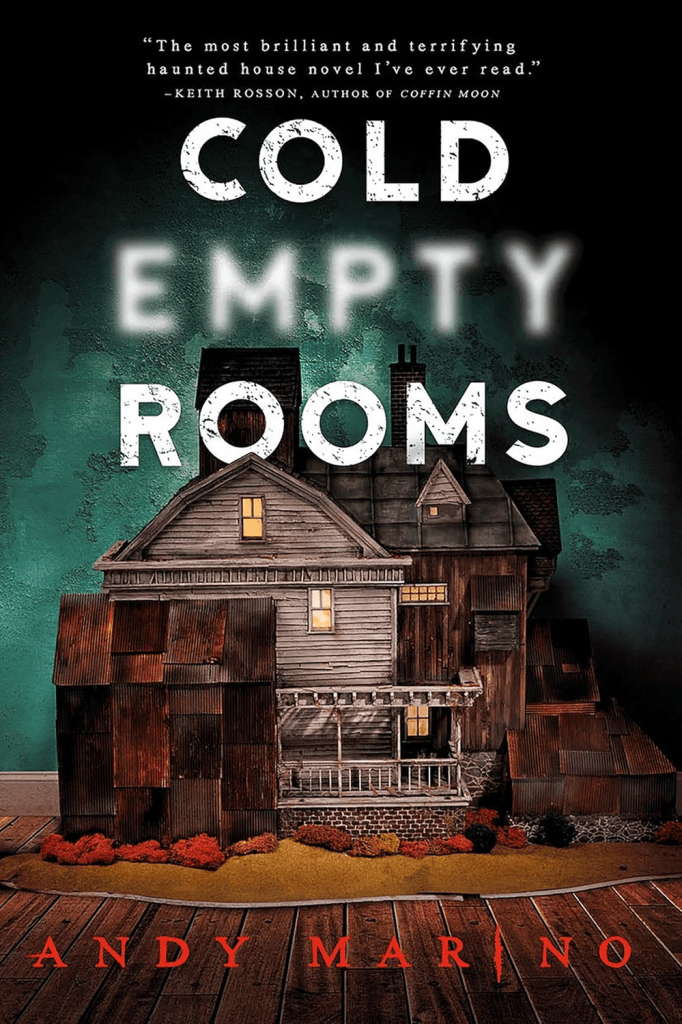
TL;DR: A woman kills her husband, goes to a bar, and leaves town with the guy on the next stool. He’s just inherited a falling-apart mansion in the Catskills. It’s 1997. He prints flyers inviting anybody to move in, and they do: a cowboy with a knife who cooks the worst food in any novel, a dropout with a trunk of Friends tapes, a stockbroker named Herbal. Then something in the house starts talking to them through the mirror, the cat and the Friends tapes. It is not there to help. Funny, filthy, and it will fuck you up. Buy it.



Every death in this book can be traced to a man driving to Kinko’s without asking his girlfriend first.
The man is Soren. Until recently he checked windshield wipers for defects on a factory line in Indiana. Then a dead aunt he’d never met left him an enormous rotting house in the Catskills, and the same week he sat down at a bar next to Mara, who was having a night. She had killed her husband at the dinner table, dropped her eight-year-old son at a relative’s, and stopped for a few last tequilas before turning herself in. She got in Soren’s van instead. It’s 1997. The Spice Girls are on the jukebox and Soren owns a Blind Melon T-shirt. They move in with two mattresses and the orange cat that came with the place. Mara digs a garden and would like to be alone with it forever. Soren has a homemade religion, built around a higher power he calls the Great Other, and a dream of a commune with no rules, so he drives to town and puts up the fucking flyers. Anybody at all can come live with them. Anybody but poets. The flyer is firm on that.
People come. First is William: cowboy hat, backpack, big knife, and a belief that he can cook. His welcome dinner includes poached eggs with a baby carrot standing in each one wearing a black olive as a hat, potato skins with the potato removed, floating in Crisco, and chicken cutlets he calls chicky surprise. The surprise is Velveeta. Later the surprise is bones. In a cutlet. I have gone back for a fourth plate at a Chinese buffet and I would not eat this shit. Andy Marino describes every dish with a straight face, nobody says a word about the food, and then William, the clown of the scene, looks around the room and says, “The shadows in this house ain’t right.” End of jokes. The whole book works on you that way. Something stupid for a long time, then one flat sentence you can’t get out from under.
He’s right about the shadows. More housemates arrive: a college dropout with a trunk full of Friends on VHS, a former stockbroker who goes by Herbal, as in the tea, though he is never once seen with tea, an old hippie named Jacinda, a family of anarchists who are against Christmas, and two heroin addicts Soren collects from outside the library. And the house starts talking. The bedroom mirror runs a few seconds behind the room and then, worse, a few seconds ahead. The cat arranges mouse bones under a broken piano into what turns out to be writing. The Friends tapes begin playing episodes nobody filmed.

What it’s saying is the part I haven’t seen before. The thing in the house does not want your soul. It wants your junk drawer. Soren, who becomes its spokesman, runs what he calls sessions: one housemate sits on the floor and tells the group about the most humiliating moment of their childhood, and then gets pushed to describe whatever was off to the side of it. Herbal remembers getting his trunks pulled down at a public pool when he was seven. What the house wants from him is the corner of his mother’s beach towel, where the factory sewed the hem wrong. A French writer named Georges Perec once sat in a Paris café for three days writing down the buses, because he thought noticing the boring stuff was a way of loving your life. (He also wrote a novel without the letter e, and a second man translated it into English without one. Two grown men.) Marino’s monster pays the attention and skips the love. To it, a kid’s worst night and a juice stain on the carpet are the same grade of material, and it’s making itself out of both. The stuff you never looked at, and the stuff you can’t stand to look at. That’s a fucking great idea for a monster.
Soren, however, is probably the most frightening thing in the house. Marino builds him out of sad little true parts. His dad walked out when he was eleven. His mom owned one Christmas stocking for stepfathers and re-glued the felt letters every time the name changed. As a boy he carried a cabbage around the grocery store as a friend. He’s sweet, he’s funny, he asks Mara every ten minutes if she’s mad at him, and he has a new pet name for her each time he opens his mouth, peaking at Mara-Mark and the Funky Bunch. The book is told from inside his head and from inside Mara’s, trading off, usually while they’re in bed, so you’re in there with him when the two addicts call him an angel, and you’re still in there when he realizes, with a hand resting on each of their heads, that there is nothing he could ask of them that they’d refuse. From then on he ranks himself with Winston Churchill, Dr. King and John the Baptist. John the Baptist’s whole job was telling people that somebody better was coming. Soren does not notice this. He also cures a woman’s cold sore by licking it, and I’d like it noted that the book moved on from that faster than I did. What Soren wants is to be a great man. What Mara wants is to hear that she’s a good person. This is one hunger, and something has shown up to eat.
Of the two main characters, Mara is thinner on the page than Soren. She has the garden, a dead husband named Glen she compares Soren to constantly, and a daydream self called the Huntress who sprints through the woods and never comes to anything. The spooky signs pile up faster than the book can use them, and a buried copper mask and a barn that keeps changing shape are still waiting for their scene when it ends. Mara and Soren also have one argument, over and over (is he turning into Glen, are they still equals), and they finish it the same way each time, in bed, with the magic mirror showing them done before they’ve started. It’s the only sex scene I know where finishing early is the supernatural part. The housemates are mostly disposable. The anarchists exist to say anarchist things, although I’ll grant them their story about a commune in New Hampshire that fell apart over half a bag of fruit snacks in the compost. The exception is Jacinda, who mentions her kids a lot. She has four. Then three. Then five. Then two. Nobody ever says anything. I laughed each time, and it’s some of the saddest shit in the book.

You know me, I’ve got a bit of a boner for originality and there’s a lot of borrowed furniture here. A nice man’s commune going bad, and a house that gets at each guest through a private weakness echoes Richard Matheson’s Hell House (1971). The cursed TV has a parent as well. Too Many Cooks, eleven minutes that Adult Swim aired at four in the morning in 2014, was the opening credits of a fake sitcom that refused to end while a killer crept into the background. Marino does that to Friends. First a real episode drifts off its script. Then an entire chapter is written as a sitcom script, laugh track and all, in which the six friends have names like Goey and the thing in the house speaks through one of them while the rest chat about their dates. I have seen every episode of Friends. I didn’t choose to, and neither did you… probably.
The scene all of this is for comes late, in the longest chapter. The whole house is in the living room for a session. The dropout, a young woman named Sue Lynn, is asked for her earliest hurt and gives it. A sleepover in fourth grade, a friend’s father drinking alone in his study with the door half open, who calls her in by name and pats the couch cushion next to him. The house plays her memory in firelight on the wall as she talks, a little ahead of her, so it has her next sentence before she does. And while she’s trying to get through it, Mara and Soren keep interrupting. That’s only an observation, they tell her. Give us the stain on the hallway rug. Give us the crack in the baseboard. She does, in tears, because she wants to get it right.
Fuck.
After that the book does to itself what the house does to people. The chapters shrink. One is a list. One is two sentences. By the end the story has been boiled down to junk-drawer contents, which is what the monster wanted, and you’ve watched the book hand it over.
This is Marino’s fourth horror novel since 2021, after The Swarm, out from Orbit’s Run For It imprint. The UK copy calls him an underground horror sensation, a strange word for a man with a Hachette ISBN. And the Friends chapter is where the book goes limp. Until then the thing in the house had no history and no motive I could have written down. Then it sits on a sitcom couch and gives its résumé, century by century, and a creature that explains itself is a smaller creature, every fucking time.