






TL;DR: The finest sequel in recent literary horror, Phantom Limb returns Kline to the amputation cult wars of Last Days and adds a third faction built on the theology of the phantom limb, where missing parts persist in a dimension the flesh cannot reach. The prose is a precision instrument. Read Last Days first. Then read this.

There is a neurological phenomenon known to every surgeon who has ever separated a limb from its body: the limb does not, in the reckoning of the nervous system, cease to exist. It persists. Its ghost fires. Pain travels the length of an arm that lies in a bin three rooms away, the fingers of nothing tingle, the missing hand closes around a cup it cannot hold. Physicians call this the phantom limb. Brian Evenson calls it a theology.
Phantom Limb is the long-deferred sequel to Last Days, Evenson’s 2003 novella expanded to novel length in 2009, which introduced the investigator Kline into a cult of amputation worshippers who believe that God is approached through the progressive surrender of the body. Kline himself is missing an arm. At the start of Last Days this made him useful to the cult. By the end, having survived things that killed everyone else, it made him something harder to name. Phantom Limb opens with Kline in a holding cell, half-burnt, the prints burned off his fingers, having sequestered himself in an abandoned shack to drink himself to death with stolen vodka and take target practice at a wall smeared with his own blood. This is where we find him. Intact, in the technical sense. Still fighting.
Evenson’s prose is the polar opposite of ornamentation. It is a machine for precision. Each sentence does a single job and does it completely, and the horror accumulates not through rhetorical escalation but through the perfectly flat register in which every event, ordinary or catastrophic, is described in exactly the same voice. A man orders breakfast in a holding cell. A man bisects a frozen human body with a bandsaw. These things are given the same grammatical weight. That is the horror. When a body in the freezer is described as having been cut “meticulously,” the word arrives with no inflection at all, and it is worse for it.
The cults of Last Days persist into this novel as competing religious jurisdictions, the Brotherhood and the Pauls, both devoted to amputation as sacrament, their theologies distinguished mainly by the number and pattern of amputations their adherents have undergone. A one has lost one thing. A thirteen has lost thirteen. The head of the Brotherhood, a man named DeNardo, has no ears, no nose, no upper teeth, and a hand reduced to thumb and forefinger, and he comes for Kline the way men who have elected themselves catastrophe always come for the inconveniently alive: with courtesy, with an offer, and with guns. Kline is recruited against his will by the Pauls to investigate a series of murders committed against both sects, murders in which the victims have been frozen solid and bisected lengthwise with the precision of a meatpacking operation, the halves distributed to different addresses. The investigation is noir procedural in structure, two damaged men in a bad car, and it holds together well, although the middle third is where the novel breathes shallowest, Kline and his reluctant partner Frank moving through a checklist of suspects without quite the charged menace of what precedes and follows.
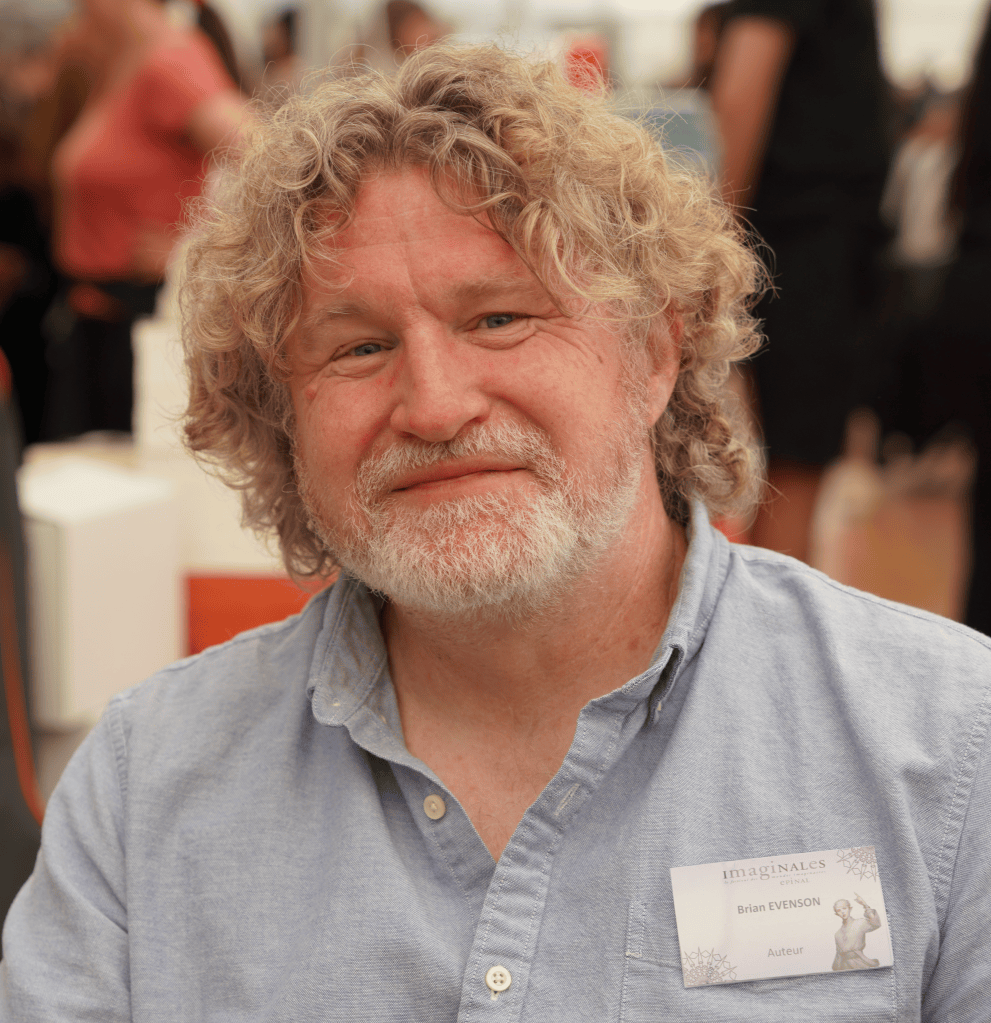
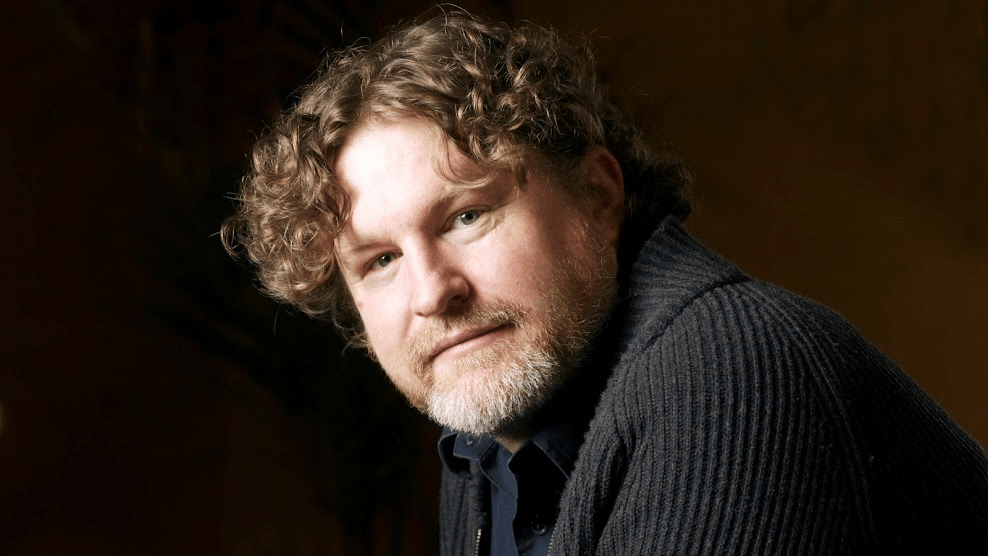
Brian Evenson published his first book in 1994 while teaching at Brigham Young University, and the book, Altmann’s Tongue, generated the kind of institutional pressure that reveals what institutions are made of: a student complained to church leaders that the violence in the stories was inappropriate, ecclesiastical authorities became involved in what Evenson maintained was a personnel matter, and he was effectively told he could not publish another book like it and remain. He left BYU in 1995 and left the Mormon Church formally in 2000, and what his fiction has been doing ever since is working in the spaces where official doctrine fails, where the body refuses the categories the spirit would impose on it, where what is amputated does not go away. He went on to chair the creative writing department at Brown University and now teaches in the School of Critical Studies at CalArts. Last Days won the American Library Association’s Best Horror Novel award in 2009. He has received three O. Henry Prizes, a Guggenheim Fellowship, the Shirley Jackson Award, and the World Fantasy Award. This career is not an accident. It is what happens when a writer has something specific to say and the discipline to say only that.
What lifts Phantom Limb above clever genre exercise is its third faction: Angelique Malagrida, who goes by Grida, prophetess of the Temple Angelic and Triumphant, a sect built entirely around the phantom limb phenomenon and the question of where the missing parts go. Grida is extraordinary. Her face is half-paralyzed; she moves in a fluid rocking motion that she has turned into something almost hypnotic, and she has a gift for appearing where she was not a moment before, stepping in and out of visibility the way a hand might step in and out of existence. Her theology is this: the amputated limb passes into another dimension, and the phantom sensation is not neurological noise but genuine contact with that world, the real and continuous existence of the thing that was removed. She runs her ceremonies around an adaptation of the rubber hand illusion, the patient’s visible hand and the missing one stroked in synchrony until the severed preserved hand on the table feels like the subject’s own, until the gap between the body and its ghost is, briefly, closed. When it works, it works. This is not a metaphor. The book does not let it be a metaphor.
The novel requires that you have read Last Days. Not legally, but practically. The history of Kline’s damage and the logic of the cult world are assumed rather than explained, and readers arriving cold will find the early chapters operating at a remove from them, the way a conversation assumes shared experience the newcomer does not have. This is a commitment to continuity over accessibility. It is the right choice. It should still be named.
The ending arrives at the point where horror and something that is not quite religious experience meet and do not reconcile. The limb has always been missing. The question has always been whether missing and gone are the same thing. Evenson has been building toward that question for twenty years. He does not answer it here. He just makes you feel it in the arm that isn’t there.

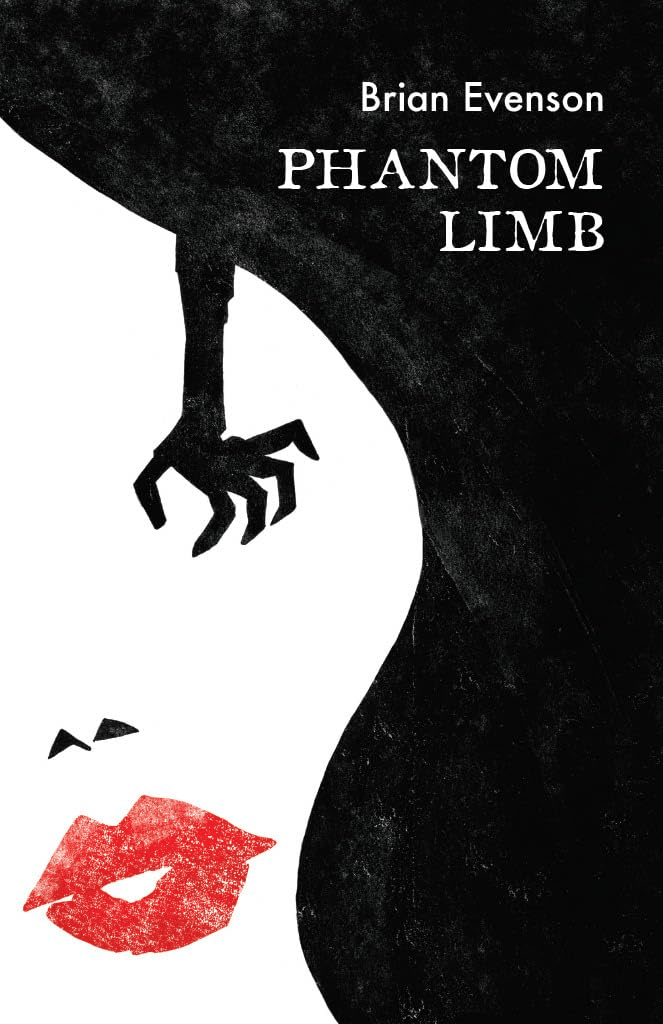
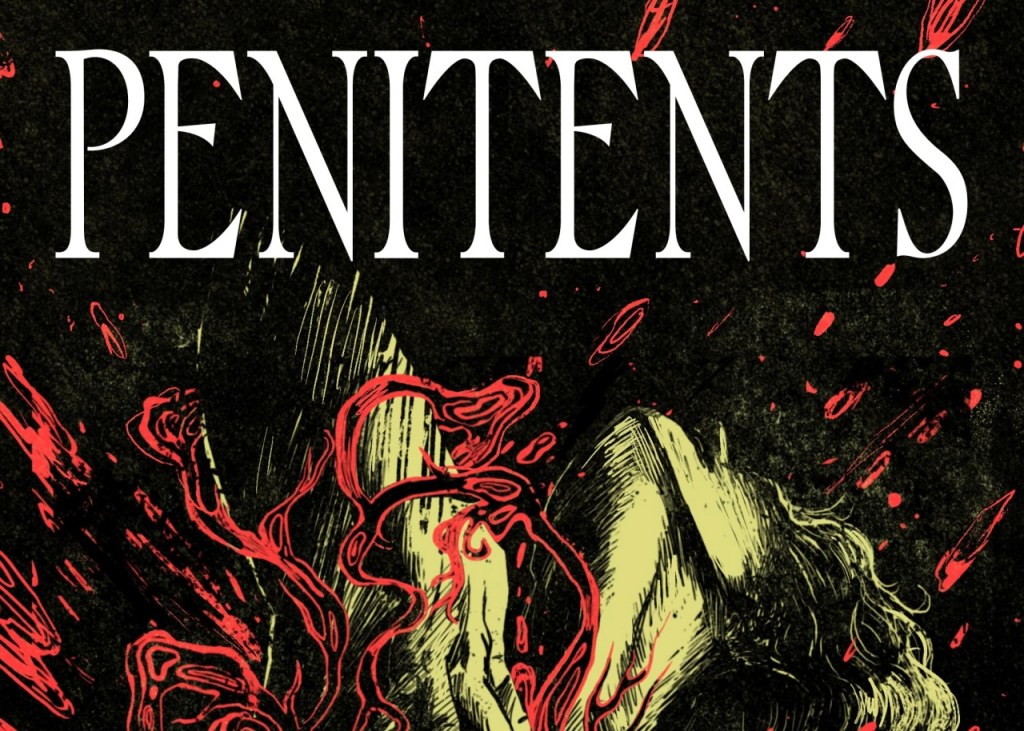
Phantom Limb by Brian Evenson, published October 13, 2026 by Coffee House Press.



Leave a Reply