
TL;DR: Sarah Gailey’s Make Me Better is wellness-cult folk horror at its most seductive, a slow, tactile descent into an island that promises to fix what grief broke. The prose works through the body before the mind, the dread builds like a rising tide, and the manipulation is so precise it implicates the reader. Unsettling, intelligent, and impossible to shake.

The Salt Festival runs four days, and the people who run it have solved the only problem worth solving, which is what to call things. You were pure once. Accountability is the love language of community. When you can’t trust yourself, trust your community. Those are the titles of the book’s six sections and also the entire theology of Kindred Cove. No robes. No chanting. No skull on a stick. There is a leathery man named William who has taught himself a country accent because he is from Palo Alto and understands that nobody was ever saved by a Palo Alto voice. What he sells instead is the most reliable product on the market, which is the feeling of being told you can be good and then shown the steps.
Celia comes to the island the way the other visitors do, on a too-small water taxi, in borrowed enthusiasm, across a saltwater lake that has no business existing. A salt mine collapsed under it years back and pulled the sea down into the dark, and what grew up in the wound is a reef that the residents call a miracle and that the mainland researchers also, to William’s delight, call a miracle. This is folk horror in the Midsommar key: full sun, communal tables, a festival that visitors are flattered to be invited to and slow to notice they cannot leave. Sarah Gailey knows you know the shape of it. They are counting on it.
Celia is the kind of woman who sells leggings and keeps her numbers up by buying her own unsold inventory, and she steps off the boat wearing a pair of them, the lightning-bolt ones from last December that nobody wanted, that she bought from herself. There is the whole woman in one garment. She has already spent years eating her own product to stay afloat, already learned to call the hollow spot in her chest something she can fix if she only works hard enough at it. The hollow spot is grief. She wanted a child and her body kept starting one and stopping. Four times, and then a fifth that did not stop in time. Gailey renders this without a tremor, the small curve of the back of a head described once, precisely, and never returned to, and it is worse for the restraint. Celia does not want comfort. She wants to be told the loss was a flaw in her and that the flaw is correctable. The Cove was built for women like Celia, by people who can smell that hunger from the shore.

The book’s sharpest instrument is the way it watches. The flashback chapters are narrated by the community itself, an eavesdropping we that always has an errand near the conversation it intends to overhear. Edith needs wildflowers from the exact cliff where the sisters are fighting, and tears up far more bloodroot than any bouquet could use. Caleb finds branches that want trimming on the one tree within earshot. They are not spying, you understand. They are gardening. The effect is a panopticon with a craft-fair aesthetic, and it is far creepier than a watchtower. The children operate on the same principle. They line the walls during dinner, so still and so quiet that the instant Celia looks away from them they seem to wink out, the way a thing you have been told not to count stops being countable. And there is the white house at the top of the road, every surface high-gloss white because, as Celia’s mother once explained about a bathroom, that is the easiest kind to wipe clean. Under a flap of painted canvas on the back wall there is a hole, and inside the hole there is an eye, and the eye belongs to someone named Nona who, asked whether she needs help, says not yet, but she will be soon.
Where the book stops being clever and starts being frightening is a scene on a kitchen floor. Easy, the buddy assigned to shepherd Celia through the week, gets her talking and then does the thing the best predators do, which is tell her the truth about herself. She names the jealousy Celia will not name. She explains, very gently, that Celia has been trying to wear her own edges down until something good is left over, that she has confused being eaten with being healed. Every word of it is correct. That is the horror of the scene. Easy is not lying; she is the first person who has ever fucking seen Celia, and she is using the sight as a hook. Gailey understands that a cult does not arrive as a lie. It arrives as the one accurate sentence you have been starving for, and the invoice comes later.
The prose is plain on top and merciless underneath, and it works through the body before it works anywhere else. You feel the cold lake yank the warmth out of Celia’s calves. You taste the goat butter, the custardy yolk, the flakes of salt crunching against her molars in the first meal she has wanted in years, and you grasp that she is being seduced through the mouth, coaxed back into wanting things at all. The water becomes a character with an appetite, lapping the island like a wide hand smoothing every rough place into something soft. By the time Celia starts finding herself at the shoreline with no memory of having walked there, drawn toward the dark like an untethered balloon, the seduction has stopped needing language.
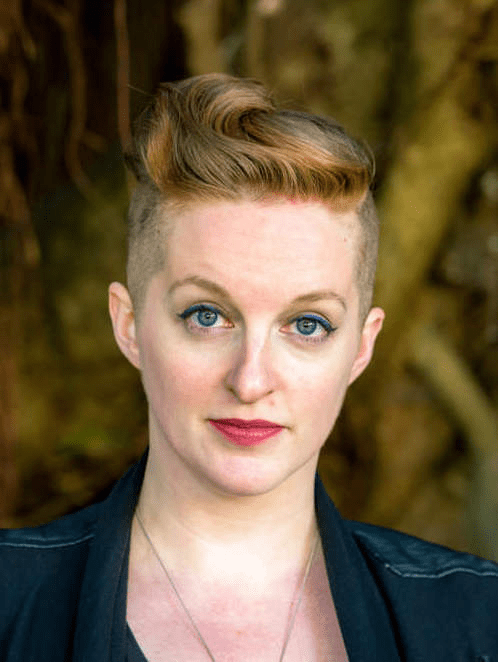
Gailey came up as a critic before the fiction made them a name; the Hugo they won in 2018 was for fan writing, for taking other people’s books apart in public, and it shows in the joinery here, in a writer who knows exactly where the seams of a horror novel run because they spent years prying at them. The career since has been a magpie’s: alternate-history feral hippos in the bayou, a scientist whose husband swaps her out for a more obedient clone, a serial killer’s daughter haunted in the house he built her, and, last year, a thing pulled out of the desert that wants only a warm place to live inside. Lay those side by side and a fixation surfaces. Something moves into a house or a body and improves it by consuming it. Make Me Better is that fixation aimed, at last, at the wellness economy and at the part of us that would pay to be hollowed out if somebody called the hollowing healing.
The book is a slow burn that, through the middle festival days, holds its breath a beat past comfortable, and a reader who came for scares rather than for the patient dismantling of a self may go restless before the floor finally drops. The speculative element, the reef and what it is and what it wants, is the thinner of the two horrors on offer, gestured toward and winked at more than it is delivered, so the eco-horror never quite arrives with the weight of the human horror standing right beside it. And across sixteen years and a whole congregation of narrators, some of the men blur; Caleb and Harvey in particular keep dissolving back into the scenery they are forever finding reasons to trim. These are the prices of a book attempting something harder than fright, and they stay small against what lands.
Because what lands is the suspicion the book leaves behind in you, which is not, in the end, about William or Easy or the thing under the lake. It is about the chair you are sitting in. You will know the pull. You have wanted, at least once, for somebody to tell you there is a right way and that you are nearly aligned with it, that the ache is a defect and the defect has a fix and the fix is yours for the small cost of your edges. Gailey’s whole achievement is to make that wanting feel like the warmest room in the house, and then to leave the door open, and then to ask why you are still standing in the doorway with your feet already wet.
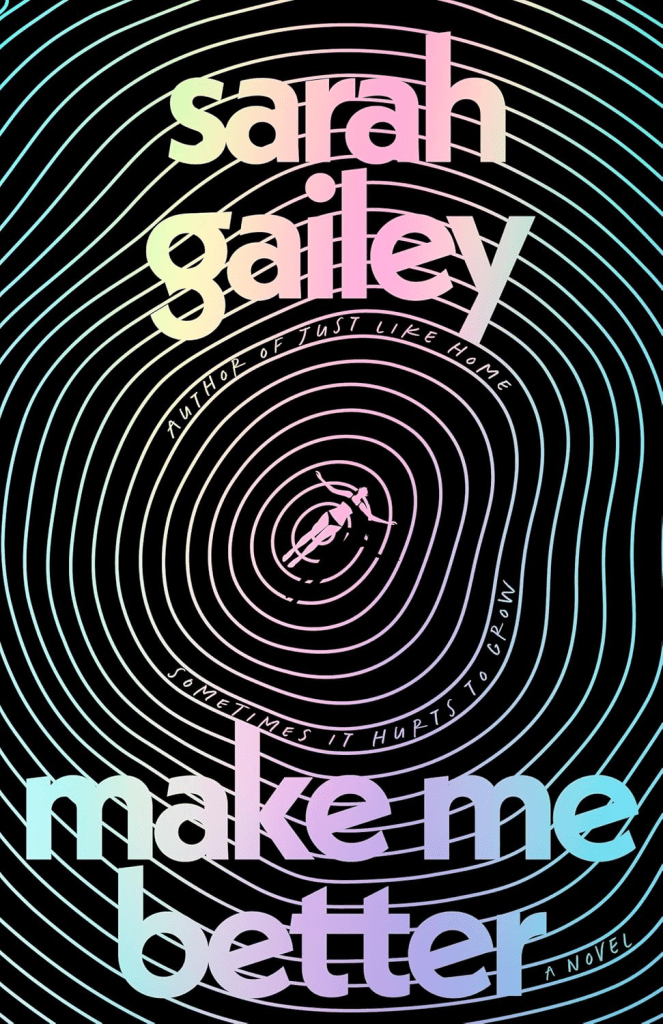
Make Me Better by Sarah Gailey, published May 12, 2026 by Tor Books.



Leave a Reply