
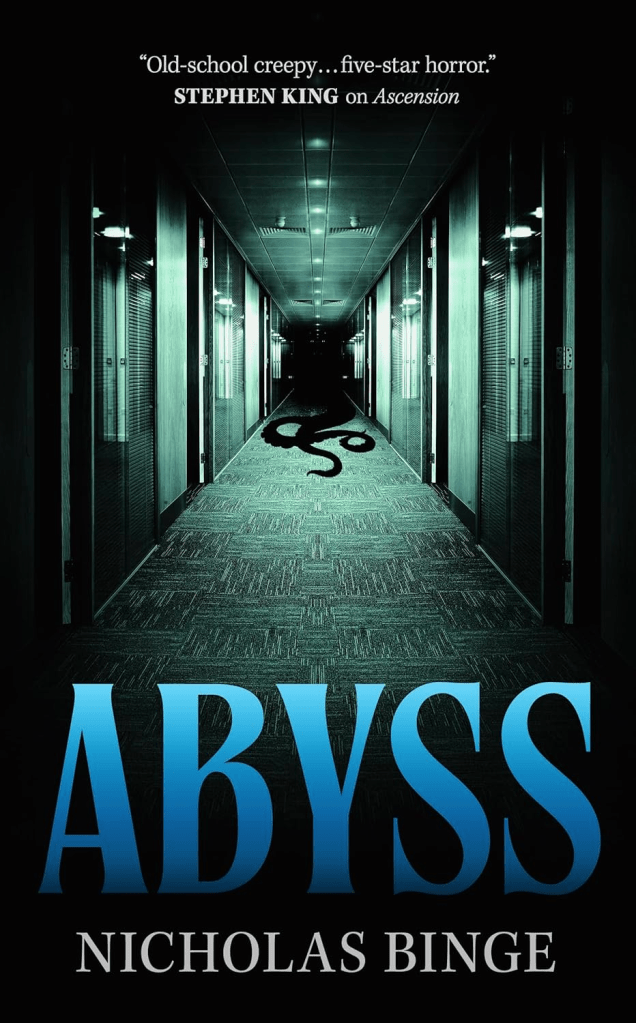







TL;DR: Binge writes corporate loneliness like a man transcribing something he watched happen, and for a hundred pages the empty office is the most frightening room in horror. Then the flipchart comes out. Abyss has a true and terrible idea in its marrow and cannot stop explaining it to you. Haunting, then talkative.

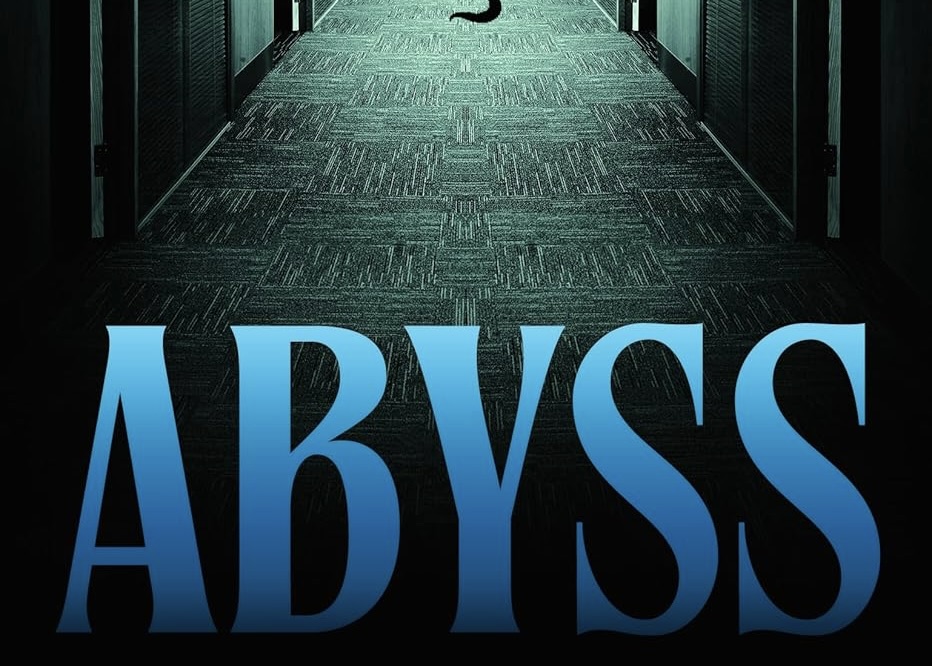
There is a building in Canary Wharf that does not want anyone in it. The lights burn and the machines hum and the ferns stand in their pots and the floor is swept and the lift moves somewhere on its cables in the shaft and there is not a soul to be found in any of it, only the swipe pads and the closed blinds and the redacted signage and a chatbot that asks how you slept and will not believe the answer. Nicholas Binge knows this building. He has stood in offices like it. The first third of Abyss is the work of a man who understands that the most frightening room is the one arranged for you and abandoned before you arrive, and for a hundred pages he does almost nothing wrong. A young man takes a job he does not understand at a company called Ponos, which is the Greek word for toil, and the company is glad to have him, and the company is family, and there is no one there to say so but the software.
The young man is the book’s truest invention, and Binge has the decency to render him from the outside, through his thumb. He taps the doorframe seventeen times and tells himself it will be alright and lies to his therapist and reads seven year old messages from friends he will never message again and lets the whole day be eaten by reels of strangers cooking potatoes forty seven different ways. Binge does not diagnose this. He writes it down the way a man writes down what he watched another man do. The loneliness in these pages is exact. It does not announce itself. It gathers in the small refusals, the unanswered mother, the burrito ordered from the sofa while a video plays of someone making a burrito, until you understand without being told that the worst thing in the building is the thing the young man carried in with him.
The chatbot is good too. It is called WellBot and it cares about him and hopes he cares about it, and it makes a frowny face when he lies and a cartoon thumbsup when he obeys, and there is no scene in the first half more sickening or more quietly funny than a grown man apologizing to a smiling avatar for a thing he did not do. Binge has the corporate liturgy by heart. The slogans on the wall. The induction packet. The terms and conditions nobody read. He renders the entire grammar of managed wellbeing as the prayerbook of something that means to devour you, and he plays it without a wink, which is the only way it lands.

And then the book opens its mouth.
There is a man in the building who knows what is happening, and Binge hands him a flipchart. He hands him graphs. He stands him in front of his pupil and walks him through labour productivity and Marx and Engels and the missing surplus of a hundred years, where did it all go, who is draining it, and the answer the novella has spent its strongest pages whispering is now spoken aloud and chalked on a board and slapped with a flat palm for emphasis. The thesis is not wrong. It is the obvious thesis, which is fine, since the obvious thing is often the true thing. But Abyss will not trust you to reach it on your own. It says productivity, productivity, productivity until the word goes dead in the mouth. It tells you the building is a metaphor and then tells you what the metaphor means and then, in case you had wandered off, tells you a third time. The dread it built by showing it dismantles by explaining.
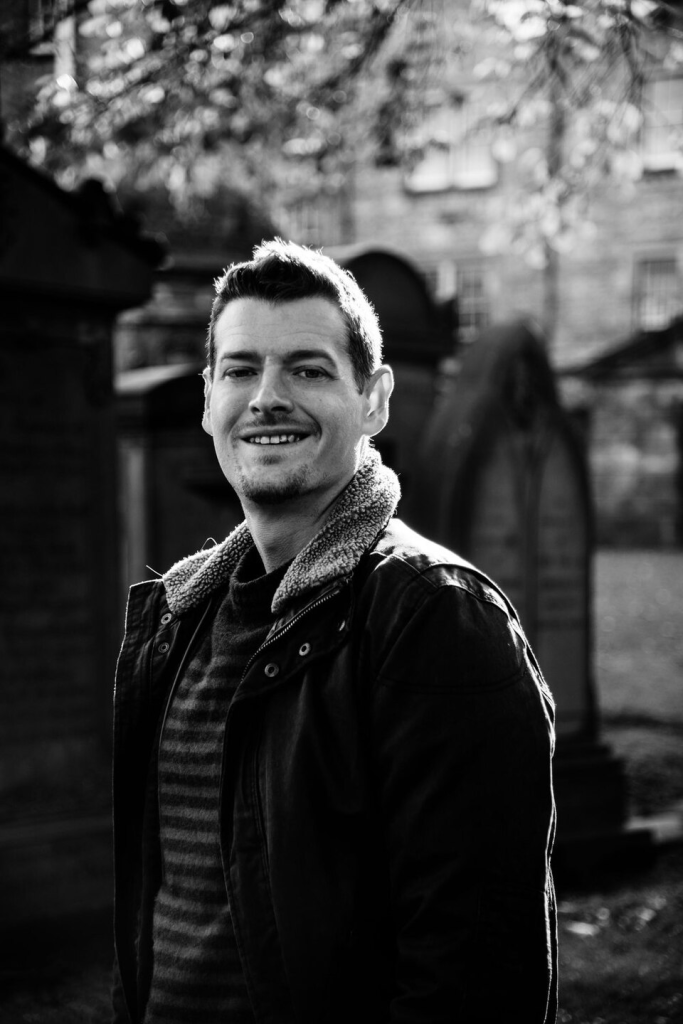
Binge is a writer who can do better, and has. Born in Singapore in 1990 and now lecturing in creative writing in Edinburgh, he came up through the speculative thriller, first Professor Everywhere and then Ascension, the mountain in the Pacific novel that Stephen King called old school creepy and that carried him onto the bestseller lists, and then Dissolution, in which a woman climbs down into the failing memory of her dying husband to find the people they used to be. Which is to say a book about loneliness and the erasure of the ones we love. Which is to say the same wound Abyss is worrying from a different side. Memory and isolation and the slow theft of a life are his country and he keeps returning to them. There is a detail here no honest account should leave on the floor. His grandfather was Ronald Binge, who in 1963 wrote Sailing By, the lilting repetitive woodwind waltz that has lulled Britain toward sleep before the late Shipping Forecast for half a century. In Abyss a soft piping music drifts through the corridors and empties the mind of anyone who stops to listen, and the one warm memory the young man keeps is his mother’s kitchen with the Shipping Forecast playing low. Whether the grandson did this on purpose the book does not say. It sits there in the marrow of the thing regardless. A lullaby turned into a lure. It is the most haunting idea in the novella and Binge walks right past it.
Because the back half wants to be a louder book. The liminal goes literal. The redacted corridors give way to a creature with more tentacles than a man can count and a cosmic maw and a bloodline that will not age and a gun the young man has no idea how to fire, and the eerie precision that made the empty office unbearable curdles into a chase. The body horror lands when it arrives, and it arrives hard, a man at his work with a red mouth, and it is difficult to read in the way it wants to be. But it belongs to a cruder machine than the one Binge built upstairs. He keeps the architecture interesting, splicing the descent with timestamped interludes that pay off late, and he keeps the sentences moving. He cannot keep the two halves from pulling against each other until the seam goes white.
What Abyss is reaching for, underneath the tentacles and the Marx and the flipchart, is older than its premise and bigger than its plot. It is the suspicion that the modern shape of a life, the convenience and the feed and the friendly software and the work that has no end, is itself a slow form of being eaten, that something is consuming us and calling it productivity, and that we are the ones signing for the delivery. That is a real and terrible idea. Binge has felt it in his marrow. He just keeps telling you he has felt it instead of letting you feel it beside him.
There is a building in Canary Wharf that does not want anyone in it. Binge knew exactly what was wrong with that building. The shame of the book is how often he stepped out into the corridor to explain it.

Abyss by Nicholas Binge,
published May 12, 2026 by Nightfire.




Leave a Reply