




TL;DR: A nervy, specific feminist folk horror about the price of rescue. Amy Jane Stewart writes a sanctuary that is also a snare, a maternal hand that is also an inventory, a bird-woman transformation that refuses to settle for metaphor. Uneven at the sentence level, unmistakable in nerve. Stewart knows where dread lives. A debut with claws.

Haina calls them angels.
She runs the house. She drinks espresso while the other women eat. She places a hand on the small of Elly’s back the first time they meet, and Elly thinks: she sees me. Maybe I don’t have to explain.
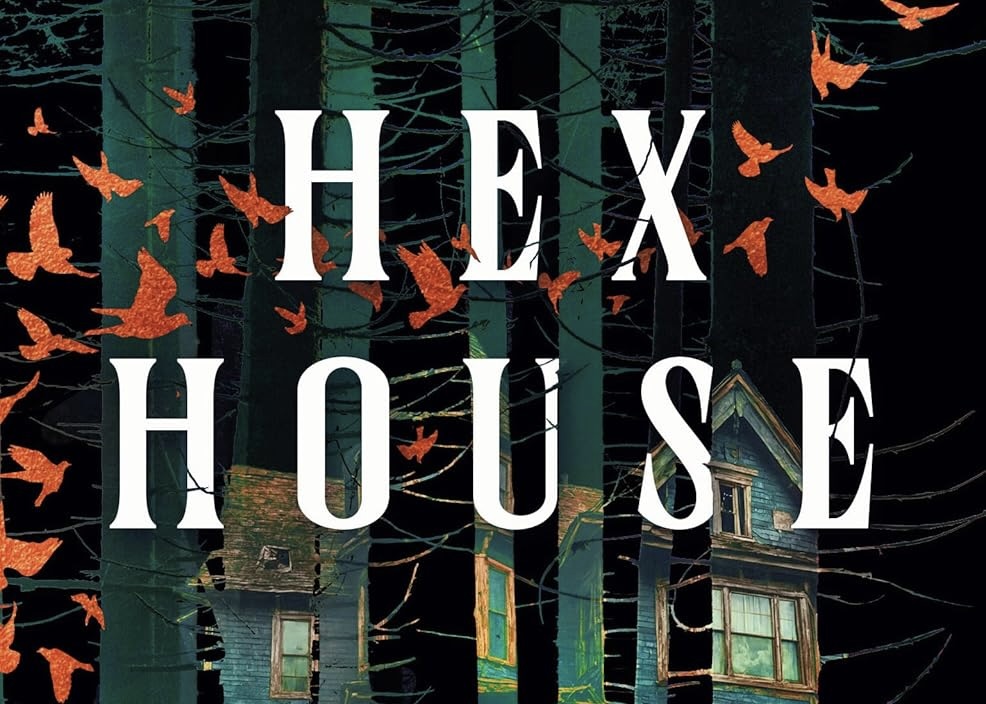
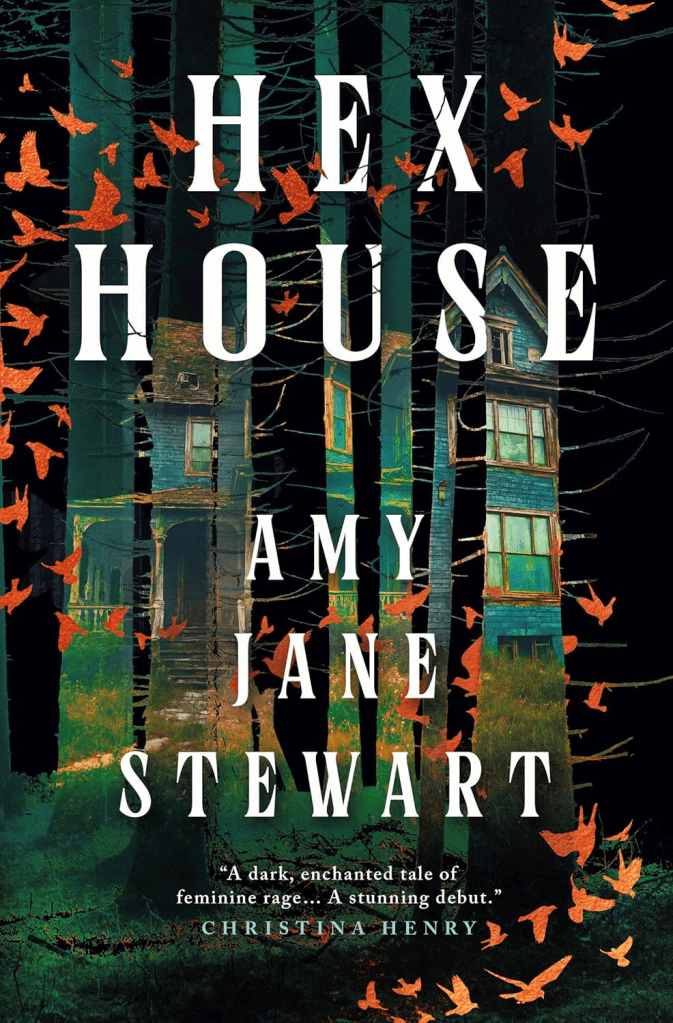
It is the move Amy Jane Stewart‘s debut wants to make, over and over: the maternal hand that is also an inventory, the welcome that is also recruitment. Hex House is a sanctuary in the woods that finds women who need it. Specifically, women whose husbands have started to leave bruises. Specifically, women who have learned that complaining gets them hurt worse. The house feeds them. The house teaches them to access their hex, which is a kind of revenge form: claws, beak, wings. The house asks for something in return.
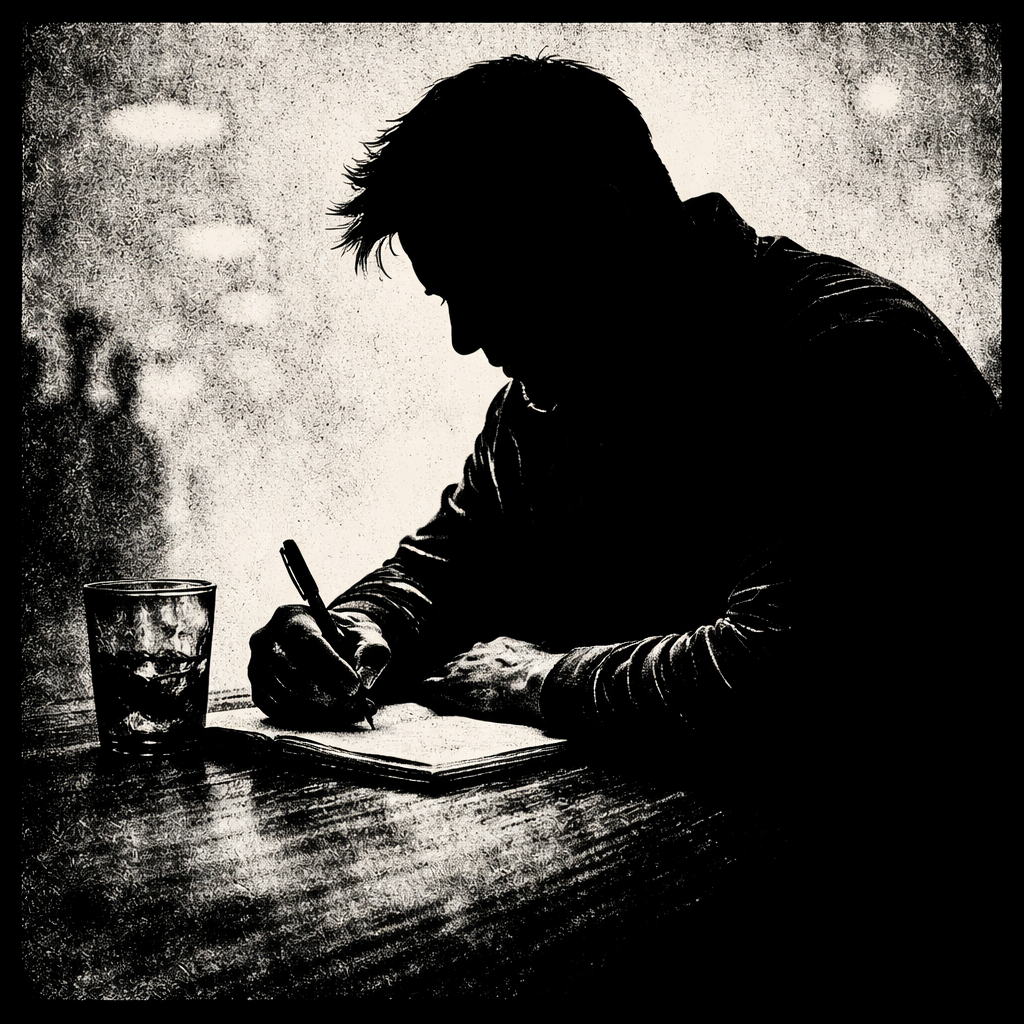
The structure is a dual timeline. Elly is the THEN. Pregnant, still in her wedding dress, she runs from a husband (Ethan, charcoal suit, charming, the kind of man who tells you to stay) and finds the house in the trees. Siobhan is the NOW. Four years ago she made a documentary at Hex House with her brother Theo. Whatever happened there has left her scarred (literally, a thing on her stomach that will not close). She drinks. She works at a vintage cinema called the Showroom. She runs into her former film professor (Owen, Jaws T-shirt, blazer, the kind of man who undoes a button when told to) and starts a private experiment in cruelty.
The Owen sections are the surprise. A man whose entire personality is the performance of not being That Guy. He invokes consent in the same breath as he watches a former student finish a bottle of wine, alone, at the cinema. Siobhan, who knows what she is doing, conducts a small private trial of him. The reader watches both of them know what is happening and pretend they do not. Owen is the most accurate creation in the book: more recognizable than Ethan, who reads as a checklist of red flags, and more disturbing because he believes his own press.

Stewart is from the Scottish Borders. Her PhD at Sheffield, per her author site and the Titan publicity copy, concerns the figure of the winged woman: angels, circus artists, the transgressive flying figure in literature. Hex House is in conversation with that material in a way that is more than thematic. The transformation scenes commit. When a woman called Lakshmi opens her wings in the middle of the garden, the camera (Theo’s camera, Siobhan’s gaze, the reader’s) does not turn away. The women have been making themselves smaller for so long that the unfolding registers as both monstrous and obvious. Of course they have wings under there. Where else would the rage have gone.
The prose is the variable. Stewart reaches at the sentence level. A heart is a startled creature. A face is split in two. The lack of a house lives in a person’s bones. The metaphors arrive in clusters, and not all of them survive proximity to the others. There is a habit of reaching for the simile when the noun would do, and of layering two when one would land harder. The book is most effective in its plainer registers: a woman in a bathroom, fingers under cold water, watching another woman cry without explanation. A jar of honey at breakfast. A pork rib licked clean. The flat thing.
There are pacing issues. The Siobhan and Owen plot, fascinating as it is, swells into something close to its own novella, and the book has to work to braid it back in. The middle section at the house slows in a way that flatters no one. The mythology, when it finally begins to be explained, is explained more than it is shown. Haina, who is the book’s gravitational center, gives speeches in her last act that the earlier book did not need her to give.

Still. The book has nerve. It has a specific argument about what abused women learn, and how they learn it, and what they do with the lesson once it has finished being delivered. It does not shy from the fact that the mother who saves you is also the mother who can choose to unsave you. It is honest about the appeal of Hex House (the appeal is that someone finally believed you) and honest about the cost (someone is always charging interest). It refuses to let its bird-women be a metaphor only. They are the metaphor and they are also bones, talons, claws on hardwood, the smell of rot underneath the floorboards.
A debut. A real one. Stewart’s instincts are stronger than her sentences yet, but the instincts are very good. She knows where dread lives. She knows that a hand on the back of the neck can be a kindness or an inventory, and that the women being touched do not always know which one it is. She knows that the house is hungry and she trusts you to figure out what that means.
(It means the same thing it has always meant.)