Eighty-six books. We read eighty-six horror books in three months. That’s a confession, not a brag. That’s the kind of number you say out loud to your therapist and watch their pen slow down while their face stays very professional and neutral. Some of those books were bad. Some were fine in the way that lukewarm soup is fine, technically food, technically warm, something a person could consume and continue living. A few were actively insulting. One made us put the book down and go stare at the ceiling for twenty minutes and then pick it back up, because we are who we are and this is what we do.
But then there were these. Twenty-four books and comics that did something to us. That got under the skin and set up camp. That made us feel genuinely unsafe, or genuinely moved, or genuinely furious in that specific way where you’re furious at the book for being so good and ending. This is Q1 2026’s recommendations (including seven Sinister Selections), presented with love, with mild trauma, and with the deeply held conviction that horror fiction is doing some of the most interesting work happening in literature right now. We read eighty-six books to find these. You’re welcome. Please go outside after this.
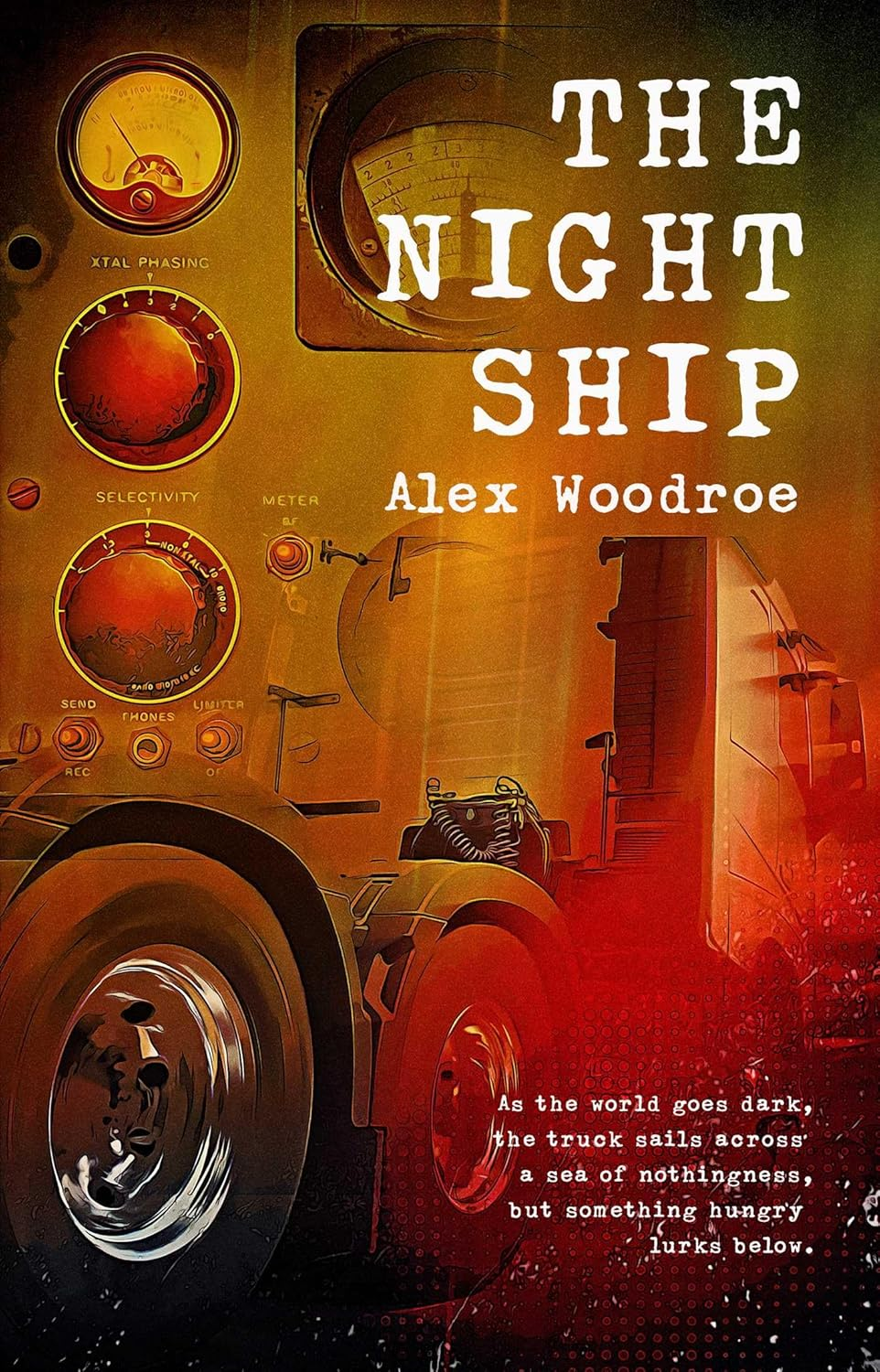
The Night Ship by Alex Woodrow (Flame Tree)
Apocalyptic cosmic horror set in late-Communist Romania, where a smuggler’s truck becomes a lifeboat crawling through infinite black while the radio spits transmissions that weaponize the language of safety and control. Woodroe makes contamination feel political, makes the predator feel almost merciful, and makes you feel something for the thing eating the world. The scariest moments involve following instructions. Government agencies hate her. Vivid as hell and it sticks. (Full Review)



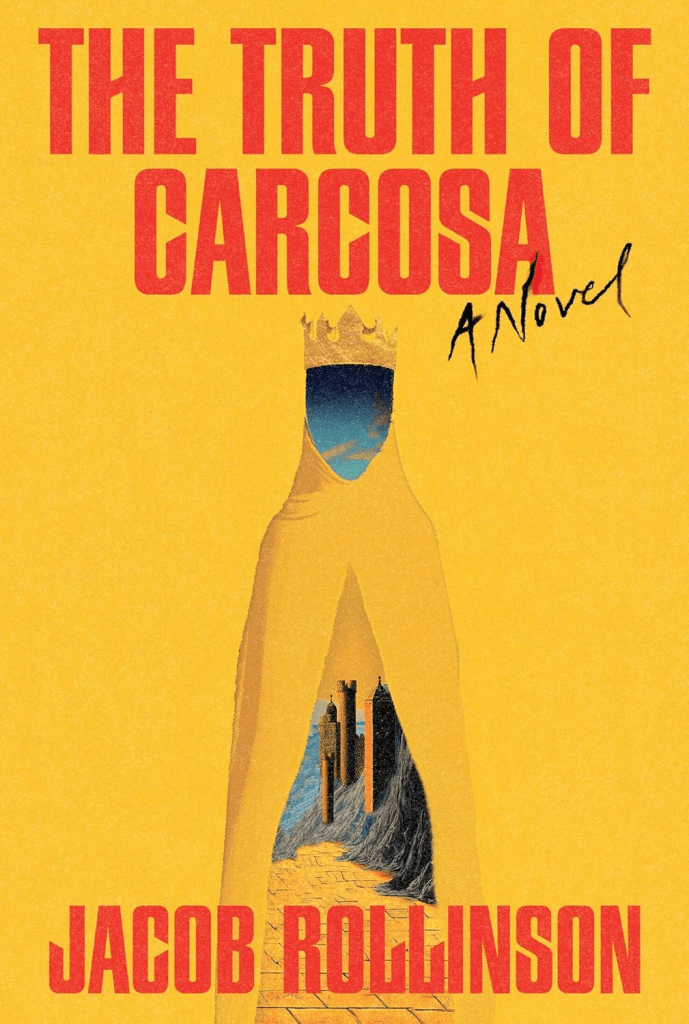
The Truth of Carcosa by Jacob Rollinson (Union Square)
King in Yellow horror refracted through bureaucratic collapse, suppressed manuscripts, and the deeply cursed idea that loneliness is baked into language itself. Rollinson turns archives into weapons, institutions into predators, and “True Communication” into the most dangerous drug imaginable — not gothic flourish, but relapse logic at the edge of a bad night. The cosmic horror isn’t the monster. It’s the paperwork. Spooky little paperwork pervert. Absolutely meant as a compliment. (Full Review)




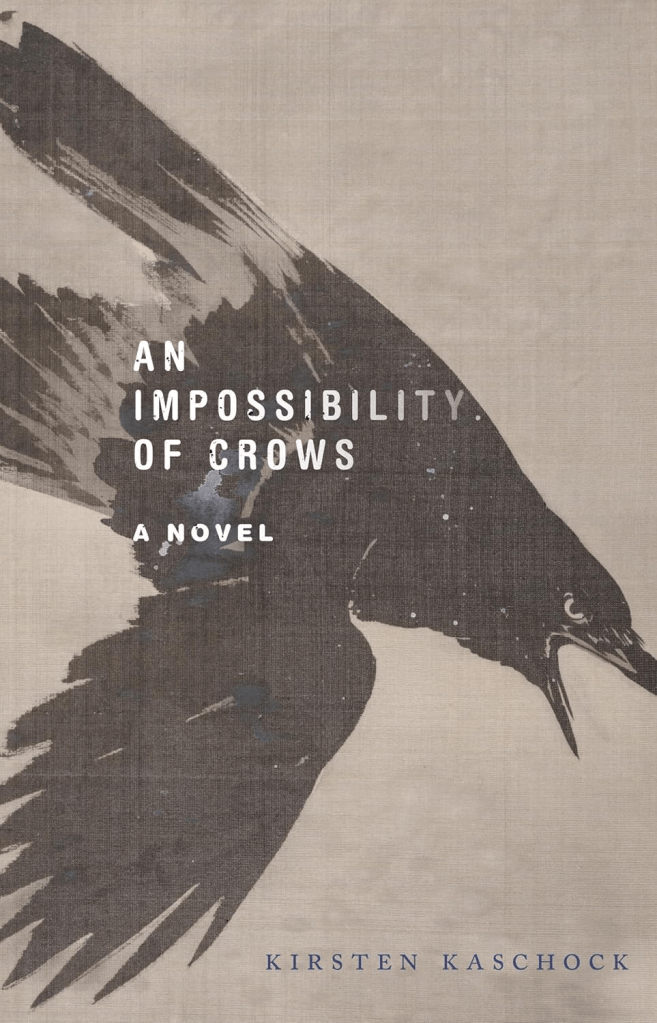
An Impossibility of Crows by Kirsten Kaschock (University of Massachusetts)
A poet-engineered horror machine about a woman raising a horse-sized crow as a gift for her daughter, because grief does things to your judgment. Kaschock makes mimicry the monster, not the talons, not the barn, not the family rot, but the terrifying moment a creature starts writing back. Gothic domestic dread where the creature feature is also a family argument. Language as weapon. Motherhood as closed system. Absolutely rules. (Full Review)


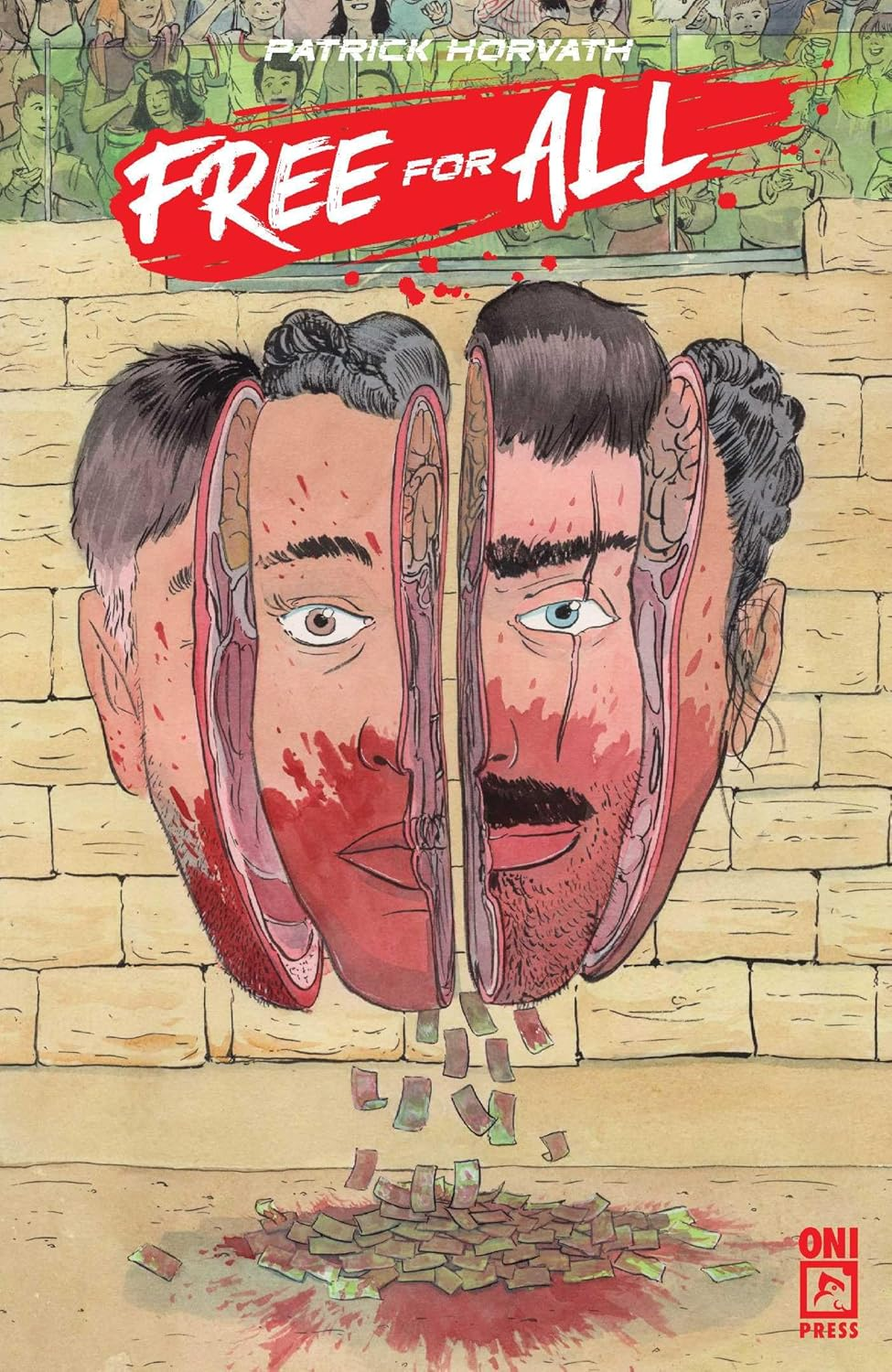
Free for All by Patrick Horvath (Oni)
Dystopian horror in clean pastels and crisp lines, where televised gladiatorial combat is just a Tuesday and the crowd is the real monster. Horvath stages brutality like a game show, weaponizes the page turn, and makes you feel complicit for leaning in, all without a single chaotic splash page. The horror is the scheduling. The horror is the metrics. The horror is that everyone has really good branding. Glossy brochure. Blood under the laminate. (Full Review)
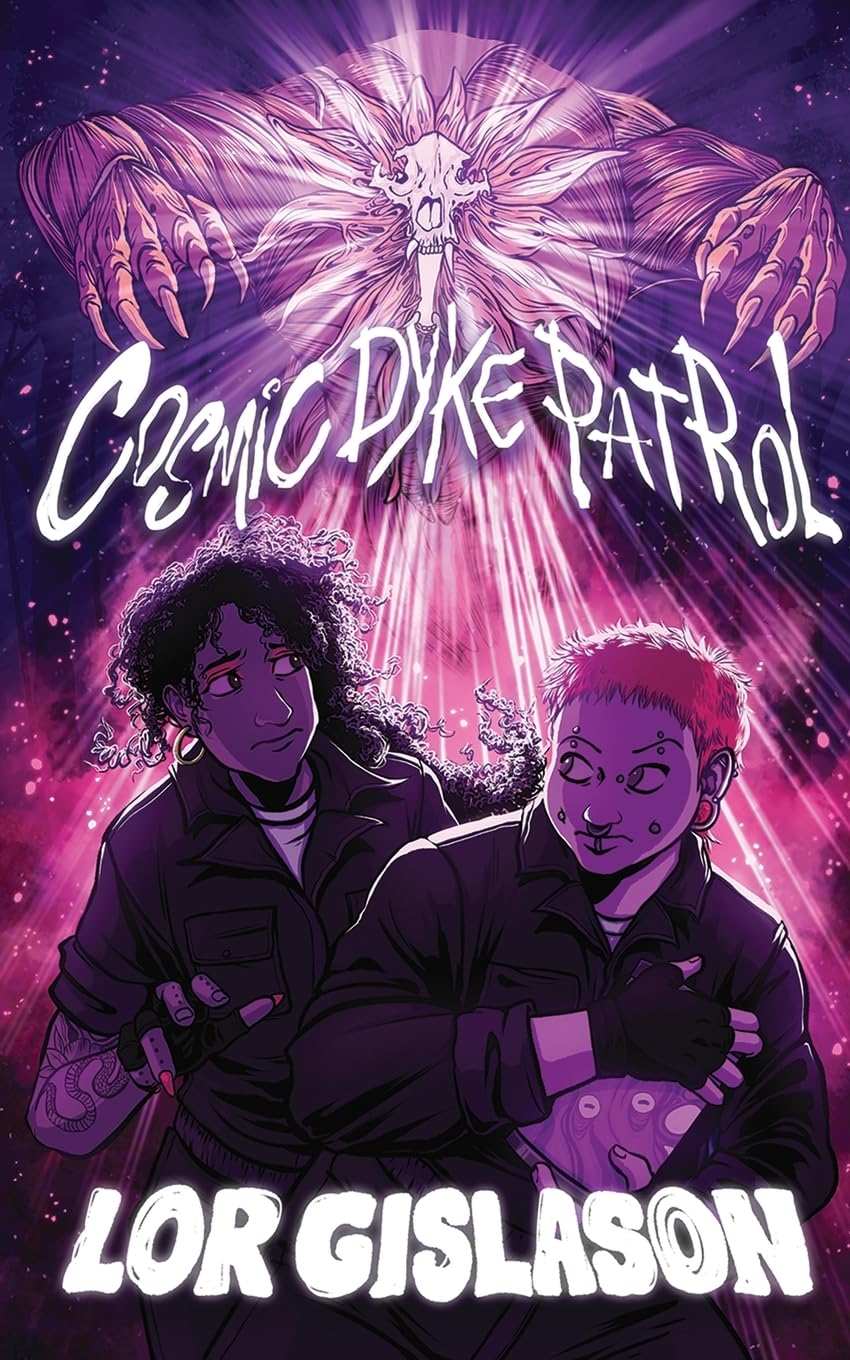
Cosmic Dyke Patrol by Lor Gislason (Ghoulish)
Queer romantic body horror about two punky women who run an eldritch pest control service, which is exactly as horny, heartfelt, and goopy as that sounds. Gislason makes symbiosis feel like intimacy and intimacy feel like invasion, then somehow lands tender. The creature has personhood. The goo has feelings. The laundry room has a portal. This book is unashamedly everything it says on the tin, and the tin rules. (Full Review)


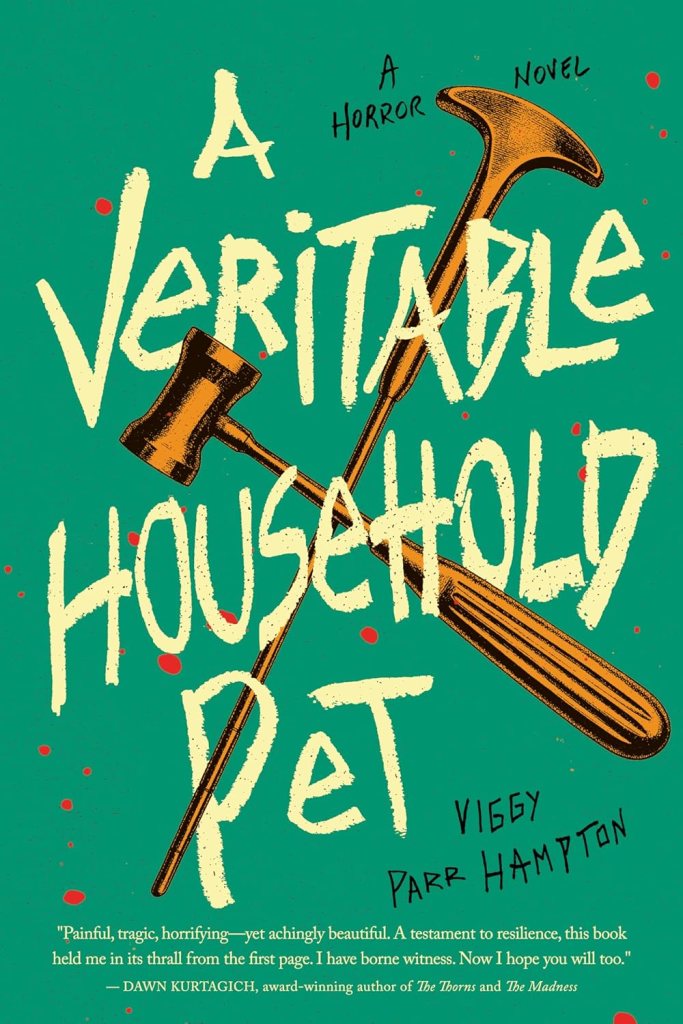
A Veritable Household Pet by Viggy Parr Hampton (Horror Humor Hunger)
Slow-burn medical horror about a girl with severe emetophobia who gets fed into mid-century psychiatry’s meat grinder and comes out the other side as everyone’s convenient problem. Hampton structures it as a duet: Darla’s soft, looping self-minimization against her sister’s bracketed scalpel-commentary correcting the record in real time. The lobotomy is awful. The aftermath is worse. The real horror is how casually everyone decides she’s furniture. Sits in your gut like something you can’t throw up. (Full Review)


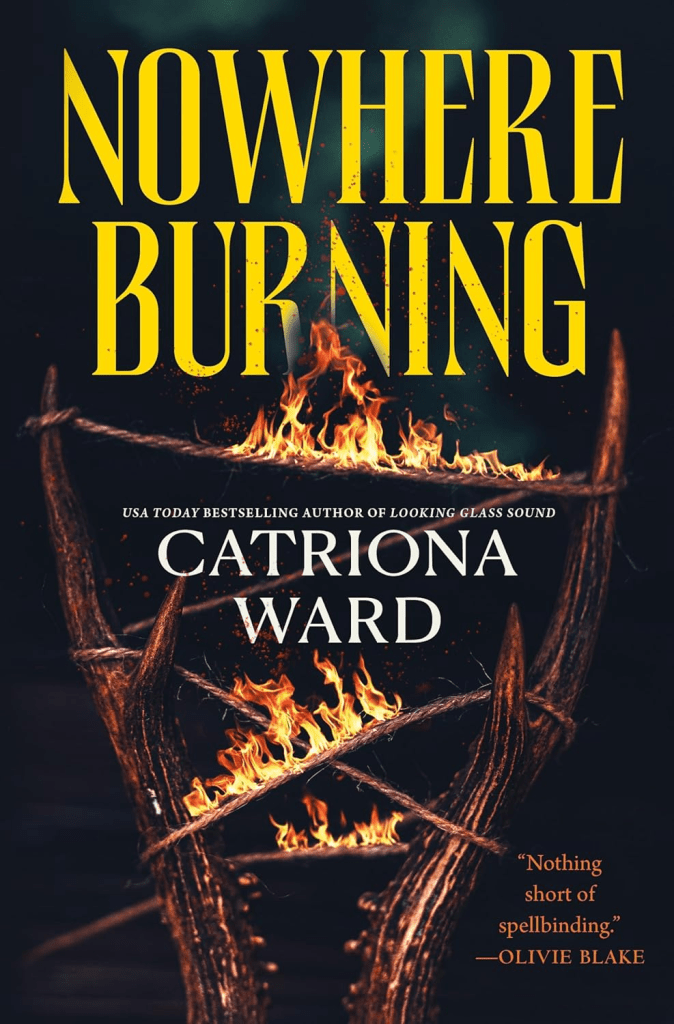
Nowhere Burning by Catriona Ward (Tor Nightfire)
Two abused siblings follow a hand-drawn map toward a hidden Rockies valley with a movie-star myth, a cult legend, and gates decorated with trophies nobody’s explaining. Meanwhile, a documentary crew discovers that chasing a story about human suffering is its own kind of predation. Ward runs both engines at full tilt: survival horror braided with mythmaking, tender and vicious in the same chapter. Nowhere wants your belief like a warm mouth wants breath. It gets it. (Full Review)


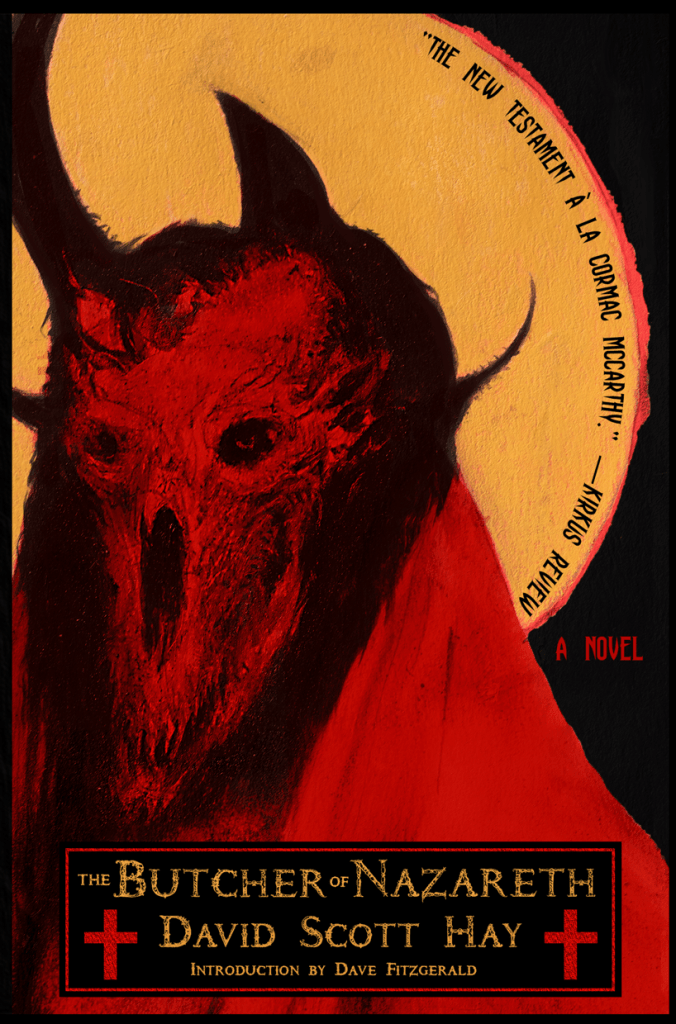
The Butcher of Nazareth by David Scott Hay (Whiskey Tit)
Biblical horror as contamination event: a grieving father conscripted into Herod’s infant slaughter decides Jesus must die before the religion’s future atrocities can metastasize, then walks across Judea toward that goal with an unnaturally large one-horned goat as his emotional support animal. Hay treats prophecy as infection, faith as a weaponized plague, and salvation as the most dangerous idea in human history. Nasty-poetic, proudly blasphemous, and absolutely not playing for prestige vibes. Read this motherfucker. (Full Review)
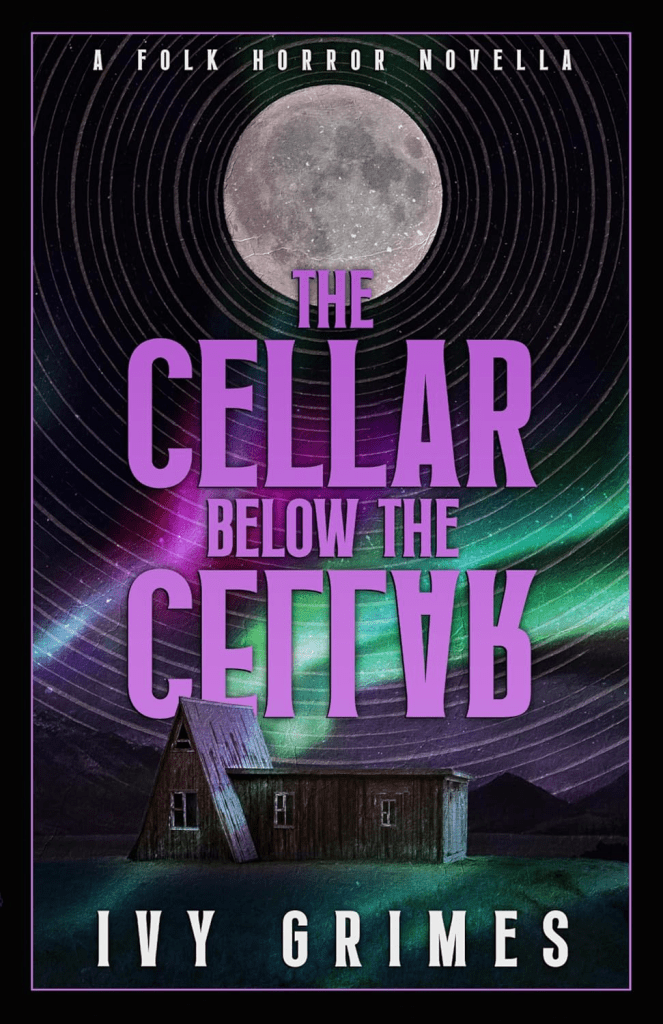
The Cellar Below the Cellar by Ivy Grimes (Violet Lichen)
Folk horror that tricks you into thinking it’s cozy (solar apocalypse, pickling vegetables, grandma’s house in the woods) then reveals grandma is a one-legged maybe-witch who tends a place where skeleton hands gently brush flesh from the dead. She wants Jane to take over. The Unraveling Place is beautiful more than frightening, which somehow makes it worse. (Full Review)


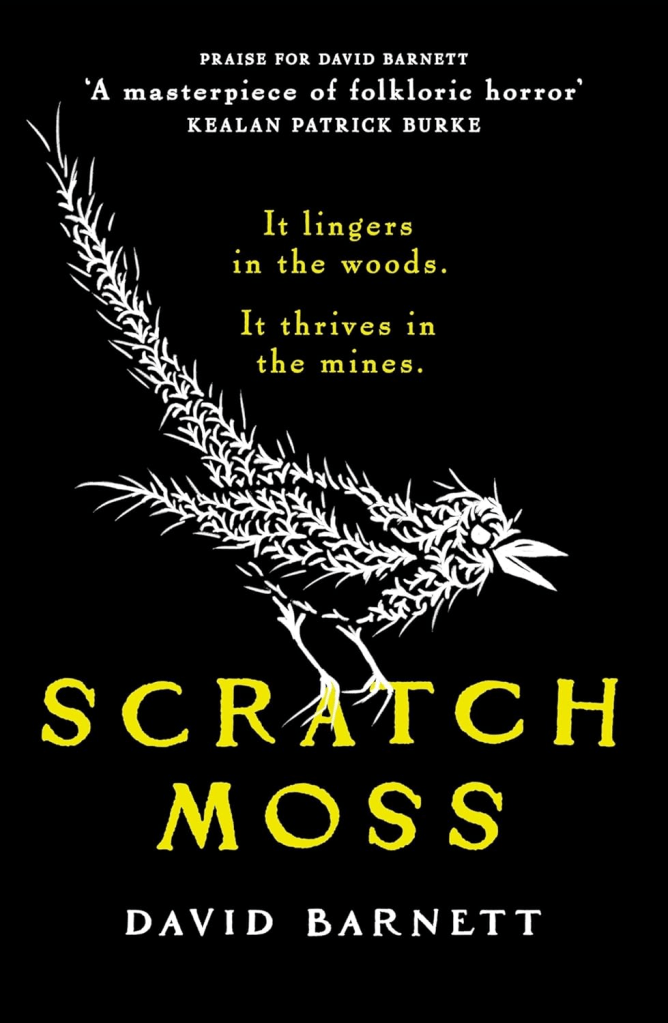
Scratch Moss by David Barnett (Canelo)
Industrial folk horror that rips the genre out of its rural comfort zone and buries it in a dying West Yorkshire coalfield. A washed-up novelist returns for his dad’s funeral and finds a town that other towns physically recoil from, a community with a long memory and something dormant under the earth that’s waking up hungry. Barnett writes working-class horror with genuine fury and coal dust under every fingernail. The neighbors are the worst part. (Full Review)

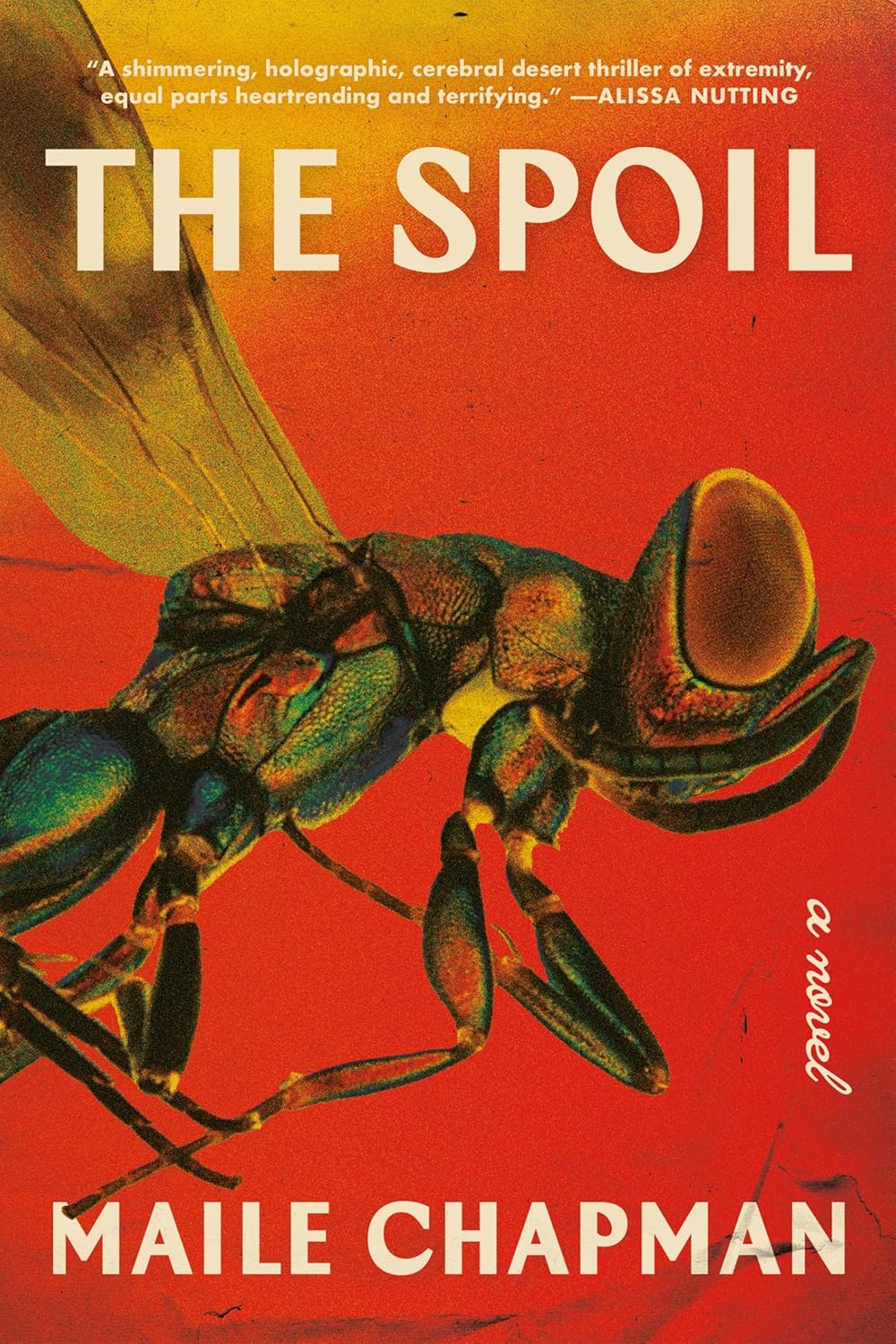
The Spoil by Maile Chapman (Graywolf)
A grief novel disguised as a demon story, or possibly the other way around. Chapman writes first-person like ADHD actually moves (associative, darting, pausing on objects with alarming intensity) and uses that to turn domestic accumulation into a pressure system. The aquariums. The vintage lamps. The stuff dead people leave behind. Four pages in, something in a root cellar cups a child’s heel and closes around her ankle. Shirley Jackson would recognize the frequency. (Full Review)

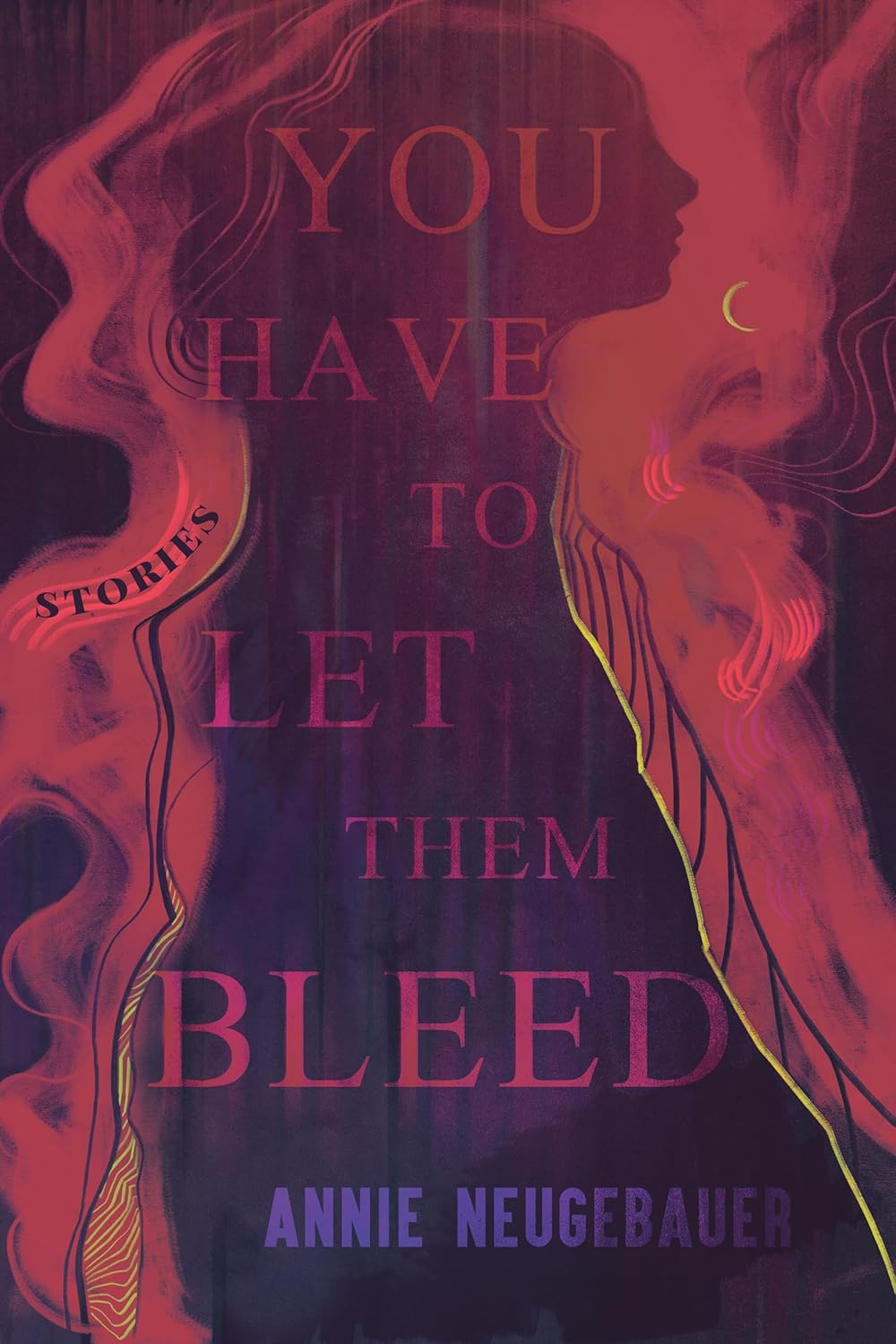
You Have to Let Them Bleed by Annie Neugebauer (Bad Hand)
Nineteen stories from someone who spent two decades getting good before asking anyone to notice, and it shows in every controlled, load-bearing sentence. Domestic horror that’s quiet and then all at once. Folk horror that withholds exactly the right thing. An entity that mimics wolves almost perfectly… almost. A kitchen junk drawer generating entropy until someone vomits shrapnel. Neugebauer writes like a scalpel disguised as a wooden spoon. You don’t feel the cut until you’re already bleeding. (Full Review)

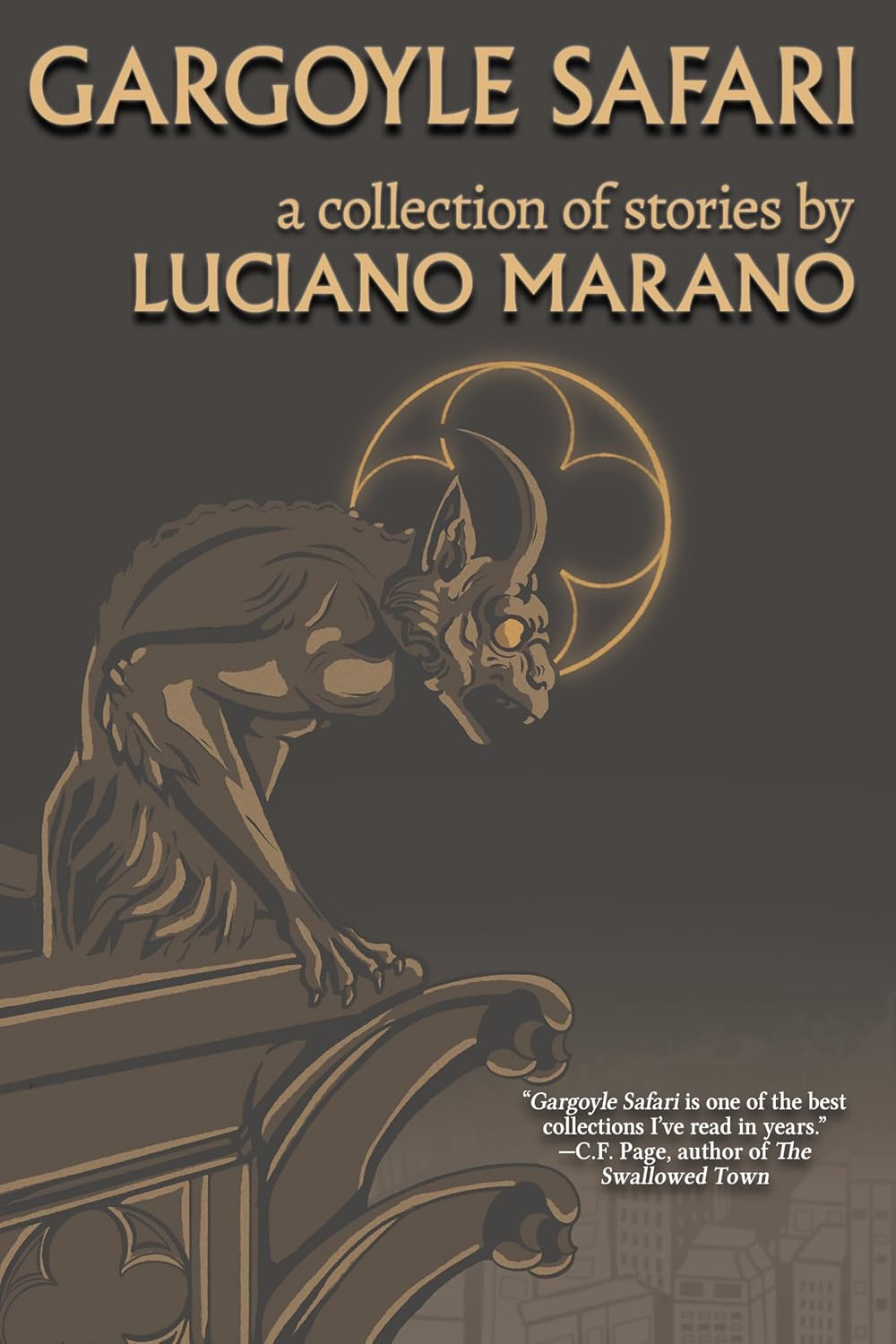
Gargoyle Safari by Luciano Marano (JournalStone)
Fourteen stories from a Navy vet turned journalist turned horror writer who refuses to pick a lane and is right not to. Social media horror. Splatterpunk queer road romance. A prose poem narrated by Hemingway’s shotgun. A woman with celluloid for guts who unspools when stabbed. Marano can make you cry over a dying criminal and gag at film-strip intestines in the same sitting. The ground is always giving way. Someone is always laughing. (Full Review)
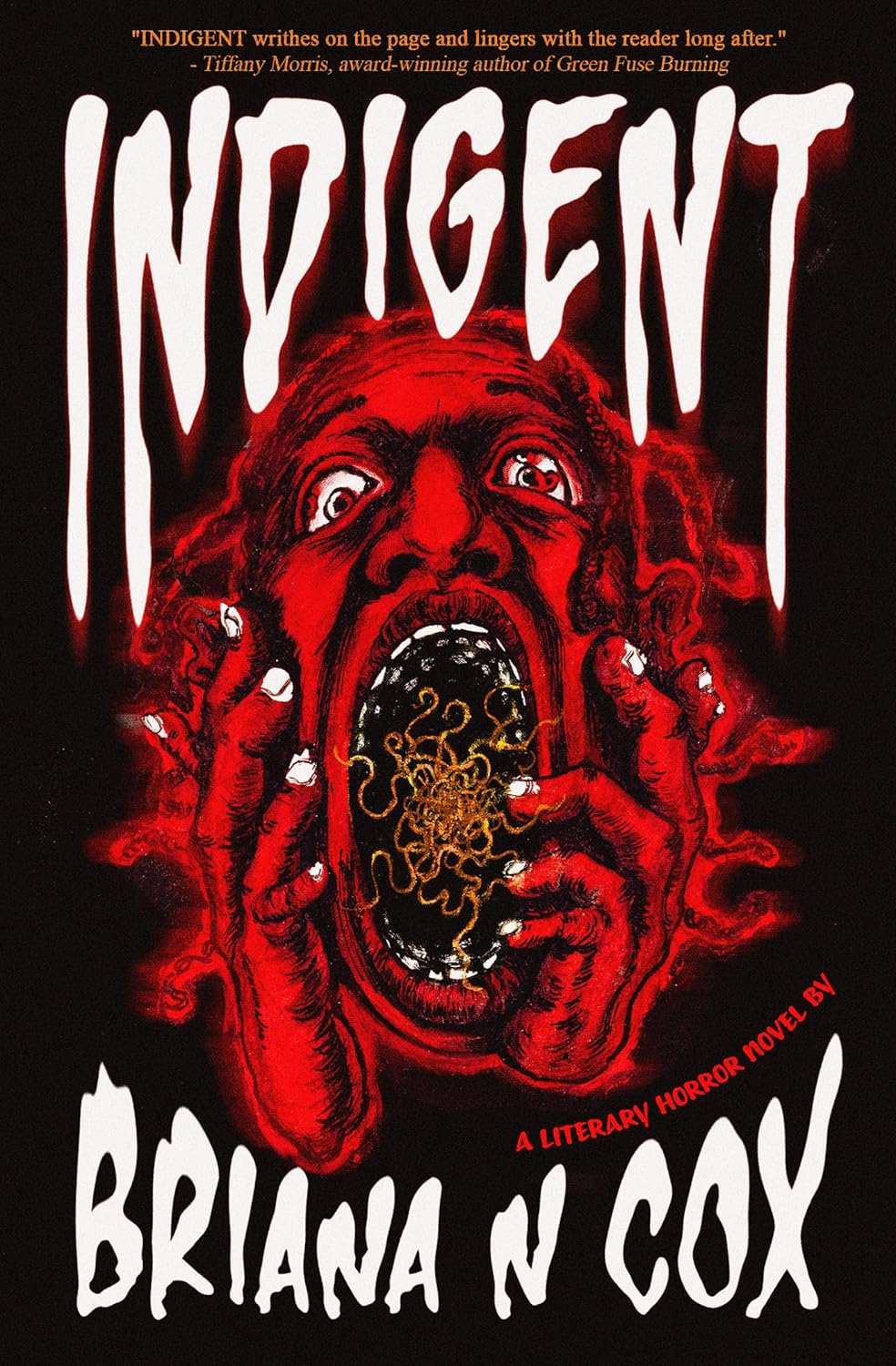
Indigent by Briana N. Cox
A parasite novel set in a crumbling Atlanta low-rise where tenants are disappearing, a dying girl’s blood gets in the maintenance man’s mouth, and something starts growing inside him with needs. Cox runs the parasite conceit on six levels simultaneously (biological, slumlord, medical debt, gentrification) and every one of them bites. The tenants are not parables… just people. That’s what makes it terrifying. Horror that earns every metaphor and then makes them bleed. (Full Review)

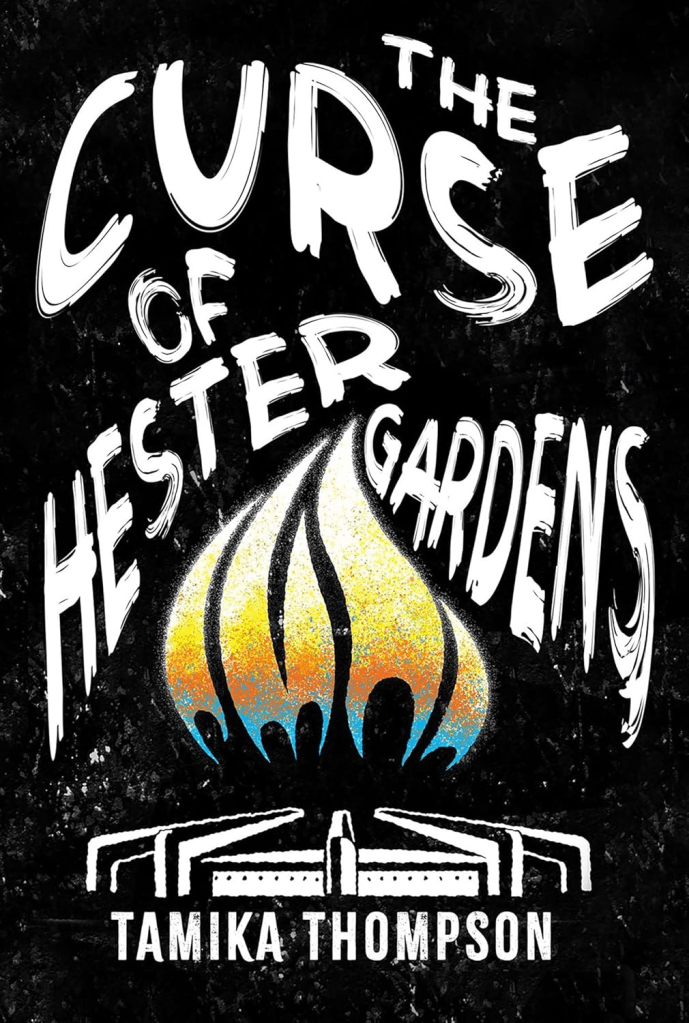
The Curse of Hester Gardens by Tamika Thompson (Erewhon)
The haunted house novel stripped of its gentility: no manor, no inheritance, just a public housing complex in Michigan where the murdered stay because America gave them nowhere else to go. Little Lonnie got hit by a stray bullet in the eighties and still kicks his ball around the complex. The younger gang members treat him like a neighborhood fixture. Thompson builds dread through accumulated recognizable misery until the recognizable and the uncanny become impossible to tell apart. (Full Review)

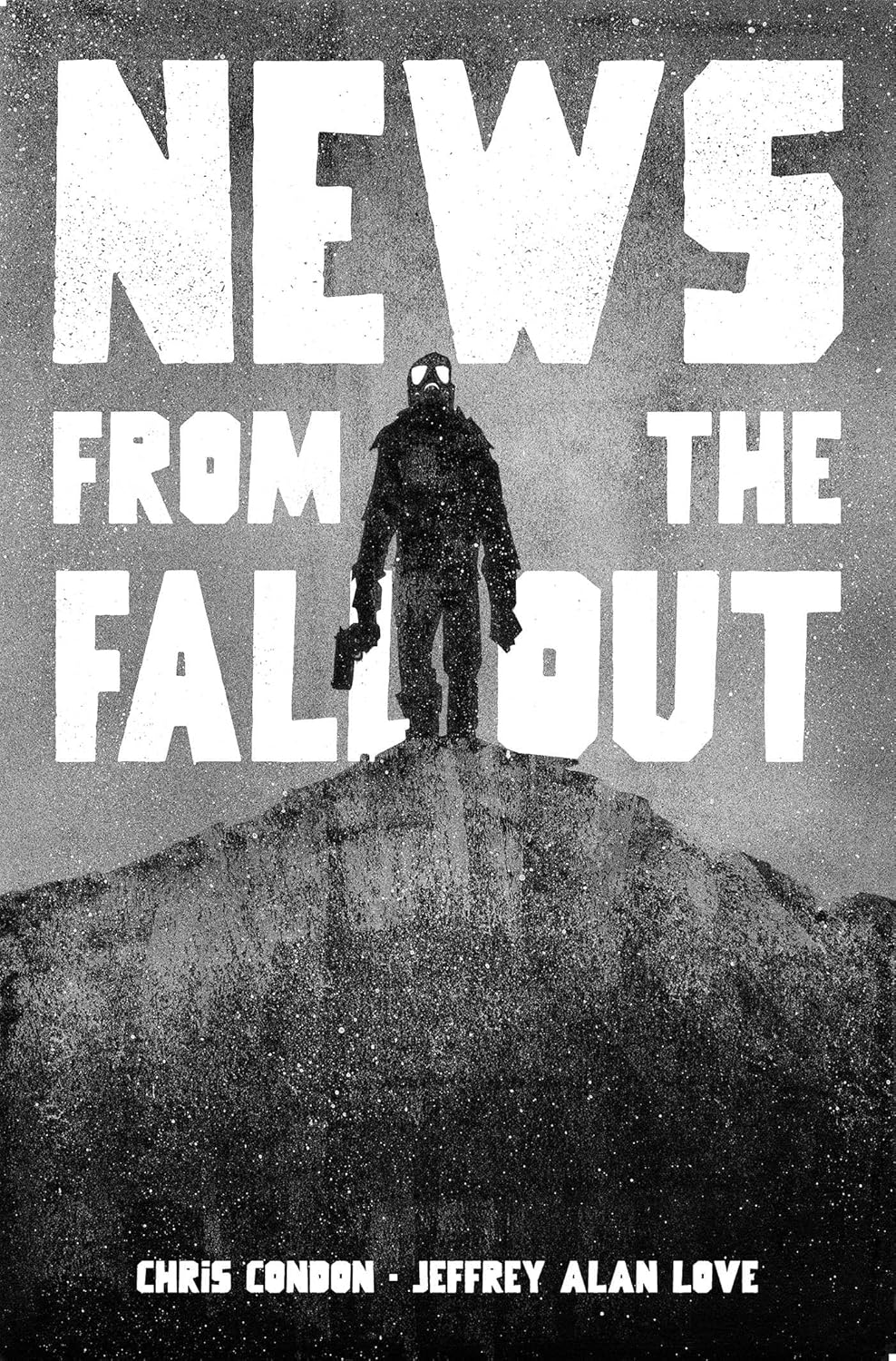
News from the Fallout by Chris Condon (Image)
Post-atomic horror that makes the Nevada desert feel like an accusation. Condon and Love open on a military test site, let the siren smear across the horizon like a curse you can hear through your teeth, and then use the page turn like a trap door. The fallout isn’t just weather. It’s a doorway. Silhouettes as terror, negative space as dread, and a sky so indifferent your “yes sir” sounds like a fart in a cathedral. (Full Review)
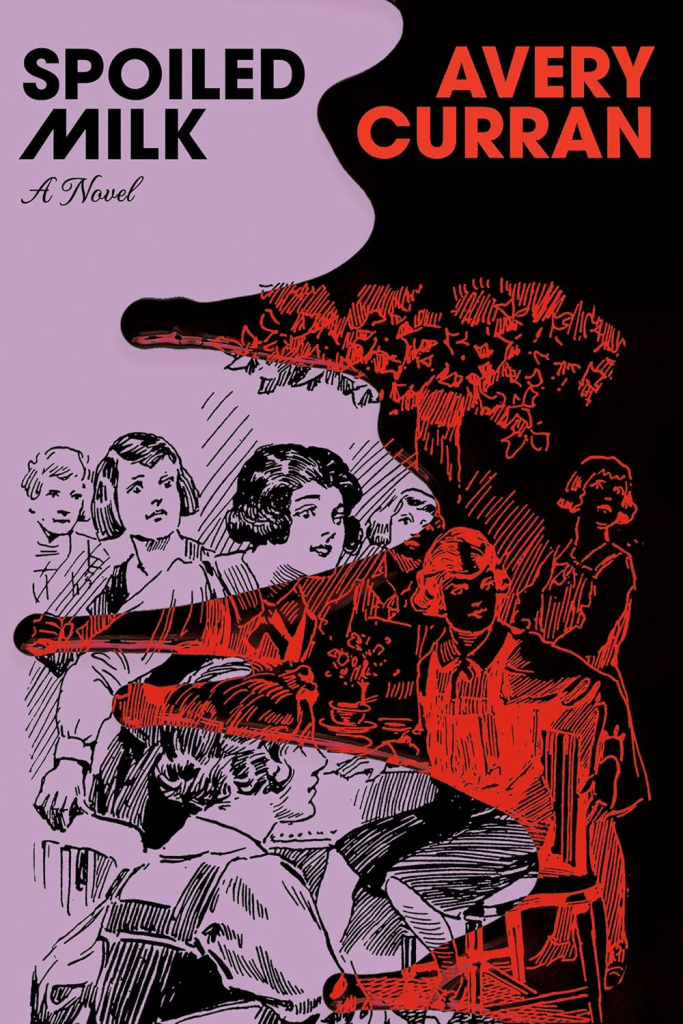
Spoiled Milk by Avery Curran (Doubleday)
Boarding school gothic with its teeth bared: 1928, an isolated English school built on Barbadian sugar money, a dead golden girl, and a narrator so convinced she knows who’s guilty that she can’t see what she actually feels. Curran makes the supernatural inseparable from the emotional. The séances don’t just go wrong, they go intimate and disgusting in exactly the right order. The school isn’t haunted from outside. It’s digesting itself. Rot was always the foundation. (Full Review)
Quarter 1, 2026 Sinister Selections
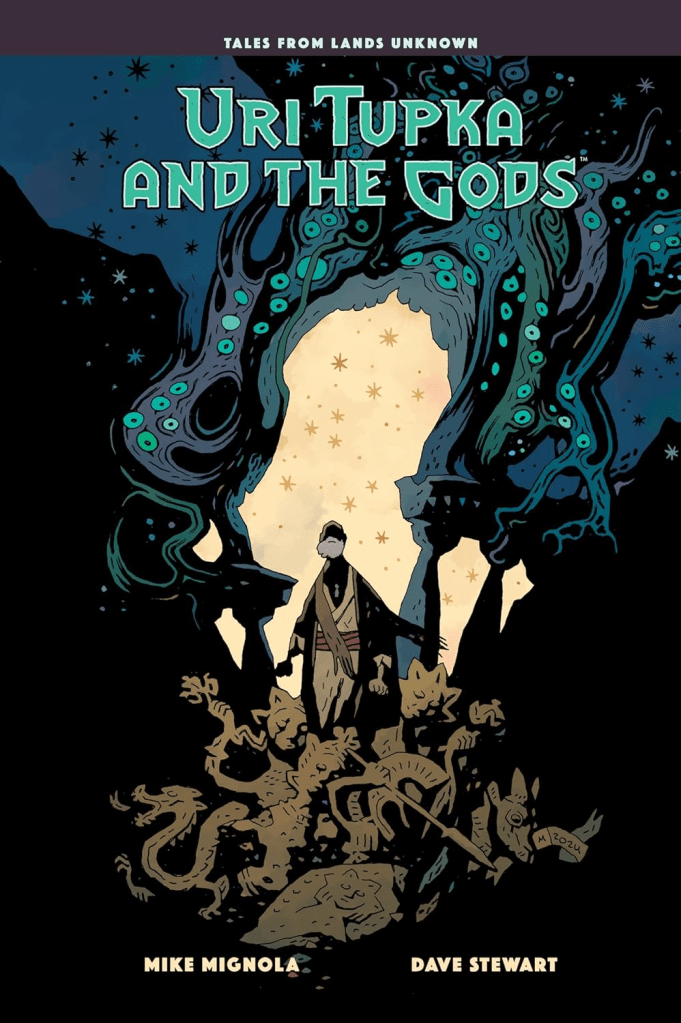

Uri Tupka and the Gods by Mike Mignola (Dark Horse)
A heretic on a pilgrim road in a world the gods appear to have abandoned, asking the kind of question that gets you stabbed, cursed, or recruited by lunatics and finding, mostly, all three. Mignola runs two grinding paths simultaneously: quest-story momentum and horror as punctuation, and he never lets either one win. You get wonder, then blood on the ground like a dropped flag. You get a calm conversational page, then eyes in the dark in a corner panel. That’s the whole move, and it works every time.
The staging is classic Mignola with stark silhouettes, fairytale geometry, negative space doing more emotional labor than most writers manage with full sentences. This isn’t Hellboy’s coat on a different body. Uri Tupka has its own mythology. The dread feels like weather. The violence is staged for impact, not indulgence. The gods are absent, and the absence is the scariest thing in the book. (Full Review)
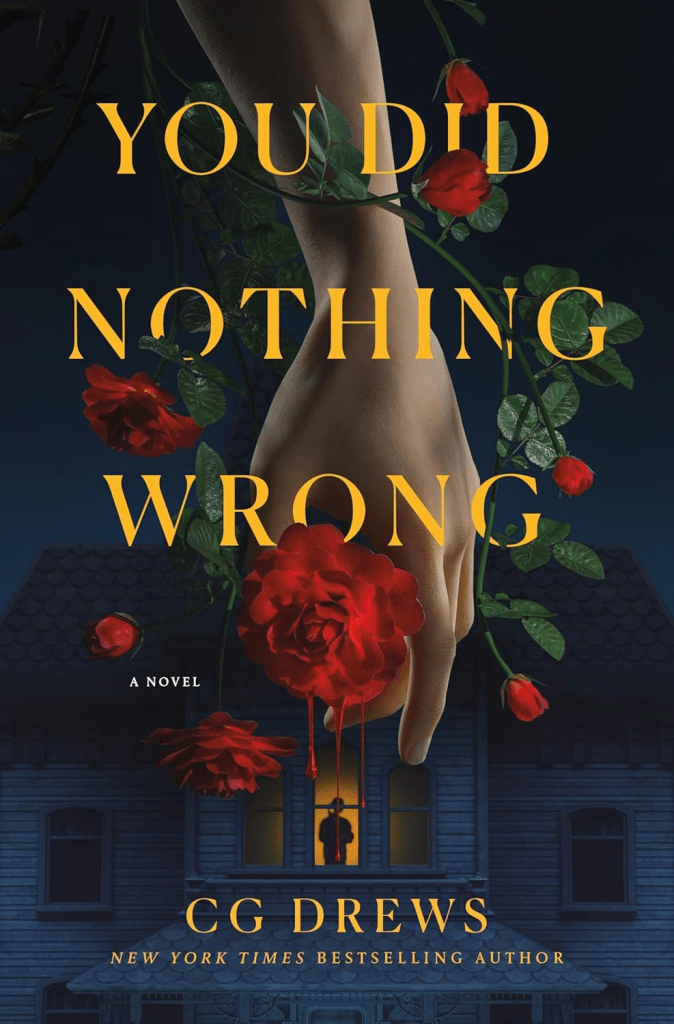
You Did Nothing Wrong by C.G. Drews (St. Martin’s)
Not our usual territory, and we’re recommending it anyway. Drews comes from YA, this is their adult debut, and BWAF doesn’t do YA. But this book operates with a latitude their prior work never had: in body horror, in moral darkness, in the willingness to sit inside a protagonist who does genuinely terrible things without ever offering the reader an emergency exit.
Elodie is twenty-two, newly arrived in a Virginia Victorian with a husband she adores and a six-year-old son she loves the way a black hole loves light. Jude is unmistakably autistic. Elodie has made sure no professional has ever been allowed to say so. Her protection of him is real. Her need to control him is also real. Drews refuses to let those two things cancel each other out, and that refusal is where the book does its most serious work. (Full Review)
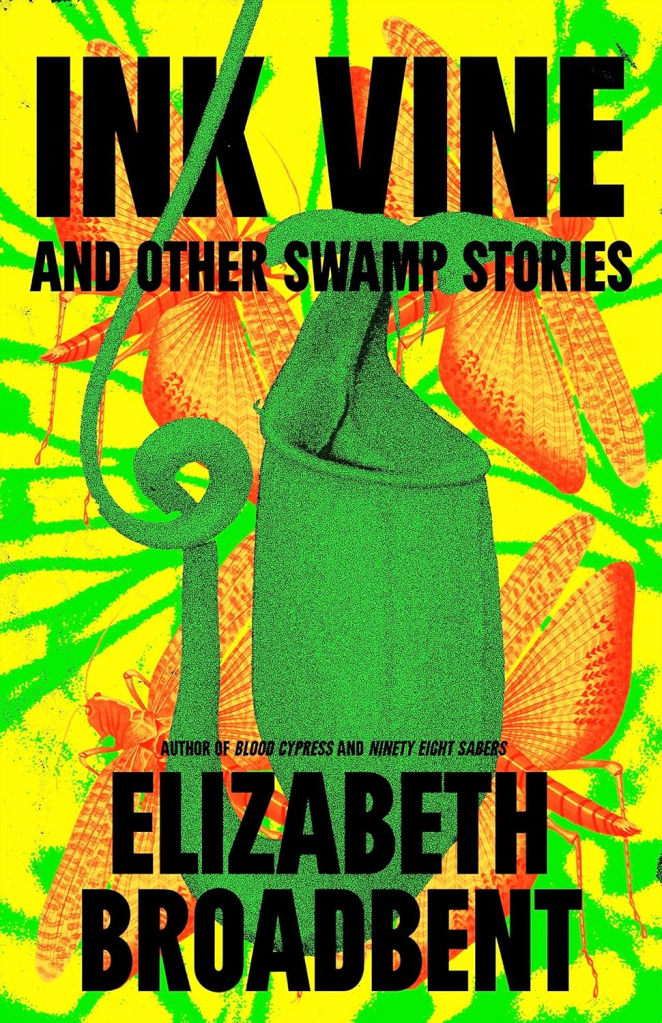
Ink Vine and Other Swamp Stories by Elizabeth Broadbent (Undertaker)
Full disclosure: Broadbent’s novella Blood Cypress was one of our favorite horror books of 2025, so we are not neutral parties here. We are also not wrong.
This collection is humid, mean, and gorgeous, like the swamp itself grew a mouth and started telling bedtime stories with a grin full of fucking teeth. The shorter pieces are quick, nasty parables about women boxed in by men, churches, town gossip, and the ugly little rules people pretend are natural law. The horror gets personal, then bodily, then spiritual, then irreversible.
The centerpiece novella “Ink Vine” is the one that levels her up. A broke woman working nights at a strip club meets something braided into the swamp itself, and the story becomes a romance, a haunting, and a transformation all at once. “You’re not gonna tell me who I am.” She means it. So does the swamp. (Full Review)
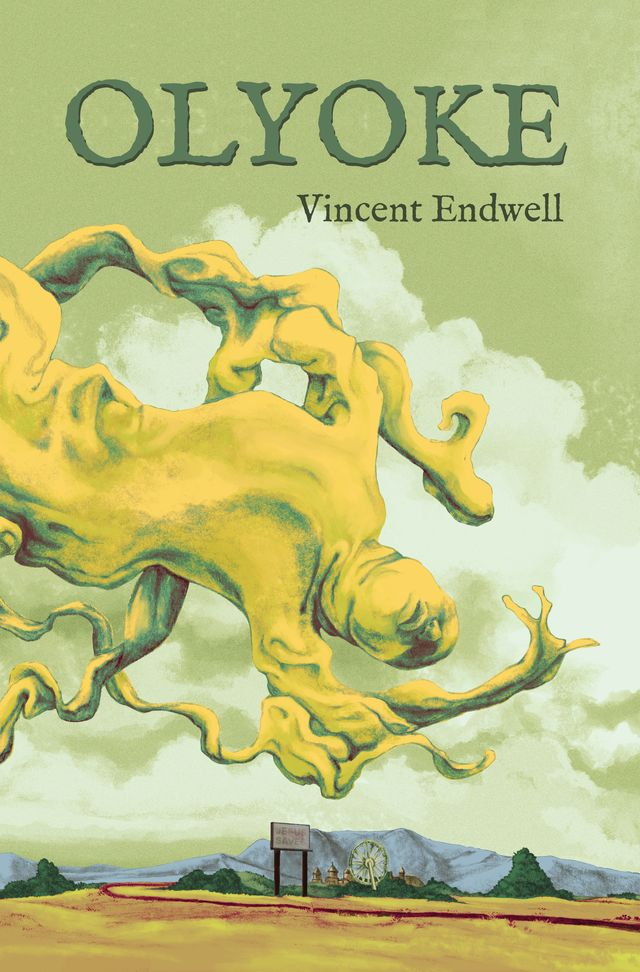
Olyoke by Vincent Endwell (Tenebrous)
Calling this “a novel” is accurate in the way calling a haunted mall “a building” is accurate. It’s a mosaic: recovered documents, online threads, podcast transcripts, stage directions, and contemporary dread assembled into a town-sized mythology about preservation, spectacle, and the slow approach of something hot and holy and wrong.
Olyoke, Tennessee presses up against marshland and tourist machinery, where people keep trying to preserve things that should not be preserved, and belief systems behave like infections. Endwell keeps changing the delivery method without losing the internal chemistry. Scripture from a lunatic theology department, then intimate body-horror, then a true crime podcast that collapses into a cursed play and then suddenly you’re in the play and the play is in you.
The question the book leaves you with: is Olyoke a place, a machine, or a hungry story that found a town to wear? (Full Review)
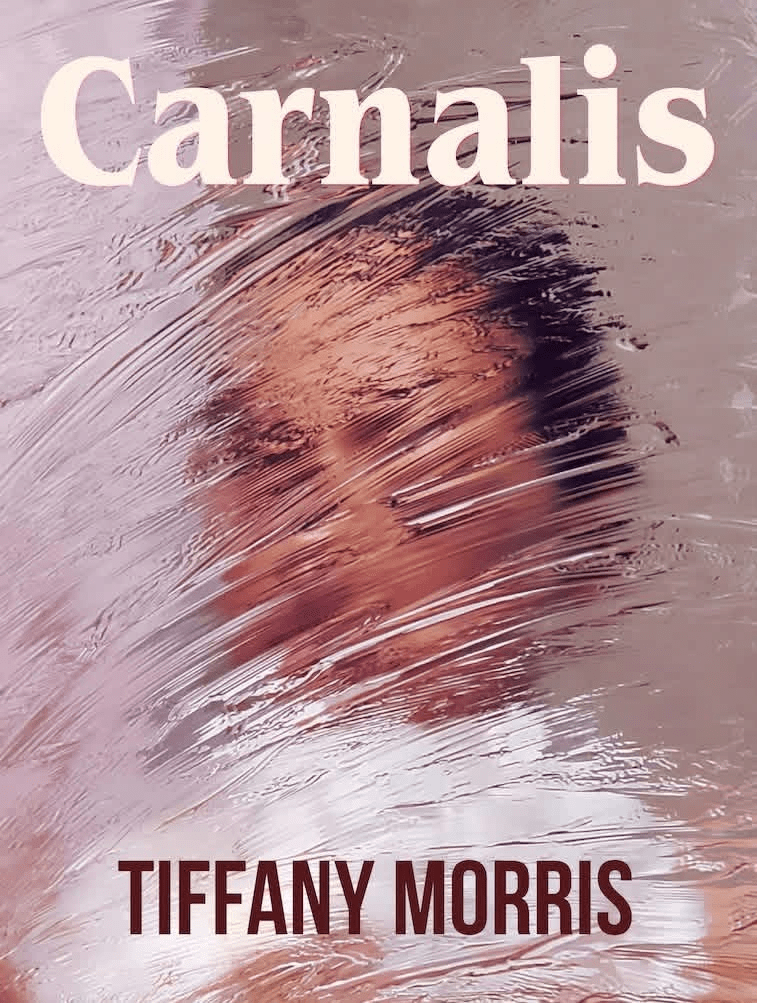

Carnalis by Tiffany Morris (Nictitating)
Every chapter is named after a part of the tongue. That should tell you something. Carnalis is obsessed with the mouth, with what goes in and what comes out: language, lies, desire, and meat. Especially meat.
Lauren is a wealthy, surgically perfected Toronto woman who volunteers at a food co-op, plans a podcast about culinary traditions, cooks elaborate dinners, and sources human flesh from a shadowy operation where desperate people volunteer their bodies in exchange for brief comfort before slaughter. Morris locks you inside Lauren’s skull with such airtight precision that you start feeling complicit. There’s no narrative safety net telling you this woman is a monster. You just feel it accumulating, sentence by sentence, in the gap between what she says and what she thinks. (Full Review)
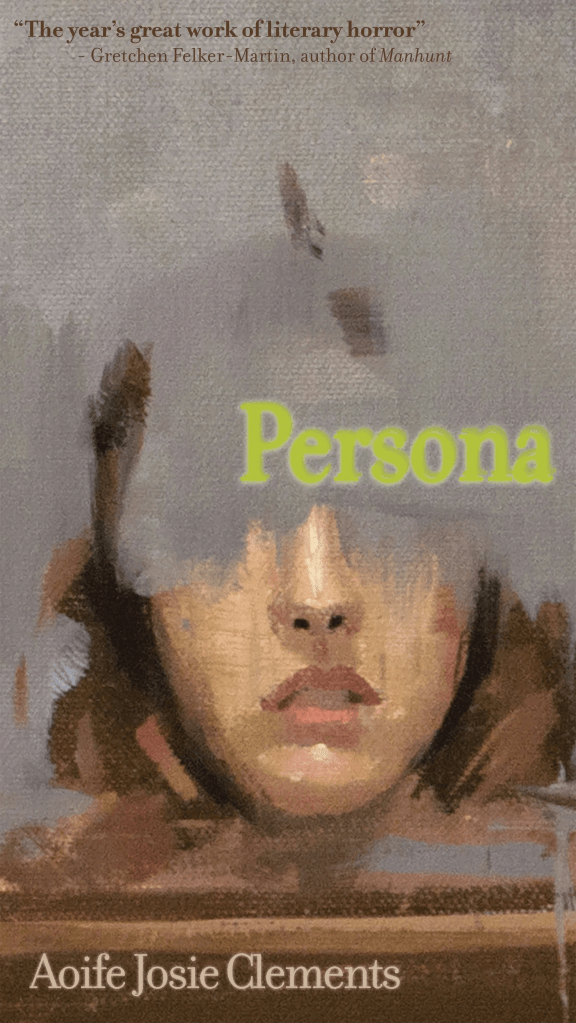

Persona by Aoife Josie Clements (LittlePuss)
A trans woman working a remote survey mill, rating war crimes and consumer preference from the same drop-down menu, gets an error message that turns into a horror novel. “NETWORK INSECURE. PLEASE SIGN IN FOR BODY SCAN.” Annie took this job specifically so strangers couldn’t access her body. The job has notes.
Clements weaponizes the everyday into cosmic dread. The Default Persona passages are nasty little sermons about online anonymity as a mask you can’t remove even when it’s killing you, and then the book makes that social truth physical. Identity isn’t just threatened here. It’s a resource, and somewhere a system is built to harvest it. The prose spools out in incantatory runs, snaps into clean UI language, pivots into second-person accusation. Phrases come back slightly re-contextualized until they stop being words and start being pressure. Getting your soul audited by a haunted HR portal. Highly recommended. (Full Review)
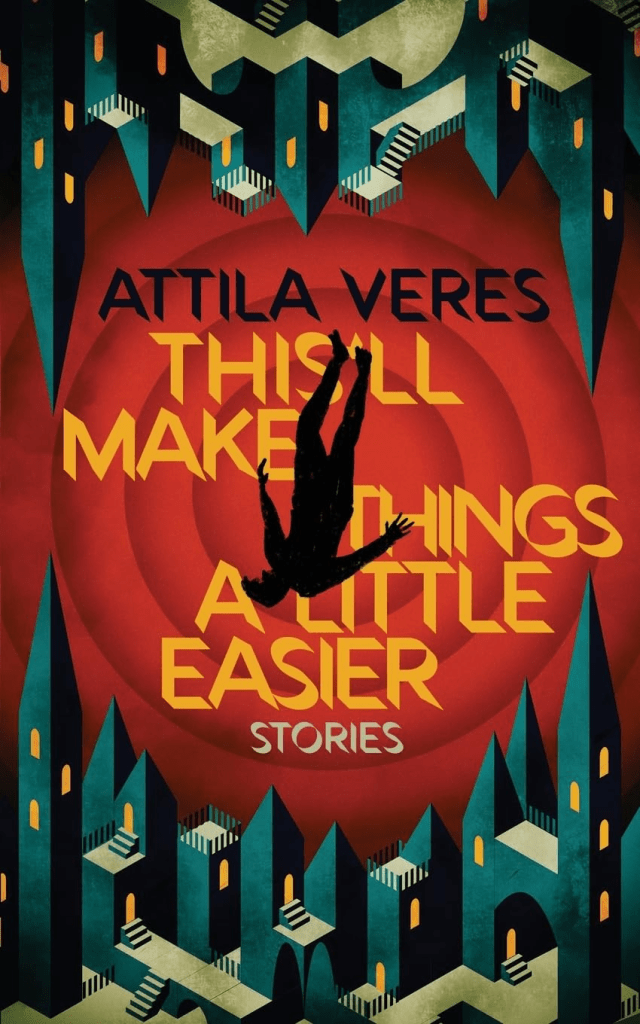
This’ll Make Things a Little Easier by Attila Veres (Valancourt)
Five long stories from post-Soviet, austerity-battered Hungary, where the horror is never monsters arriving. It’s discovering that the machinery already running you (the institute, the company, the state, the market) has always been monstrous. You just didn’t have a word for it until now.
Veres writes in flat official reportage that keeps sliding into nightmare without raising its voice. His narrators describe the unbearable with the same tone they use for rental terms and bank details. An eight-year-old girl accepts a relocation offer and gets harvested by an Institute, described entirely in the language of employment law. A woman converts her pain into money via a tree in the neighborhood. You crawl inside it, you suffer, money comes out. This is the economy as it actually works, with the supernatural element removed for clarity.
The ending of the title story is nine words. They will not leave you. (Full Review)

 The Blog Without a Face
Leave a comment