
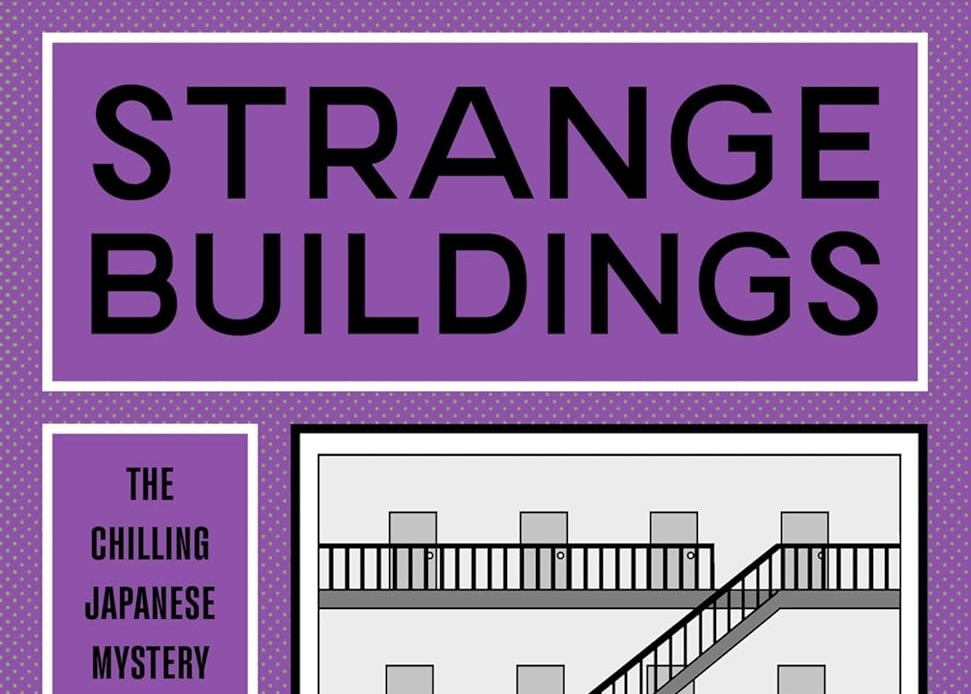
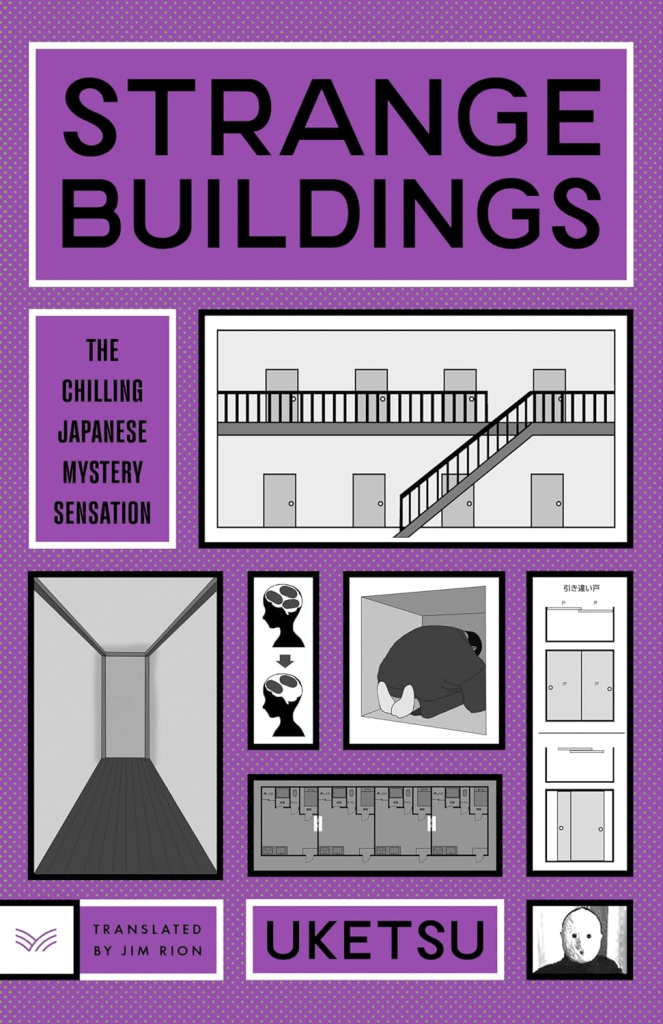





TL;DR: Strange Buildings is puzzle-horror catnip: eleven architectural nightmares that read like case files, then snap together into one delicious, sick little machine. Uketsu turns floor plans into weapons and domestic spaces into evidence, delivering twisty, bingeable dread with a uniquely visual brain. Smart, eerie, and insanely readable, it’ll make you distrust every hallway you’ve ever walked.

Strange Buildings by Uketsu (translated from the Japanese by Jim Rion) is the kind of book that makes you stare at a floor plan like it just called your mom a liar. You get eleven case files, each one a little architectural wrongness with a human mess attached, and the book dares you to do the most dangerous thing possible: assume it’s just an anthology. Nope. It’s a trap. The framing is upfront about that, too, with the narrator hauling “eleven files” to show Kurihara, the draughtsman with the brain of a slow-chewing wood chipper, because the stories begin to intertwine.
The pleasure here is twofold: puzzle satisfaction and creeping moral grime. File 1 alone is a perfect example of how Uketsu weaponizes space. A woman remembers a “hallway to nowhere” in her childhood home and the book treats that dead-end like a loaded gun on the mantel. The explanation is not “ghosts did it,” it’s worse: guilt, an accident, and a family quietly rewriting reality. The front door gets moved away from the site of a child’s death, leaving a useless corridor as a scar that never healed. That’s the whole vibe of Strange Buildings when it’s firing on all cylinders: the building isn’t haunted by ectoplasm, it’s haunted by decisions. By shame. By adults trying to reroute grief like it’s a plumbing problem, and discovering grief does not give a shit about your remodel.
Then the book keeps escalating its “what the hell is this room for” energy across the case files. You get a parade of structures that feel slightly off in a way your body understands before your brain catches up: spaces that don’t map cleanly to function, rooms that feel like they were made for something other than living, and little repeats and rhymes that start to nag at you. The cases are presented like research records and interviews, and that faux-documentary tone does real work. It gives the book a crisp investigative surface while it smuggles in dread through repetition, omission, and the slow realization that these are not isolated weird buildings. They’re artifacts of a single ugly story. The craft is impressive in how it manages information. Uketsu is stingy with clarity at exactly the right moments, then generous when a reveal needs to click into place. The pacing is brisk without being flimsy, because the book keeps swapping the type of tension it uses: domestic unease in one file, crime-adjacent rot in another, cultish infrastructure in another, and the sick little intimacy of family secrets throughout. When it works best, it’s because the horror stays practical and close-range. A corridor that shouldn’t exist. A door that shouldn’t be there. A memory that doesn’t fit the space it supposedly happened in. The book understands that architecture is just power made physical, and power loves a hidden room.
About halfway through, the book fully commits to the idea that the buildings aren’t just settings. They’re evidence. That culminates beautifully in the late-game connective tissue around the Rebirth Congregation, where architecture stops feeling incidental and starts feeling like theology made out of lumber. In the final file, a carved wooden doll appears, and the truly sick flourish is that the doll’s missing limbs mirror the “shape” of the house itself, linking body, building, and belief into one grim symbol. Even better, the book makes that symbol ricochet outward: the doll resembles the Hall of Rebirth, and the cult’s “Holy Mother” is described as missing the same limbs, turning a design motif into doctrine. That’s the kind of connection that feels both inevitable and grossly clever, like realizing the wallpaper pattern has been spelling your name the whole time.
Strange Buildings is sharp and satisfying, but it’s not chaos. It doesn’t melt down into experimental sludge or abandon coherence to chase pure nightmare. The structure is controlled: eleven files, then Kurihara’s deductions, with the book openly positioning one case as “the core” of the overall mystery. That clarity is a feature for most readers. It’s confident, weird in a very specific way, and it delivers a steady stream of “oh, shit” realizations without turning into a shapeless rant. But if you want the kind of horror that goes fully lawless, where the book starts speaking in tongues and you feel like you’ve been cursed for touching it, this is not that. It’s an engine. A damn good one. It wants you to solve it.
The book is obsessed with inheritance: not money, but damage. How responsibility gets passed down through design choices, family silences, corporate cover-your-ass maneuvers, and communal complicity. It’s also about how we build around the unacceptable. We don’t confront it, we route around it. We move the front door. We leave a hallway that leads nowhere. We call it “practical.” The book keeps asking, in different disguises, who benefits when the truth is walled up, and who gets crushed when the building “functions” anyway.

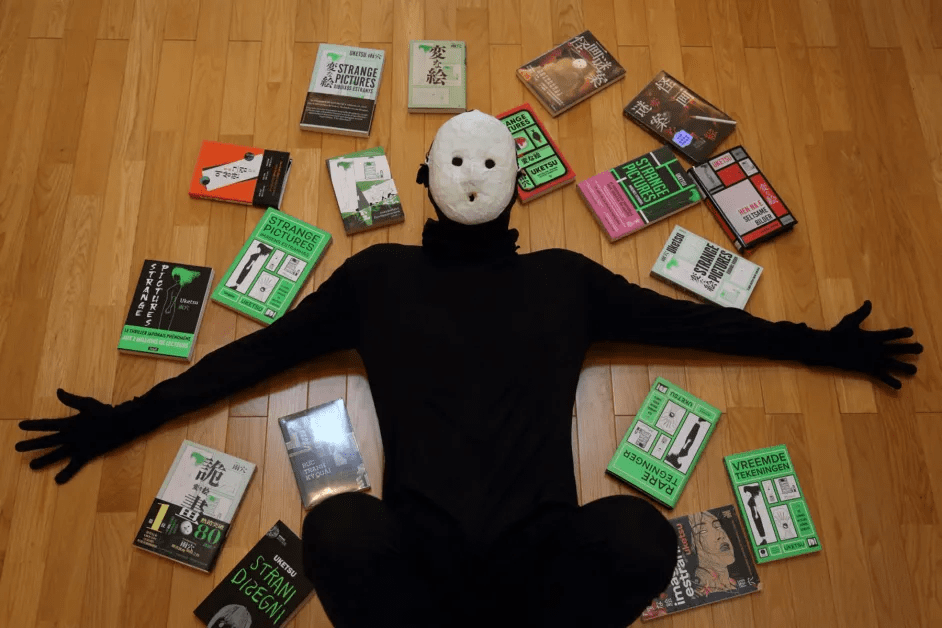
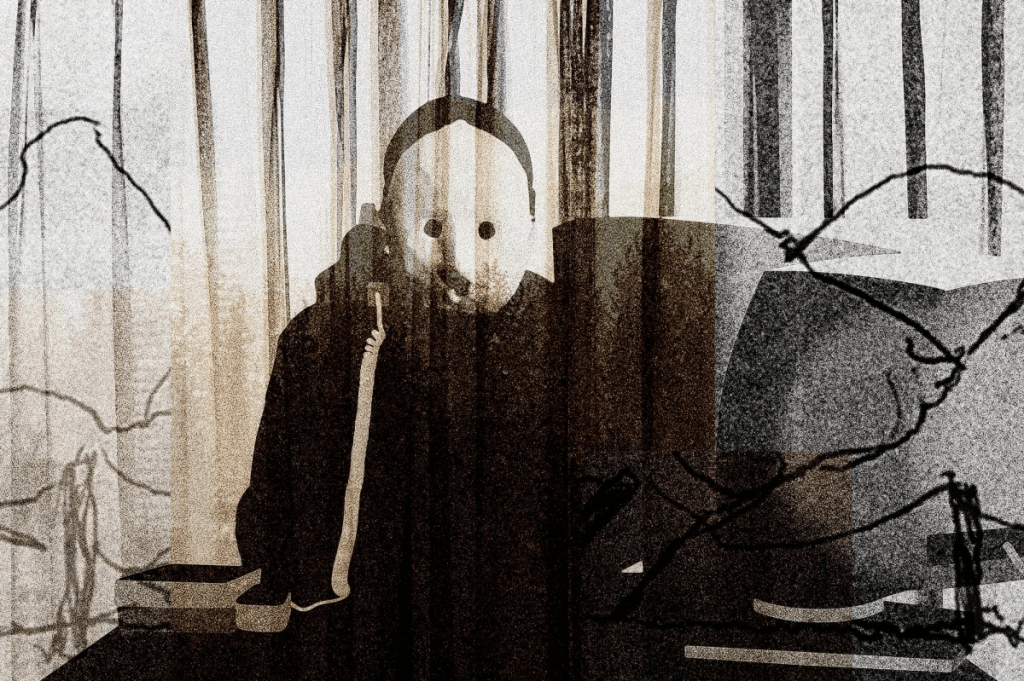
A quick word on Uketsu, because part of the fun here is that the author is basically a cryptid who decided to write puzzles. Uketsu is widely described as an anonymous or “enigmatic” Japanese YouTuber and author who appears masked and uses a voice changer, leaning into persona as part of the project. That performance element matters because the books themselves feel like multimedia thinking translated into prose: visual logic, diagram-friendly reveals, and a strong sense of audience participation. Mainstream coverage has also treated Uketsu as a major contemporary phenomenon in Japan’s book culture. This is popular weirdness that’s accessible enough to binge and strange enough to make you feel watched by your own walls.
This is for people who love puzzle-horror, mystery structure, and that specific flavor of dread where the scariest sentence is basically “this room shouldn’t be here.” If you like your horror clever, brisk, and conceptually tight, you’re going to have a great time.

Read if you want a book that makes you distrust doors, rooms, and your own memory.
Skip if floor plans make your eyes glaze over and you want vibes, not clues.
Strange Buildings by Uketsu,
published March 3, 2026 by HarperVia.
 The Blog Without a Face
Leave a comment