





TL;DR: A filthy, funny, soul-sick spiral about a trans woman getting eaten alive by the gig economy, the internet’s Default Persona, and a company that wants your body on file, literally. It’s ambitious as hell, gross in the best ways, and weirdly tender when it counts. Read it if you like your horror smart, mean, and emotionally radioactive.

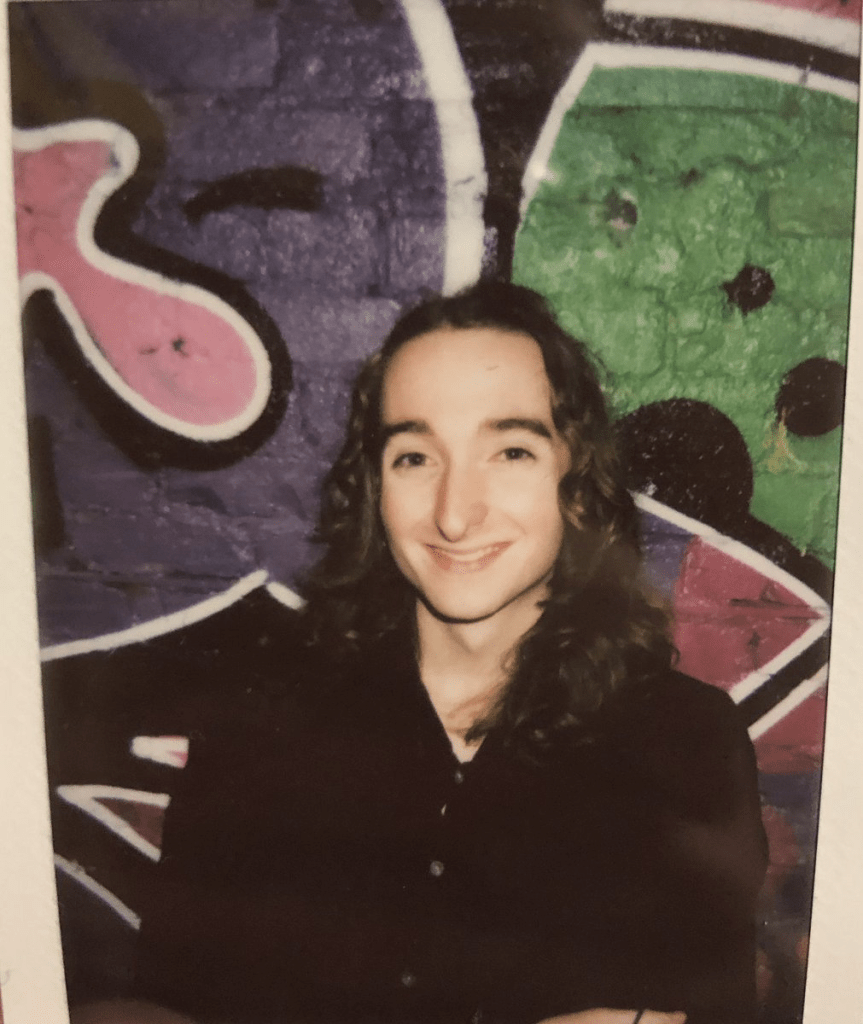
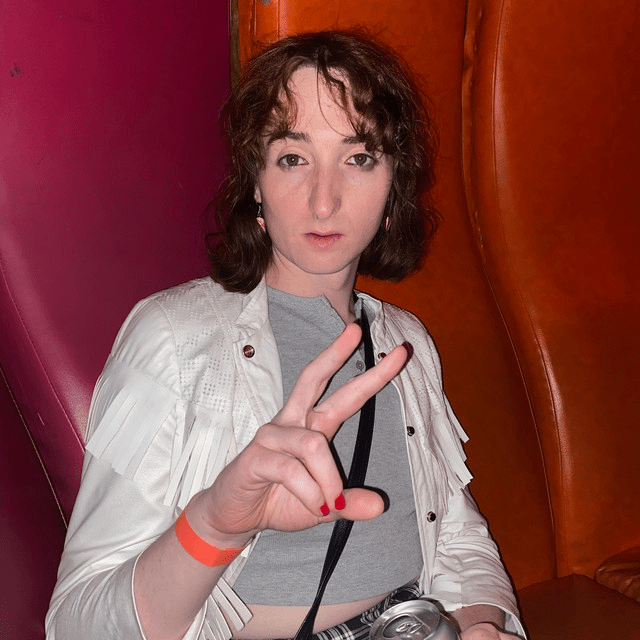
Aoife Josie Clements is a Calgary, Alberta born writer and multidisciplinary artist whose work sits at the intersection of trans survival, underground performance, and nasty little systems-horror. Alongside fiction, she makes music as Ravine Angel, a persona she’s described as emerging from open mics and noise gigs in Calgary in 2018, using that project to explore identity in increasingly explicit ways over the years, and she’s since been based in Vancouver, BC on the music side. She’s also active in trans-adjacent underground film and media circles with a role as an executive producer of the Castration Movie Anthology, and she has performed in that project as well, working alongside director Louise Weard. That collaboration extends into other public-facing work, including appearances described as co-producer/co-star in writing about Castration Movie. She additionally co-hosts a film-focused podcast (TRANS PANIC) with Weard, which fits the broader pattern here: Clements’ fiction feels like it’s coming from someone steeped in live-performance intensity, DIY media, and the exact kind of cultural sludge Persona is pissed off about.
Clements shows up swinging. Persona is a debut that reads like someone who’s been quietly sharpening knives for years and finally decided to start throwing them. It moves like an album that keeps changing genres mid-track without losing the hook. There’s the essayish cultural critique, the confessional grief-bile, the nightmare logic, the body-horror money shots. Somehow it all coheres into one big, buzzing indictment: of extraction, of shame, of the way “just survive” becomes a lifestyle until you forget you’re allowed to want more.
Here’s the anchor without spoiling the machinery. Annie is a young trans woman living in a shrinking little world, trying to make rent and stay invisible enough to not get hurt. She works for Chariot, a remote survey mill that pays pennies and asks increasingly fucked questions about war crimes and consumer preference like it’s all the same drop-down menu. Then the portal throws an error that feels like a curse: “NETWORK INSECURE. PLEASE SIGN IN FOR BODY SCAN.” Annie did this job specifically so strangers would not get access to her body, and now the job is basically saying: lol, actually, we need to look at you. What follows is a fracture. Annie’s sense of self, safety, and even basic reality starts slipping sideways, and she’s forced into contact with another version of her life and another version of herself, Amy, who is both a mirror and a warning. Together they try to figure out what Chariot actually is before it finishes whatever the hell it started.
The book weaponizes the everyday into cosmic dread. The “Default Persona” passages are nasty little sermons about online anonymity and how it becomes a mask you can’t take off, even when it’s poisoning you. And then Clements takes that social truth and makes it physical. The horror isn’t just “people are shitty online.” It’s “identity is a resource,” and somewhere a system is built to harvest it. That’s why the body scan scene hits like a panic attack. The interface is banal, the language is customer-service polite, and it keeps repeating a phrase that turns into a chant: “Reposition please.” Annie’s eyes get “thoroughly fucked,” the room fills with distortion, and the past comes up like bile. It’s sensory overload rendered with cruel precision.
Then, later, the book goes full Hell Factory. We get a vision of Chariot’s literal infrastructure: a tower surrounded by a trench of bodies, waste, heat, and recycling, with metallic arms selecting which bodies get to “go out” and which get dismantled for parts. It is revolting, hypnotic, and grimly funny in that “oh cool, capitalism is an eldritch organism” way. When the narrative starts talking about same-face boys used for labor and minerals, it’s not subtle, and thank Christ for that. Subtlety is overrated when the world is already screaming.
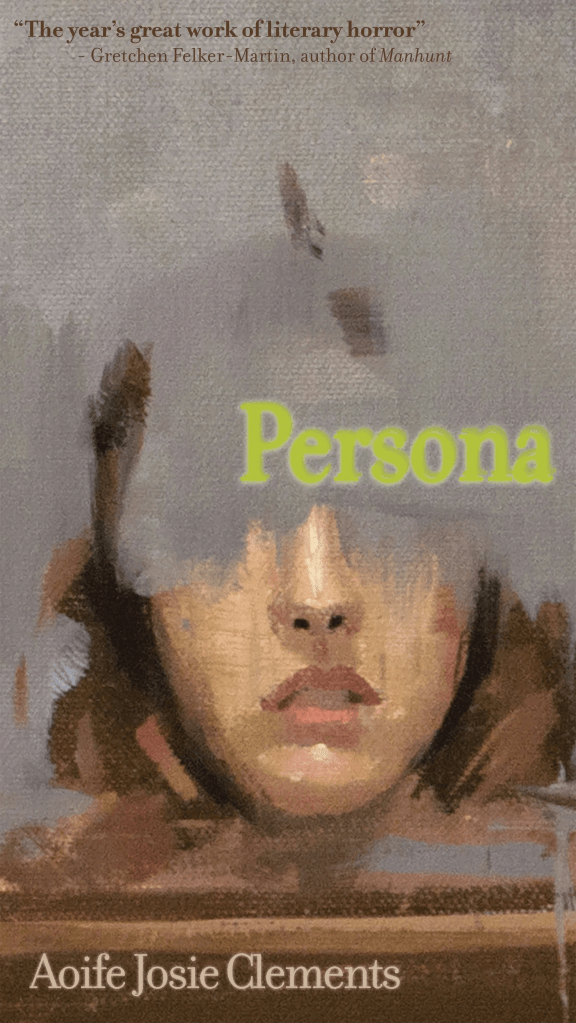
Persona is written like a fever diary that also has a theory degree. The prose can spool out in long, incantatory runs, then snap into clean, clinical UI language, then pivot into second-person “you” like it’s aiming a camera straight at your guilt. Clements uses repetition the way horror directors use a recurring sound cue: phrases come back slightly re-contextualized until they stop being words and start being pressure. Even the book’s design nods at unease, with a note about the fonts being “awkward” and “too loose,” hoping it left you “slightly uneasy.” Mission accomplished, you sickos.
The themes linger like cheap smoke in a hoodie. Identity here is both survival tool and commodity, constantly threatened by systems that demand you flatten yourself into something legible. Annie’s dissociation, her history of sleepwalking, her sense that she might not “exist” the way she thought she did, all of it gets expressed through horror machinery that is literally about bodies being processed, faces being standardized, and life being outsourced. The aftertaste is that lilac-green underpass light, the feeling of being watched by a screen that calls itself customer support.
Amongst transgressive queer horror, Persona feels like a big, nasty step forward: not just transgressive for shock, but transgressive because it refuses the polite lie that any of this is fine. By the time you’re watching someone sing under an overpass with a scavenged karaoke machine, half-begging, half-performing a self back into existence, you realize the book has dragged you somewhere real, and it did it with a grin and a mouth full of broken glass.
Excellent, weird, ambitious, and memorable, like getting your soul audited by a haunted HR portal and still crawling out saying, holy shit, I’m alive.

Read if you can handle body horror that is wet, industrial, and not interested in your lunch plans or you like books that mix cultural critique with nightmare logic.
Skip if you hate internet-voice essay segments and second-person accusation energy or you do not want gross-out imagery tied to sex, shame, and systems.
Persona by Aoife Josie Clements,
published January 27, 2026 by LittlePuss Press.


 The Blog Without a Face
Leave a comment