





TL;DR: A Romanian smuggler’s logging truck becomes a lifeboat when the world turns into a pitch-black ocean of nothing, and the radio is the only compass that doesn’t lie. It’s paranoid, tender, and nasty in all the right ways, with a killer image system (tar-dark, vines, “decontamination,” propaganda voices) and a hungry cosmic presence that feels both monstrous and heartbreakingly human.

Alex Woodroe is a Romanian writer of dark speculative fiction and an editor (including work with Tenebrous Press), and you can feel that “weird + craft-forward” editorial brain in how cleanly this book’s components lock together: folk-real material texture, experimental structure, and a mean sense of escalation. She previously wrote Whisperwood, and The Night Ship reads like a sharper, more outwardly apocalyptic cousin: less mossy fairy-tale dread, more survival math under cosmic pressure.
Rosi (Rosalba) is a smuggler in late-Communist Romania, riding in a modified logging truck with Gigi (the driver and “fiancé” on paper) when they pick up a jittery stranger, Sorin, and stumble into a radio signal that feels like a warning from outside reality. The sky doesn’t just go dark, it pours down like tar, and suddenly their little concrete radio-station island is surrounded by infinite black. The truck becomes a vessel, a “ship,” crawling forward through nothingness while the radio spits transmissions that range from procedural warnings to culty recruitment to outright mind games. Somewhere below, something hungry keeps reaching up.

What’s special here is the logic of the horror. The signature transmission, the one that keeps echoing like an evil lullaby, doesn’t tell you “beware the monster.” It gives you the language of safety, compliance, and containment: “This place is dangerous and repulsive… a warning about danger.” That hits harder than a jump-scare creature reveal because it weaponizes the voice everyone is trained to obey, especially in an authoritarian setting where official-sounding words can get you killed or “saved” in the same breath. And Woodroe keeps paying that off: the book’s scariest moments often come from people deciding whether to follow instructions, improvise, or freeze because they cannot tell the difference anymore.
Then she twists the knife by giving the predator a strange, almost compassionate framing. We get glimpses of Catalina, an entity that can “reach into every floating cell,” mimic people, and “make a quick and clean job” of eliminating survivors. That “clean” language is horrifying. It’s sanitation-as-genocide, purity-as-excuse, and it rhymes with the book’s obsession with contamination, decon, and who gets labeled “toxic.” If you like cosmic horror that doesn’t just go BIG, but goes intimate and bodily, this thing scratches that itch.
Woodroe’s prose has bite and momentum. She writes physical sensation extremely well: the sticky dread of being watched from below, the constant grip-and-haul problem-solving of living on a moving platform, the way panic makes your brain stupid and your hands shake anyway. The transmissions are not just gimmicks, either. They’re pacing engines, palate cleansers, and psychological shivs, and the way they collide with Rosi’s grounded, streetwise voice keeps the book from floating off into pure abstraction. Also, the character work sneaks up on you. Rosi starts in hustle mode, distrustful, guarded, practical, and the apocalypse keeps forcing her into leadership, tenderness, and accountability. The relationship that develops between Rosi and Adina is one of the book’s best choices: it’s not “romance as reward,” it’s a flare in the dark, messy and human and a little desperate, which is exactly what it should be out there.
The big thread of the book is control: who gets to name danger, who gets to define “clean,” and how quickly survival turns solidarity into cruelty if you let fear do the steering. The book also nails the aftertaste of living under systems that train you to obey the voice on the radio, even when the radio is lying. And emotionally, it leaves you with that brutal cocktail of grief and forward motion. The epilogue imagery is pure haunted-compulsion energy.
The Night Ship is a strong entry in “vehicle-as-lifeboat” apocalypse horror, but it distinguishes itself with the Romanian setting, the propaganda-choked radio chorus, and the contamination/purity fixation that makes every “helpful” message feel like a threat. It’s not the most flawless book, but it’s one I’d hand to people often because it’s vivid as hell and it sticks.
Strong, distinctive apocalyptic cosmic horror that turns “safety instructions” into nightmare fuel, then has the nerve to make you feel something for the thing chewing on the world.

Read if you crave apocalyptic survival that feels physical, claustrophobic, and mean.
Skip if you need monsters that stay monsters, no unsettling empathy bleed-through.
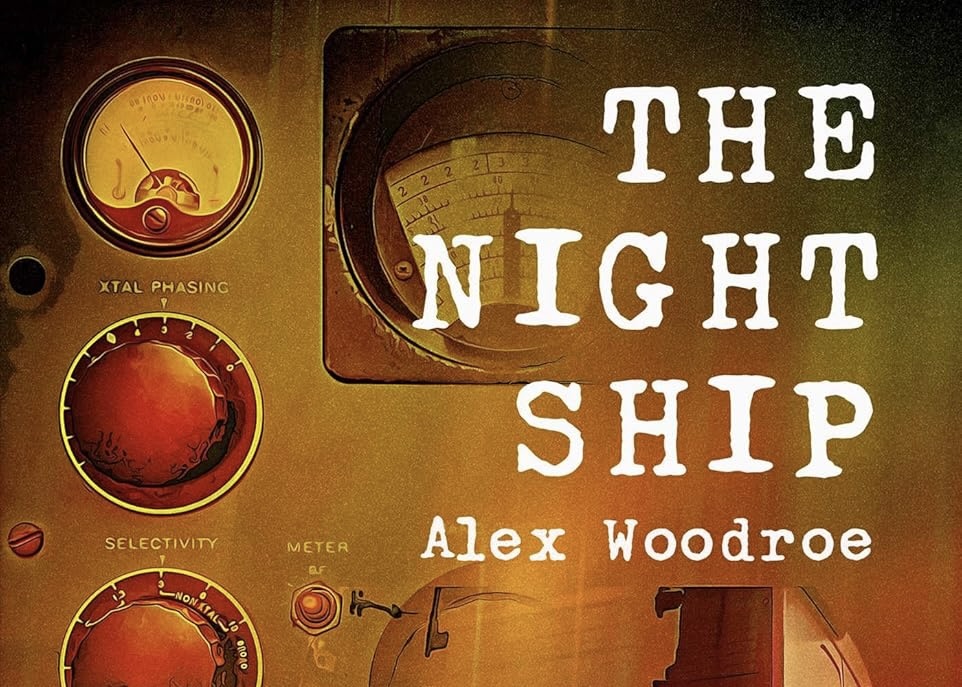
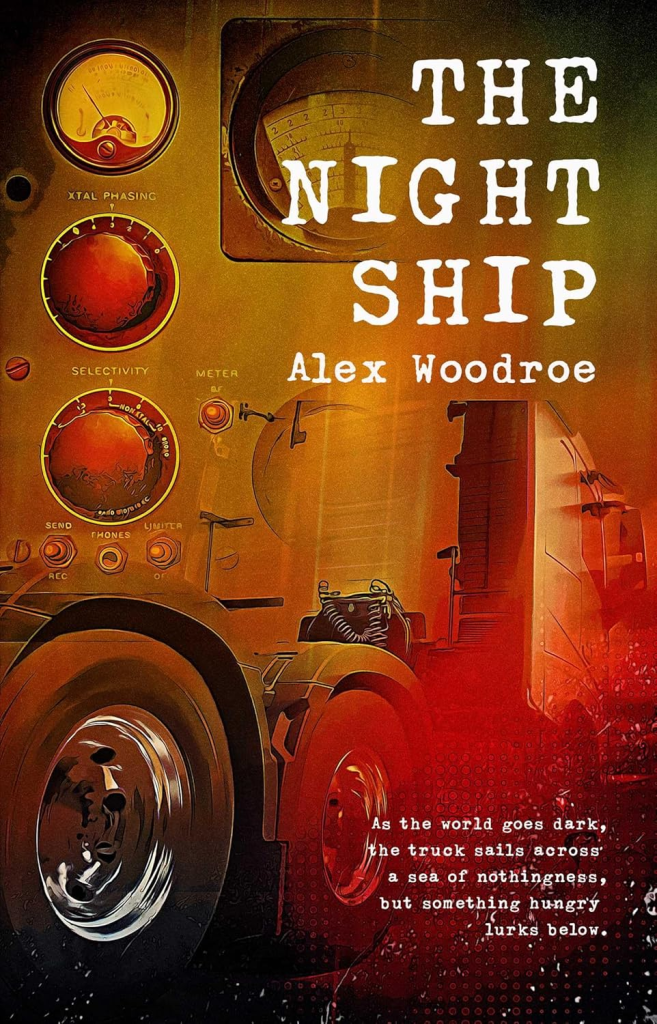
The Night Ship by Alex Woodroe,
published January 20, 2026 by Flame Tree Press.


 The Blog Without a Face
Leave a comment