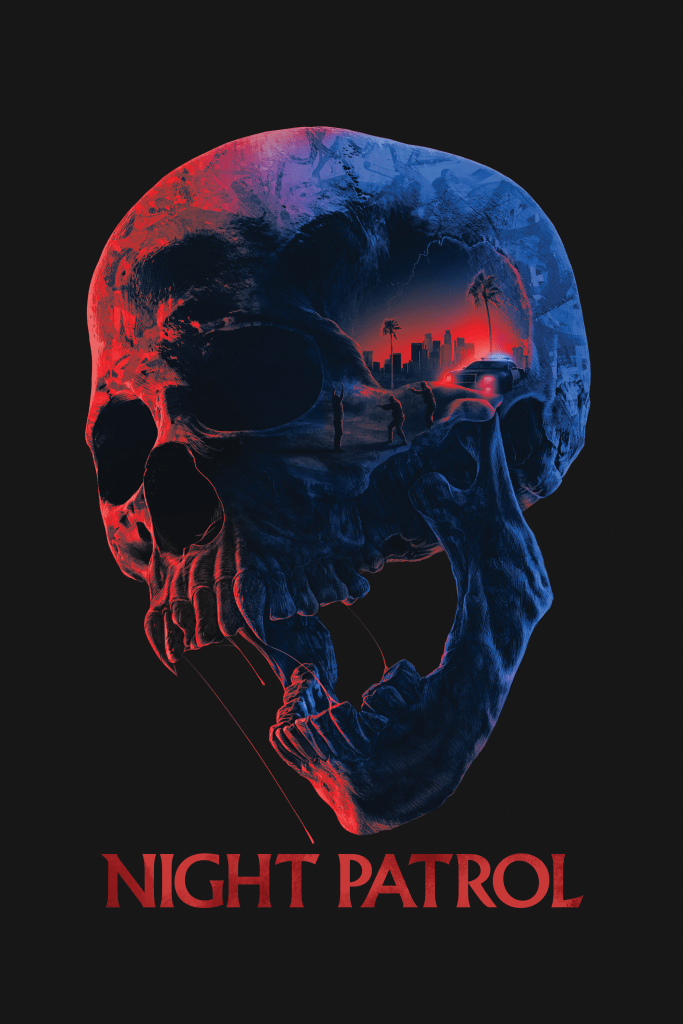




TL;DR: This is a vampire cop movie that takes “the system is predatory” and makes it literal, greasy, and occasionally hilarious, but it also drags its ass like it stopped for snacks mid-chase. When it’s cooking, it’s neon crime-horror with real bite. When it’s not, it feels like a killer premise doing laps in a parking lot, revving the engine, then stalling out.

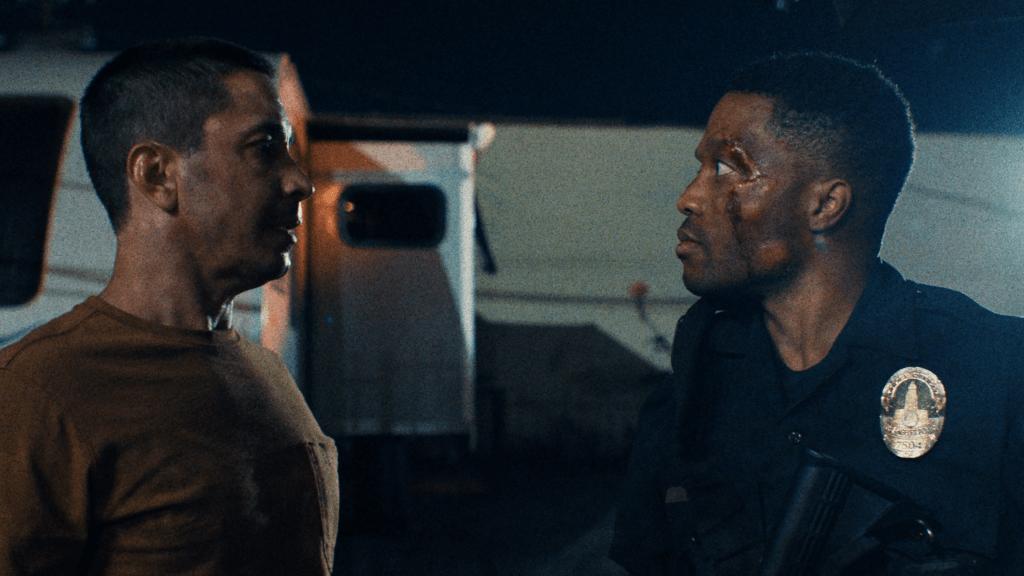
Wazi (RJ Cyler) is a young guy trying to keep his head down and survive in and around the Colonial Courts projects, which basically means every day is a careful negotiation with danger, pride, and whoever has decided they own the street that week. His brother Xavier (Jermaine Fowler) is LAPD, which puts him in the classic horror position of being the guy who thinks he can outsmart a haunted house because he has a keycard and a badge. Xavier’s partner, Ethan Hawkins (Justin Long), gets pulled toward an elite “Night Patrol” unit that promises power, protection, and a fast track up the ladder, and the minute that offer shows up you can smell the shit. What breaks their normal is a night that goes wrong in exactly the way “police encounter goes wrong” has gone wrong for real people forever, except here the corruption doesn’t stop at brutality. It escalates into something older, hungrier, and way more literal about who gets fed on.
Ryan Prows has been living in this mashup lane for a while. He directed Lowlife (a cult crime oddity with pulp energy and genre whiplash), and he directed the “Terror” segment in V/H/S/94, which already played with vampire mythology and violent extremism in a grim little pressure cooker. He also won a Student Academy Award for his AFI thesis film Narcocorrido, and you can feel that street-level tension instinct here. The script is by Prows along with Tim Cairo, Jake Gibson, and Shaye Ogbonna, the same writing brain-trust tied to Lowlife, so the movie arrives with a clear intention: crime-film grit first, horror as the infection that spreads.
What makes the movie worth anyone’s time, is how hard it commits to the idea that predation is structural. The vampires are not romantic, not tragic, not misunderstood. They are a system that recruits, protects itself, and feeds. Making the “Night Patrol” unit literal bloodsuckers is not subtle, but subtle is overrated when the point is rage. The best moments have that nasty clarity where the metaphor lands like a punch, and the film lets you sit with the sick feeling that the monster is organized, uniformed, and rewarded. There’s also a pulpy vein running through it that occasionally rules, like the movie can’t resist tossing in supernatural artifacts and ritual logic that feel like comic-book horror dropped into a grounded police thriller. That swing is fun in theory, but it is also where the seams start showing.
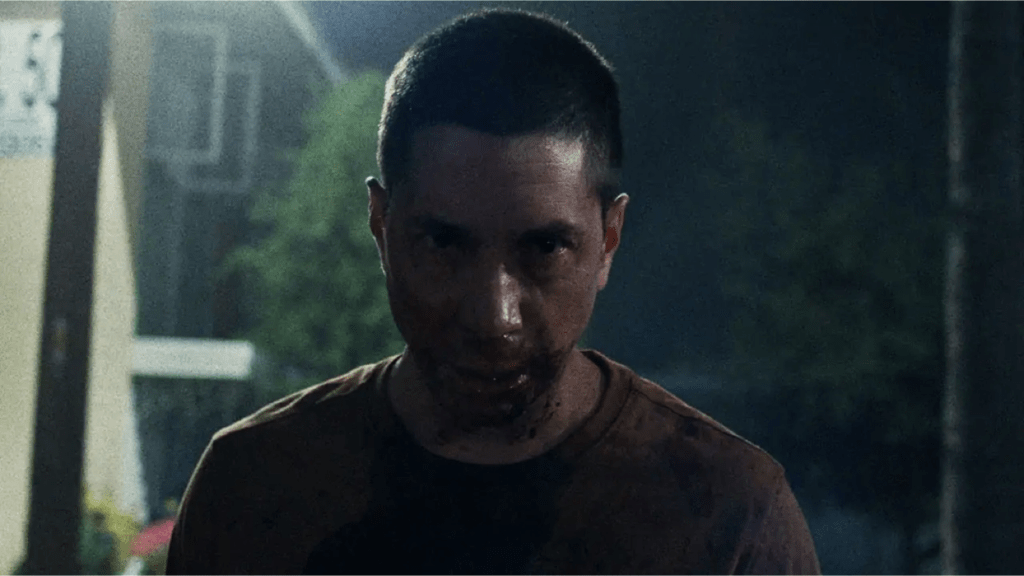
Prows shoots Los Angeles like it’s sweating through its shirt. It’s grimy, neon-streaked, and lived-in, with a vibe that wants you thinking Colors and Training Day even if it never hits those movies’ momentum. Justin Long is genuinely good here, and that’s not me doing the “oh wow the funny guy can act” routine. He sells the slow moral rot, the little rationalizations, the way someone becomes complicit one shrug at a time. Fowler brings heart and conflict, and Cyler gives Wazi a grounded survival instinct that keeps the film from turning into pure allegory.
Now the bad news. The pacing can be brutally sluggish. Not “slow burn,” not “patient,” but that specific kind of slow where scenes feel like they are repeating information you already got, and the plot keeps setting up tension without cashing it in. The movie has stretches where you can feel the premise begging to sprint and the film insisting on a jog. The tonal blending also wobbles. It wants to be gritty crime drama, then it wants to be supernatural action-horror, then it wants to be mythic and spiritual, and sometimes those gears grind instead of shifting. When the finale leans harder into the occult-ish, artifact-fueled escalation, it’s bold, sure, but it does not always feel earned by what came before. It’s like the movie built a great haunted house, then decided to end with a fireworks show out back. Cool fireworks, but still.
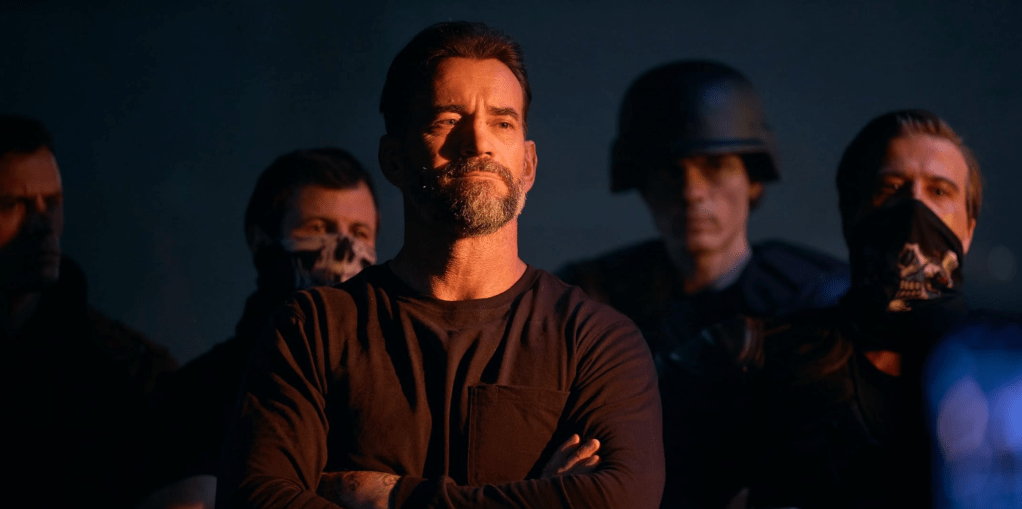
The themes are obvious but not empty: institutional predation, complicity, power as addiction, community under siege. There’s also a thread about heritage and spirituality as an opposing force, with Ayanda (Nicki Micheaux) anchoring that counter-current, which gives the film a needed sense of roots instead of just rage. The aftertaste, though, is not triumphant. It’s the sticky dread of realizing the monster was never hiding under the bed. It was standing in the doorway with a flashlight, asking you real calm to put your hands where it can see them.
This sits like Prows doubling down on his signature move: genre as a weapon, crime-film grime as the delivery system. It feels more direct and angrier than Lowlife, less formally playful, and it has real ambition in how it frames predation as both literal and systemic. But ambition does not get a free pass. If this had been tighter, sharper, and meaner with its time, we’d be talking about a standout. As it is, it’s a compelling, frustrating miss that still has a couple scenes that stick to your ribs like bad liquor.
A vicious concept with style and bite, dragged down by sluggish pacing and a finale that swings big without fully earning the landing.

Watch if you crave vampire horror that treats policing as the monster; grimy neon crime-thriller vibes with occasional splashes of pulp insanity.
Skip if you need consistent tone, with no lurching between grounded grit and occult spectacle; a finale that feels fully set up rather than willed into existence.
Directed by Ryan Prows.
Written by Tim Cairo, Jake Gibson, Shaye Ogbonna, and Ryan Prows.
Released January 16, 2026 by RLJE Films / Shudder.

 The Blog Without a Face
Leave a comment