

The horror genre often thrives on surprise. Not just the kind that comes from jump scares and gore, but the subtler shocks—of empathy, of perspective, of being shown something truly unexpected. Dead Mail, the latest retro-fetishist oddity from co-directors Joe DeBoer and Kyle McConaghy, is one such surprise. A slow-burn, analog, postal procedural that morphs into a synth-obsessed psychological hostage thriller, Dead Mail is weirder, sadder, and more ambitious than it has any right to be—and it mostly pulls it off.
DeBoer and McConaghy previously collaborated on BAB (2020), an obscure but stylish low-budget film that hinted at their shared affection for retro aesthetics and genre experimentation. McConaghy also went solo for Sheep’s Clothing, a VOD release that dabbled in noir. But it’s Dead Mail that feels like their breakout—an eccentric, confident horror-adjacent narrative that blends the meticulous world-building of indie cinema with the tonal textures of vintage thrillers.
Their approach here screams “deep-cut cinephile,” but refreshingly, it doesn’t feel like empty homage. This isn’t Stranger Things neon vomit or a Tarantino remix. It’s like if the Coen Brothers made a horror movie about a synthesizer-obsessed postal worker using nothing but ‘80s gear and beige moral panic.

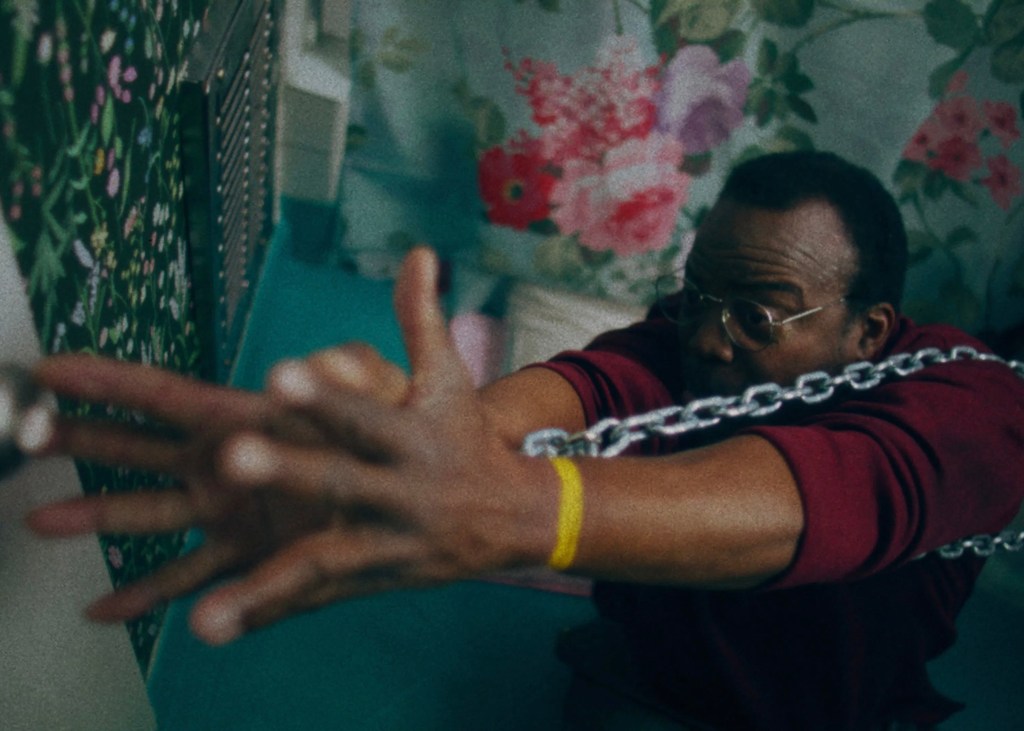
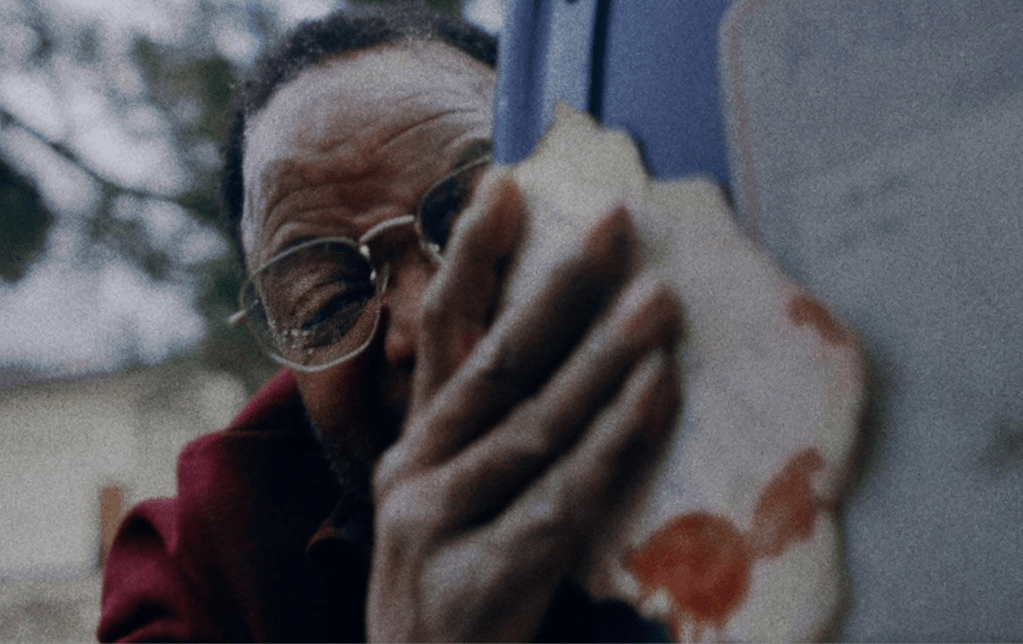
The film opens like a B-movie urban legend: a bound, bloodied man named Josh (Sterling Macer Jr.) escapes long enough to jam a plea for help into a mailbox before being dragged back into captivity. That letter ends up at a rural post office, where “dead mail” investigator Jasper (Tomas Boykin) becomes obsessed with finding its author. His process? Calling the National Weather Service, consulting atlases, decoding typewriter fonts—basically, being a middle-aged analog sleuth in a world just shy of the internet.
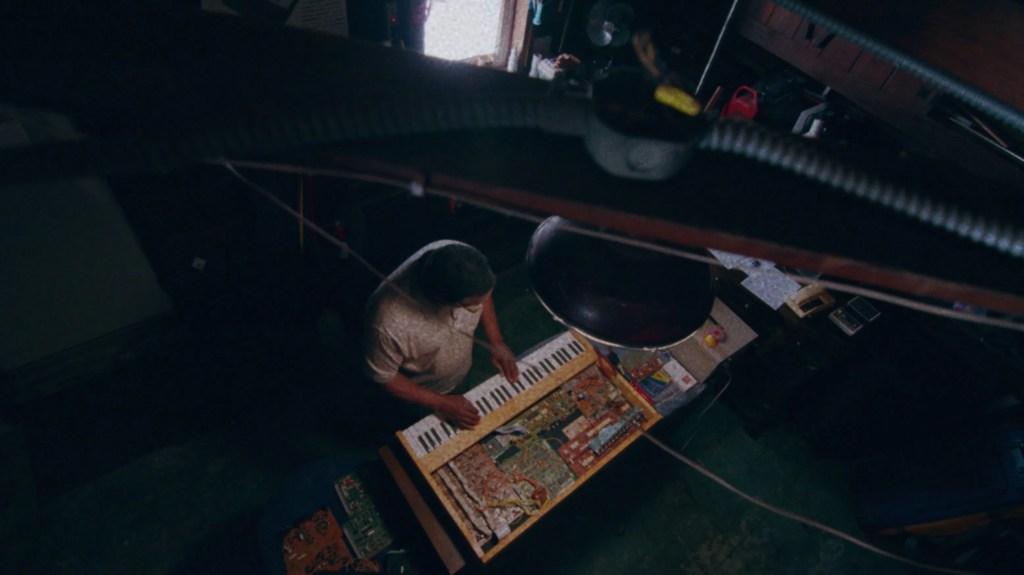
Jasper’s digging draws unwanted attention from Trent (John Fleck), a greasy, twitchy synthesizer fanatic and the captor of our unfortunate musician. Trent isn’t just evil. He’s pathetic, obsessive, a loser driven by emotional starvation. He and Josh were once collaborators on a synth project, and Trent’s descent into delusional, controlling madness is slow, plausible, and deeply unnerving.
The narrative plays out non-linearly, looping back around to its opening in the final act. This structure allows the film to linger in its twin realms: the meticulous bureaucratic world of the postal service, and the damp, claustrophobic fever dream of Trent’s basement.

There are no monsters in Dead Mail, but there are victims—of systemic failure, unrealized ambition, and weaponized loneliness. Jasper and Josh are quiet geniuses in dead-end lives. Ann, Jasper’s colleague, plays a slow-burn role as his spiritual protégé, the kind of person who questions authority and gets punished for it.
Trent is a villain, yes, but Dead Mail lets us feel his emptiness. He’s not a sadist—he’s a desperate romantic with no outlet, clinging to the fantasy of artistic connection. The horror here is existential, not supernatural: it’s about how easily unprocessed pain mutates into possession.
Race, class, and identity hover just beneath the surface. Josh’s role as a Black man trying to break into a Japanese synth company adds texture, even if the film smartly avoids overexplaining it. The tension is ambient, like static on a detuned radio.
The dialogue in Dead Mail feels…off. Not in a bad way, but in a “weird neighbor who knows too much about air pressure” kind of way. Characters speak in monologues that linger too long. Scenes hang in silence before resolving. It’s uncomfortable, and purposefully so.
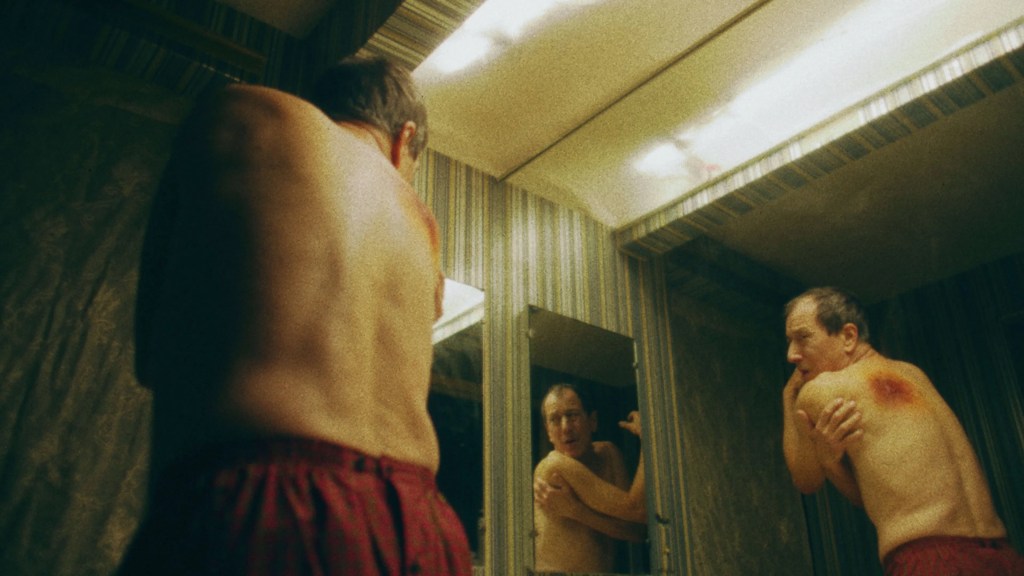
DeBoer and McConaghy clearly trust their material—and their audience. They let sequences breathe (maybe too much at times) and prioritize vibe over velocity. If you’re not on the film’s peculiar wavelength, this can feel indulgent. But if you’re in, it feels like watching a molasses-slicked Polaroid develop in real time.
Let’s talk look and feel. Dead Mail is shot in a gorgeously grimy lo-fi style. The cinematography, handled by McConaghy, combines muted browns and dingy fluorescents with heavy film grain and analog haze. It doesn’t feel like a movie set in the 1980s. It feels like it was made then.
The production design by Payton Jane is immaculate, down to the hardware, fonts, and rotary phones. The score—part original synth compositions, part classical reworkings—is a character in its own right, underscoring Trent’s mania and Josh’s despair like a haunted Casio keyboard.
It’s no surprise that the filmmakers also use the structure of the postal system as thematic architecture. The story is a puzzle, each clue a stamp, each scene a folded letter. The whole film is about message and medium: how we try to communicate from inside the prison of ourselves, and how those messages are often lost in transit.
This isn’t a flawless package. The middle third of the film—largely focused on Josh and Trent’s synth project—can feel indulgently long, especially compared to the delicious procedural unfolding of the opening act. The tension dips, and while the synth-nerd sequences are immersive, they may lose audiences less interested in modular patch cables and oscillator tubes.
A few plot contrivances stretch plausibility, especially given how grounded the first act is. But you forgive them, because the film earns its weirdness. The ending, especially the “faux-true” credit sequence showing “where they are now,” is a chef’s kiss of genre playfulness.
John Fleck steals the show as Trent, giving a performance that veers from pitiful to petrifying without ever becoming cartoonish. Sterling Macer Jr. is heartbreaking as Josh, a man whose passion becomes his prison. And Tomas Boykin’s Jasper is quietly compelling—think Lester Freamon if he worked at a post office instead of Homicide.
Micki Jackson’s Ann, a relative newcomer, also deserves mention. She delivers awkward, heartfelt moments with a rawness that elevates the emotional stakes. Everyone commits to the strange tone, and that’s what makes the film work.
Dead Mail isn’t a conventional horror film. It’s not trying to be. What it offers instead is something deeply strange, deeply sad, and strangely satisfying: a film about human connection, miscommunication, and the terrifying fragility of being known.
It’s above average in every sense—original, atmospheric, and unusually empathetic. Not a genre-defining masterpiece, but a standout in the crowded field of retro horror. Think of it as a midnight letter from a stranger: a little unsettling, unexpectedly intimate, and hard to forget.



TL;DR: Dead Mail is a synth-drenched slow-burn horror-drama about loneliness, obsession, and missing messages. It’s got no jump scares, but it will make you feel very, very weird.
Recommended for: Fans of retro weirdness, analog detectives, and people who think the USPS deserves more screen time.
Not recommended for: Anyone who thinks horror has to include ghosts, gore, or more than one plot twist per act. Or people who hate synthesizers. Seriously, there are a lot of them.
Our Rating
Director: Kyle McConaghy, Joe DeBoer
Writer: Joe DeBoer, Kyle McConaghy
Distributor: Shudder
Released: April 18, 2025





 The Blog Without a Face
Leave a comment