
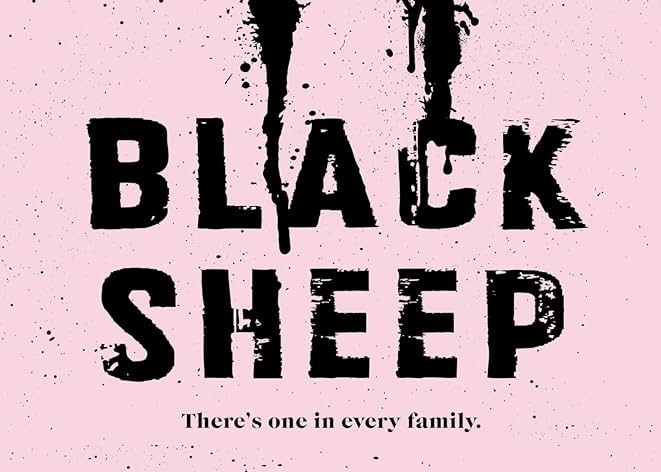

Rachel Harrison’s novel, “Black Sheep,” intricately weaves the themes of self-discovery, estrangement, and the supernatural into a compelling narrative that is both unsettling and profoundly resonant. Harrison, known for her gripping tales of complex women and their encounters with the otherworldly, does not disappoint in this chilling addition to her oeuvre. “Black Sheep” explores the dark corners of belonging and belief through the eyes of its protagonist, Vesper, a young woman grappling with the shadows of her past and the eerie realities of her present.
Vesper, a waitress with more sass than savings, has been floating through life detached and disillusioned since leaving her constrictive religious community six years prior. The community, shrouded in mystery and strict beliefs, had been her entire world, one she fled in search of freedom and answers about her mysteriously absent father. Despite the bridges burned, an unexpected wedding invitation from her once-close friend and cousin Rosie offers a portal back to the life she thought she’d left behind forever. Vesper returns, encountering a reception that oscillates between welcoming and chilling. As the narrative unfolds, Vesper confronts not only the ghosts of her past but also the sinister undercurrents of a faith that she left behind. Harrison adeptly crafts a small-town horror story that probes the depths of familial bonds and the cost of independence.
The novel shines in its character development and atmospheric tension. Vesper is portrayed with a raw authenticity that makes her struggles palpable and her journey captivating. Harrison excels in painting the eerie, claustrophobic town with a brush dipped in shadows and suspense, making the setting itself a character that looms large over the narrative.
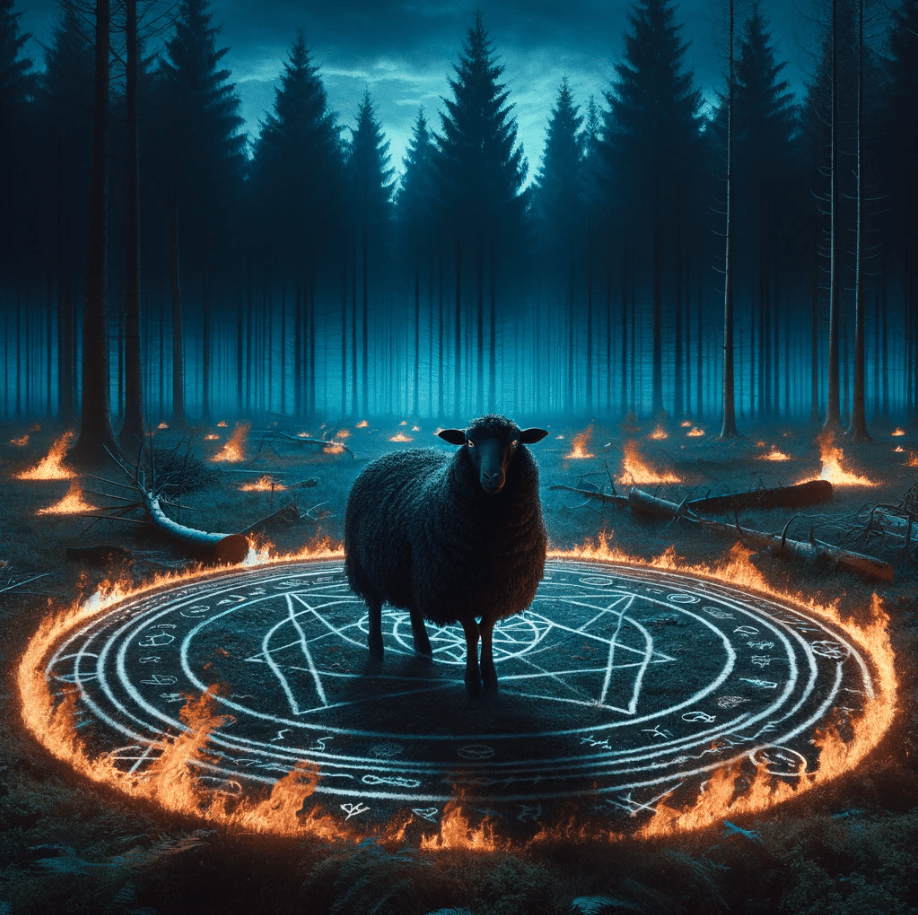
The exploration of themes such as alienation, the search for identity, and the impact of toxic faith is done with a relatively nuanced hand. The horror elements in “Black Sheep” serve not merely as scares but as metaphors for the inner demons Vesper battles, making the story resonate on a psychological level as well.
Moreover, Harrison’s wit and sharp dialogue cut through the darkness, providing necessary levity and depth to the narrative. Her ability to balance the elements of horror with moments of introspection and humor is commendable.
While “Black Sheep” is undeniably gripping, certain plot elements feel somewhat predictable, and the pacing can occasionally falter, particularly in the middle section of the book where the narrative seems to tread water. Additionally, while the ending provides closure, it might come off as rushed and somewhat underwhelming given the build-up, leaving a few too many questions unanswered.
Ultimately, “Black Sheep” is a testament to Rachel Harrison’s ability to blend the supernatural with the profoundly human. It is a story of returning and reckoning, of facing the darkness both within and without. Despite some flaws in pacing and plot, the novel stands as a compelling read, offering a haunting exploration of what it means to confront one’s past and the eerie realities that can lurk beneath the surface of small-town life and familial ties. Harrison’s fans and newcomers alike will find “Black Sheep” a worthy addition to the canon of contemporary horror, spiked with enough suspense, emotion, and insight to keep the pages turning long into the night.



Berkley Books
Published September 19, 2023





 The Blog Without a Face
Leave a comment