
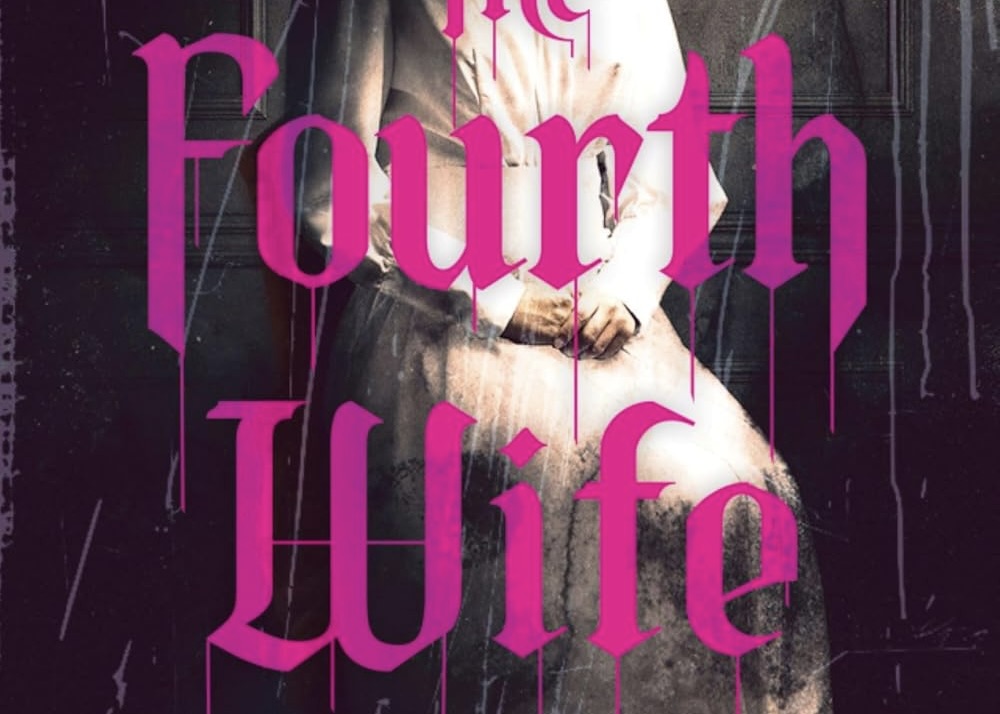
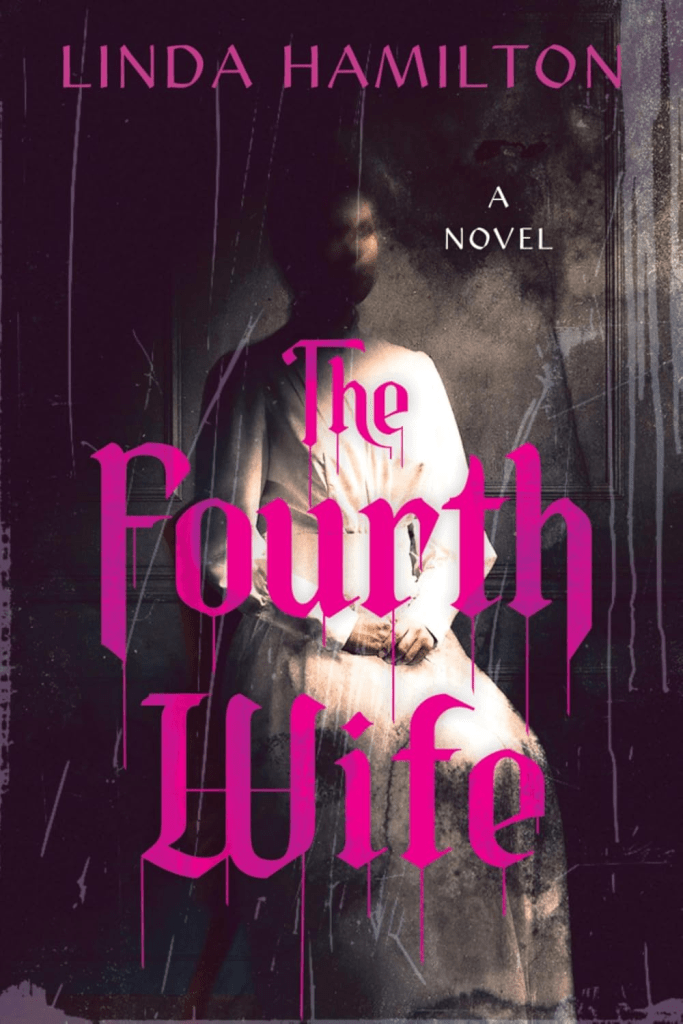







TL;DR: Hamilton has done something rare: she has found a corner of American religious history where the Gothic scaffolding is actually holding something up. The Mormon theology earns its horror. The sister-wives earn their pages. What doesn’t earn much is the ghost, who is kind, helpful, and absolutely determined not to frighten anyone. A promising debut wearing the wrong dress.

Hazel Russon’s panic attacks are the work of the Devil. She has been told this since childhood and believes it, so when her heart seizes and her lungs refuse and the world narrows to a bright, consuming point, she does not seek reassurance. She prays, apologizes for her weakness, and prays again. The shame she carries about her own nervous system is so well-practiced it functions almost automatically. This detail, the anxiety arriving dressed in theology and reading itself as sin, is the most honest moment in Linda Hamilton‘s debut Gothic, because it is not reaching for horror. It is only accurate.
The Fourth Wife is set in 1882 Salt Lake City, in the plural household of Jacob Manwaring. Jacob has the fair, carefully maintained look of a man who has studied the scriptures long enough to use them as property. Hazel arrives as his fourth wife, sent by an apostle she cannot refuse, and she arrives at a manor with gables like watching eyes and a silence so total it has its own pressure. The wives are arranged in the full Gothic complement: Flora, rigid and devotional and, in her strange way, sincere; Prudence, soft and hollowed by grief; and Abigail, who watches everything with a compressed fury and a secret she has been living inside for years. The formula assembles itself with the efficiency of a hymn everyone already knows. Fourth wife enters strange house. Ghost haunts said house. Controlling husband revealed as monster. Hazel’s sunbonnet is a new detail. The house has had several names.
What Hamilton does with the formula is important, though. The Mormon theological specificity, the priesthood blessing mechanics repurposed as a mechanism for binding the dead, gives the haunting a historical traction that most Gothic scaffolding never achieves. When characters quote Brigham Young’s actual instructions back at each other, the horror is not the ghost. It is the institution that produced the ghost, and that institution continues breathing and solvent long after the ghost is put to rest. This is a real and serious idea. It arrives too late and too briefly to do much structural work, but it arrives.

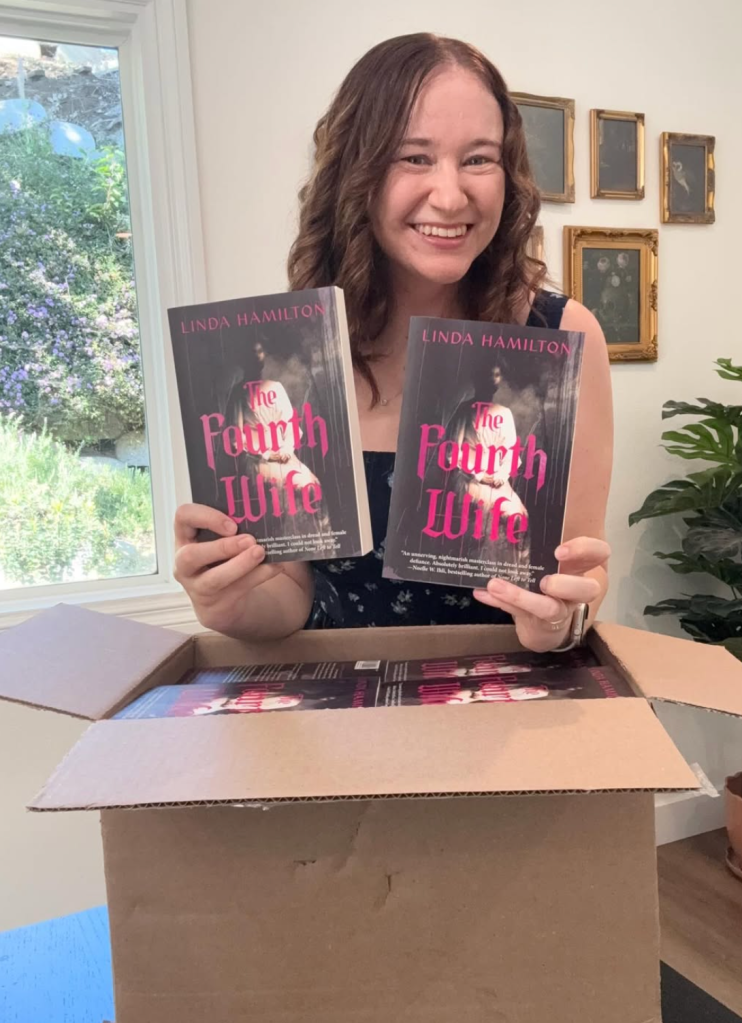
Hamilton is an author and historian from Southern California, a former history teacher currently completing a Master’s at Sam Houston State University, her thesis focused on Mormon women, polygamy, and identity in the nineteenth century. She has her own polygamous ancestors, and The Fourth Wife grows directly from that research and from what she describes as the deliberate sanitizing of their actual stories. Her prose is earnest and functional in a way that suits Hazel, who is also earnest and functional, but it does not generate dread independently. The sentences do what they are told. The most disturbing pages work because the history is disturbing, not because the language is, and that gap, where accurate testimony and atmospheric Gothic prose are pulling in different directions, shows throughout the novel. The pages where Hazel’s shame cycles through its specific, repetitive pattern, the same internalized accusations returning and returning, are closer to testimony than craft, and they land.
The sister-wives are the novel’s real achievement. Flora’s brittleness is a kind of love, and Hamilton is scrupulous enough to make that visible even through Hazel’s frustration with her. Prudence’s retreat into grief after losing her child is quiet and unmelodramatic, which takes restraint in a book this committed to atmosphere. And Abigail, the first wife, carrying decades of compressed fury alongside a secret she has been sitting with so long it has become her second spine, is the character this novel deserves and the novel it did not write. The truth she is protecting, the thing at the heart of why the ghost is in this house at all, is the book’s most original idea, and it receives roughly as much attention as the goddamn dining room.
Between the original idea and the dining room, a long middle stretch occupies itself with household chores, vague dread, and blood-soaked nightmares that add up to very little. The pacing goes underground for a third of the book, surfacing occasionally to remind you it’s still there. The house makes noise. Doors stick. The wallpaper moves. The actual danger is Jacob, and Jacob is a domestic abuser with polished boots and a careful, baritone hymn-hum. He is drawn correctly. He is not frightening in the way horror frightens, which requires violation at the level of assumption, not confirmation of what the reader arrived prepared to believe.
The ghost is named Sariah. She leaves wildflowers on tables. She cracks ceilings to issue warnings. She picks locks. She hovers at the edges of rooms with an expression described, more than once, as mournful. She is the most obliging spirit in the Utah Territory, and as the novel advances toward its conclusion, she has functioned as a horror element the way a good neighbor functions as a source of dread: faithfully, attentively, and without meaningful threat.
There is a reading group guide at the back of the novel. It has fourteen questions. One asks who your favorite character is and why.
The ending lands exactly where the feminist escape narrative has been pointing all along. It earns what it earns. Whether that constitutes the conclusion of a horror novel is the question the book never pauses to ask.



 The Blog Without a Face
Leave a comment