



TL;DR: Greener Pastures is grief-lit weird horror that keeps sneaking up behind you and whispering, “Hey buddy, what if your sadness had teeth.” It still slaps because Wehunt makes transformation feel intimate and inevitable, but a few sexual-power beats (especially in “Onanon”) can land as more “weaponized gross” than “earned,” depending on your tolerance for that particular brand of fuckery.

Michael Wehunt‘s collection dropped in 2016, but it’s stitched from work published across the surrounding years, with several pieces appearing here for the first time. It arrives right in that mid-2010s moment when “weird horror” was getting louder about being, you know, actual literature, not just a mask-and-machete parade. The introductory material leans into that idea, framing contemporary horror as an evolving mode that raids other styles, and it gestures toward that old-school weird lineage, the kind that cares more about mood and metaphysics than plot math. Even the contents page feels like a curated playlist of dread textures: rural myth, night-road uncanny, domestic hauntings, body transformations, and stories that creep up through form itself.
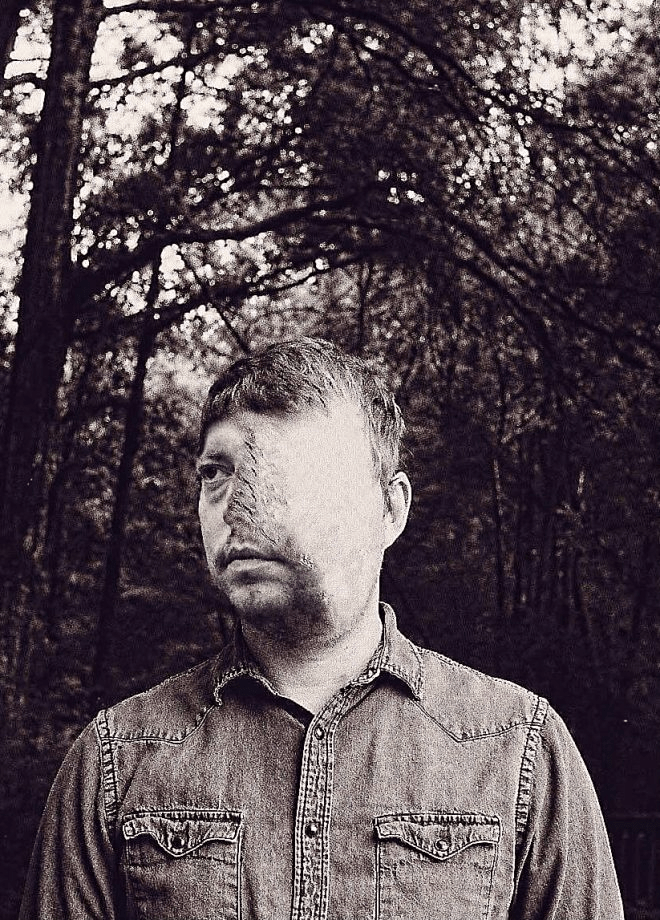
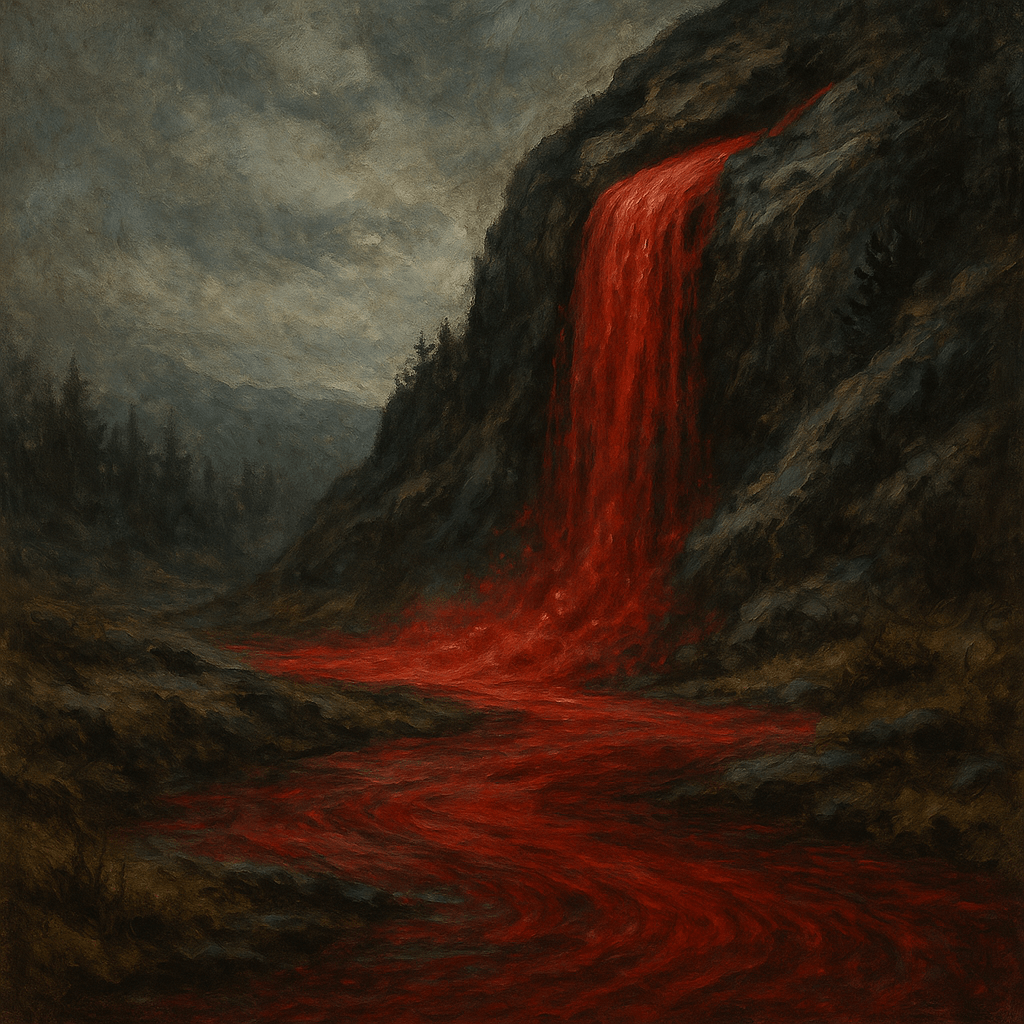
If you need a micro-synopsis for a collection like this, think of it as a tour through ordinary lives where the floorboards quietly give way and something ancient, hungry, and personal rises up. “Beside Me Singing in the Wilderness” follows Alma returning to a mountain that bleeds, carrying the long aftermath of a childhood rupture and an immortality that feels less like a gift and more like a debt, with her twin Sissa as the ache at the center of it all. “Onanon” tracks Adam, a stalled writer orbiting his nearly-catatonic mother, who gets yanked into a story-within-a-story seduction that turns family history into insectile body horror and cosmic reproduction dread. The title story, “Greener Pastures,” makes the highway feel like an altar where the living voice, not the dead one, is what lures you off the map. The stakes are usually simple, human wants: love, sleep, relief, forgiveness. The thing in the way is that the universe in these stories is not neutral. It’s attentive.
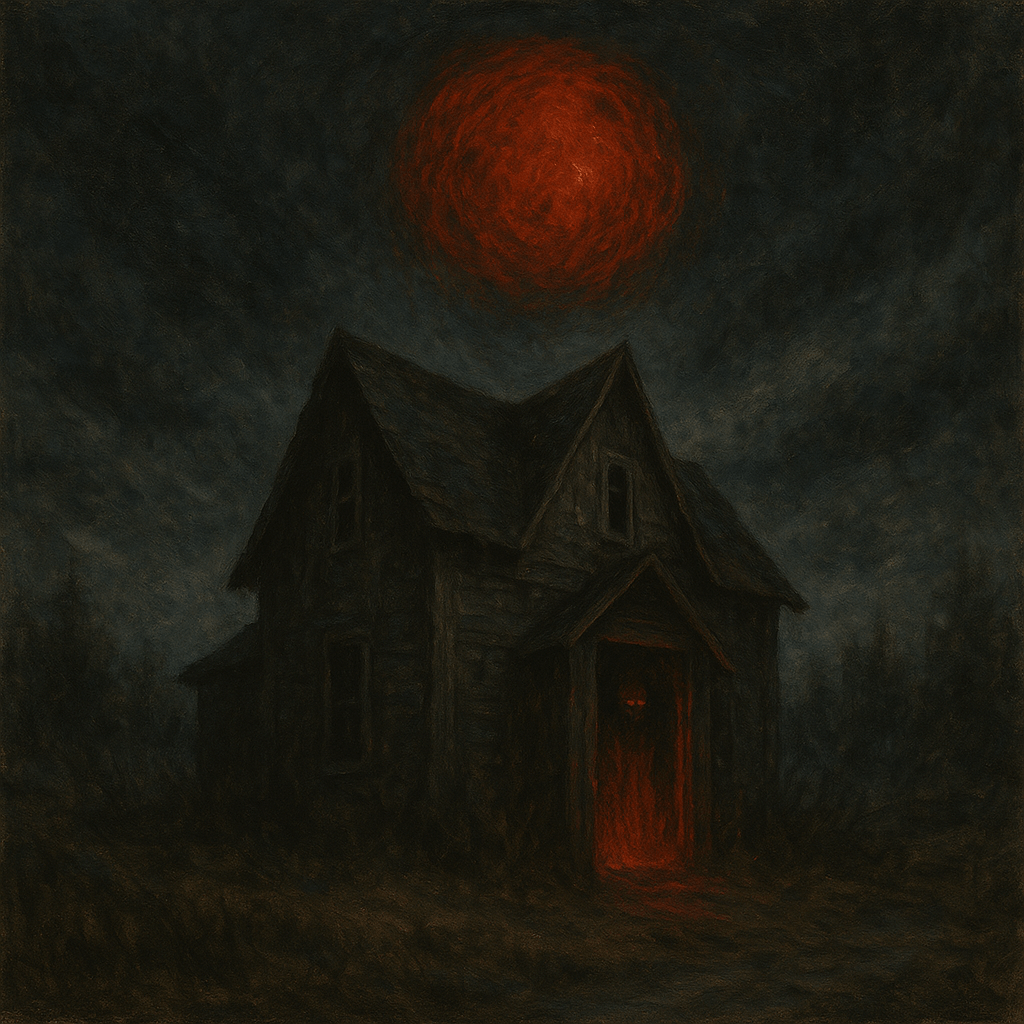
Why it endures is the way Wehunt makes the “weird” feel like it’s growing out of emotional weather, not bolted on like a Halloween decoration. First, he’s obsessed with transformation as the consequence of longing. In “Beside Me Singing in the Wilderness,” the bloodfall is not just a nasty image. It’s a gravitational force that pulls at memory and appetite. The horror is not only that something supernatural exists, but that it knows exactly what to press on inside you. Second, he’s excellent at taking a cosmic-horror structure and shrinking it down until it’s breathing in your ear. There’s a sense of enormity without the usual Lovecraft cosplay, like the cosmos outsourced its violence to the intimate. Third, he understands that dread is a pacing problem disguised as a monster problem. “October Film Haunt: Under the House” is basically a dare: writers chasing the high of “vibe absorption” at a supposedly real filming location, insisting they’re in control, insisting they can keep it all at arm’s length, until the house starts writing back. The story tightens like a noose, and the prose keeps that camera-eye compulsion even when your brain is screaming, drop the notebook, run, do not narrate your own death like you’re auditioning for an art grant.
Wehunt has range, and that’s a big part of the pleasure here. The opening story uses a dialect voice that could have been corny as hell, but instead gives Alma a lived-in authority, like she’s telling you the worst campfire story in the world because it happens to be her biography. He uses repetition like a spell. He returns to sensory anchors, the kind that make the unreal feel documented rather than invented. When the imagery goes full nightmare, it’s described with a careful, chiseled clarity that makes you believe it’s happening one room over.
He’s also sharp about scene construction. These stories do not sprint. They stalk. They build dread through proximity, through the slow recognition that the narrator is already compromised. Dialogue is rarely there to be cute or to “advance plot.” It’s there to reveal how people negotiate around what they can’t say, or how they lie to themselves in the shape of a conversation. Even when something huge and impossible shows up, the writing doesn’t go operatic. It stays close. That restraint is what makes it land. The book trusts you to feel it.
Then vs now, what’s timeless is the emotional honesty and the refusal to tidy up the mess. These stories keep returning to the idea that haunting is not just about ghosts. It’s about how voices persist. It’s about the way memory behaves like a predator. In a modern world where we can summon a voice from a device whenever we want, the idea that the living voice can be the hook feels even sharper. The other timeless piece is the commitment to interior logic: the story-worlds run on dream rules, but they’re consistent dream rules, the kind where you realize later that the whole thing was a single metaphor you were walking around inside.
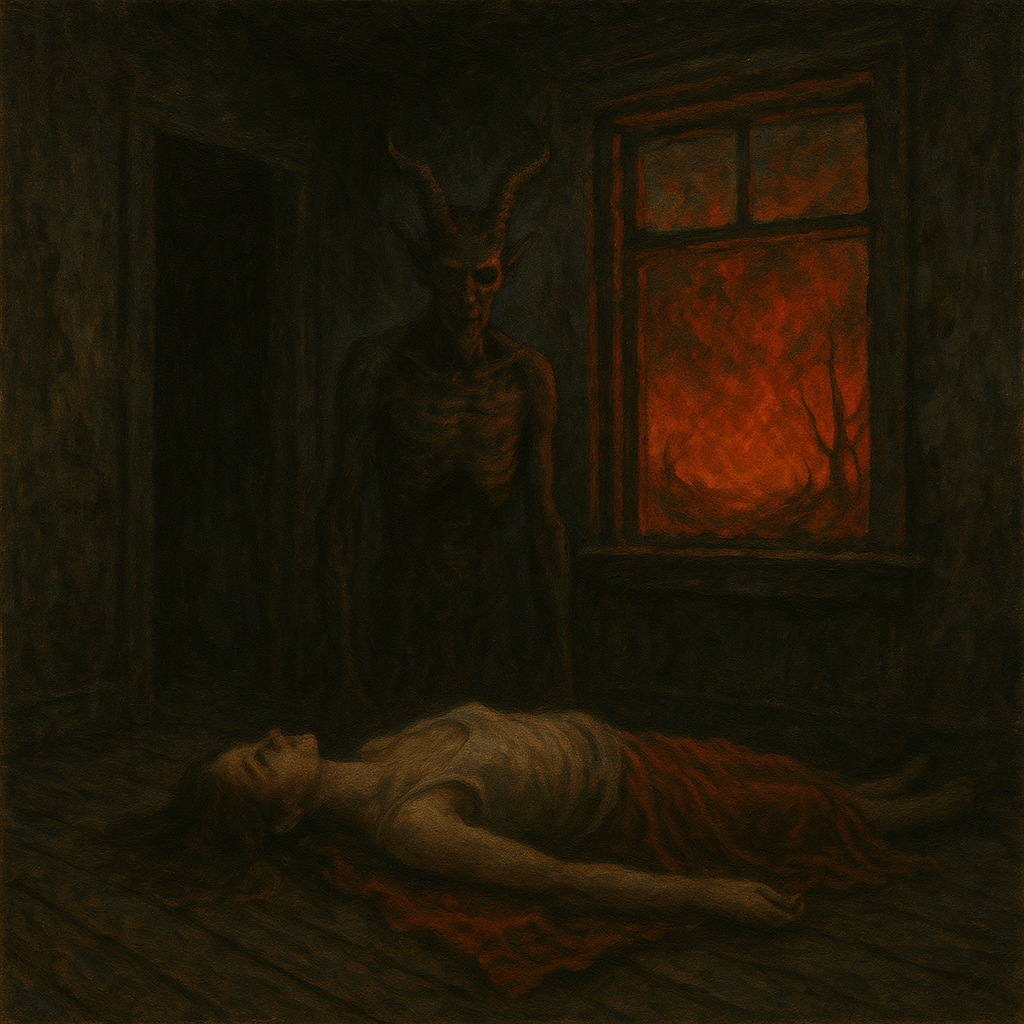
What feels dated is less about technology and more about a couple of choices in how power and sex get used as horror levers. “Onanon” is intentionally vile and feverish, and thematically it’s doing something coherent about lineage, coercion, and bodily imperative. But it’s also the story most likely to make a reader bounce off the collection, because the revulsion can feel like blunt-force cruelty if you’re not on the same wavelength. I don’t think it’s sloppy. I think it’s a deliberate nausea. Still, nausea is not everyone’s love language.
Grief and faith are the big arteries here, and transformation is the method of delivery. Wehunt keeps asking what it means to live with loss that doesn’t get socially validated, the kind of pain people wave away because “no one died,” or because it happened too long ago, or because it doesn’t look tragic enough from the outside. The horror machinery expresses that by giving grief a body. Loss becomes an environment. It becomes a ritual. It becomes a metamorphosis you didn’t consent to. The body dissolving or reshaping is not just gross-out spectacle. It’s the self changing under pressure, the mind making a new shape because the old one can’t hold what it’s carrying.
There’s also an undercurrent of desire as doom. Wanting something hard enough is treated like an invitation, and the thing that answers does not come with safeguards. Love, loneliness, ambition, curiosity, nostalgia, each can be the door. That’s why the collection lingers. It doesn’t feel like “bad things happen to people.” It feels like “people reach for things, and the reaching changes them.” What if “moving on” is not healing. What if it’s just becoming something else. What if you can’t go back, not because the past is gone, but because it’s still alive, singing beside you in the wilderness.
Greener Pastures feels like a cornerstone for the 2010s strain of American weird horror that’s less interested in lore dumps and more interested in making dread behave like lyric poetry. It models a version of “cosmic” that doesn’t need gods or galaxies to feel enormous, just the sense that your private life is being watched by something older than your language. If you’ve read a bunch of recent weird fiction that feels like it’s trying to bottle “uncanny intimacy” in a jar, there’s a good chance this collection is one of the jars they studied.
As a debut collection, it’s annoyingly confident, like a band’s first album that somehow already sounds like their “best-of” compilation. It also feels like a statement of intent: Wehunt is staking out a space where the weird is not an aesthetic overlay but an emotional truth. If you’re mapping a modern weird-horror shelf, this sits in that Aickman-descended line of “the story moves like a dream but hits like a bruise,” but with its own rural American blood-and-pine perfume. It honors the classic weird tradition without feeling like cosplay.
Unique voice, ambitious as hell, and memorable, with a few intentionally nasty choices that won’t be for everyone, but the best pieces hit like a private haunting you can’t shake off even after you shut the damn book.
Read if you crave quiet terror that blooms late, can handle grief braided into the uncanny, love horror that smells like pine sap and old film stock.
Skip if your patience is thin for characters who are lonely and complicated in quiet ways.
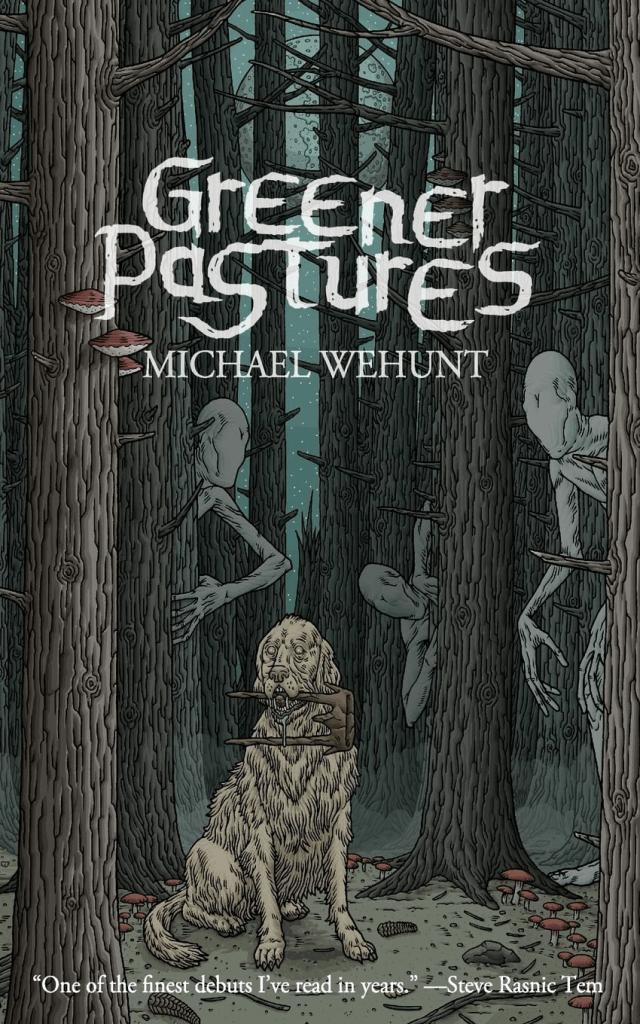
Greener Pastures by Michael Wehunt,
first published March 29, 2016 by Apex Book Company.
 The Blog Without a Face
Leave a comment