
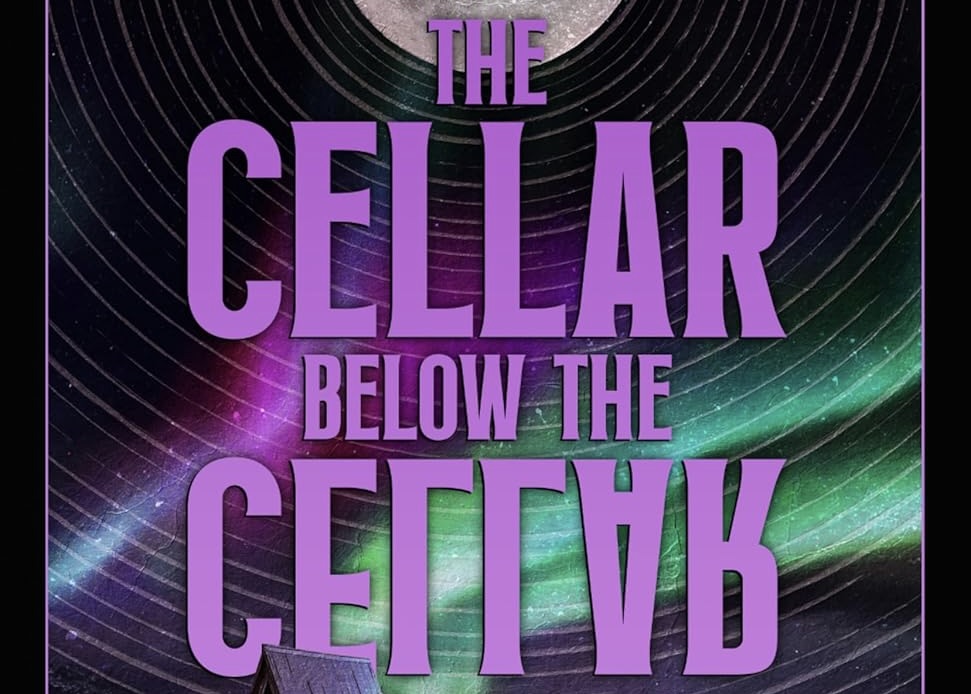
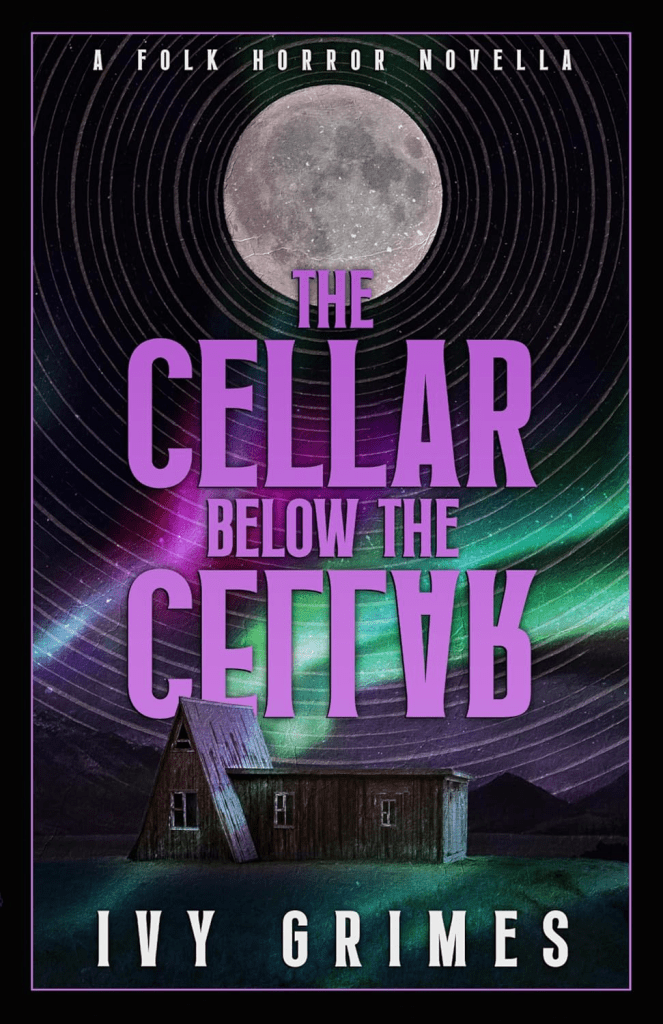



TL;DR: Ivy Grimes has written a folk horror novella that feels like a Grimm fairy tale raised on creek water and Protestant guilt. The Cellar Below the Cellar is strange, funny, genuinely moving, and haunted by an image you won’t shake: a thousand skeleton hands, gentle as feathers, unmaking the dead. This woman can write.

The first thing this book does well is trick you into thinking it’s cozy. A solar storm knocks out every battery and circuit board on the planet, and our narrator Jane, a thirty-three-year-old librarian, gets stranded at her grandmother’s house in the woods. What follows reads, for long stretches, like a post-apocalyptic Little House on the Prairie: pickling vegetables, filtering creek water, planting pumpkins. There are feast days. There are bedpans. Jane complains about gardening with the kind of genuine petulance that made me laugh out loud more than once. And underneath all of it, something is breathing in the basement.
The Cellar Below the Cellar is a folk horror novella about inheritance, and I don’t mean property. Jane’s grandmother is a figure of terrifying competence, a one-legged Swiss-descended maybe-witch who has been preparing for the end of the world with the quiet confidence of someone who has seen several. She wants Jane to go downstairs. Not to the regular cellar full of canned soup and demon jars (we’ll get to the demon jars), but to the cellar below that, where skeleton hands brush the flesh from the dead in a process called the Unraveling. Grandma tends this place. She wants Jane to take over.

What Grimes does best here is texture. The green of the auroras reflecting off a little girl’s face so she looks alien. The smell of Grandma’s house after her mysterious nighttime errands, something boggy and citrusy at once. The way a rag doll flops across a dark bedroom floor, moving with purpose but without anything resembling grace. There’s a moment when Jane loses a green pepper somewhere between the Ospreys’ house and home, just gone from her hands mid-walk, and the casual impossibility of it sits in your stomach like a bad meal. These impressions stick. Grimes writes with a light touch that somehow makes the strange details heavier, and the best passages feel like a dream you can almost but not quite recall the logic of.
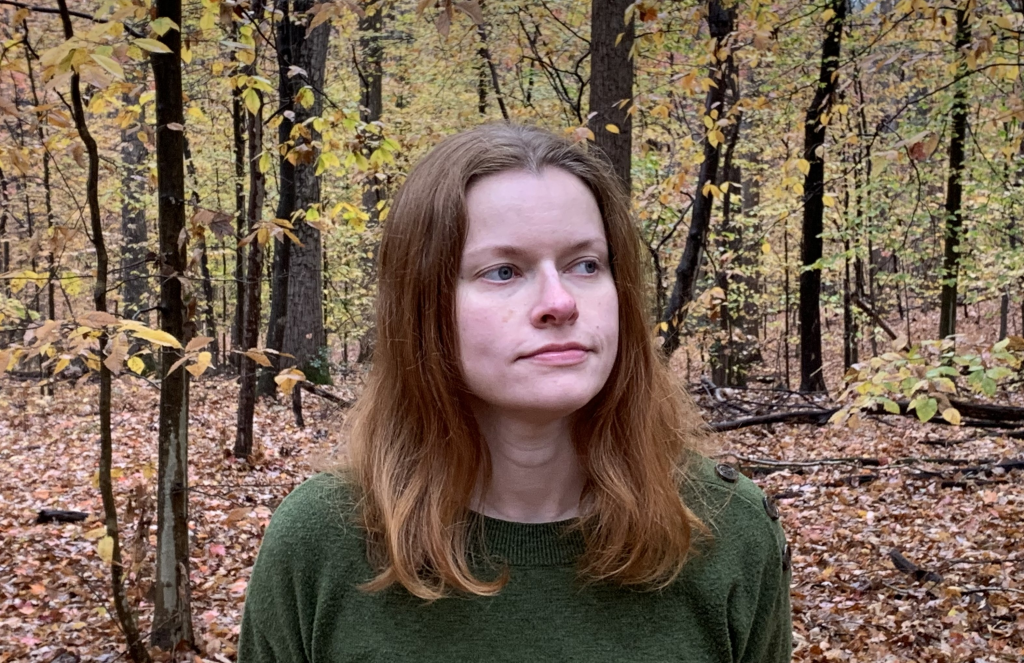
Ivy Grimes has been building toward this book for a while. Originally from Birmingham, Alabama, she holds an MFA from the University of Alabama and has published short fiction in The Baffler, Vastarien, and Maudlin House. Her collection Glass Stories came out through Grimscribe Press, and her debut novel The Ghosts of Blaubart Mansion was published by Cemetery Gates Media in 2025, a surreal Southern Gothic riff on Bluebeard that drew comparisons to Richard Brautigan and Karen Russell. On Penn State Altoona’s Horror Joy podcast, Grimes discussed growing up conservative and finding horror through filmmakers like David Lynch. The Cellar Below the Cellar, published by Violet Lichen Books and inspired by “Vasilisa the Beautiful” and the Alpine mythology of Frau Perchta, feels like the convergence of everything she’s been doing: fairy tale logic, Southern strangeness, women figuring out what they’ve inherited from the women before them.

The pacing, though, is where this book tests your patience. The middle third sags under the weight of Jane’s daily routine. How many times can we go to the Ospreys’ house, weed the garden, resent the Ospreys, and walk home? I lost count. Grimes is building a texture of domestic drudgery as a mirror for Jane’s spiritual stagnation, and I respect the intent, but goddamn, there were stretches where I wanted to grab Jane by the shoulders and say “go downstairs already.” The repetition works thematically but not always narratively.
The characters are a mixed bag. Jane herself is genuinely good company, funny in a self-deprecating way that never curdles into performance. Grandma is fantastic, the kind of terrifying matriarch who tells you to freeze yourself to the soil and means it literally. Little Mary is sweet and strange and a bit underwritten, which is fine for a five-year-old but less fine for a character supposedly being groomed as a spiritual heir. Pastor Dan and his wheelbarrow full of demon jars in mason jars covered in construction paper? That’s genuinely funny shit. The Ospreys are effective as petty tyrants, though they veer close to caricature before Grimes gives them the devastating grace note of their murdered son. Derek, the brother-killer who seems too gentle to have done what he did, is the character I wish had gotten more room.
The horror here is almost entirely implied, and that’s both strength and limitation. The Unraveling Place, with its bone fingers and curtained alcoves, is creepy as hell in concept. But because Jane spends the vast majority of the book refusing to go there, we don’t get much sustained time in the scary place itself. When we finally descend, it’s beautiful more than it is frightening. That’s a valid choice, and the image of a thousand skeletal hands gently brushing flesh from the dead is genuinely haunting, but readers expecting dread will find something closer to awe. It’s folk horror in the way that the old stories are horrifying: not through violence but through the implacable strangeness of what lies beneath ordinary life.
This is a good book that keeps almost being a great one. The prose is lovely, the fairy-tale architecture is smart, and the central metaphor of carrying the dead downward so they can be unmade and freed is the kind of idea that lives in your head for days. But the pacing stumbles, some characters get shortchanged, and the refusal to linger in its own darkness means the horror never quite reaches the pitch it’s reaching for. I’d still recommend it to anyone who wants their folk horror contemplative and strange, who likes post-apocalyptic fiction more interested in the soul than the supply chain. Grimes is getting better with every book.
The Cellar Below the Cellar by Ivy Grimes,
published March 25, 2026 by Violet Lichen.

 The Blog Without a Face
Leave a comment