




TL;DR: A punk-soaked NYC vampire rampage with an engine that still growls but a chassis that rattles. The subway carnage slaps, the grit feels lived-in, and the attitude is pure alleyway. What hasn’t aged well is the thudding edginess and cardboard taunts. Worth a curiosity read for horror historians; casual modern readers can safely shuffle it down the queue.

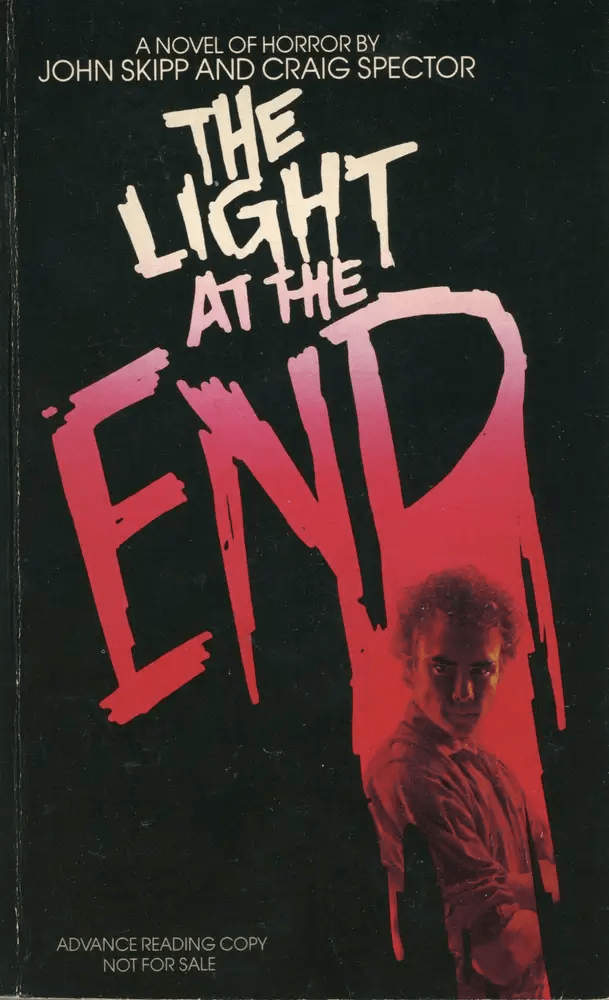
Dropping in 1986 at the dawn of splatterpunk, this was one of the loud paperbacks that swapped Gothic candlelight for fluorescent buzz and gutter water. John Skipp and Craig Spector’s debut pushes pulp velocity and cinematic smash-cuts, aiming for shock, speed, and street-level authenticity. The Crossroad Press digital edition keeps it in circulation, but the book’s true time capsule is the mid-80s New York stew of clubs, tags, and third-rail paranoia. Even within the opening salvo, you get a locked-in snapshot of that scene: late-night trains, headline-ready violence, and a city that feels like it is daring you to blink first.
A centuries-old predator rides the downtown lines and makes a bloody introduction beneath Manhattan. In the blast radius, downtown scenester Rudy Pasko collides with the monster and gets pulled into its orbit. Working-class bruiser Joseph Hunter, his friend Ian, and a knot of city survivors are forced to choose between keeping their heads down or hunting what hunts them. They need to stop the new vampire on the block before the city chews up more bodies and souls. We have graffiti, sweat, subway wind, and a killer that treats human life like pocket change.
The locomotive opening and the sense of a city as predator still hits. The prologue’s “dark train” sequence rides like a dare, packing a set-piece of panic, gunshots, and something grinning in the doorway while the platform lights flicker. It is blunt, ugly, and genuinely nervy, a reminder that horror can be mean without being coy. The imagery is simple but sticky: tunnels as arteries, rats like rising floodwater, neon grime as camouflage. Also enduring is how the book treats New York as a character that does not care whether you make it home. On the other hand, the swagger often leans on sneers instead of psychology. Antagonism is shouted rather than excavated, and the shock factor that once felt transgressive now reads like a bar band trying to out-volume the headliner.
The writing comes in jagged bursts, head-hopping for velocity, with movie-poster cutaways and hard stops. Scene construction favors smash entrances and exits over layered build, which keeps pages turning but blurs nuance. Dialogue is a cocktail of street tough, punk zine, and cable-late-night, sometimes landing, sometimes clanking like a dropped pipe. Contemporary readers will clock the dated gender dynamics and the habit of flattening secondary characters into types. The book’s moral framing is pulp clean: heroes gut it out, creeps preen, the city shrugs. That punchy simplicity can be refreshing between denser reads, but it also limits re-read value. The timeless bits are the kinetic blocking and the honest love of monster-movie momentum; the dated bits are the performative nihilism and a reliance on insult as character sketch.
Two threads run loudest. First is predation as urban ecology. The vampire is not a tragic aristocrat but a commuter predator, an apex thing that treats infrastructure as food chain. Body violation becomes civic violation, and survival looks like learning the map or being erased from it. Second is rage and impotence. Joseph Hunter’s “I want out” ache frames the book’s working-class fatigue, where every day is an endurance test against random cruelty. Horror machinery translates those anxieties into something you can punch, stab, or set on fire. You leave the book feeling a little sweaty and a little empty, like you stepped off at the wrong stop at 3 a.m. and the wind started talking.

Its footprint is more vibe than blueprint. Alongside a handful of peers, it helped shove vampires into nightclubs and alleys, laying mood for later urban-fang fare that treated the undead like subcultural predators rather than castle ghosts. It also gave newer splatter writers permission to go for broke in public transit and other ordinary spaces, where horror tastes better for being unsanitary.
In Skipp and Spector’s output, this reads like the mission statement: speed, gore, the city as a meat grinder. In the 80s canon it sits below the very top shelf but near the front of the splatterpunk row, a noisy neighbor to other era pieces that traded Gothic velvet for street grime.
A historically interesting, high-energy bite that still draws blood in spots, but the barked attitude and thin character work dull the fangs for contemporary readers. If you are mapping the era, ride this train. If you are only picking a few vampire classics, there are stronger tickets to punch.

Read if you crave a fast, sweaty city horror; you like vampires who bite first and monologue never; you enjoy paperback-era shockers that smell like old newsprint.
Skip if you need layered character arcs over speed; you hate pulp edginess and rat-pack mayhem; you require modern nuance in gender and social framing.
The Light at the End by John Skipp & Craig Spector,
first published in 1986.
 The Blog Without a Face
Leave a comment