



TL;DR: A formally playful gothic fever-dream that commits to its premise: a chemically minded narrator, a horse-sized “experiment” crow, and weaponized mimicry that turns voice into contamination. It earns Sinister Selection status by going past pretty dread into moral rot and consequences, then sticking the landing with imagery that stays ugly, intimate, and unforgettable.

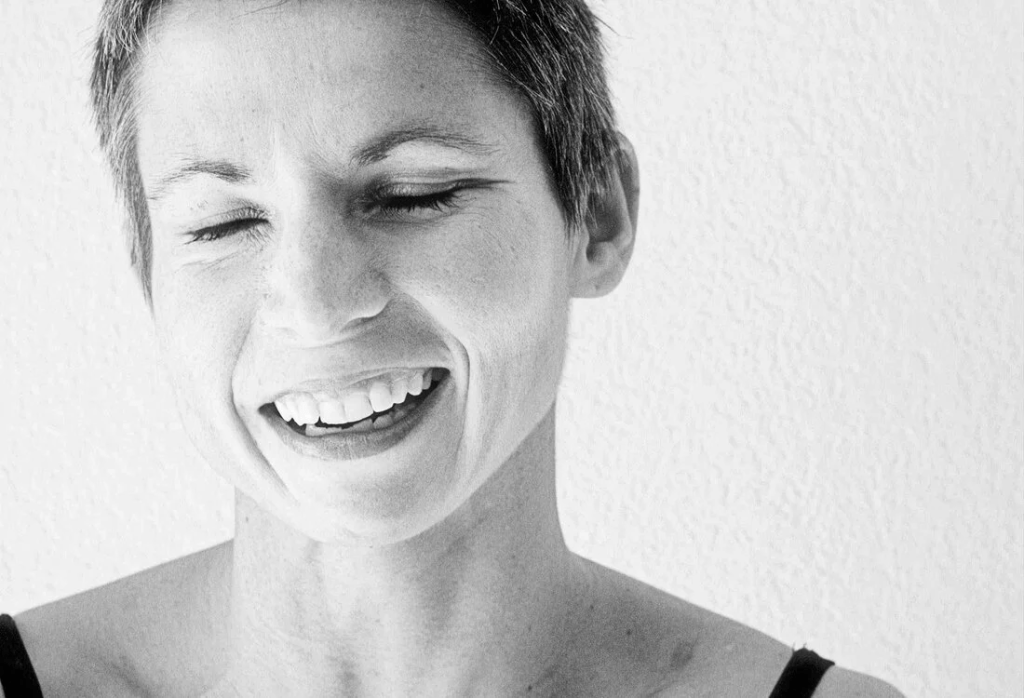
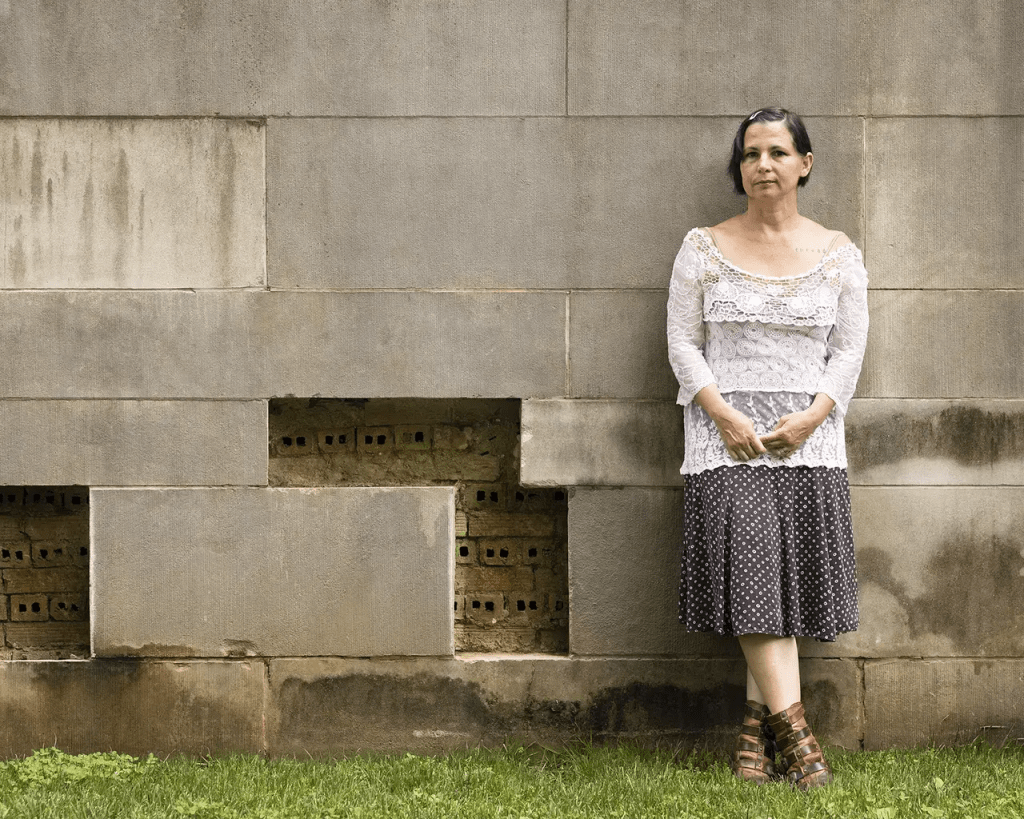
Kirsten Kaschock comes to fiction through poetry, and you can feel it in how she handles compression, recurring images, and the way a single object can keep changing meaning depending on who is looking. She’s also not new to genre-splicing: her earlier novel Sleight leans into art, performance, and dread, and her interviews and bio material consistently frame her as a writer interested in the body, perception, and the unnerving edges where form stops behaving. The Pew Center for Arts & Heritage has featured her as a fellow, and those conversations emphasize her practice and discipline as an artist, which tracks with how controlled this book is even when it gets fucked up. She also has a deep bench of poetry collections, and that background explains why An Impossibility of Crows can be formally playful without losing narrative momentum. This novel sits as a later-career pivot that feels less like “poet tries a creepy premise” and more like “poet-engineered horror machine,” where lyric intelligence is used to sharpen consequences. The through-line across her career seems to be Kaschock building toward a fiction that lets language do harm.
There’s a peeling white barn with a starry hex sign two backroad hours from “elsewhere.” There’s also a crow inside it, the size of a horse, like the world’s worst county fair prize and the world’s best bad idea. And there’s Agnes, our chemically minded narrator, looking at that premise the way a person looks at a beaker that is absolutely about to boil over and says: great, I can manage this. That combination is the hook and the threat. The novel is formally playful but never cute about it, like it’s willing to flirt with the aesthetic pleasure of a gothic setup only so it can snap your fingers in it later.
Near the top, the book tells you what kind of voice you’re dealing with. Agnes is first-person, self-lacerating, smart, and intermittently hilarious in that “I am trying to control the narrative so I do not have to control my life” way. She thinks in terms of properties and reactions, but the thing she keeps reacting to is not a chemical. It’s longing, it’s guilt, it’s the rot of inheritance, it’s the part of motherhood that can curdle into possession. She’s also a mimic in her own right, constantly sampling other languages, other people’s judgments, even the texture of poetry, because she wants to explain this like an experiment that simply went sideways. The book’s trick is that she is not lying to you, exactly. She is just very invested in framing.
After her father dies, Agnes returns to her family farm in Letort with her husband Bruce and their daughter Mina, and she begins breeding crows in the barn. She raises one in particular, Solo, as an offering to her child, a strange attempt at a gift, a companion, a set of wings. Solo grows huge, grows clever, grows vocal, and the family’s fractures begin to rhyme with the bird’s evolution. The farm turns into a closed system where everything that was buried comes back up, feathers first.
What makes the premise work is that Kaschock builds tension through escalation that feels inevitable rather than plotty. Solo’s mimicry starts as eerie novelty, then becomes communication, then becomes strategy. Agnes keeps “responding to my experiment,” which is an incredible line of rationalization because it makes her complicity sound like professionalism. The barn becomes an atmosphere engine: peeling wood, damp hay, the sense of a place holding records it never agreed to keep. When Solo begins marking, gouging, staging his presence as if he’s writing back, the book turns language into choreography. You’re not just afraid of teeth and talons; you’re afraid of interpretation. You’re afraid of what it means that this creature can mirror you and still not be you.
Kaschock is also sharp about what she shows versus what she withholds. Some of the most disturbing sequences are narrated with a kind of stunned sensory accounting, the mind refusing to grant the scene its full audio track until it’s too late. When the community of crows turns, when their social order starts arguing and skirmishing in agitation, it reads like the natural world issuing a verdict. And when the book does go explicit, it commits. The Scylla material is not coy, not tasteful, not “fade-to-symbolism.” It’s written with a horrified clarity that makes you feel the cost of looking, and also the cost of looking away.
Character work here is nasty in the best way because nobody gets to be a clean archetype. Agnes’s motives are braided: love, grief, pride, control, curiosity, spite, all of it. Bruce is not just “the husband who doesn’t get it.” He’s someone who can love a family and still want out of it, and the divorce thread lands not as melodrama but as consequence, a pressure gauge cracking. Mina, crucially, is not just a symbol-child. The book keeps returning to the reality that she is a person in this system, and that the adults’ obsessions have weight, literal danger weight. Even Bethany and the family history elements feel like part of the same chemical chain: a sibling relationship that can be tender and punishing in alternating pulses.

The imagery is where this becomes a Sinister Selection. The hex sign and the barn are not quaint “folk detail.” They’re the front door of a lineage, a way of saying: this place has practices, and you are not the first person to try to bargain with what lives here. Solo himself is mythic without turning into vague vibes. He is huge, yes, but also specific, hot-breath present, with eyes that Agnes keeps reading as “maybe a little bit dead.” The recurring motifs of mimicry and voice do more than decorate. They become the book’s moral structure. When a creature can repeat you, what is responsibility? What is consent? What is creation, and what is exploitation dressed up as love?
The structure is clean and purposeful: ten chapters, each titled like a collective noun, and each one nudges the system toward collapse. The mid-book doesn’t sag so much as it tightens in a slow ratchet, because the “experiment” keeps accruing stakes. Reveal timing is smart: you learn enough about the family history to understand why Agnes is wired the way she is, but not so much that it turns explanatory. The plot keeps moving because Agnes keeps doing things, often the wrong things, but always in a way that feels psychologically inevitable.
Sometimes the book’s intelligence makes you admire the machinery when you want to be fully inside the panic. There are moments where Agnes’s analytic voice holds you at a slight distance, like she’s still trying to write her way out of culpability. Some readers will adore that coolness. If you want a more purely immersive, blood-in-the-mouth sprint, you might feel the authorial control a little. But if you like horror that treats language as part of the monster, and if you enjoy gothic domestic dread where the “creature feature” is also a family argument with talons, this thing absolutely rules.

Read if you love literary weird that commits to the bit: a chemically minded narrator running a “simple experiment” straight into the ditch at 60 mph.
Skip if you prefer your “creature” horror straightforward rather than braided with voice, ethics, and psychological contamination.
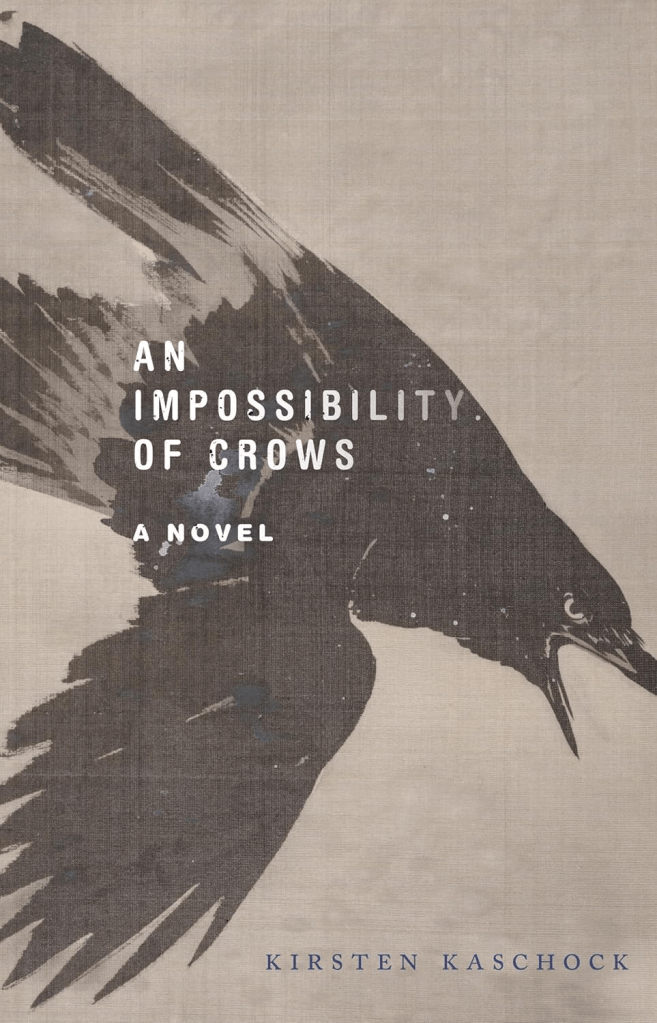
An Impossibility of Crows by Kirsten Kaschock,
published March 3, 2026 by University of Massachusetts Press.
 The Blog Without a Face
Leave a comment