
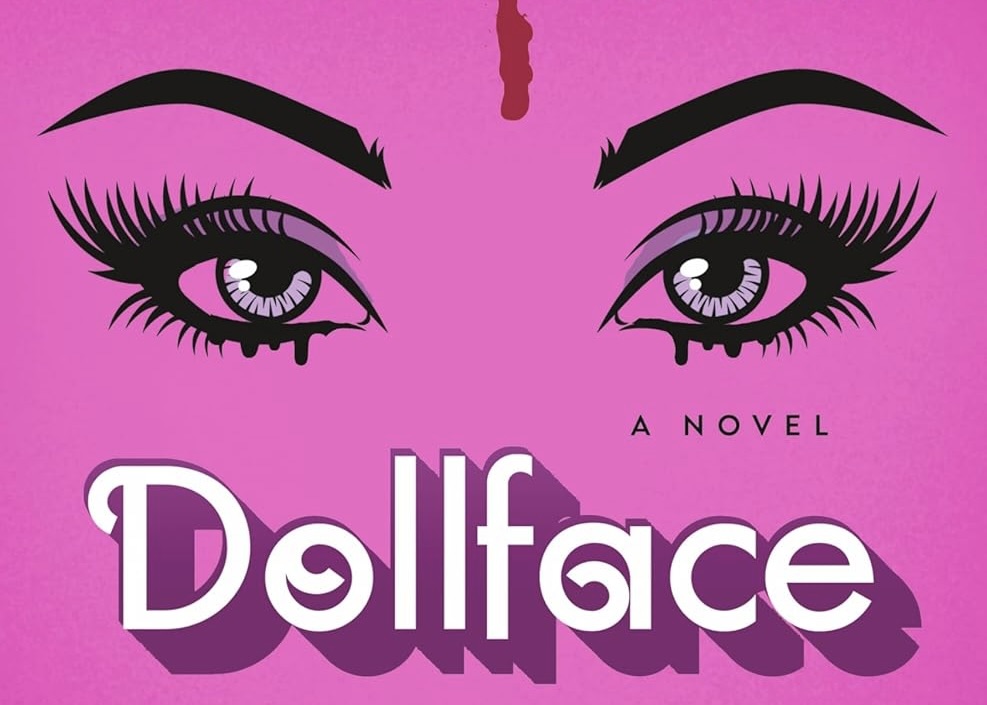
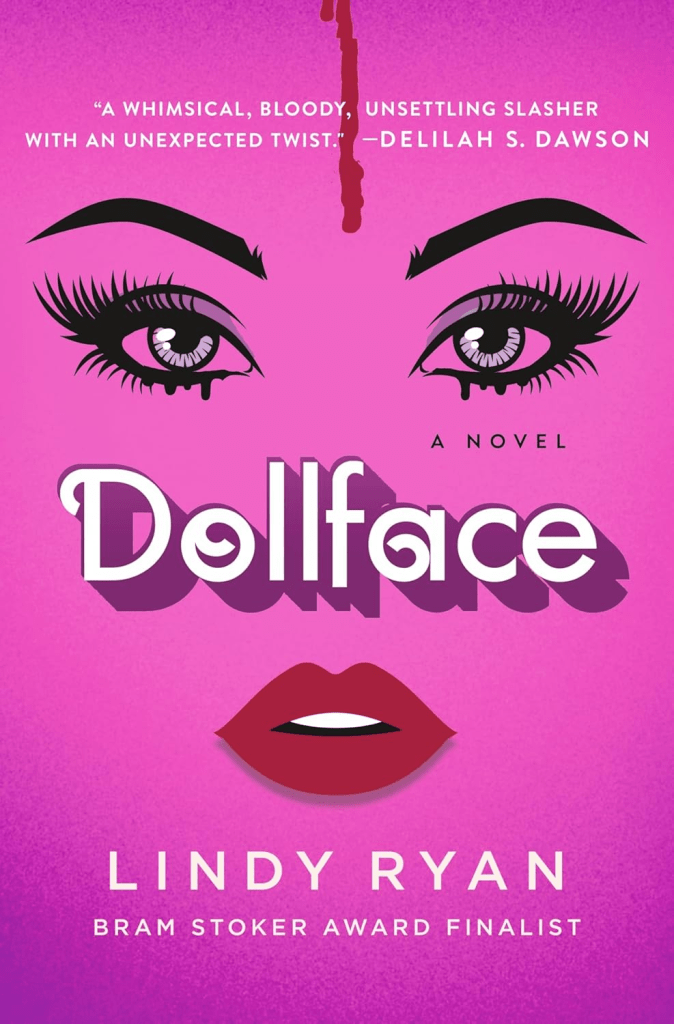





TL;DR: Dollface is suburban slasher catnip: sharp, funny, and vicious, with PTA politics turned into a weapon and a killer who understands the power of a smile. Lindy Ryan nails the social pressure cooker, then drenches it in blood and bad vibes, delivering a brisk, bingeable nightmare that skewers “nice” culture while keeping the body count high.

There’s a specific kind of suburban terror that starts with a “welcome basket” and ends with you realizing the basket was a leash the whole damn time. Dollface by Lindy Ryan is a brisk, gossipy, blood-spattered PTA slasher that knows exactly where to stick the knife: right in the soft underbelly of women being forced to perform “nice” while quietly boiling alive.
This book climbs its escalation ladder like it’s late for carpool. Step one is humiliation dressed up as hospitality: Jill Marshall, horror author and exhausted military spouse, gets dropped into suburban New Jersey with a kid, a dog, and a brain that cannot stop scanning for threats. She’s already primed by an old wound, the kind of grief that turns mirrors into enemies. Then Darla Lashett, queen bee of the Brunswick Elementary PTA, arrives like a perky missile with a gift basket and a smile so bright it could power the whole neighborhood. The trap is social before it’s physical. Jill gets pulled into brunch, into the group text, into the rules of the room. She meets the PTA board with Maribel the icy VP, Kellen the polished fundraiser, Sasha the sour treasurer, Beth the mousey secretary, and later Rosa from the library, who “never forgets a face.” The vibe is not “new friends,” it’s “high school never ended, it just got better handbags.”
Step two is the book’s big tonal flex: it lets you laugh, then punishes you for it. The Dream Bean Café scene is a perfect example. The barista Barb is rude in a petty, real way, and the writing captures that specific modern cruelty of customer service power games. Then the next rung hits: Barb winds up murdered, and the shape of the violence is so kitchen-counter ordinary it makes your stomach do that little cold flip. The book’s horror is best when it leans into the vulgar practicality of harm. Not ornate supernatural fog. Just a body, a tool, and somebody close enough to do it.
From there, the tension escalates through a tight loop of social cruelty and physical consequence. Jill’s dread mechanics are classic slasher, but with an extra layer of “mom group surveillance”: the group text is its own kind of stalking, the constant notifications and gossip acting like a chorus that keeps dragging the knife back into view. The attacks start to cluster around the women in Darla’s orbit, and the book keeps you asking two questions at once: Who is doing this, and why does the social machinery feel like it’s helping? Even when Jill is doing domestic life comedy bits with her husband Rob, there’s always something off in the periphery. A moved coffeepot. A smell that doesn’t belong. A too-intimate knowledge of someone else’s life. That’s the book’s most effective trick: it makes the neighborhood itself feel like an accomplice.
Voice and POV are doing a lot of heavy lifting here, mostly successfully. Jill narrates in first person with a chatty, referential, horror-nerd brain that is constantly making connections. Sometimes that’s funny as hell. Sometimes it borders on over-explaining, like she can’t help narrating her own anxiety into a tidy box. But it fits the character: she is someone who uses stories to survive, and Ryan uses that to blur the line between Jill being perceptive versus Jill being the kind of person who can turn a PTA agenda into an evidence board. The pacing is quick, scene-to-scene, with cliffhangers and chapter breaks that keep the pages turning. The tradeoff is that a few beats feel engineered, like the book is scooting you to the next rung of the ladder whether or not the emotional moment has fully landed. It rarely drags, though, and that counts for a lot.
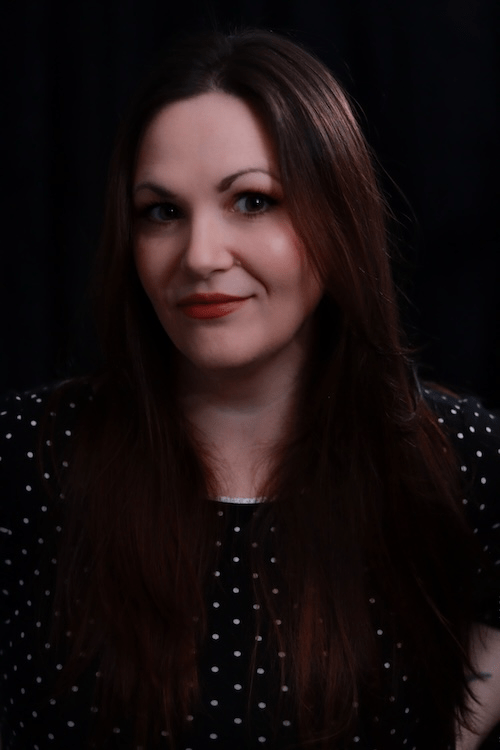
Lindy Ryan has built a career across horror fiction, editing, and genre community work, and she’s been positioned not just as a novelist but as a curator and advocate for horror’s ecosystem. She is an author-in-residence at Rue Morgue and her work as a BookTrib columnist, plus her “Star Watch” recognition from Publishers Weekly. That background shows up in Dollface as a kind of genre-savvy confidence. She knows slasher rules, she knows how to pace reveals, and she knows how to turn a “girly” object like makeup into both weapon and ideology without smirking at it. If you’ve read her Bless Your Heart work, it also tracks that she likes readable, high-hook storytelling with a strong sense of entertainment value, even when she’s aiming at darker cultural nerves.

The character work is a mixed bag in an interesting way. Jill is solid: anxious, competent, self-deprecating, and genuinely wounded. Her relationship with Rob is one of the book’s best stabilizers, because it reads like an actual marriage rather than a plot device, and it gives the story a heartbeat that isn’t just “who’s next.” Darla is the real driver, though. The book is obsessed with her in the same way the neighborhood is: her performative sweetness, her hunger to be liked, her need to control the room. Even when she’s not “doing” anything, she’s doing something. That’s effective, and it’s also where the book can feel a little too tidy. Some of the PTA women are deliberately archetypal, and while that works for satire, it also means a couple of them function more as pressure points than as fully unpredictable humans.
Imagery and setting are sharp and consistent. The suburbs are full of beige houses, manicured lawns, MLM samples laid out like surgical instruments, the “Doll’s Night” living room with mirrors and product trays that start to look like a ritual altar. The recurring motifs are smart: stitches and seams, “full coverage,” masks, the smell of silver polish, the way “fixing flaws” becomes a moral language. It’s all very legible thematically, and that’s both the strength and the limitation. The symbolism is not subtle. But it’s also not particularly slippery. You can see what it’s doing, which makes the reading experience satisfying and brisk, but not brain-haunting.
If you love slasher-forward, popcorn-readable horror that still has real anger under the glitter, you’re going to have a blast.

Read if you enjoy “mean girls” energy with knives, mascara, and a body count.
Skip if suburban gossip makes you itch and you’d rather hauntings than handbags.
Dollface by Lindy Ryan,
published February 24, 2026 by Minotaur Books.
 The Blog Without a Face
Leave a comment