
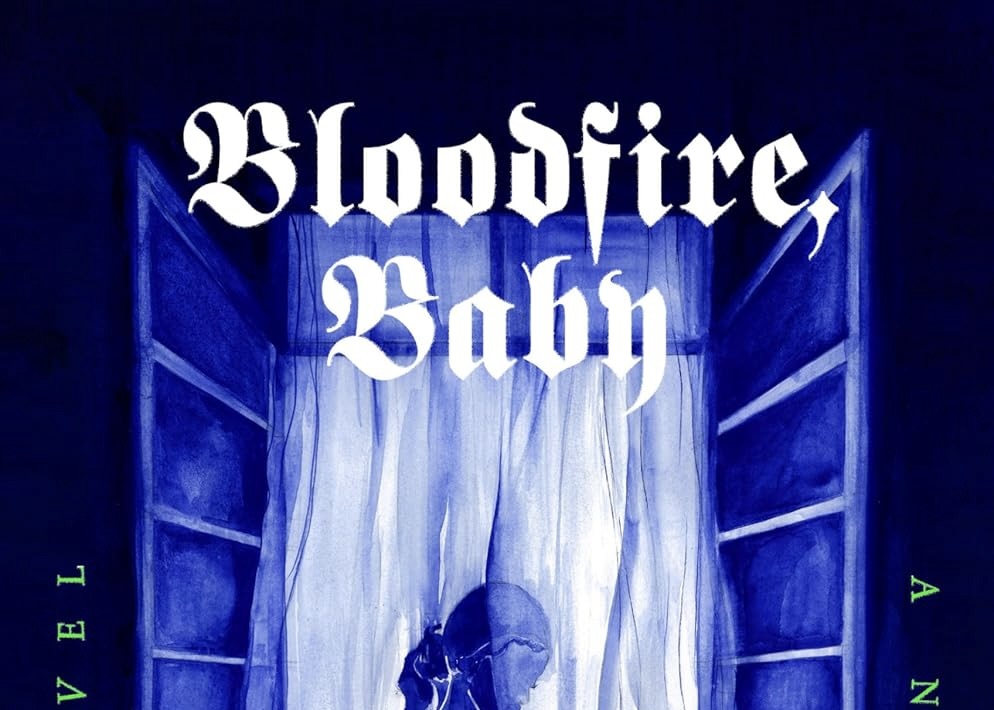
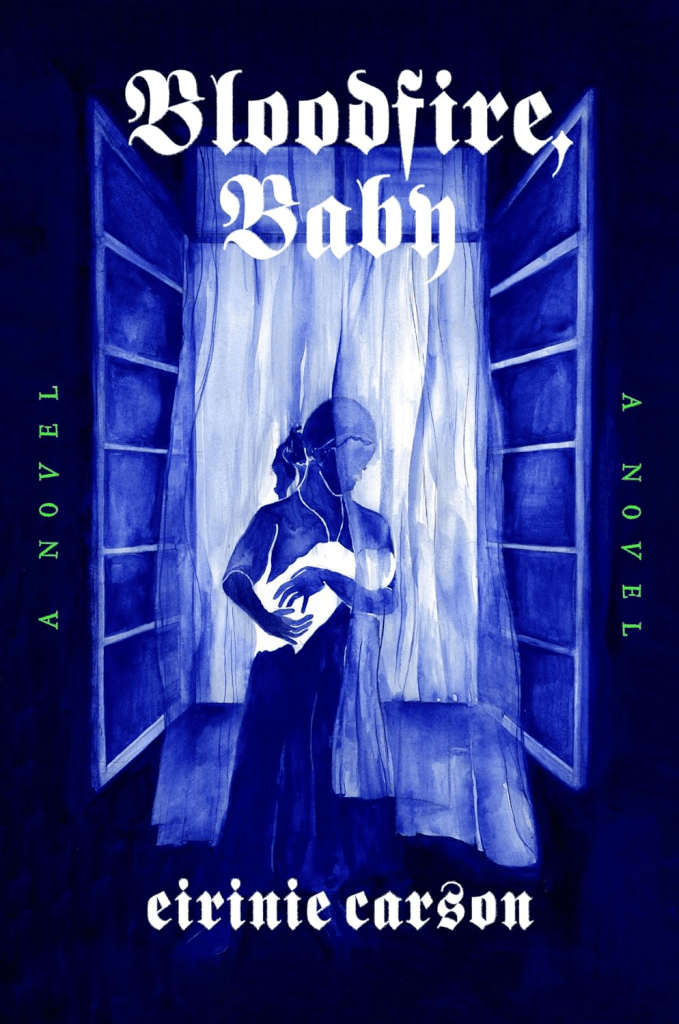




TL;DR: Bloodfire, Baby is postpartum horror that turns nursery silence into a pressure chamber, threading creeping supernatural menace through the brutally specific mechanics of anxiety and sleep-starved obsession. It lands as a sticky, voice-driven spiral with real bite and heat, best for readers who like their scares intimate, ambiguous, and emotionally ugly in the most human way.

This book smells like scorched meat and stale panic, like you left the stove on but it’s your own brain that’s burning. Sofia is new-mom exhausted and new-mom terrified, the kind of terrified that turns every mundane object into a potential murder weapon and every quiet into a trap. She posts up beside the crib like a sentry, doomscrolling WebMD and Reddit, convinced the baby monitor will fail, convinced the swaddle will suffocate, convinced she will become the cautionary tale she can’t stop reading about. And then there’s the other worry, the one that doesn’t fit in a parenting app: the shadow in the living room that “seems to be growing.”
Sofia and Emil have a newborn, a beautiful house, and a life that looks excellent from the outside. Inside, Sofia is unraveling, and the unraveling is vicious. She senses an intruder or a presence, while her own mind slides into depersonalization and paranoia, and the book keeps asking the nastiest question in this subgenre: is the monster in the room, or is it the person holding the baby?
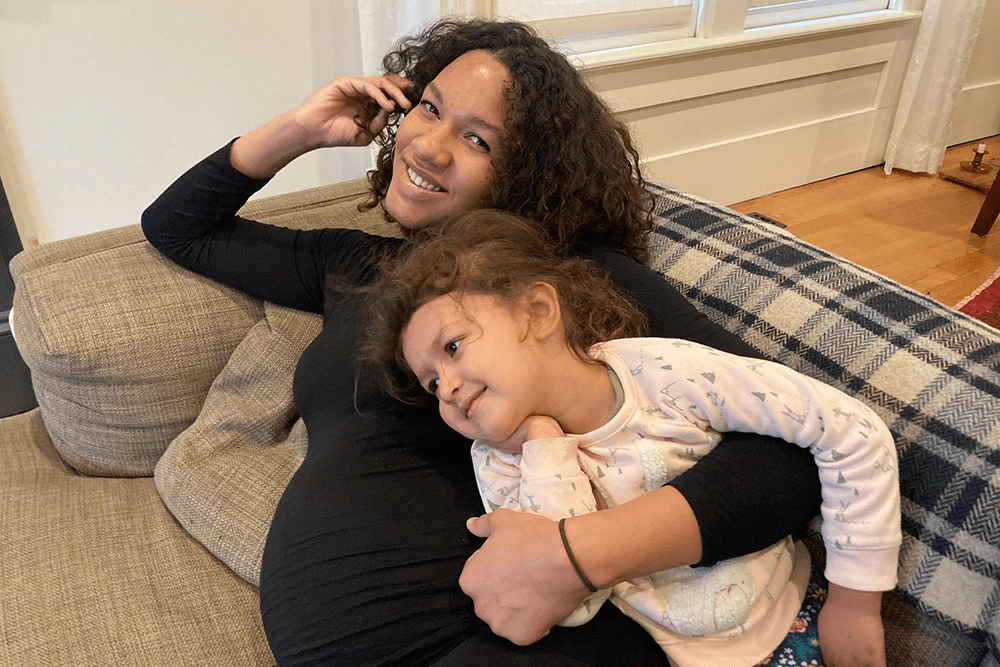
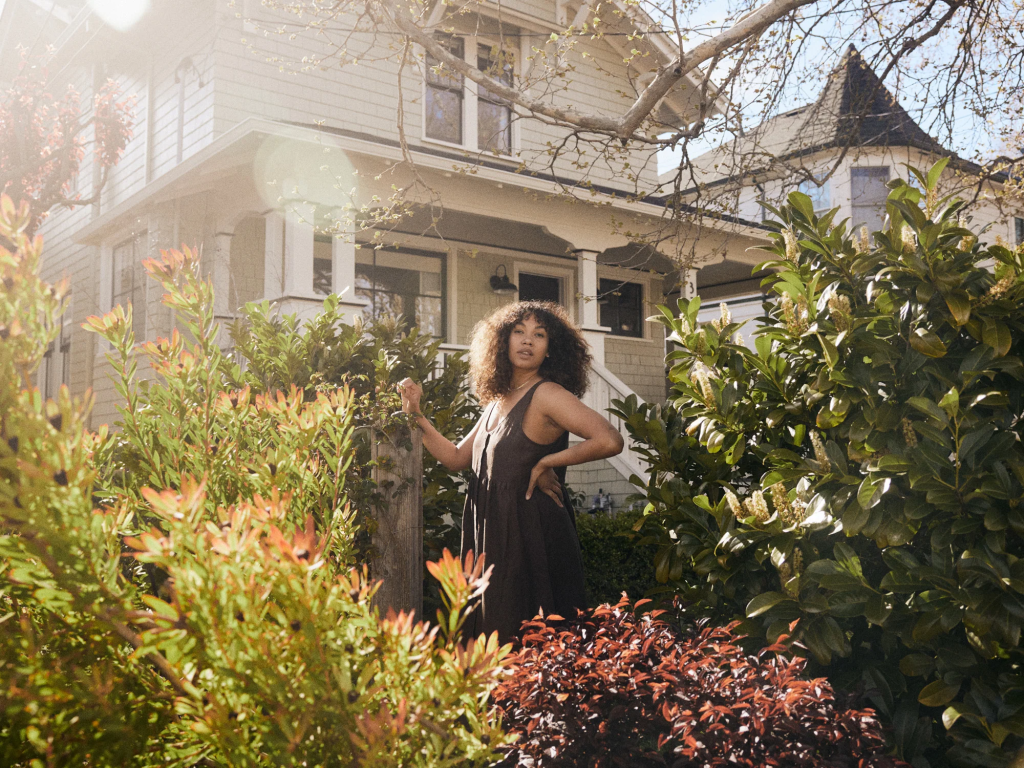
Eirinie Carson is a Black British writer living in California, and her published work spans essays and literary pieces in outlets like LitHub and Electric Literature, along with regular contributions focused on motherhood and family life. She’s connected to the San Francisco literary community through The Writers Grotto, which helps explain the book’s confidence with voice and its refusal to sand down thorny interior monologue into something “relatable.” Bloodfire, Baby is her first novel, which tracks with how hungry and concentrated it feels, like a debut that picked its obsession and wouldn’t let go. An interview focused on writing grief without cliché also emphasizes her interest in grief and emotional truth-telling, and you can feel that here in the way she lets motherhood be both love and annihilation without rushing to make it inspirational.

Carson writes first-person like a hand clamped over your mouth. The voice is immediate, breathy, compulsive, and sometimes hilariously mean in that sleep-deprived way where your moral compass is buffering. Sofia’s interiority is tight and claustrophobic: looping thoughts, ritualistic checking, the compulsions that pretend they’re “responsible parenting” until they curdle. The tonal consistency is one of the book’s biggest strengths. Even when Sofia says something objectively wild, it still feels like it’s coming from the same exhausted nervous system that’s been awake for forty years, not a writer yanking levers for Plot. When she describes nights as “found footage,” half-images and audio blur, that’s not just a cool line.
The pacing is mostly muscular, because the scenes are chosen for pressure, not for coverage. Carson does not waste your time on the polite version of motherhood. She gives you the repetitive labor as horror choreography: the baby is undressed, cleaned, redressed, fed, rocked, and the repetition itself becomes a trance, a spell, a cage. The middle stretch leans hard into isolation and surveillance, and if you’re not a fan of narrators spiraling in a dark room, you’ll feel a little mid-book drag. But it’s an earned drag, the kind that mirrors the days melting together when the baby sleeps in bursts and you stop trusting time. When a friend shows up “unannounced” and the living room glows red like an Argento film, the book is doing what it does best: turning domestic lighting into an omen.
Character work lands because the relationships are sharp-edged, not inspirational. Emil reads as the kind of competent partner who still does not grasp the scale of the psychic emergency, which is a familiar and painful dynamic. Dominique’s visit has that awful intervention energy, and Sofia’s reaction is both terrifying and weirdly legible: she thinks they’re “texting like traitors,” she refuses to turn on lights, she threatens violence if anyone takes the baby. Even Buffy, the mother-in-law, isn’t a cartoon villain. She’s just someone with a stable narrative of family and inheritance, which becomes a pressure point when Sofia realizes her own story has been withheld or burned away.
Setting and imagery do a lot of heavy lifting. There’s California drought talk and a modern “we need it” rain-dance refrain, plus the sense of fire rage somewhere out of view. The house becomes a creature: it “smells funny,” like burning meat or hair, and Sofia can’t locate the source. That’s a simple sensory detail that keeps blooming into dread, because it could be external danger or internal rot. Carson repeats motifs of darkness, heat, and bodily need, and she’s very good at making the reader feel sticky, thirsty, over-alert.
Dread mechanics here are two-layered. On layer one, it’s the creeping-haunting vibe: the “shadow person,” the hooded figure, the sense of being visited. On layer two, it’s the mind turning predatory, the narrator watching herself like she’s evidence. Sofia Googles safety protocols and then starts doing things that feel like safety twisted into sabotage, like hacking sleeves off onesies and obsessively clicking the thermostat because of SIDS fears. The book tightens tension by keeping the “is it real” question active while still letting concrete incidents happen. You get just enough specificity to feel endangered, and just enough unreliability to feel complicit.
Halfway through, the book makes a smart pivot into lineage, not as a tidy healing arc but as a source of power and rupture. It starts naming women, stacking generations like a chant, and it reframes the haunting as something braided into inheritance rather than a random spook in the hallway. And later, when Sofia sees shadows lining the nursery “shoulder to shoulder,” the fear drains and the scene flips from terror to terrible solidarity. That’s the kind of move that separates a decent postpartum-spiral book from one that wants to talk about history, race, and who gets to have a “known and solid” foundation.
The ending goes for rupture and recognition more than neat closure. The book doesn’t click every lock into place, and it shouldn’t. It leaves you with the sense that the scariest part is not whether Sofia was haunted, but what it costs to be disbelieved, and what it costs to finally be seen. There’s a late turn where “proof” arrives in a way that is both clarifying and destabilizing, and it feels earned because the novel has been building toward the idea that the camera, the witness, and the self are not always on the same side.
The spiral is intense and sometimes monotonous by design, and if you want external plot movement every twenty pages, you may get itchy. Also, the book’s power is in sensation and interior logic, so readers who need hard supernatural rules might feel teased. But if you like psychological horror that uses motherhood as the doorway to bigger questions about inheritance, identity, and who gets to feel safe in their own house, this is a strong, sticky read. It’s clearly enjoyable, frequently sharp, and it knows exactly how to make a nursery feel like a chapel and a crime scene at the same time.

Read if “Is it haunted or am I losing my mind?” is your favorite kind of nightmare math.
Skip if postpartum mental health themes are a no-go for you right now.
Bloodfire, Baby by Eirinie Carson,
published February 17, 2026 by Dutton.
 The Blog Without a Face
Leave a comment