
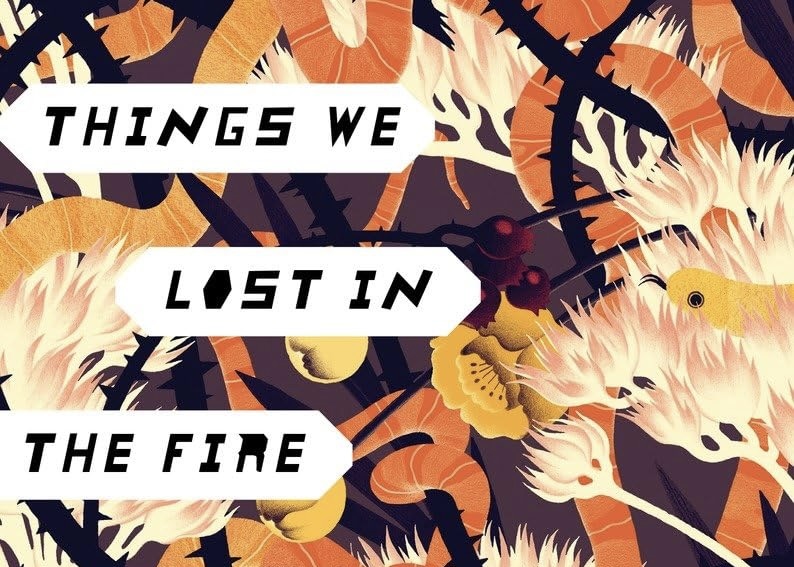
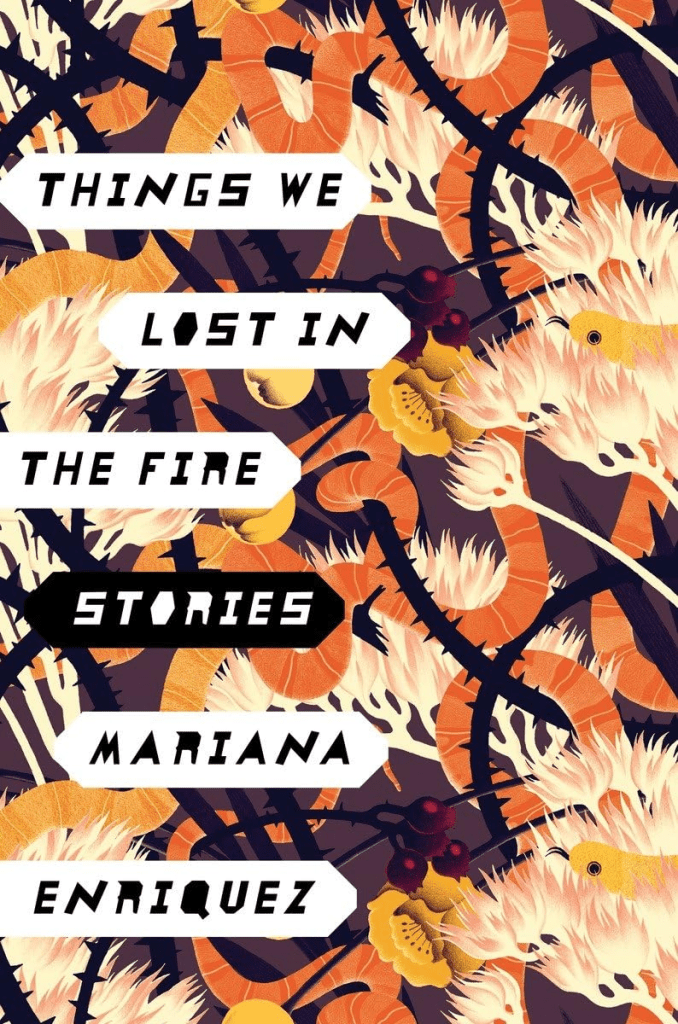






TL;DR: A decade on, this collection is still a street-level séance, feral and compassionate, that makes Buenos Aires feel haunted in daylight. Some late pieces resolve too neatly and a few shock beats read like the internet’s creepypasta era, but modern readers should bump it to the front of the queue because it bites, thinks, and lingers..

Published in Spanish in 2016 and arriving in English in 2017, the book dropped into a moment hungry for women-led horror in translation and the new Latin American Gothic. The milieu is contemporary Argentina, still riddled with scars from dictatorship and economic whiplash, and Enriquez taps the city’s real neighborhoods, occult folkways, and class divides rather than fantasy kingdoms. The English edition by Hogarth, translated by Megan McDowell, helped kick the door open for a wave of Southern Cone uncanny fiction in English, and it came with the quiet controversy that the book is not “about” serial killers or neat monsters, it is about the monsters poverty and patriarchy breed.
These are urban and peri-urban ghost stories where human rot calls the supernatural like a stray dog. A young woman in Constitución becomes obsessed with “the dirty kid” who panhandles with Saint Expeditus cards until a ritual killing scrapes her nerves raw. Teen friends dare each other into a cursed house. A wife watches her neighbor feed something in a courtyard. A social worker wades into slum-water that hides an old god. Women begin burning themselves in public, turning disfigurement into revolt. The point of view shifts story by story, but the texture stays tactile, humid, and municipal: tracks, plazas, bus stops, dark courtyards, police tape, altars, stray candles, scabby saints.

Why it endures comes down to three things. First, the city as character. Enriquez maps terror onto blocks and bus routes, so fear feels public, not private; you are not trapped in a castle, you are trapped in infrastructure. Second, her image system marries folk devotion and urban decay, red candles and blackouts and saints with skull faces, so that a whispered “Bye, neighbor” turns into a curse that follows you home. Third, righteous rage, especially in the title story, where body horror turns into mutual aid and protest. Several images still wallop: the stitched eyelids in “The Dirty Kid,” the choking, dust-thick rooms of “Adela’s House,” the glistening, sewage-colored river in “Under the Black Water,” and the final burned faces held like medals by women who refuse to be pretty for predators. Even a little quoted phrase, “Bye, neighbor,” carries the cold breath of witness and complicity.
The prose moves like a long walk home at 1 a.m., observant, gossipy, then suddenly violent. Diction is plain until it isn’t, the way real fear is boring until it isn’t. Scenes open with domestic detail, then widen into menace, which suits a contemporary audience that lives on crime-blotter feeds. The first-person voices are strong, especially when they undercut themselves with petty judgments, and McDowell’s translation keeps that talky Argentine music while never gumming the gears. What reads timeless is the calm eye for place, the social realism that never apologizes for being supernatural too. What dates a little are a couple of twist buttons and a handful of shock flourishes from the mid-2010s creep renaissance. Some gender and class framings are purposefully abrasive, but when characters project contempt onto sex workers or addicts the narration knows it, and the stories make you sit in that discomfort. Tech is blessedly background noise, which keeps the pages from aging like milk.
Themes? Grief for the disappeared, yes, but also anger at the daily disappearances poverty enacts. The horror machinery literalizes civic failure. Body dissolution becomes loss of social self, a woman burned past recognition becomes unharvestable by a world that only wants her as an object. Faith is barbed wire here; saints and spells are not cute, they are binding contracts people make with hunger. Another thread is complicity: middle-class narrators who cherish “edgy” neighborhoods until the edge cuts, landlords who turn a blind eye, cops who carefully do not see. What lingered the next day was the sense of being watched by the places you pass through, and the question, what debt do you owe to the lives you step over on your commute.

Legacy and influence are already visible. The book helped normalize an openly political, locally rooted Gothic in translation, and you can trace its street-saint ambience and civic horror into later Latin American story collections and into English-language writers who stopped treating “South American horror” as a single jungle full of Macondo parrots. It also minted a now-familiar move in short horror: hard social fact in paragraph one, a ritual in paragraph two, and a moral bill at the end that cannot be paid.
The English translation by Megan McDowell from 2017 is sharp, idiomatic, and keeps the streetlight glare alongside the folk-devotional lexicon, a sweet spot for readers who dislike clunky foreignizing or vanilla smoothing. If you can find an edition with Enriquez’s brief author or translator notes, even better, since the local saints and neighborhoods reward a little context, but the stories stand on their own. The original 2016 Spanish from Anagrama remains the most rhythmically jagged version if you read both languages.
Within Enriquez’s arc, this collection is the springboard that made her an international horror heavyweight, the tight, city-scale counterpart to the later, more novelistic sprawl of Our Share of Night. In the decade’s canon, it sits with the strongest short horror in any language, that sweet rank between Samanta Schweblin’s Fever Dream and Carmen Maria Machado’s Her Body and Other Parties, but dirtier, more municipal, more candle-wax and brick dust.
Ten years later it still stalks you from the curb, holy candles guttering, and it proves that the most frightening ghosts are the ones with a mailing address.

Read if you want women-driven horror that is political without slogans, can handle poverty on the page, love endings that leave a bruise.
Skip if you need puzzle-box twists every time, hate on-the-nose violence against children, require a supernatural “system” with rules.
Things We Lost in the Fire by Mariana Enriquez,
published February 10, 2016.

 The Blog Without a Face
Leave a comment