Dreadful Digest Vol. 9 is a five-course panic attack plated in hot-pink satire and institutional grime: celebrity “ethics” that curdle into a glow job from hell in Cruelty Free, a post-collapse hospital that still has rules and secrets in The Hospital at the End of the World, Mary Shelley’s grief squeezed into gothic wish-logic in The Glowing Hours, an island missing-person hunt wrapped in a folk-horror trench coat in The Bone Queen, and a Tokyo tasting menu where class, desire, and consumption get sharp enough to draw blood in Greedy. The connective tissue is appetite, in every form: for attention, for safety, for resurrection, for answers, for status, for meat, for the comforting lie that a clean label means clean hands. These books are mostly legible, propulsive, and very filmable in their set pieces, but they still deliver real stink and bite, the kind of body-forward discomfort and moral rot that keeps the pages turning even when you’re whispering “oh, for fuck’s sake” at the characters.
Cruelty Free: Glow job from hell.
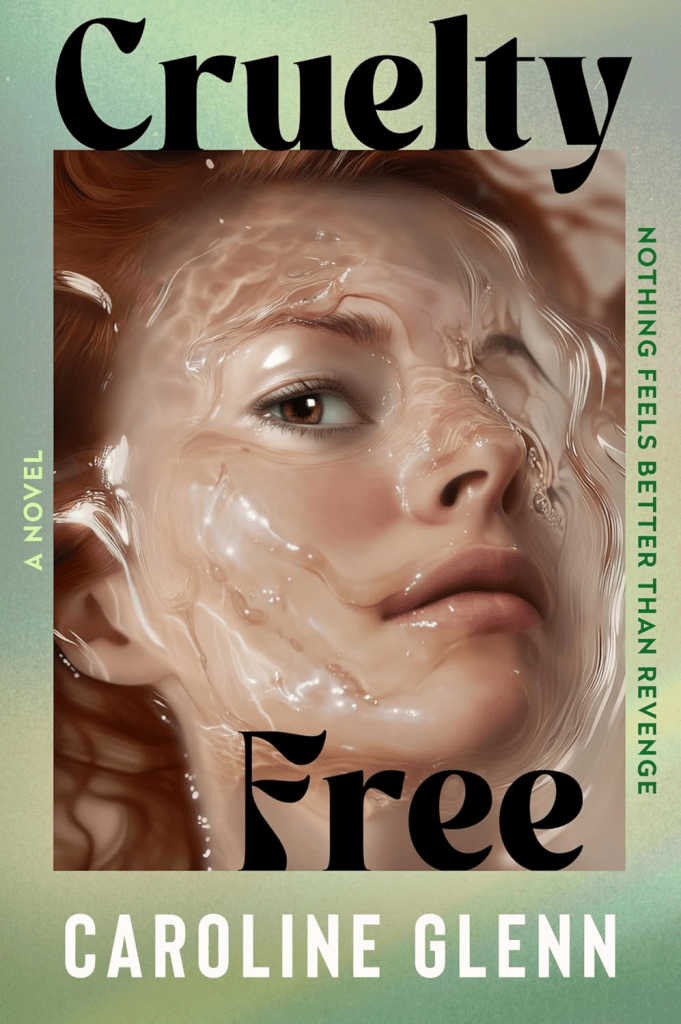




In Cruelty Free by Caroline Glenn, the hook is deliciously mean: what if the ugliest parts of celebrity culture, moral posturing, and “ethical” consumerism were treated like a buffet, and the buffet fought back? Lila Devlin is a disgraced public figure orbiting a missing-child scandal that the world will not let her forget, and the book frames that old wound through an “oral history” collage that reads like a true-crime documentary transcript, full of institutional ass-covering and opportunistic gawkers. From there, it slithers into the present with a thriller’s clean momentum: Lila is angry, broke-ish, ferociously image-aware, and hunting something like closure, even if closure looks suspiciously like vengeance with a brand strategy.
The horror is at its best when it gets bodily and literal about consumption. Glenn doesn’t just make metaphor soup and call it a day. When the story decides to go gross, it commits, including a sequence where “cruelty-free” beauty innovation turns into an all-night, bone-sawing, blanching, boiling marathon that is both grisly and weirdly triumphant in its own sick way. The satire also lands because it’s not aimed at one easy villain. It takes swings at the press cycle, the dead-eyed mass appetite for redemption arcs, and the way people will happily accept a monster if the packaging is cute and the results are “poreless and dewy.” And then the book does the most modern-horror thing possible: it makes the monster go viral. A thirty-second TikTok helps turn Lila’s new skincare juggernaut into a cultural fever, and the frenzy feels depressingly plausible.
Still, this falls into disappointed-but-fair territory. The book’s pleasures are real, but they’re more social satire + propulsive plot than “I have been spiritually damaged by a cursed little artifact.” The structure is legible, the escalation is cinematic, and the big confrontations play like scenes you can already see storyboarded, including Lila’s violent reckoning with the suspected perpetrator, staged with the blunt force of a thriller set-piece. Glenn’s strongest move is how she toggles between formats and tones: the oral-history section gives the backstory a cold, public-record chill, and the present-day sections drive fast with sharp, nasty little observations about power and performative virtue.
Read if you want skincare satire with venom, bile, and a ring light pointed straight at the abyss.
Skip if you’re allergic to neat plot gears and would rather your horror be stranger, riskier, and less “optioned by chapter three.”
Published February 3, 2026 by William Morrow.

The Hospital at the End of the World: Post-apocalypse, pre-authorization required.
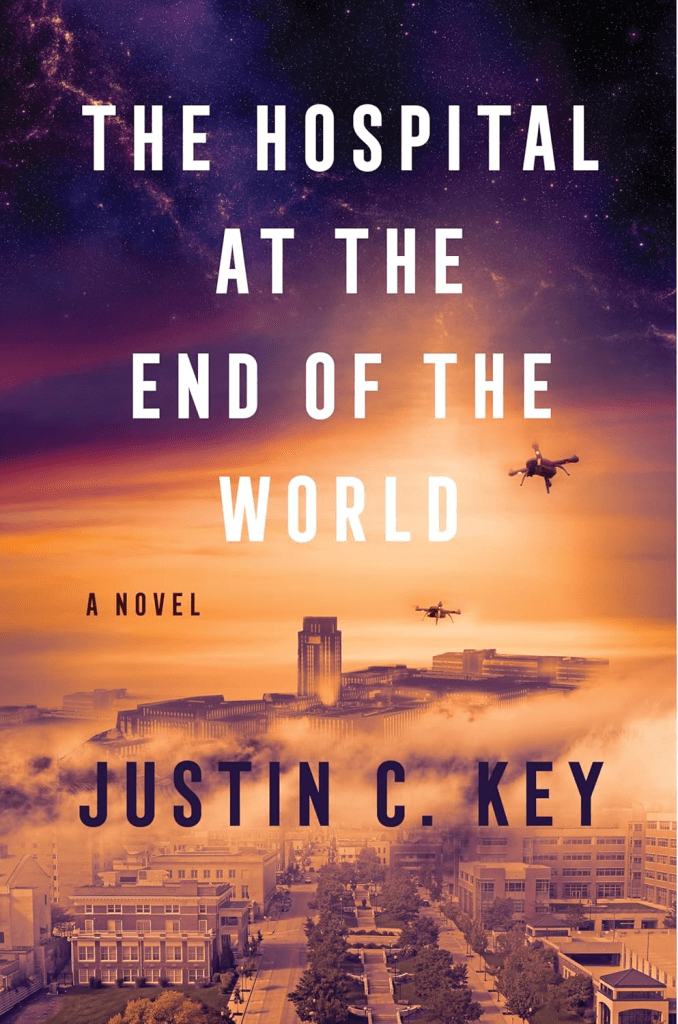





Justin C. Key writes like he’s pushing a gurney at a jog: clean sentences, constant motion, and enough clinical detail to make the air taste like disinfectant and bad decisions. The Hospital at the End of the World is post-collapse institutional horror that understands a crucial truth: nothing is scarier than a system that keeps “functioning” after the world stops making sense. A rejected would-be med student flees an AI-dominated America for an off-grid medical enclave in New Orleans, only to discover the hospital’s walls protect you from the outside and trap you with the inside, including withdrawal tech, rationed power, medical politics, and a conspiracy with a very sharp scalpel edge. It’s grimy, readable, and reliably tense, but also very legible and cinematic in its escalation.
The grime is the selling point. “Adjustment” isn’t a cute onboarding process, it’s forced detox by infrastructure, with symptoms, surveillance-adjacent rituals, and a sense that your body is being reprogrammed whether you consent or not. The hospital itself feels lived-in and stratified, with color-coded uniforms, markets for supplies, and the constant hum of crisis logistics: who gets access, who gets clearance, who gets care, who gets quietly managed. The medical unease is best when Key lets the physicality stay unglamorous. Cadaver lab is not aesthetic, it’s rubbery skin, torn muscle, and a professor barking about “respecting the dead” while your hands learn how to do violence politely. Postpartum psychosis scenes crank the dread by tying institutional workflow to something intimate and panicked, the exact kind of “this could go catastrophically wrong in five minutes” energy that makes hospital horror work. Even when the book dips into conspiratorial beats, the best horror is still procedural: forms, IDs, restricted areas, supply chains, and the low-grade terror of being one mistake away from becoming a “case.”
The backbone is built for propulsion, not formal risk. You can feel the adaptation-friendly structure: chase, gatekeeping, secret meetings, escalating reveals, and a clean throughline that’s easy to pitch and easy to binge. The story’s big ideas about AI medicine, bodily autonomy, and “do no harm” under duress are compelling, but the book rarely lets them get truly strange or structurally unhinged. It’s more “tight thriller in Medical Horror clothing.” Readers who like dystopia and sci-fi horror with real hospital texture, bodily dread, and a brisk plot that keeps shoving you down the hallway will dig this.
Read if you want institutional horror where the scariest monster is the workflow.
Skip if you need your weird to get lawless and formally risky, not just tense, sharp, and very filmable.
Published February 3, 2026 by Harper.
The Glowing Hours: When the goth summer house starts granting wishes.
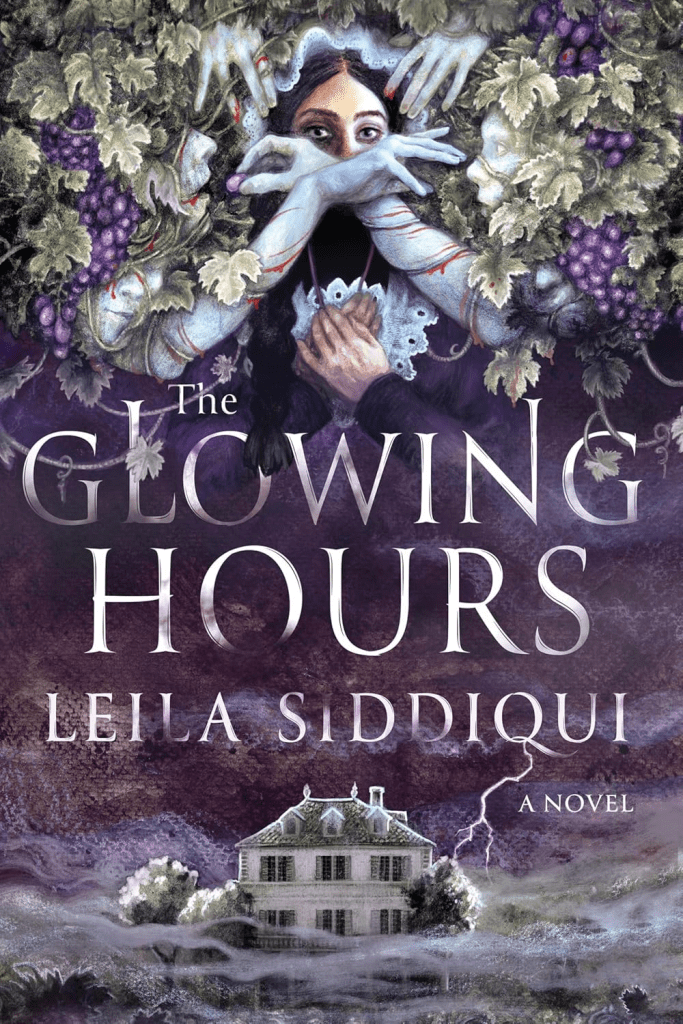


Leila Siddiqui’s The Glowing Hours, aka “Villa Diodati: Concierge Service for Your Worst Grief”, is the kind of historical Gothic that shows up in a high-necked black dress, smiles politely, then quietly starts rearranging your insides.
The frame is delicious: Mary Shelley has spent years following gossip to find Mehrunissa Begum Hammersmith, the “exotic and wealthy foreigner” who vanished from London society, and when Mehr finally enters the room, she greets Mary with a line that instantly tells you this book is going to play with identity, authorship, and who gets to be remembered. From there, the novel slides into 1816 and the Shelley/Byron/Polidori orbit with a steady, story-forward gait: travel chatter about Byron’s scandal-magnet reputation, then Geneva, then the lake described like a bright, watchful eye, pretty enough to make you suspicious. The dread is clean and effective: a villa that doesn’t just haunt you, it anticipates you. “It is Diodati,” Mary says, because of course she does, and suddenly the house is handing out exactly what everyone wants, like a cursed hostess with perfect manners and a sharp knife. That “grief + resurrection” pressure is where Siddiqui cooks. The gift is intoxicating, the cost is implied early, and the book keeps tightening the noose by making the wish-fulfillment feel emotionally plausible instead of purely plotty. Also, bonus points for letting hunger be literal: “Our guests are hungry…Make sure we give them a good feed,” Mary instructs, which is funny until it isn’t.
Siddiqui’s best move is how legible the spellwork feels. The villa “knows everything,” the characters argue about what’s happening in plain language, and the uncanny keeps arriving as social reality first, supernatural reality second, which makes it read fast and clean. When the climax leans into devotional, talismanic imagery, it lands because it’s been earned: Mehr opening the taweez, her mother’s whispered prayer filling the air, apparitions bursting into mist, and the whole place snapping back into harsh daylight like someone finally turned on the overheads at the world’s worst dinner party. It’s distinctive, atmospheric, and nicely uncanny. The weird is real, it just doesn’t go fully feral. If you like your Gothic with literary history, yearning, and a sharp little supernatural mechanism you can summarize to a friend without sounding like a conspiracy board, you’re eating good. If you want formal risk and brain-melt strangeness, you might find it a bit too well-behaved.
Read if you want Mary Shelley’s grief put in a vice by a house that knows your search history.
Skip if you crave truly unhinged experimental weird and get itchy when the plot behaves.
Published February 3, 2026 by Hell’s Hundred.
The Bone Queen: A thriller in a folk horror trench coat.
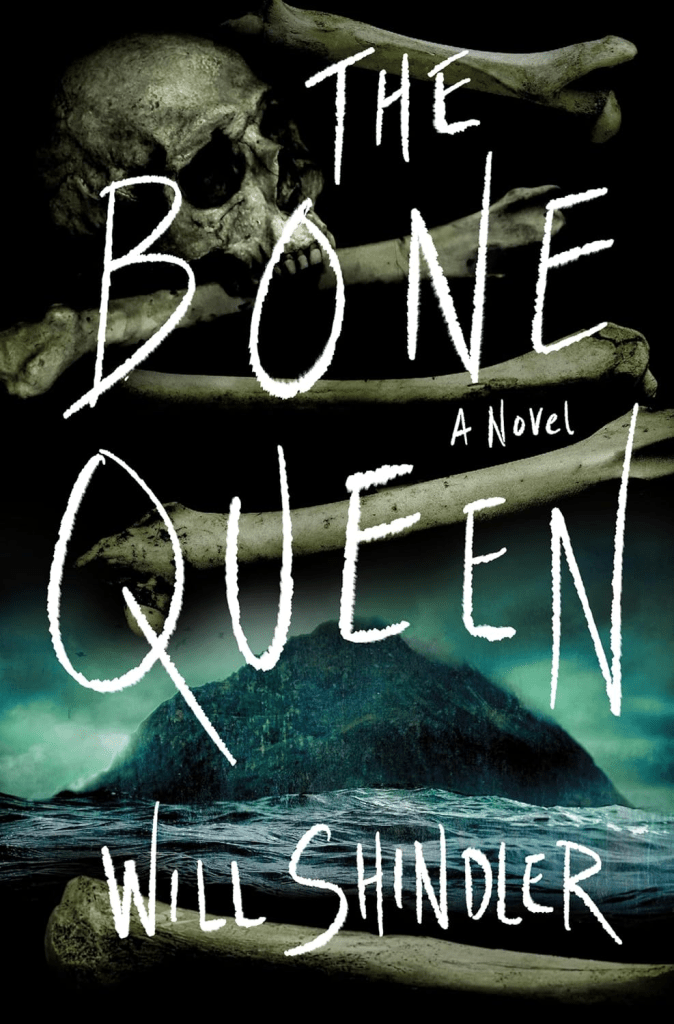


The Bone Queen by Will Shindler is solid, slick, and properly uneasy, but it’s also the kind of horror that keeps one foot planted in “airport thriller with a fog machine.” A mother follows a breadcrumb trail to the remote Athelsea Island, convinced her missing teen is there, and walks straight into a local legend about a vengeful “Bone Queen” that seems less like folklore and more like a fucking warning label. The book’s folklore is effective because it’s concrete: Ravensgate has a literal Gallows Hill, a carved “mark,” and a sing-song rhyme that reads like a kids’ chant you do not want echoing in your head at 3 a.m. And when the lore gets spelled out, it’s the right kind of nasty, all grief, fire, drowning, and revenge curdled into something generational.
It’s is paced like a professional: clean chapter propulsion, quick scene turns, and a steady drip of “rumor says” unease that keeps you reading even when you know exactly what the next beat is going to be. That competence is also the limit. The dread is often delivered in digestible, filmable chunks (I’m feeling a bit like a broken record here), and the imagery shows up like a good production designer doing their job, not like the book is trying to rot your brain from the inside. Even the Bone Queen’s “mark” is framed as a sensibility and foreboding, which is smart, but it’s also very legible horror logic: here’s the rule, here’s the vibe, here’s the escalation. You can feel Shindler’s background in police procedurals and TV craft humming under the floorboards, and it makes the whole thing go down easy, sometimes too easy. The best moments are when the story leans into obsession and bodily wrongness, when the legend stops being “spooky local color” and starts feeling personal, itchy, and inevitable. But if you’re hunting something that takes conceptual risks or breaks its own spine to crawl somewhere stranger, this one mostly behaves. It’s effective missing-person dread with a folk-tinged aftertaste, just not the sort that makes you close the book and stare at a tree like it’s plotting against you.
Read if you want a brisk, creepy island investigation where the legend has teeth and the plot actually moves its ass.
Skip if you need formal risk and feral strangeness, or you’re allergic to tidy, adaptation-ready pacing.
Published February 3, 2026 by Minotaur.
Greedy: Eat the rich, but make it a tasting menu.
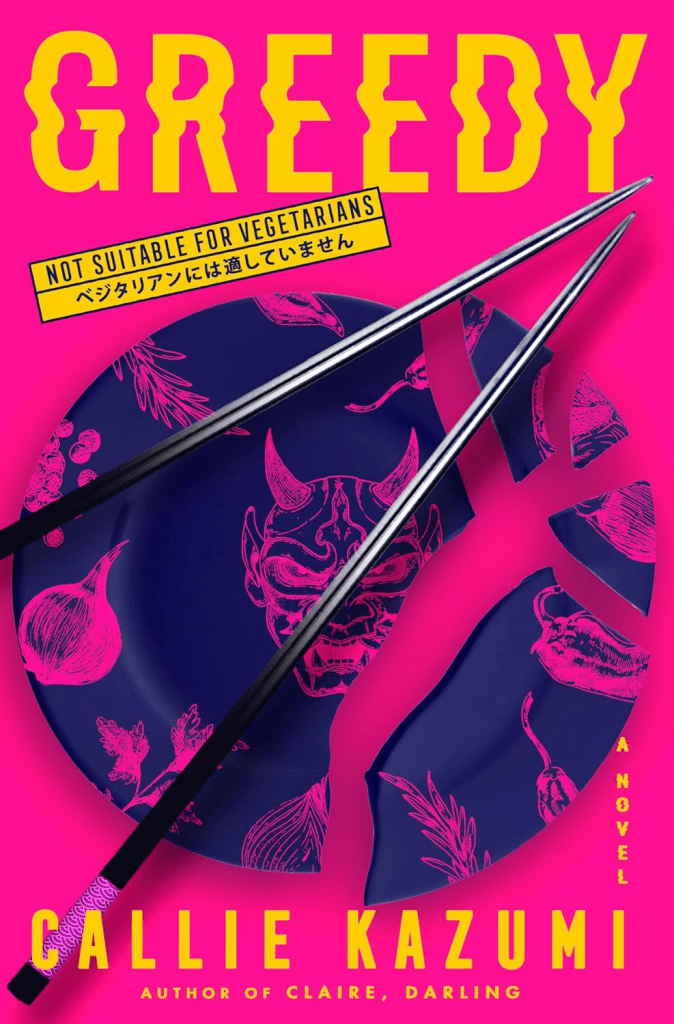
Sticky fingers, slick suits, and a freezer that absolutely does not want you asking follow-up questions: Greedy by Callie Kazumi is the kind of satirical horror that makes you laugh, then makes you feel gross for laughing, then offers you a “tasting menu” and you realize the menu is you. A broke British expat in Tokyo, buried under debt and bad decisions, takes a too-good-to-be-true private-chef gig for a notorious ultra-wealthy recluse, and the job turns into an education in appetite, power, and what people will swallow to stay comfortable. The book is upfront about its food-obsessed architecture (it’s literally plated in courses), which is cute and clever and also keeps the story moving even when the themes want to linger and rot.
Where it works is the satirical appetite. Ed’s desperation is legible but not flattering. He is not a grand antihero, he’s a guy who keeps telling himself he’s one smart gamble away from being “fine,” while the narrative keeps tightening the screw on what “fine” costs his wife and kid. Hazeline’s world, meanwhile, is luxury as a moral anesthetic: money so thick it stops functioning like currency and starts functioning like permission. The book has real fun with the performance of taste and status, the way rich people perform grit and “authenticity” the same way normal people pretend confidence at a job interview. The grotesquerie shows up often enough to keep this from becoming a straight commercial thriller in a scary mask, and Kazumi has a mean little gift for juxtaposing the language of refinement with bodily reality. The prose is punchy and readable, and the pacing is efficient: scenes tend to land with a clean hook, escalate in a straight line, and exit before they overstay, which is great for momentum but also means the horror sometimes feels engineered rather than inevitable. In other words, it’s deliciously nasty, but it’s also neat. It wants you to see the machine.
The structure is strong, the set pieces are vivid, and the social satire has teeth, but the book is also pretty legible in the way it arranges revelations and ratchets stakes. That said, I like that it still bothers to have an aftertaste. Beneath the blood-and-butter indulgence, there’s an ugly, honest thread about “greed” as something we only accuse people of once they’re trying to claw their way out of scarcity, while the wealthy get to call it “taste,” “preference,” “a lifestyle.” And the book does not pretend the collateral damage is abstract, which gives the satire its sting.
Read if you want rich-people horror that’s hungry, horny-for-status, and not afraid to get messy.
Skip if you hate food-as-metaphor, or you prefer your dread slow-bloom and structurally feral.
Published February 3 by Bantam.
 The Blog Without a Face
Leave a comment