
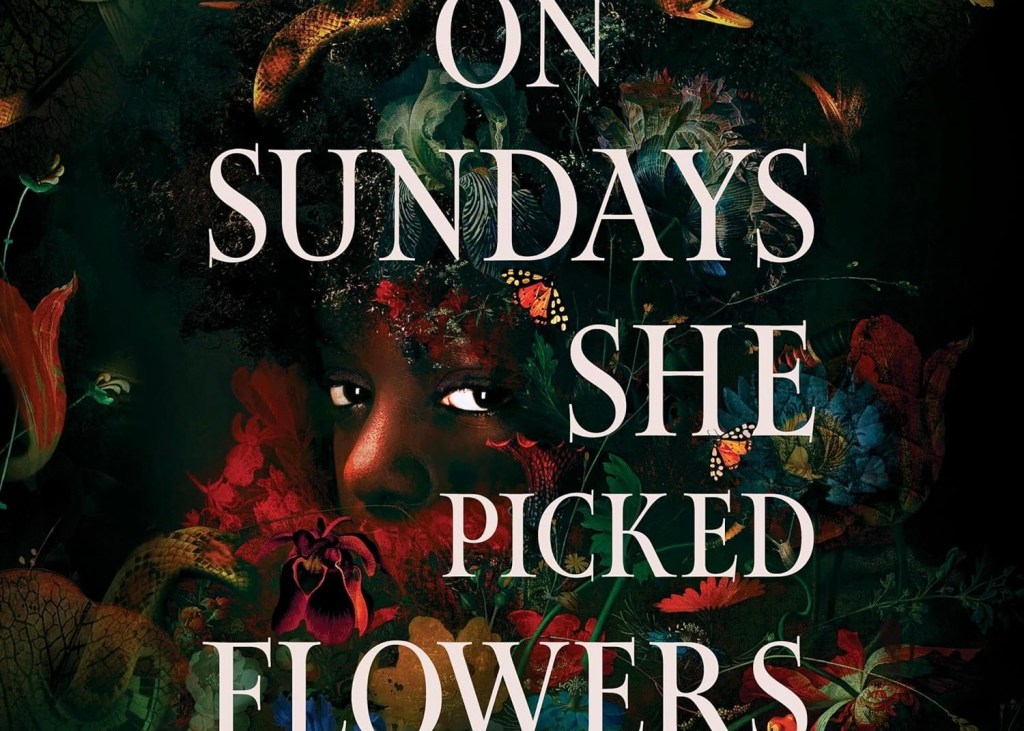
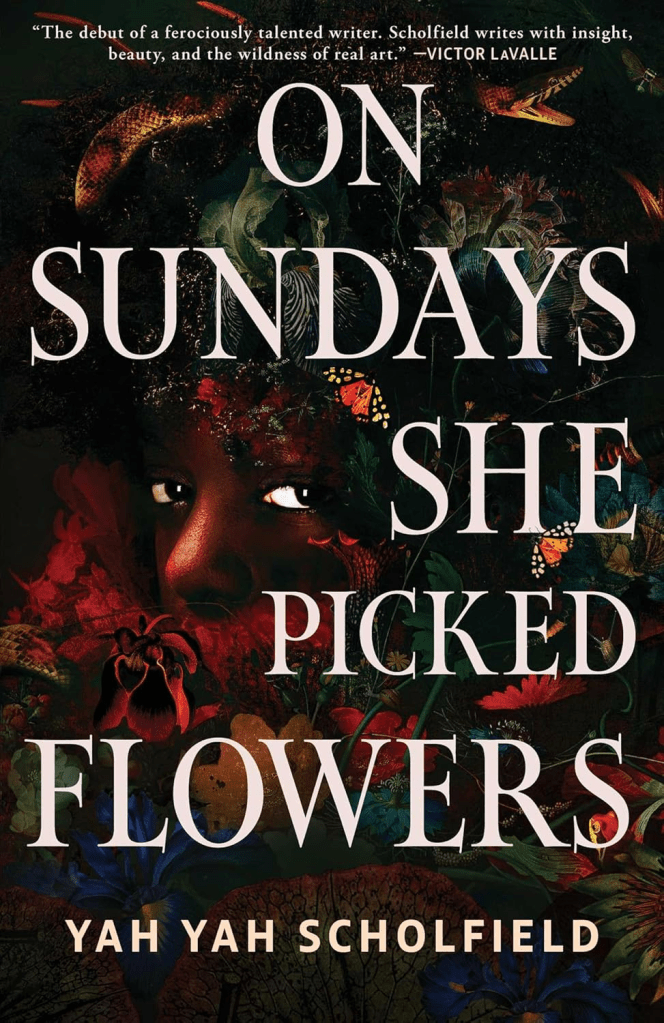




TL;DR: A lyrical, furious Southern gothic haunt where Jude’s voice is the blade and the house is basically her psyche refusing to stay politely metaphorical. It lands for readers who want embodied, nature-soaked horror that’s beautiful in its ugliness and leaves a long emotional burn, even if some beats drift into familiar haunted-house/folk-goth grooves instead of going full weird banger.

This novel is Yah Yah Scholfield‘s debut in long-form fiction, and the publisher material leans hard on “Southern gothic” as the lane, which makes sense given how much the setting behaves like a character with a crooked fucking smile. Scholfield has also published shorter work in genre spaces and anthologies, and they have a short story collection, Just a Little Snack, which helps contextualize the novel’s confidence with compressed, image-forward horror and its willingness to get strange without explaining itself to death. In interviews, the emphasis on place, atmosphere, and the gothic tradition’s dependence on setting feels like a mission statement for how this book operates: the landscape is not simply backdrop, but serves as pressure.
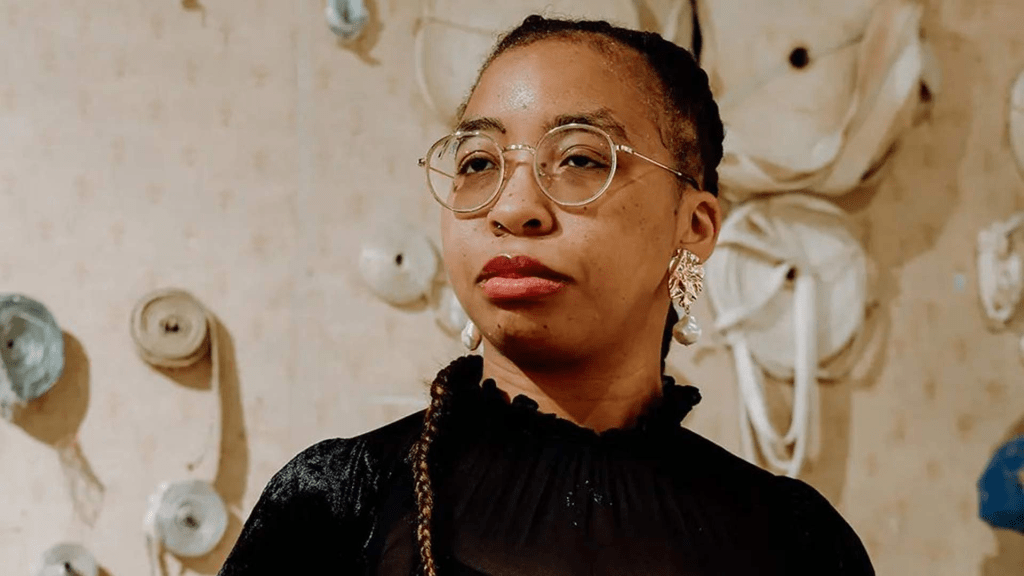
This book talks like it’s holding your face still with one hand and pointing at the bruise with the other. The voice is close third, but it has that sly, intimate narrator tilt where Jude becomes “our Jude,” like the story is both confessing and testifying. Scholfield writes in sentences that can be lush without getting precious, and sharp without turning performatively mean. When the prose gets angry, it does not decorate the anger. It sets it on the table and makes you look. That matters here, because the novel’s central driver is not “ooh, spooky house,” it’s what a person becomes after years of being treated like an object and then trying, desperately, to re-inhabit their own body.
Judith “Jude” Rice flees an abusive mother and ends up alone in the woods of northern Georgia, where a neglected cottage offers shelter that feels like a bargain you do not want to read closely. Jude builds a life out of routine and solitude, tending the place like it is both home and wound dressing. The house has its own weather and its own moods, and the woods do not exactly welcome her, but they do watch her. Later, the story widens beyond Jude’s isolate survival to show the orbit she left behind and the consequences that keep traveling even when you run.
The dread components are smart because they are bodily first, supernatural second. The house does not just creak. It acts. It slams, it pounds, it stages presence like a performance for an audience Jude never invited. The haunting often arrives as interruption of routine, which is Jude’s religion: lights in windows, the careful tending, the Sunday ritual of going into the woods for flowers. Scholfield keeps returning to the idea that solitude is a cure and also a risk, because silence gives you room to heal, but it also gives the past a clean floor to pace on. When the weirdness spikes, it spikes in images that feel earned by the book’s emotional logic: Jude’s body turning “traitorous,” the sense of the cottage watching, the forest pressing up against her boundaries like a question that will not stop asking. Even when the novel leans surreal, it keeps the fear tethered to lived experience, which is why it hits.

The early movement is pure momentum, Jude getting out, getting gone, getting herself into a place where nobody is shouting her name. The middle settles into a rhythm of habitation and escalation, where the house’s disturbances feel like a negotiation. Then the book deliberately shifts its center of gravity in the later material by broadening perspective, letting other characters step forward and complicate what we thought we knew about Jude’s origin story. That structural choice is doing double duty: it prevents the novel from becoming a closed-loop “woman alone in haunted cottage” vignette, and it also reframes the haunting as something with lineage.
Jude is not written as an inspirational survivor poster. She is practical, contradictory, sometimes tender in a way that surprises even her, and sometimes frighteningly calm about what she thinks she has to do to be free. Her interiority is textured, full of the small private negotiations that come after long-term harm: how to trust your own hunger, how to exist without an audience, how to age without apology, how to stop flinching at your own thoughts. When relationships enter the book more centrally, the dialogue stays believable because it is not trying to sound cool. People talk around what they mean. They test each other. They retreat. That emotional realism makes the supernatural feel less like set dressing and more like an extension of the same psychological weather.
The novel is about embodiment, freedom, and the cost of severing yourself from the story other people wrote on your skin. It’s also about inheritance in the ugliest sense: what harm hands down, what families preserve, what communities excuse, what a daughter is expected to endure and then politely never mention again. The haunting reads as psyche, yes, but not in a vague “trauma is a ghost” way. It’s more specific: the past is a live animal, and it keeps trying to climb back into your house. The book keeps asking what it means to “let the dead go,” not just literally, but emotionally, chemically, bodily. What do you do with rage that kept you alive when you needed it, but will poison you if you keep drinking it forever?

Some stretches drift into familiar haunted-house gravity wells even when the writing is doing gorgeous work inside them. A few beats feel like they could belong to the broader gothic tradition’s standard toolkit: the house-as-memory, the isolation-as-danger, the domestic space that becomes a courtroom. The novel’s later widening of POV is a strong move, but it also means you occasionally feel the gears of “here is the larger frame” engaging, rather than the story moving with pure inevitability. None of that breaks the spell, it just keeps the book in “solid, coherent” territory for BWAF instead of “holy hell, this rewired my brain.”
If you love literary Southern gothic that refuses to be polite about abuse and recovery, and you want horror that treats atmosphere like a blade, you will dig this shit. If you prefer your scares clean and external, or you want the supernatural to come with a rulebook and a scoreboard, this book will feel like it’s staring at you instead of entertaining you. Personally, I like being stared at, within reason.
Read if you’re into gorgeous sentences doing ugly work, plus a long emotional aftertaste that lingers like smoke.
Skip if you’re burned out on haunted-house and folk-gothic gravity wells, even when the writing is stellar.
On Sundays She Picked Flowers by Yah Yah Schofield,
published January 27, 2026 by Saga Press.

 The Blog Without a Face
Leave a comment