



TL;DR: Porcelain Lullaby is a reliably creepy, rain-soaked haunted-orphanage ride where a music box acts like a paranormal smoke alarm and the Meadowland mythos keeps whispering, come closer. It’s got a strong sibling-through-hell heart and some hellish imagery, but it runs familiar haunted-institution circuitry and rarely pulls the truly unhinged left turn.

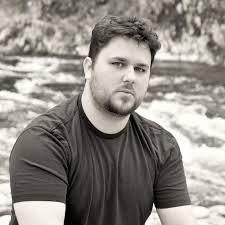
Blaine Daigle is a Louisiana-based horror writer who also teaches high school English, and his work tends to lean hard into atmosphere, wounds-that-never-close, and bonds that get stress-tested in bad places. Porcelain Lullaby follows novels like The Broken Places (2023), A Dark Roux (2023), A Dark and Endless Sea (2024), and Ashes of August Manor (2025).
Brothers Jake and Nate Shepherd have been dragging childhood trauma around like a rusted anchor for decades, and when their mom dies, the last breadcrumb she leaves is a phrase and a damn music box. Nate, the more reckless of the two and the one who’s built a life around chasing haunted places, connects the box to their mother’s past as a child who fled Meadowland Orphanage under the shadow of someone named “Rose.” They head toward Black Ridge, Pennsylvania and the abandoned orphanage itself, trying to figure out what followed her, what still wants them, and whether the thing behind Meadowland is a ghost, a curse, or an institution’s rot given life.

I dig what Daigle does here with “creepy infrastructure” horror, the kind where a building feels like a hungry machine that remembers every bad thing ever done inside it. Meadowland doesn’t just loom, it sits there like a predator with cracked windows for eyes, and the book keeps returning to that sensation of being watched, judged, sentenced. The music box is a great genre gadget too: a simple, visual trigger that turns dread into a mechanical problem. When it spins and the melody kicks in, you know the temperature just dropped and some shit is nearby. The 1977 material (Brittany McNamara’s investigation and the town’s fear of Meadowland) gives the mythos some ballast, and the orphanage history sells the idea that the scariest monster is a system that swallowed kids and kept chewing. There are also a few solid, nasty images, like the “kid who looks exactly like you” manifestation that hits both brothers right in the trauma gland and instantly raises the stakes from spooky to personal.
“The air here felt charged… he couldn’t shake the feeling that every inch he traveled was watched by studious eyes hidden in the trees.”
Daigle’s writing is straightforward and cinematic, built to keep you moving room to room, hallway to hallway, with the camera-light of a flashlight beam. When it works, it’s clean and propulsive, and he knows how to frame a set-piece (the gate, the approach, the oppressive quiet, the sudden “nope” moment) so the dread builds in layers. Where it wobbles is in how closely it cleaves to familiar haunted-institution beats. You can feel the circuitry: ominous local lore, suppressed reports, the “we shouldn’t be here but we are” escalation, then the mythology that wants to explain itself just enough to keep the plot marching. The emotional material, especially the brothers’ fault-lines, is the stronger engine, but the horror machine sometimes feels like it’s running preprogrammed routes instead of surprising you with a truly off-road, “what the fuck did I just read” detour.
The big thematic thread is inherited damage, not just genetics or family history, but the way a place can plant a seed in a person and wait decades for it to bloom ugly. Nate puts it plainly: “Influences bring out what is already there.” The other is sibling devotion as a kind of imperfect salvation, love that doesn’t fix you, but keeps you from falling through the floor when the house starts talking.
“They didn’t feel like working with him anymore. So, they put him where they wouldn’t see him.”
In his own author’s note, Daigle frames Porcelain Lullaby as a culmination, explicitly calling it the stop that “all roads” in his first five books led toward, and you can feel that “wrap-up” impulse in how it ties craft themes and sibling-bond obsessions together around Meadowland. That makes it a solid entry for readers who like his emotional through-lines, even if it’s not the one that detonates the subgenre.
Solid creepy-orphanage atmosphere and a legit brothers-in-hell core, but it plays the haunted-institution hits a little too faithfully, so it lands as “not bad, not notable,” with a few sharp moments poking through the fog.
Read if you want haunted-building dread with strong “place as predator” vibes; you like trauma horror anchored by a stubborn sibling bond.
Skip if you’re burned out on orphanage myths and haunted-institution scaffolding; you hate “answers” and prefer the weird to stay messy and unexplained.
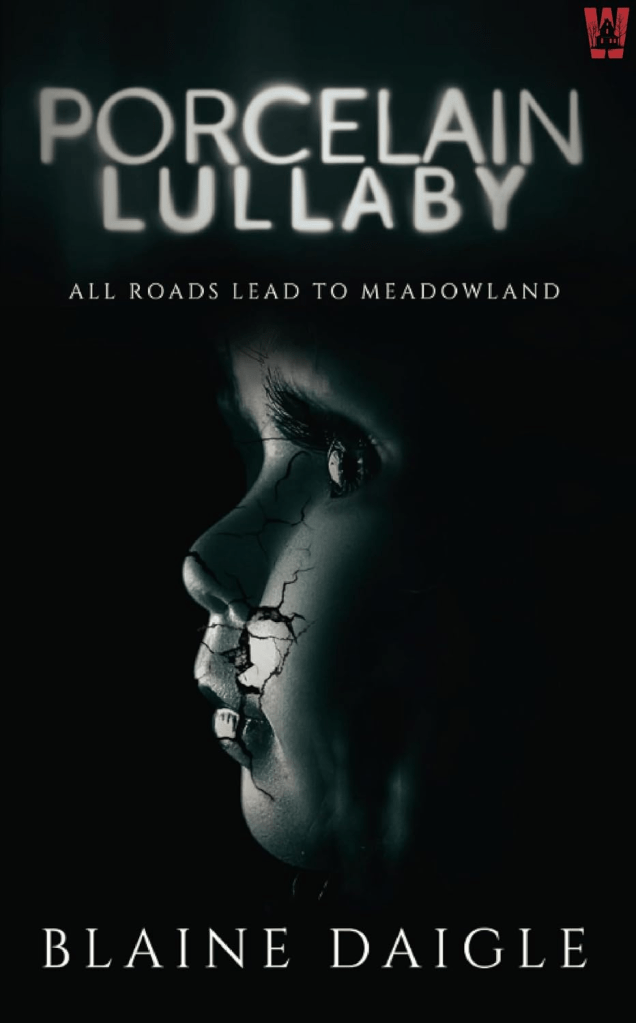
Porcelain Lullaby by Blaine Daigle,
published January 20, 2026 by Wicked House.


 The Blog Without a Face
Leave a comment