




TL;DR: A nasty little neighborhood nightmare where a blizzard doesn’t just trap people, it listens, learns, and whispers the exact syllables needed to crack them open. It’s tense, smart, and occasionally genuinely creepy as hell, even if the story sometimes feels more like a killer mixtape of vignettes than one fully locked, devastating gut punch.

Rebecca Rowland’s the real deal in the dark-fiction trenches: a New England-set specialist with a taste for hardcore horror and emotional bruises, plus she’s got the credentials stack (Bram Stoker Award–nominated editor, Shirley Jackson Award–nominated author, Godless 666 Horror Fiction Award recipient, and a prolific anthology wrangler). This book lands as a lean, wintry “suburbia is a lie” horror novel from CLASH Books, built to be read with your shoulders hunched like you’re already cold.
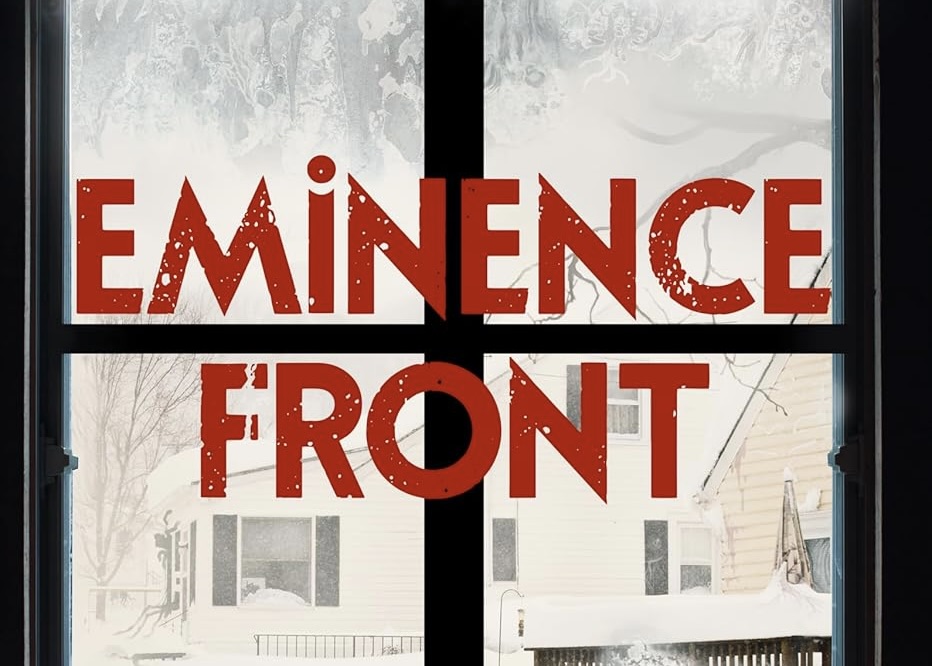
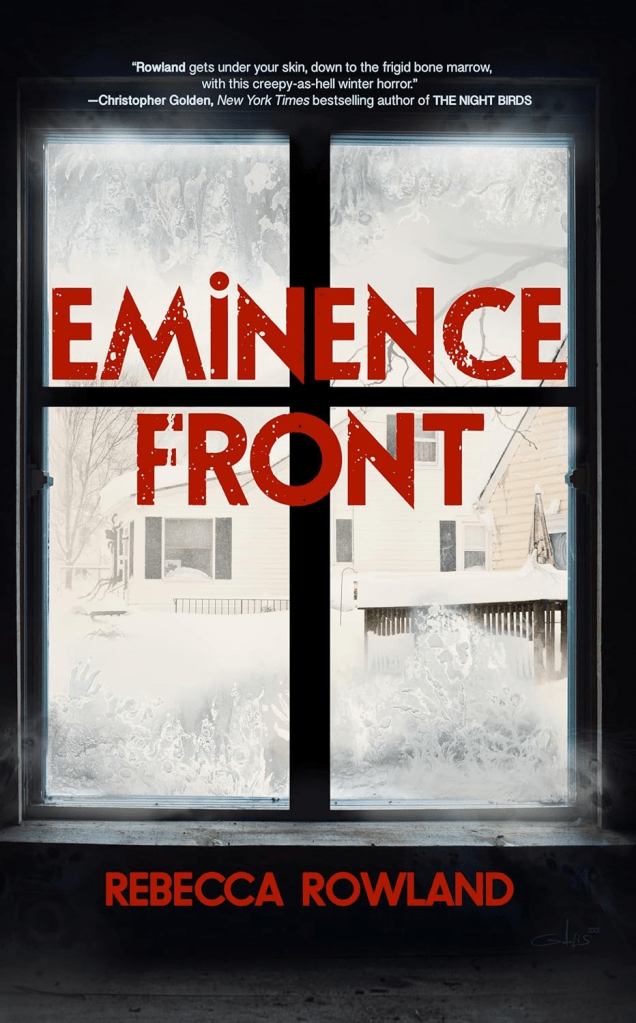
Here’s the setup, clean and mean: John Stephenson is an agoraphobic shut-in watching a local meteorologist hype a storm rolling into southern New England. Across the street and down the block, you’ve got a brittle little ecosystem of ordinary dysfunction: Carol Bennett, exhausted caregiver to her hearing-impaired mother Rose; Steve Kline, a bartender with addictions and a life full of bad decisions; and Jackie, a writer nursing vodka-and-anxiety solitude. Snow starts falling. Then the whispering starts. Not the fun “ghost in the attic” kind. More like something under the world leaning up into people’s ears and saying the one line that makes them step outside, or turn the wheel, or pick up the blade, or forgive the unforgivable. The stakes aren’t “will we defeat the monster,” they’re “how fast can the monster weaponize what we already hide from ourselves.”

Rowland treats the storm like an intelligent pressure cooker. The neighborhood isn’t just isolated by weather, it’s isolated by shame. The entity does not need tentacles and a glowing altar when it can use a whisper and a familiar face. There’s a particular kind of dread that comes from watching someone you know do something inexplicably wrong, then realizing it’s not inexplicable at all. The book’s best moments are exactly that: intimate, human-scale horror where the supernatural doesn’t replace human cruelty, it simply gives it an extra shove downhill. One scene (no spoilers beyond the vibe) turns a routine snowy drive into a sudden, sickening betrayal that feels like getting punched in the throat while your seatbelt politely holds you in place. Another nails the “wrongness” of recognition, when a face or gesture seems almost right, but the eyes are off, like the person inside got swapped out and the replacement is doing a rushed impression.
Rowland writes with a clean, punchy momentum that keeps the pages moving even when the cast is sprawling. She’s good at bodily detail, the little physical misery of winter, dry skin, stale heat, the way fear makes you nauseated and stupid. The structure is also doing a lot of work: it’s polyphonic, hopping between viewpoints and folding in “documents” and media fragments, which creates this wider sense that the storm is bigger than one street, and older than anyone wants to admit. When it hits, it feels like history repeating, not metaphorically, but like something that has practiced this before. The tradeoff is that the emotional throughline can get choppy. A couple of segments land like deliciously cursed appetizers when you’re still waiting for the main course. I liked most of them, but the book flirts with being a mosaic so hard that, at times, you can feel the seams.
The themes are basically guilt, secrecy, and isolation, with the horror machinery acting like a cruel therapist who doesn’t believe in confidentiality. The whispering is the key metaphor: the voice that tells you you’re fine, you’re justified, you’re owed, you’re unloved, you’re trapped, you should just step outside. It’s nasty and quiet. It’s the feeling that your safest place, your own home, can become a loudspeaker for something that knows your private rot. It’s also the suspicion that survival doesn’t mean you’re free, it just means you made it to the next weather report.
Eminence Front feels like Rowland leaning into a larger canvas than the short-fiction work she’s known for, but keeping that short-fiction sharpness in the way she sketches people fast and then lets the weather tear them apart. It sits comfortably in the “neighborhood under siege” tradition (the Stephen King comparison is earned in the ensemble-sprawl sense), while the whispering, face-warping weirdness gives it a colder, more cosmic edge. It’s not the most emotionally devastating winter horror I’ve ever read, and it doesn’t fully maximize every character thread, but it’s tense, smart, and mean in a way that’s hard not to respect. Also, it understands the holy truth: a blizzard already feels supernatural, so if you add an ancient voice under the snow, that shit practically writes itself.
A creepy, propulsive winter-cosmic chiller with real bite, even if the mosaic structure keeps it from becoming the full-on, undeniable classic it’s reaching for.
Read if you love “small cast, big wrongness” horror where the supernatural amplifies human mess; you can handle bleak choices, addiction spirals, and characters who do not behave heroically; you want winter dread with cosmic flavor, the kind that whispers instead of screams.
Skip if you hate vignette structures, faux-doc inserts, or narrative hopscotch; you require clear answers, clean lore dumps, or a neat “monster defeated” wrap-up.
Eminence Front by Rebecca Rowland,
published January 20, 2026 by CLASH Books.
 The Blog Without a Face
Leave a comment