
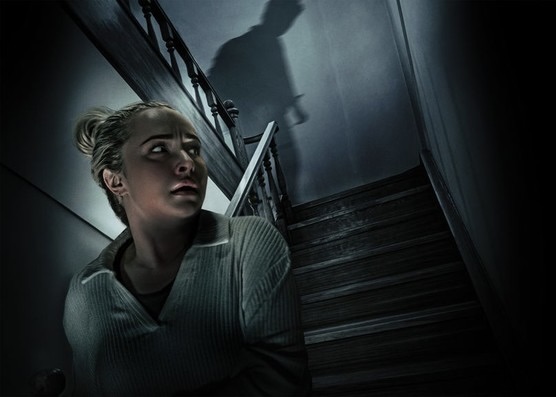
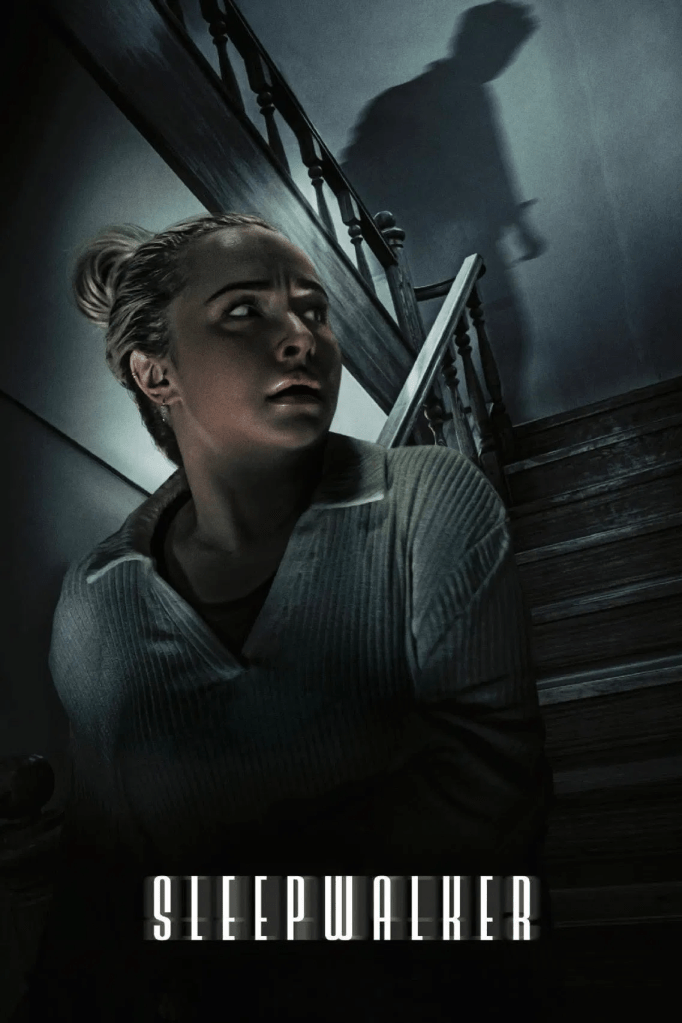



TL;DR: A grief-and-insomnia nightmare that occasionally hits a nasty, effective image, then immediately buries it under repetitive “is this real?” business and jump-scare punctuation. Hayden Panettiere works her ass off, and Beverly D’Angelo brings some bite, but the feature-length stretch feels padded and wobbly. Interesting premise, middling execution, too much damn wheel-spinning.

Sarah Pangborn (Hayden Panettiere) is a grieving artist trying to keep herself together after a car accident killed her daughter Aimee and left her abusive husband Michael (Justin Chatwin) in a coma. As Sarah’s sleepwalking worsens, her home life starts splintering into visions, nightmares, and unnerving gaps in time. She wants safety, sanity, and some shred of control. What’s in the way is her own unraveling mind, the lingering shadow of abuse, and a house that starts feeling like it has an appetite.
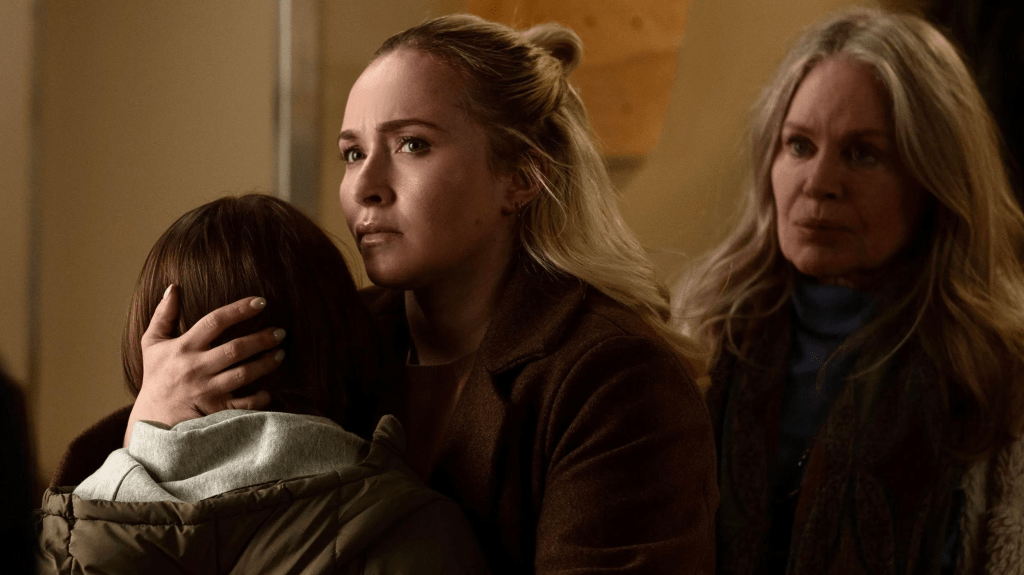
The movie’s core pitch is strong: sleepwalking as a horror engine, not just a creepy quirk. That is a great little hook because it is both mundane and terrifying. Your body can betray you without your consent, and grief can turn that betrayal into a full-time job. When Sleepwalker is working, it is in those simple, bodily moments where Sarah checks herself and the numbers do not add up, where the film makes you feel that sick little flip in your stomach like, “Oh no, I cannot even trust my own hands.” That is good horror. That is horror that does not need to scream.
But this movie screams anyway. A lot.
What’s good, at least in theory, is the way it tries to fuse trauma-horror with dream logic. The film wants you off-balance, caught between “this is supernatural” and “this is psychological,” with sleep as the unreliable middleman. The problem is it leans on repetition as a substitute for escalation. It keeps returning to the same beats, the same rhythm, the same “wait, am I awake” staging, and after a while you are not unsettled, you are just ahead of it. Dream narratives can be slippery and still feel purposeful. Here, too often, the slipperiness feels like a cover for thin progression.
Craft and style are competent. The lighting and framing know how to make a house feel like a trap, and the film has a few genuinely nasty shots that land like a thumb pressed into a bruise. The score and sound design, though, frequently default to jump-scare grammar. It is that loud, insistent “react now!” approach, and it starts to feel like the film does not trust you to feel dread unless it yanks you by the collar. That is a shame, because the premise begs for quieter menace, for those long, poisonous pauses where you notice something is wrong before the movie tells you to notice it.
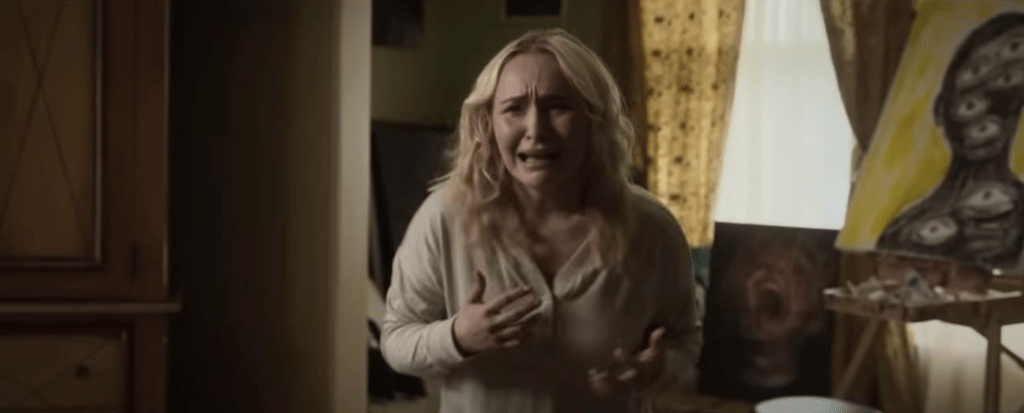
Hayden Panettiere is doing real work. She sells exhaustion in a way that feels lived-in, like her bones are full of wet sand. Even when the script starts repeating itself, she keeps fighting for emotional continuity. Beverly D’Angelo, as Sarah’s mother Gloria, is a welcome blast of sharpness. She brings an acidic, grounded presence that cuts through the fog. When she is on screen, the movie briefly remembers that tension can come from people, not just spooky editing tricks. Some of the other supporting roles feel underwritten or oddly deployed, like pieces moved around to trigger plot beats instead of characters behaving like humans. That contributes to the film’s floaty unreality, but not in a flattering way.
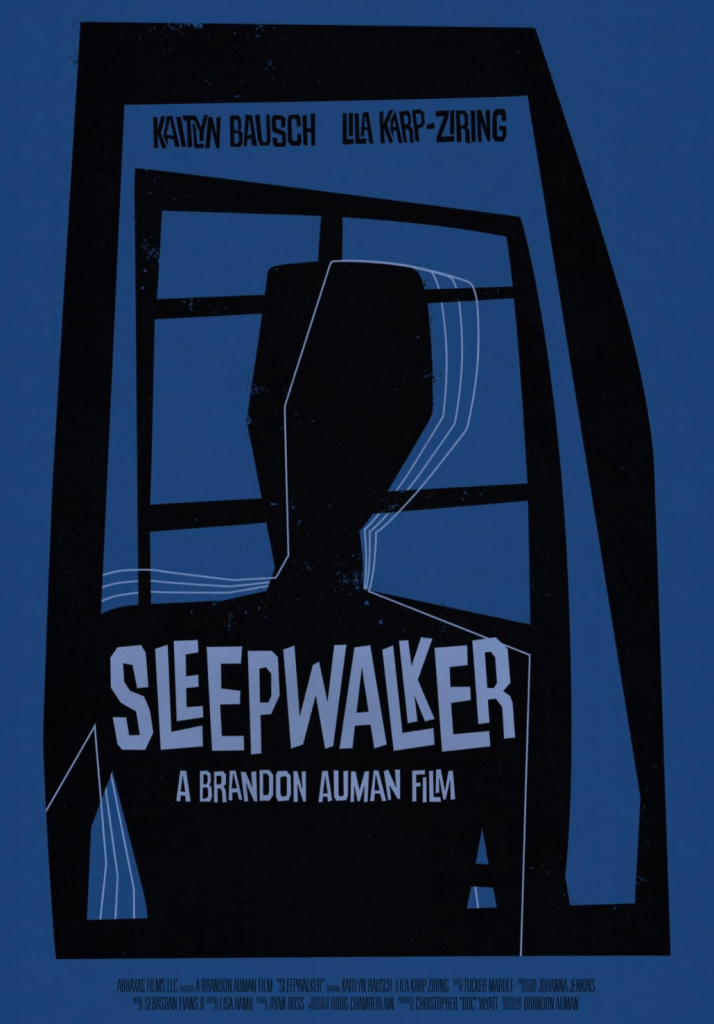
Director and screenwriter background matters here because it explains the movie’s strengths and its biggest flaw. Brandon Auman writes and directs, expanding his earlier short into a feature. That’s a classic horror move, and it can absolutely work. The issue is you can feel the short-film skeleton underneath. The feature keeps circling the same core idea instead of letting it mutate. Auman clearly has an eye for a nightmare image and a clean premise. The leap from “effective concept” to “feature that deepens, sharpens, and surprises” is where this one starts sleepwalking.
The film is mostly about grief as a reality-distorter and abuse as a lingering infection. The horror expresses those themes through disorientation, time loss, and the sense that the home is no longer a refuge. That is all thematically coherent. It is also, unfortunately, not always dramatically satisfying or remotely original. The abuse element, in particular, is handled in a blunt, heavy-handed way that flattens complexity. It becomes a big, obvious note played loudly instead of a thread woven into the dread. The result is not “haunted,” it is “frustrated,” like the movie had the raw material for something more effective and more intimate, but kept grabbing the same tool out of the box.
This plays like a debut feature that proves Auman can build an unsettling idea and stage a few effective images, but also shows the growing pains of stretching a tight short into a full meal without adding enough new flavors. A strong hook and a committed lead trapped inside a repetitive, over-punctuated feature that too often confuses “loud” for “scary.”
Watch if you are here for strong lead acting doing damage control on shaky material.
Skip if you hate feature-length padding from a short-film premise.
Directed by Brandon Auman, written by Brandon Auman.
Released January 9, 2026 by Brainstorm Media.
 The Blog Without a Face
Leave a comment