


TL;DR: A punchy, small-town Arkansas thriller with culty witchcraft vibes, nasty weather, and a heroine who keeps getting handed other people’s sins like a casserole dish at a funeral. It’s got atmosphere for days and a strong opening voice, but it also drags, over-explains, and lands some big swings with a thud. Solid enough, not unforgettable.

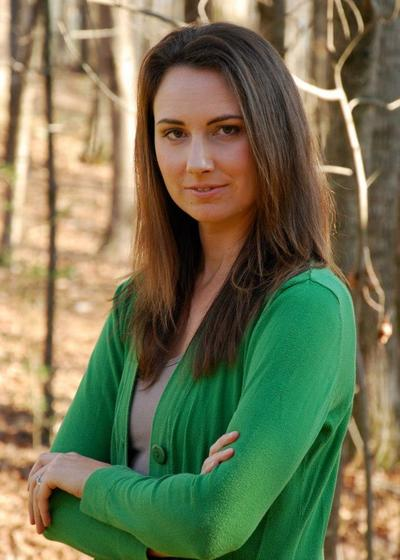
Casey Dunn (born and raised in Atlanta) has a thriller-forward sensibility that shows here, with this book slotting neatly alongside her suspense output rather than going full supernatural horror. The bones of The Wind Witch Murders feel built for a page-turner: secrets, power, class, and a whole town invested in the convenient story. It just sometimes forgets that momentum is an actual thing you have to keep feeding, not something you can pray into existence.
Our POV is Raven Moore, a senior in Silverfield, Arkansas, trying to survive the fallout of her mother Deanne’s infamous past. Deanne was blamed for “the Wind Witch Murders” when Raven was little, after a tornado-sick storm and a burned-out shed left two boys dead and Deanne found nearby with blood-painted symbols and suspicious supplies. Now Deanne has just died, and Raven is stuck in a town that treats her like a hereditary crime scene. A strange, polished man with a red feather shows up at the funeral, and the old fear around “The Hill People” starts breathing again. Raven wants the truth about what happened to her mother and what it means for her, but the town wants the story to stay simple, and the people with the most power want Raven pliable.

When this book is cooking, the mood is killer. Dunn nails that humid, sticky, church-and-gossip Southern pressure where “community” is just a nicer word for surveillance. The early pages have a mean little bite, like when Raven clocks the whole ritual of respectability around death and spits out the line that basically becomes the book’s mission statement: “Burying is done to hide the secrets of the living.” And the recurring napkin notes from her institutionalized mother are creepy in a quiet way, especially the escalating warning: “You’re not safe here anymore.” That’s good dread, the kind that doesn’t need a monster under the bed because the monster is already registered to vote and sings in the fucking choir.
But here’s where the reality kicks in. The book keeps trying to escalate by piling on revelations and melodrama, and after a while you can feel the gears. Raven’s internal narration can be sharp, but it also loops and loops, restating the same anxieties until the tension starts to flatten. The mystery elements are readable, and the social power dynamics (who gets believed, who gets sacrificed) are the best mechanics in the story, but the plotting sometimes depends on characters behaving like they’re allergic to direct communication. It’s one of those books where you want to grab people by the shoulders and go, hey, stop making choices that are obviously going to end with you in a barn, in a storm, with a stranger holding a symbolic object.
Dunn’s prose is at its best when it’s sensory and pissed off: weather as omen, dirt as theology, beauty as a kind of trap. The voice feels rooted, with colloquial snap, and there are set pieces that land hard, especially when Raven is cornered and the mask slips on the “nice” people. Late-game, there’s a chilling stretch where Raven overhears powerful men rationalizing bodies like they’re bookkeeping, with Raven positioned as the most convenient scapegoat. That’s genuinely nasty. The problem is pacing and payoff: the last act goes big , but the emotional math can feel forced, like the book is insisting you feel devastated in a way it hasn’t fully earned.
This is a story about inheritance and control: how a town writes a woman into a myth so it can keep its hands clean, and how “faith” becomes a cudgel when money and reputation are on the line. The horror is mostly social: rumor as possession, patriarchy as occult system, and “witch” as the label you slap on a girl you need to silence. It leaves you with a bleak little question: if a whole community benefits from the lie, who the hell is ever going to tell the truth without getting burned for it?
This feels like Dunn pushing her thriller instincts into folk-horror territory, with the strongest parts still living in suspense, voice, and social dread rather than outright terror. It’s not a standout of the “witchy rural” lane, but it’s got enough grit and weathered menace to keep you reading, even when you’re also muttering, oh come on, don’t go in there, what are you doing, holy shit.
Not bad at all, sometimes genuinely wicked, but it’s also baggy and overdetermined, and the big swings don’t always connect.

Read if like cult-adjacent thrillers where class and reputation are the real monsters.
Skip if want true supernatural horror instead of thriller-with-occult-window-dressing.
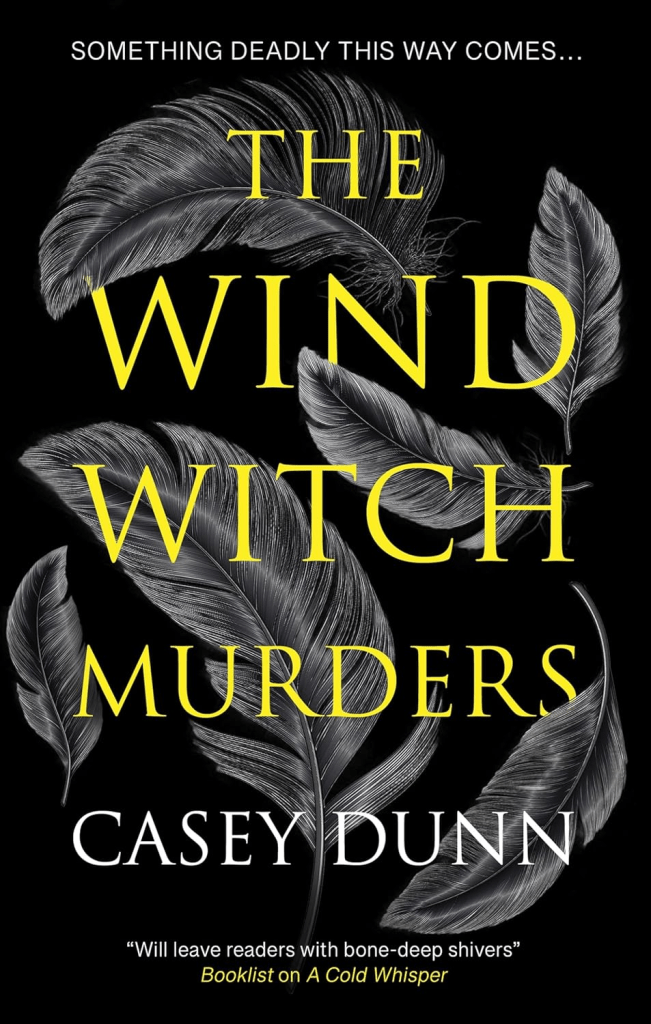
The Wind Witch Murders by Casey Dunn,
published January 6, 2026 by Severn House.



 The Blog Without a Face
Leave a comment