
Phew, what a year. Your freaky friends at BWAF are going to be taking an extended break over the holidays. We’ll be seeing you in 2026, but before that, want to welcome you to our annual roll call of books that made us say “holy shit” out loud and then immediately check our pulse. 2025 was a banner year for horror that refuses to behave: grim fairy tales that bite back, office nightmares that weaponize email etiquette, eco-dread that blooms teeth, and body horror that’s equal parts protest, kink, and existential tantrum. This list isn’t here to be polite or comprehensive. It’s here to celebrate the titles that crawled into our heads, rearranged the furniture, and left a cursed sticky note on the fridge that basically reads: you’re next.
You’ll see a handful of Honorable Mentions first, because sometimes a book rules even if it doesn’t quite crack the top tier of my brutally unfair curve. After that, we drop into the Top 25, ranked from “damn, that was fun as fuck” to “this permanently changed the wiring.” Expect weird structure, mean humor, tender gut-punches, and set pieces that feel like the author looked you dead in the eyes and said, “watch this.” If you like your horror daring, original, and a little unfilmable, you’re in the right goddamn place. Let’s get gross. Grab a drink, lock the door, and enjoy screams.
Honorable Mentions
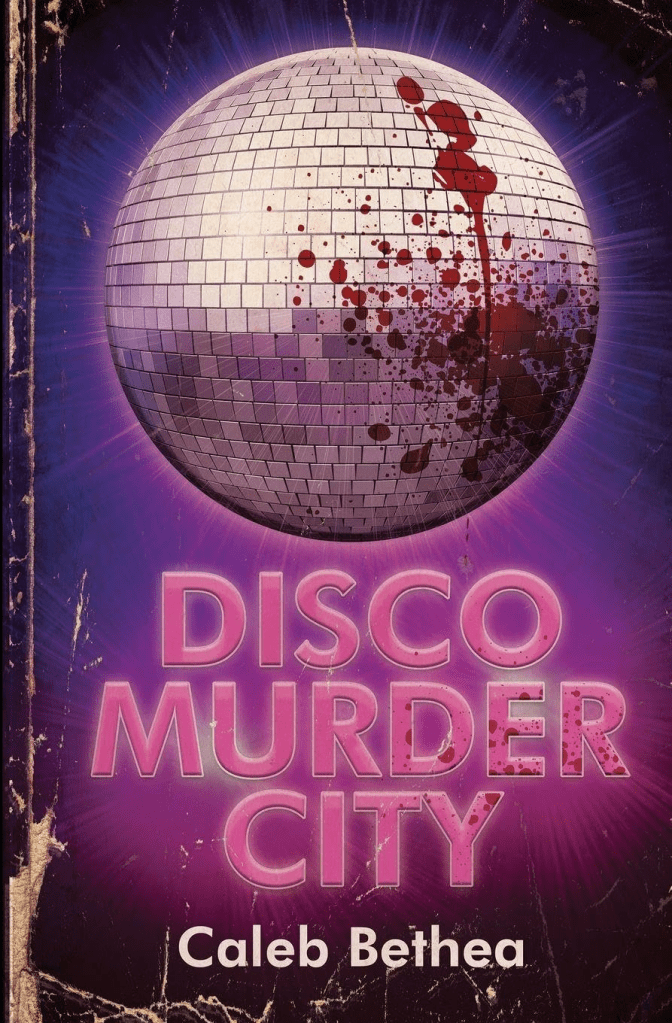
Disco Murder City is neon nightmare logic with a bassline. Caleb Bethea drops you into a possessed city where the dancefloor is a crime scene and the club kids are circling the drain. Netti plays detective through demons with feathered eye sockets, exploitation, and kills that are sick as hell. The prose sparkles and squirms, all blood-red glamour and rotting meat underneath. It’s loud, violent, and fun. Read it and let that shit infect your dreams.
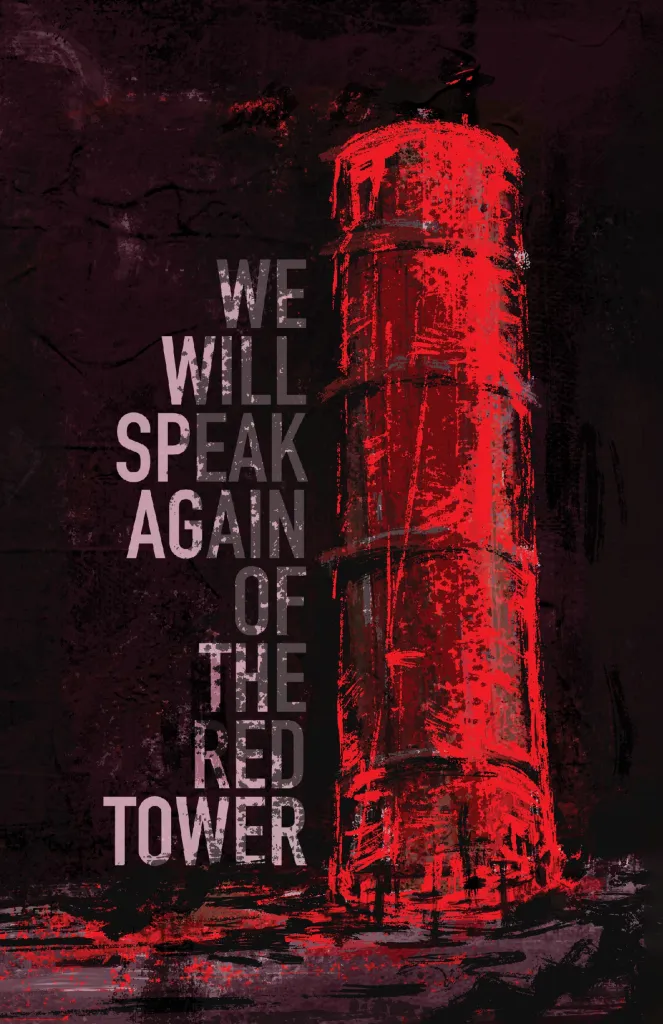
We Will Speak Again of the Red Tower is a grab bag of “novelties” that feels like the book itself is watching you blink. It’s a tribute-driven descent into philosophical dread and that Ligotti-ish sense that reality is a badly staged play with no exits. Each piece is sharp, strange, and simple, then it twists the knife and smiles. Perfect for readers who want their horror smart, mean, and full of quietly screaming.

Our Lord, the Worm opens with the town itself narrating, married to the river and already sick from what people dumped into it. You can taste the humid Missouri grime, the superstition, and the oncoming corruption curling up from Devil’s Bend. Beauchamp builds a whole ecosystem of voices and rot, then lets something crawl through it. It’s folkish, ecological, and nasty, with a slow “oh fuck” ramp into full-body disgust. Mean as shit, and weirdly mournful too.

Gemma Files’ Little Horn is a classy punch in the throat: forensic dread, occult grime, and the sense that the world is one bad autopsy away from talking back. The opener “Cruentation” has a necromancer-for-hire doing blood-magic truth work, because the dead are liars and the living are worse. Files writes with surgical precision and ugly compassion, stacking chills on top of grief. Smart, nasty, and beautifully fucked up. Bring a strong stomach.

Katherine Clements‘ Turbine 34 starts with “Fuck, it’s so hot,” and then drags you onto a drought-scorched moor where wind turbines loom like skeletal giants. The landscape is wounded, gouged by access tracks and buried foundations, and the narrator is camping out through the dark to complete a task she’s given herself. It’s cli-fi that feels gothic: peat, silence, missing birdsong, and secrets the bog will eventually spit back. Quietly devastating.
Top 25 of 2025

25. Strange Houses by Uketsu: This one is basically: “Here’s a floor plan. Now stare at it until your brain starts screaming.” A friend finds a “perfect” house… except for the dead space you can’t access, and a child’s room that’s laid out like a polite little prison. Then the dominoes start falling: doors where they shouldn’t be, windows where they aren’t, and a logic so clean it feels evil. It’s mystery-horror as geometry, and it rules.
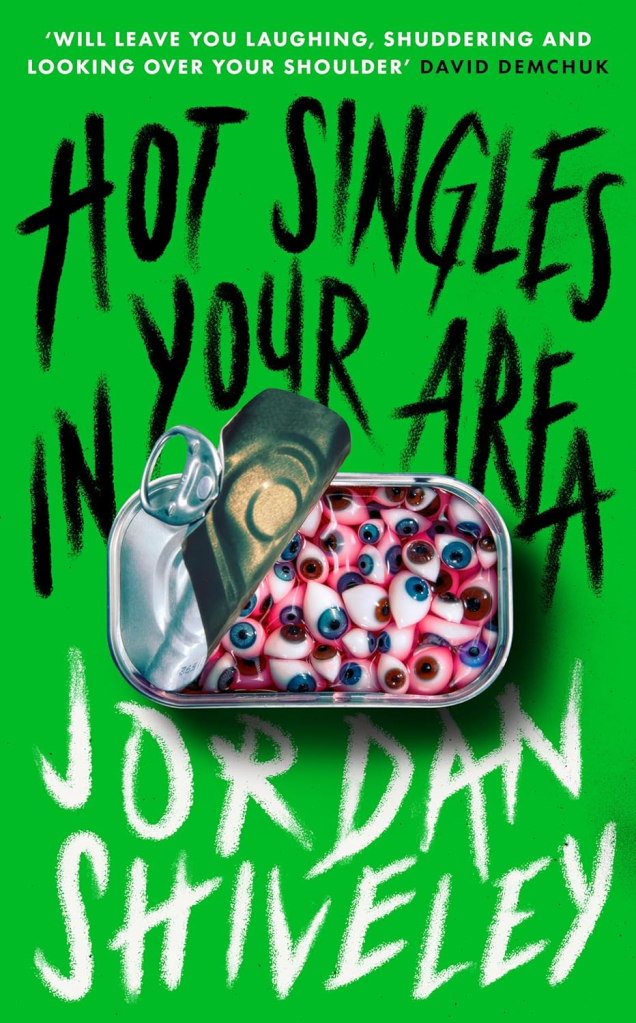
24. Hot Singles in Your Area by Jordan Shiveley: A broke, exhausted janitor tries to claw his way into a “no experience preferred” office job and winds up inside a business that sells classified ads that feel like cursed prayers. The book flips between voices, each chapter like another flyer stapled to reality’s forehead: teeth, blood, hunger, lonely hearts, and the internet’s rotting little soul. It’s hilarious, nasty, and weirdly tender, like getting hugged by a ghoul that smells faintly of piss and perfume.
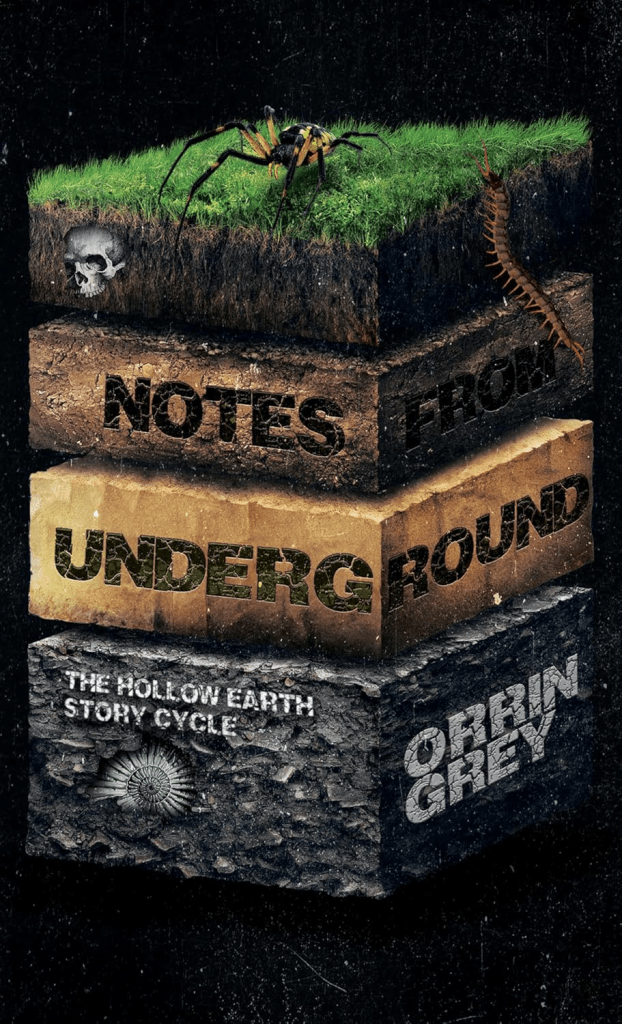
23. Notes from Underground by Orrin Grey: Orrin Grey builds a linked-story mythos where the Hollow Earth isn’t an adventure postcard, it’s a crack in the world you can’t stop picking at. You get subterranean weirdness, pulp DNA, and a dream-logic ecology that keeps sliding from physical to metaphysical. There’s also the delicious kicker: humanity’s doom and what comes after, including beetle-civilization vibes that make your skin crawl. Smart, uncanny, and fun as hell.

22. Release the Horse by Matthew Mitchell: These are bonfire stories told by your drunk cousin who definitely fought a demon behind a Dollar General and swears it was consensual. The opener alone gives you an “ungodly” horse built from mud and teeth, rural violence, meth-stink desperation, and a narrator who’s seen too much shit but keeps watching anyway. Mitchell’s voice is filthy, funny, and empathetic, like he’ll crack a joke while the world bleeds, then quietly break your heart.

21. My Name Isn’t Paul by Drew Huff: Imagine realizing you’ve been “pretending to be human” and oops, you’re actually a parasitic wasp-thing in a Paul Cattaneo skinsuit, clutching wasp killer like it’s a rosary. The Mirror People are bugs wearing humans, trying to do community and normal life while “heat” rolls in like a biological apocalypse. It’s gross, funny, anxious, and heartbreakingly alien, with Old Ones, filaments tasting emotions, and the looming chaos of Hurricane Paul.
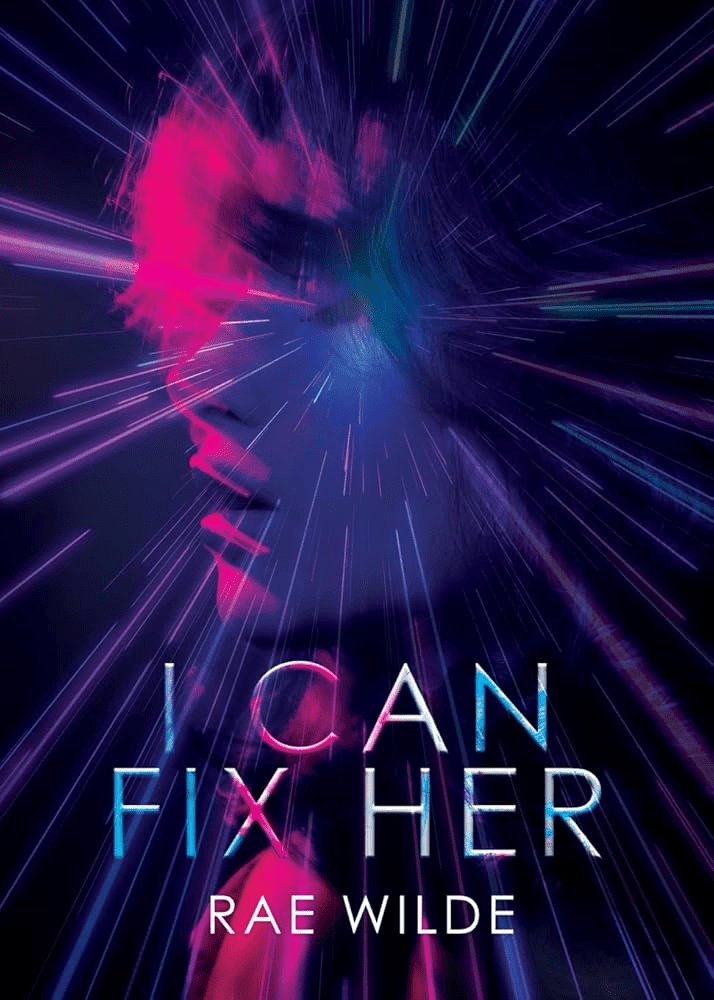
20. I Can Fix Her by Rae Wilde: Johnny sees her ex, Alice, and that’s it, reality starts coming apart like cheap seams. This novella is a vicious little time-spiral of queer desire, jealousy, routine, and obsession, the kind where you keep telling yourself, “I can change,” and what you mean is, “I will fucking control this.” It’s structured like days of the week, but it reads like a breakup haunting your bloodstream. Hot, sad, and scary as shit.

19. Mending Bodies by Hon Lai Chu: Dystopian Hong Kong, but make it body-policy horror: the government “incentivizes” physical conjoinment, sewing people together to solve loneliness, economics, and control in one brutal stitch. It’s intimate and philosophical and quietly fucking terrifying, because the real monster is the way everyone adapts. You feel every itch, every compromise, every pill-swallowed truce. It’s body horror as bureaucracy, as marriage, as survival strategy, and it will haunt you in the mirror.

18. Lupus in Fabula by Briar Ripley Page: This collection is splatter-Gothic body horror with a grin, the kind that seduces you, shocks you, then leaves you staring at your own skin like it’s suspicious. Page writes monsters that feel personal and painfully human, where appetites, transformation, and identity get tangled up in meat and myth. It’s artful flesh-havoc: gorgeous, queasy, and emotionally sharp. You’ll finish a story and go, “that’s incredibly fucked up,” admiring it anyway.

17. Freakslaw by Jane Flett: A garish funfair rolls into a dreary Scottish town like a glitter-bomb omen, and suddenly everyone’s secrets start fermenting. You get witches, fortune tellers, drag performers, conjoined twins, and a whole crew of “outsiders” who feel more alive than the locals clutching their pearls. It’s horny, tender, political, and sharp as hell, with magic that smells like blood and dirt and doesn’t give a shit about respectability. Chaos takes root and it rules.
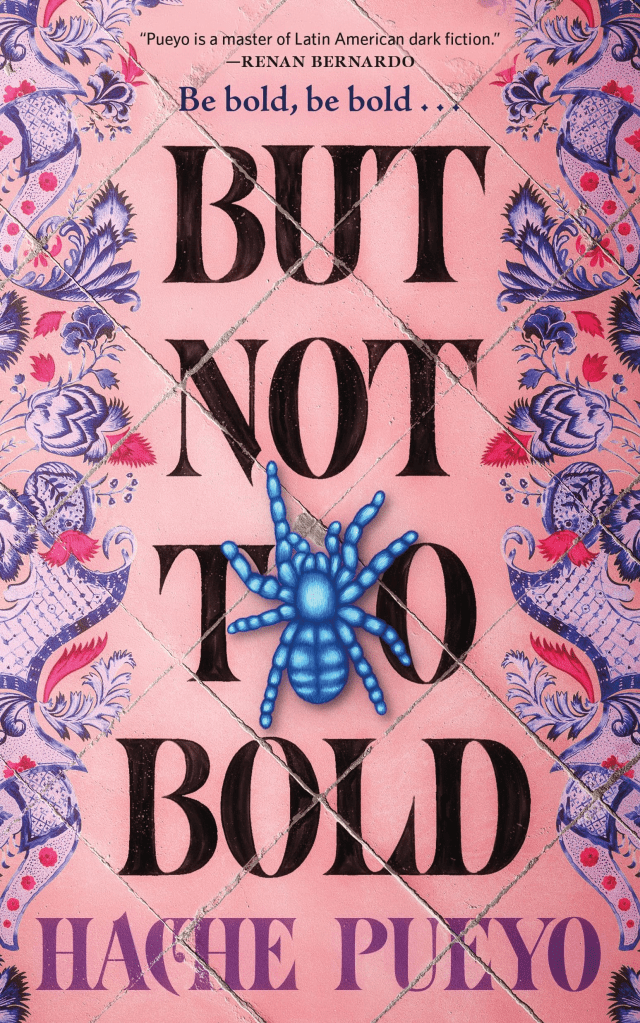
16. But Not Too Bold by Hache Pueyo: Welcome to the Capricious House, where the elevator delivers death notes, tarantulas are basically coworkers, and the third floor runs on velvet dread. Our new keeper of the keys knows the rules: pronounce Anatema right, don’t look at her face, don’t contradict her, and for fuck’s sake don’t get eaten. It’s gothic fairy-tale horror with opium poppies, ornate architecture, and a predator-mistress who makes “employment” feel like a sacrificial ritual. Deliciously nasty.
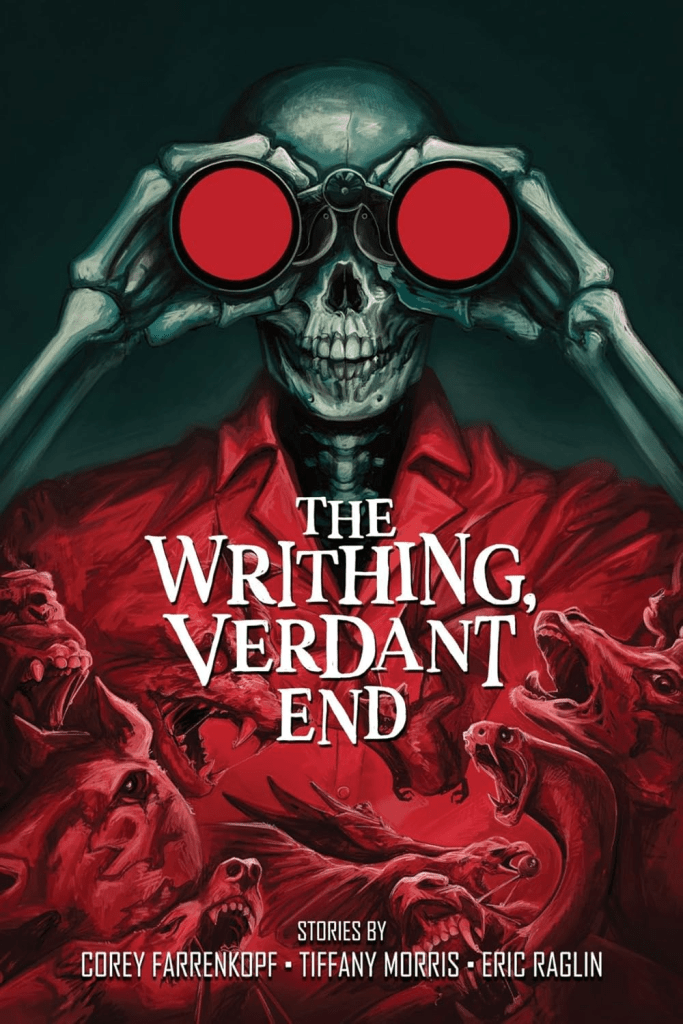
15. The Writing, Verdant End: Eco-horror that feels like the planet is filing a restraining order against humanity. In “The Final Sight,” Watchers rot in rusting chairs, binoculars locked on a green paradise across a chasm, while chemical-born animal amalgams seethe below and the “final sight” becomes a cult of denial. Then Tiffany Morris hits you with plant-madness, kudzu mutations, and the neon dread of leaves. It’s lush, doomed, and mean in the best way.

14. BodyPunk: This anthology straight-up tells you: don’t file it under “extreme horror.” It’s body horror as philosophy, splatterpunk as politics, and a bunch of gorgeous little nightmares chewing on identity, desire, shame, and meat. You get purging-as-ritual, drills to the skull, a strip-club intimacy spiral, chest-hole “this belongs to me” monstrosity sex, and an art-show of self-inflicted wounds that turns grief into a bleeding constellation.
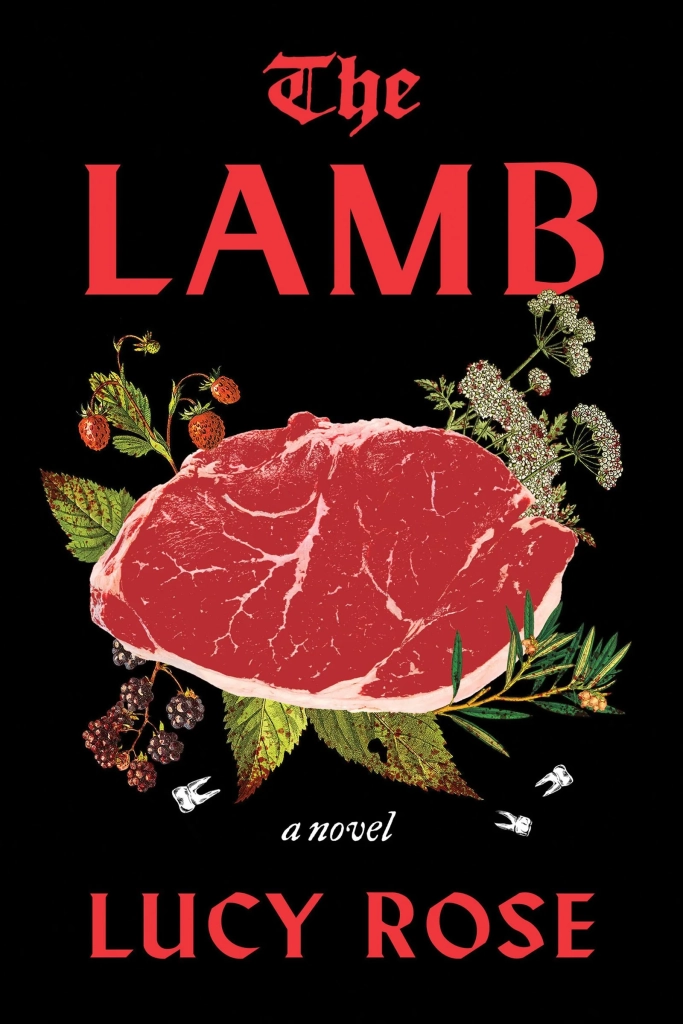
13. The Lamb by Lucy Rose: A kid called “Little One” lives on a half-hidden homestead with Mama, who smiles when “strays” knock because it means nobody has to be hungry anymore. It reads like a grim fairy tale where tenderness and appetite keep swapping masks. Enter Eden, stew that tastes too good, traps built with fishing wire, and a growing awareness that love can be a knife you hold by the blade. Beautiful, nasty, and quietly devastating.
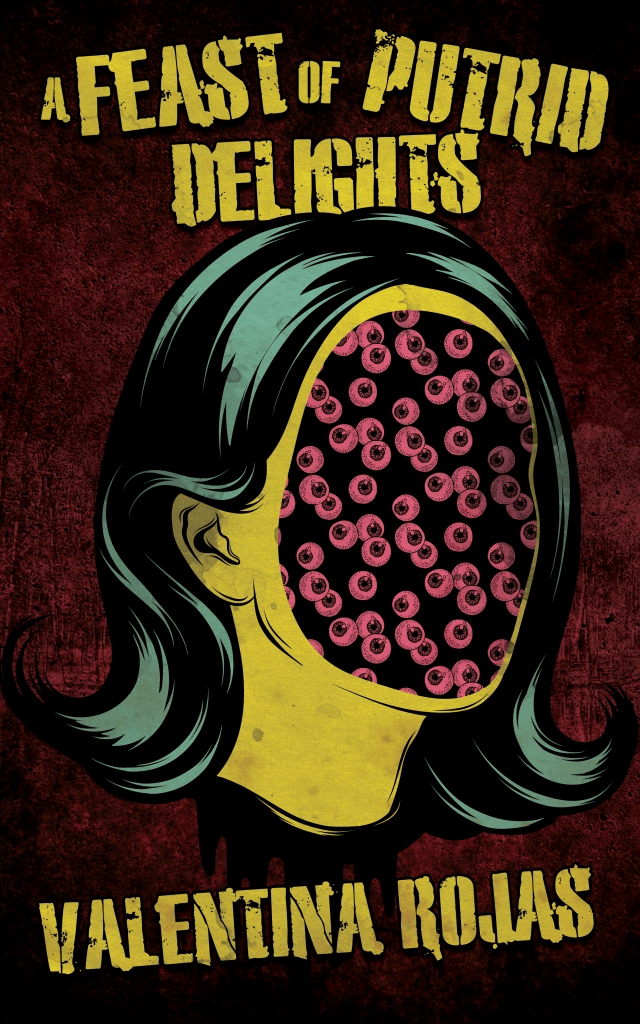
12. A Feast of Putrid Delights by Valentina Rojas: Insomnia as a lifelong curse, trauma as the thing you can’t digest, and nightlife as a machine that chews up bodies and calls it culture. This book opens with a tragedy you’re not told outright, then drags you through sleepless years, chemical escapes, and the ugly comedy of trying to convince a doctor you’re not “fine.” It’s raw, propulsive, and meanly funny, with grief and addiction grinding together until the sparks burn your eyes.
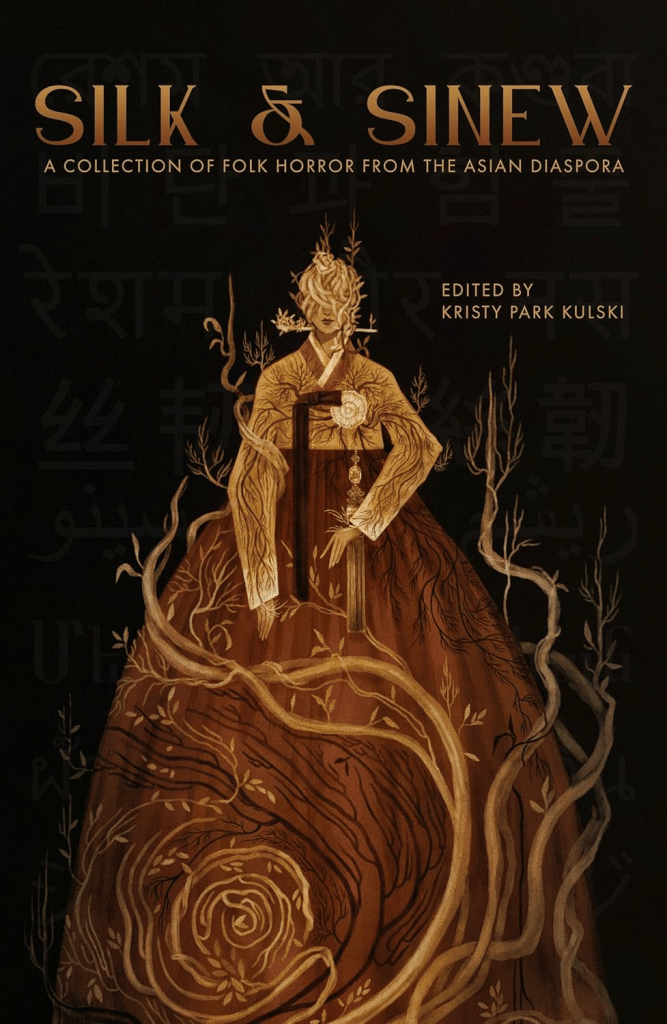
11. Silk & Sinew: This anthology is folk horror that remembers: land, water, family, language, and the long shadows of displacement. The stories hit intergenerational trauma, colonial scars, assimilation dread, and female rage. Sometimes quiet, sometimes furious, always human. It’s the kind of collection that makes “home” feel haunted and sacred at the same time, where monsters aren’t just in the forest; they’re in history, inheritance, and the shit we carry in our bodies. Gorgeous, aching, and brutal.


Elizabeth Broadbent’s Blood Cypress is Southern Gothic with teeth, a swamp-sweat confession about neglect, rage, and the ghosts festering under family skin. Nominally a missing-child search, the novella follows Lila, queer, furious, unignored by the swamp if not her town, into the Lower Congaree’s rot where love and harm blur like land and water. Broadbent’s prose is lush and nasty, a gnat-cloud of poetry that never turns precious; the horror creeps, then clamps down. The Consortium frame toys with truth and tall tale, but the vibe is undeniable: crumbling houses, Bible hypocrisy, barroom testimony, and a girl refusing to be erased. Brutal, humid, devastating. This one lingers like mildew.


Erik McHatton’s Straw World and Other Echoes From the Void is rural-surrealist horror that bleeds poetry. The title story turns an installation of straw effigies into a gallery of grief; elsewhere, door-pounding dread (“Knocks”), dirt-born mourning (“Little Dirt Boy”), and cultish dehumanization (“We Must Be Rabbits”) grind identity into ritual. TVs sprout heads, towns rot from the inside, and a Ligotti homage hums with cosmic nihilism. McHatton’s sentences are electric, gorgeous, grotesque, and obsessively recursive, binding straw, dirt, and void into a single, choking atmosphere. Anti-formula and proudly unfilmable, this is horror as art: bold, strange, and tender in its ruin. For the freaks who want scars, not jump scares.

Thomas Ha’s Uncertain Sons and Other Stories is weird horror for adult nervous systems: intimate, prickly, then casually apocalyptic. Twelve stories sketch a loose future history where collapse is climate. Rich families barricade, grackles loom, balloons hunt, and “amp-glasses” filter people into brandable themes. Standouts abound: “Window Boy,” “Cretins,” “The Brotherhood of Montague St. Video,” “Balloon Season.” Houses lie, hospitality curdles, and the color yellow flickers as caution, cowardice, glitch. Ha’s anti-infodump, pointillist worldbuilding trusts you to connect the bruises. The capstone novelette reframes the book as elegy for fathers and sons without cozy answers. Clean prose, original creature logic, surgical sadness. Nervy, humane, unforgettable.


Margie Sarsfield’s Beta Vulgaris is heartbreak horror steeped in millennial ruin: a grunge road-trip to the Midwest sugar beet harvest where overdrafts, motel mildew, and queer longing do the bleeding. Elise and her boyfriend chase cash and stability, but rot creeps in while the beet piles rise like grave mounds. Sarsfield writes with razor intimacy and deadpan bite, turning economic precarity into a slow, nerve-buzzing terror. Disappearances unsettle, payoffs stay oblique, and the real monster is money’s chokehold. Think Kathe Koja in a Walmart lot, desire smoldering like a cigarette. Brutal, tender, and hypnotically sad, this one bruises without ever raising its voice.
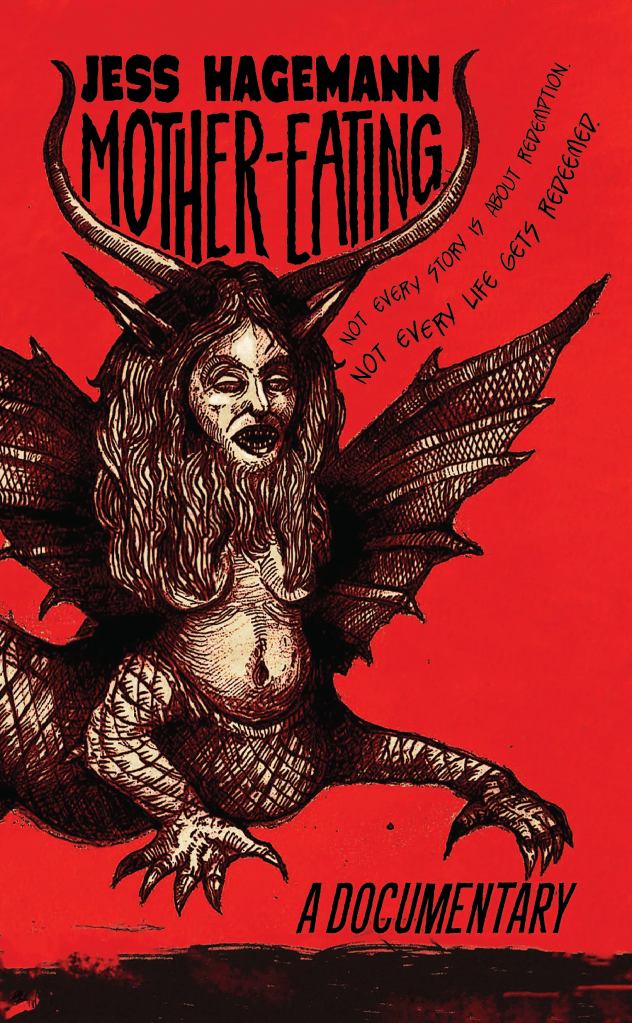
Jess Hagemann’s Mother-Eating is documentary-style horror that cuts like evidence. Told through transcripts, interviews, sworn statements, and security-cam reconstructions, it dissects Simon’s Sorrow, a Texas cult that refashions theology as wellness and turns Mary Toni into a marketable miracle. The collage isn’t gimmick; every artifact advances plot, character, and theme, revealing how charisma ossifies into policy and bodies. The compound (roses, hedges, statues, that ominous well) becomes beauty-as-trap, Gothic in daylight. Hagemann’s prose is clean, flexible, and unnervingly precise; voices feel lived-in, not workshop-flat. System-scary rather than jump-scary, the book weaponizes faith and motherhood while side-eyeing our true-crime appetite. Bring soap. And maybe go admire some birds.

Hazel Zorn’s Reef Mind is New Weird Horror with teeth. In near-future La Jolla, a sentient coral bloom remakes coastlines and people, pulling retired firefighter Matt and lifeguard Amanda into a hallucinatory struggle with grief, mimicry, and an ocean that thinks. Bioluminescent towers, air-swimming fish, and bodies sprouting polyps turn ecological anxiety into intimate terror. Zorn’s painterly prose is vivid and tactile, her “consciousness as virus” refrain giving the nightmare bite. The coral’s alien will and unforgettable imagery make this a bold, briny standout for readers who like their horror alive and still growing.
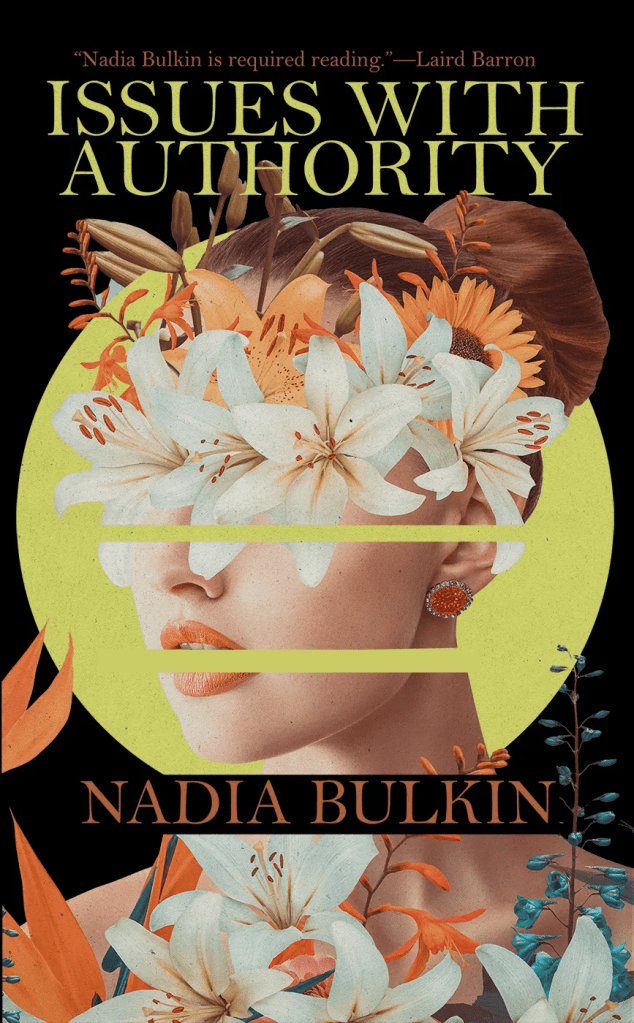
Nadia Bulkin’s Issues With Authority is political horror with a scalpel’s precision and a flamethrower’s heat. Three long stories track how power colonizes bodies and choices: in “Cop Car,” a cult-raised psychic is weaponized by a government shop that files souls under R&D; “Your Next Best American Girl” turns pageant culture into contagious body horror as girls carve “blight” holes to please the gaze; “Red Skies in the Morning” follows sisters through one last red-lit day where fate feels procedural. Bulkin’s prose is clean, sly, and quotable; the dread erodes, then bites. Smart, brutal, and plausible enough to feel like evidence.

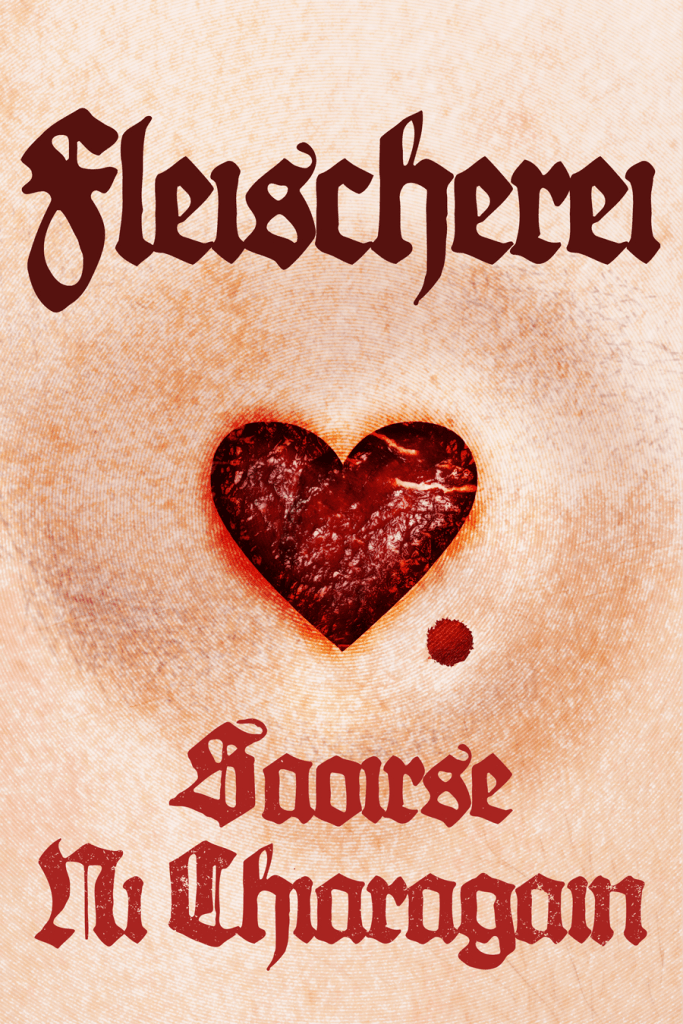
Saoirse Ní Chiaragáin’s Fleischerei is a beautiful abattoir of a novella, locking you in a Berlin of heat, mold, and historical blood as Orthlaith, an Irish content moderator, spirals through meat, grief, sex, and work until the body becomes a manifesto. The butcher’s shop is metaphor and mindscape, a fever room where burnout, Irish Catholic guilt, and feminist fury grind together. Chapters read like incisions. Language bites, chews, swallows, then refuses to digest. Think Mariana Enríquez with a scalpel, Carmen Maria Machado dipped in brine. Fragmented, political, and deranged in the right ways, Fleischerei refuses comfort and insists on transformation. You will flinch. You will finish.


Charlene Elsby’s The Organization is Here to Support You turns office life into existential horror. No monsters; just policies, metrics, and “support” that strangles. Clarissa, a meticulous cog, survives by logging in on time until a cryptic, filthy email from Dr. Dick Richards glitches the system and cracks her sense of control. Elsby’s philosopher’s knife carves dread from repetition: emails drift like snow, performance reviews erase edges, dreams feel like unpaid overtime. Ambiguous, bleak, and viciously funny, the novel skewers late-stage capitalism where “policy” means because we said so. You’ll laugh, wince, and eye your webcam like an accomplice. HR disapproves.
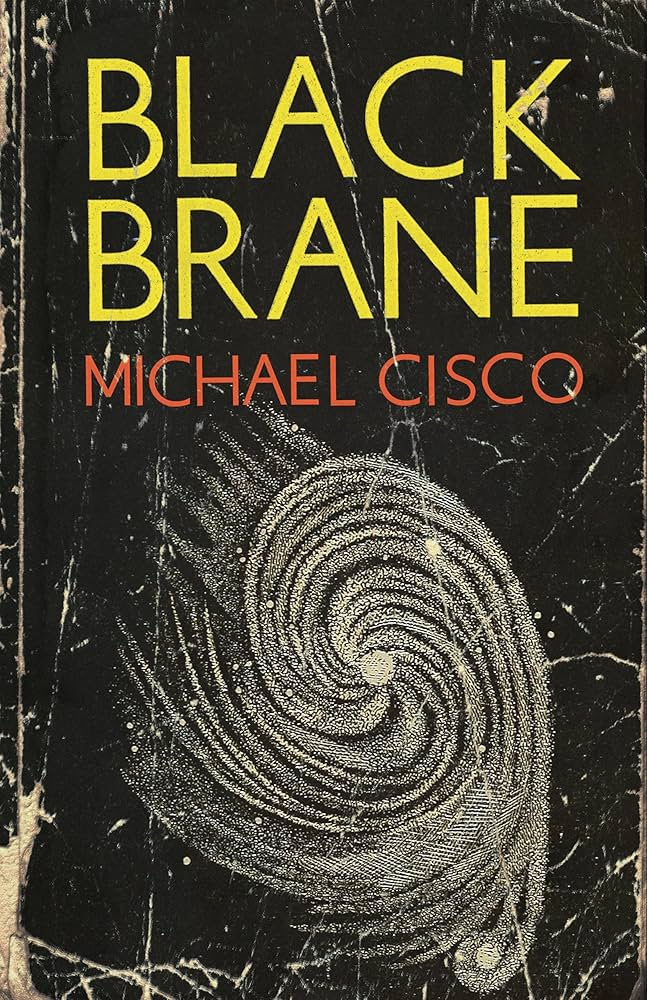
Michael Cisco’s Black Brane is a pain-dream you read with your jaw clenched. A bedridden narrator believes his chronic agony is resonating with a cosmic surface he calls the black brane, keyed to NGC 1313 X-2. From that fixed mattress the book drifts into the recent past and the gloriously absurd Temporary Institute for the Study of Holes, where a philosopher-millionaire with a literal brain hole bankrolls a “decoherence reactor” that hums like a chapel of magnets. Physics talk and metaphysical dread fuse until both glow. Holes multiply, in bodies and records and memory gaps, sharpening a philosophy of attention: you can catalog symptoms forever and still refuse to face pain. Cisco’s prose moves from clinical to lyrical in a breath, with humor flickering at the edges of bureaucratic mysticism. Plot is minimal by design. What you get instead is condition, saturation, a chamber where sounds become terrains and ideas haunt like infections. The late image of a second body in the bed lands like a voltage spike. Demanding, anti-comfort, and frequently stunning, Black Brane rewards readers who want horror that alters the instrument you read with. If you’re waiting for a tidy unmasking, you will fossilize. If not, feast.


 The Blog Without a Face
Leave a comment