

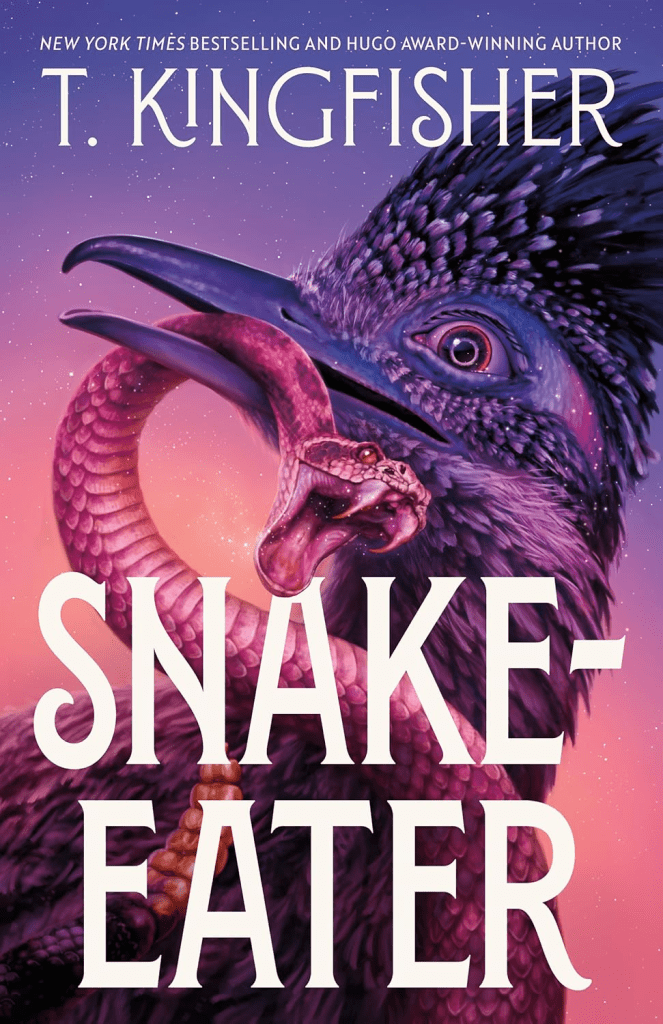






TL;DR: Snake-Eater is desert folk horror about getting the fuck away from your controlling boyfriend, accidentally inheriting a haunted threshold house, and making friends with the local gods before one of them eats you. It is funny, tender, a little bloody, and very Kingfisher-y, but it never quite gets as sharp or weird as it could.

T. Kingfisher has basically built a career out of writing about anxious women tripping into the worst possible houses. From The Twisted Ones to A House with Good Bones, it is her whole vibe: domestic horror with teeth and jokes. Here she leans all the way in. The afterword flat out calls Snake-Eater the platonic ideal of a Kingfisher horror novel, and you can feel that comfort level on every page. This is an author in her home biome, literal desert this time, playing with familiar tools.

Selena, a thirtyish woman who has finally bailed on Walter, the smug, “I only track your phone because I care” boyfriend from hell, and fled to Quartz Creek to stay with her Aunt Amelia. Except Amelia died a year ago, the house is sitting empty on the edge of the Sonoran nowhere, and Selena has twenty-seven bucks and a senior black Lab named Copper between her and disaster. The house, Jackrabbit Hole House, sits on a border between the human town and a spirit world full of local gods. One of those spirits is Snake-Eater, a roadrunner god with a taste for snakes, smaller gods, and Selena’s dreams, who also seems responsible for Aunt Amelia’s death and the kidnapping of the formidable Grandma Billy. The plot is basically “woman and dog team up with a javelina-priest and a gaggle of desert deities to rescue Grandma Billy and tell Snake-Eater to get fucked.”
The pantheon presented here is compelling. Kingfisher has always done good, grubby folklore, but the desert spirits are an absolute blast: Hawk, Old Man Rattlesnake, Hummingbird, Jackrabbit, Yellow Dog, Ocotillo with branches for hair. They argue like church ladies at bingo, get distracted, hold grudges, and treat Selena’s mortal drama as mildly inconvenient office politics. The scene where she awkwardly explains that Snake-Eater has been stalking her dreams and murdered her peacock god friend Merv, while the other spirits gripe about whether he is actually “trouble,” is pure Kingfisher comedy-gothic. And when Snake-Eater finally appears in full bird-beast glory and Copper hurls herself at his leg, you get the shift from cozy to “oh shit this thing will literally tear you in half” in about three lines.
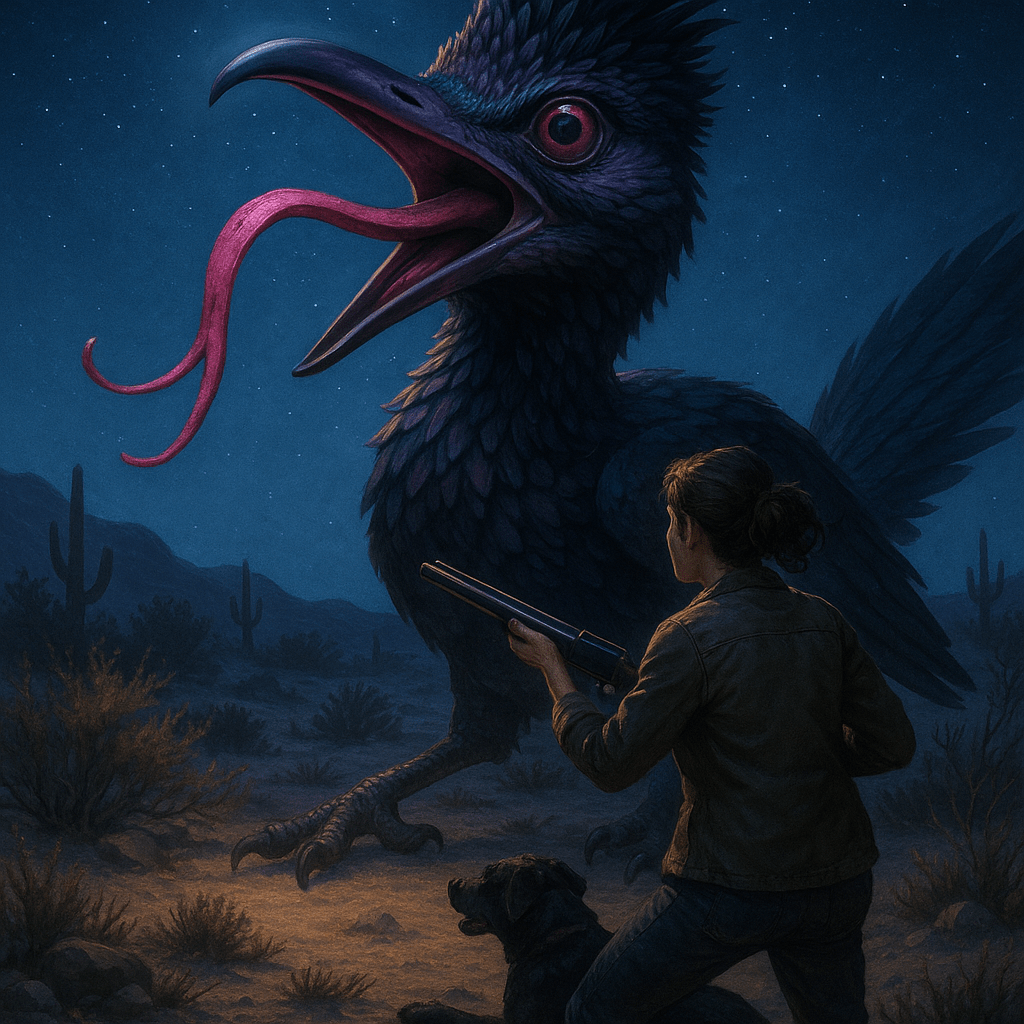
Copper, obviously, is the emotional anchor. Kingfisher writes animal companions better than most people write humans, and Copper is no exception, a middle aged, slightly creaky, tennis-ball-loving angel who is brave in that dumb dog way that makes you want to cry. When Snake-Eater kicks her into a rock and Selena has to decide whether she is the kind of person who points a shotgun at a god, it lands. The book is not subtle about “dogs love you better than shitty men,” and it absolutely does not need to be.
The book is classic Kingfisher: close third person, full of spiraling interior monologue, social-scripting anxiety, and intrusive thoughts that feel way too real. Selena’s brain constantly runs little rehearsal dialogues and self-owning asides, which gives the book a great rhythm, like listening to someone narrate their own nervous breakdown while a roadrunner god clicks in the background. The sentences are clean and conversational, the jokes land more often than not, and the whole thing moves at an easy, compulsively readable clip.
That said, onthe craft plateaus a bit. The middle stretch wanders between house maintenance, small town potlucks, and incremental ghosty weirdness in a way that feels more “nice hangout novel” than tight horror. Snake-Eater is metal as hell in concept, but for big chunks he is offstage, and the dread never quite digs its claws in. The town is charming, but sometimes the book leans so hard into comfort that the horror loses oxygen. It is good shit, genuinely, just not the “holy fuck, I am rethinking my life choices” kind of horror Kingfisher has already proven she can do.
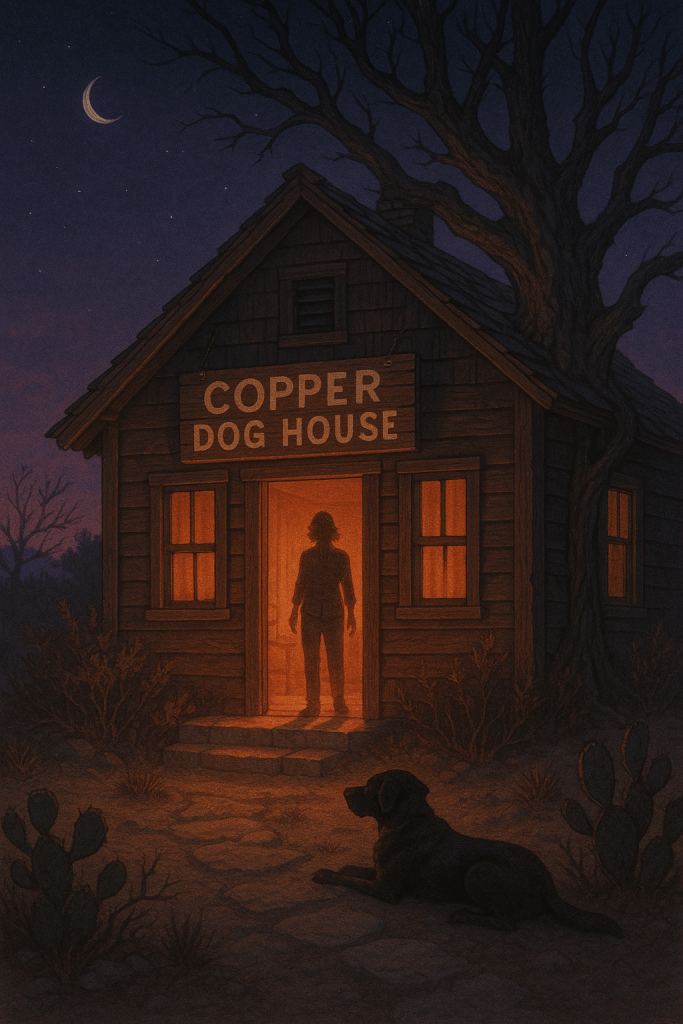
Snake-Eater lives at the crossroads of abuse, devotion, and choosing your damn self. Walter is a painfully realistic flavor of emotional abuser, forever rewriting Selena’s story so he looks like the hero who saved the silly little woman from herself. Snake-Eater is the supernatural funhouse mirror of that, an obsessive, possessive god whose “love” drains you dry. Aunt Amelia’s relationship with him is both tragic and understandable, a lonely woman trading herself away for the feeling of being worshipped. Opposing that is Copper’s uncomplicated, slobbery love and the community of Quartz Creek: Mayor Jenny, Father Aguirre, Grandma Billy, the whole messy desert. It’s ultimately weirdly hopeful. You close the book thinking about whose devotion you accept, what it costs, and how radical it can be to rename a haunted house Copper Dog House and decide you get to stay.
In the larger landscape, Snake-Eater feels like a solid mid-tier Kingfisher horror, the desert sibling of The Twisted Ones and A House with Good Bones that leans harder into found family and a little softer on raw terror. It is not the one that will convert the haters, but it is a strong, reliably weird entry in a body of work that is already stacked.

Smart, funny, emotionally satisfying, and full of delightful desert weirdos, but it plays things safe enough that you keep wishing it would get just a little stranger and a little meaner.

Read if you are a sucker for “found family vs ancient god” as a narrative cage match.
Skip if you want maximal novelty from Kingfisher rather than a familiar, slightly safer groove.
Snake-Eater by T. Kingfisher,
published December 1, 2025 by 47North.

 The Blog Without a Face
Leave a comment