

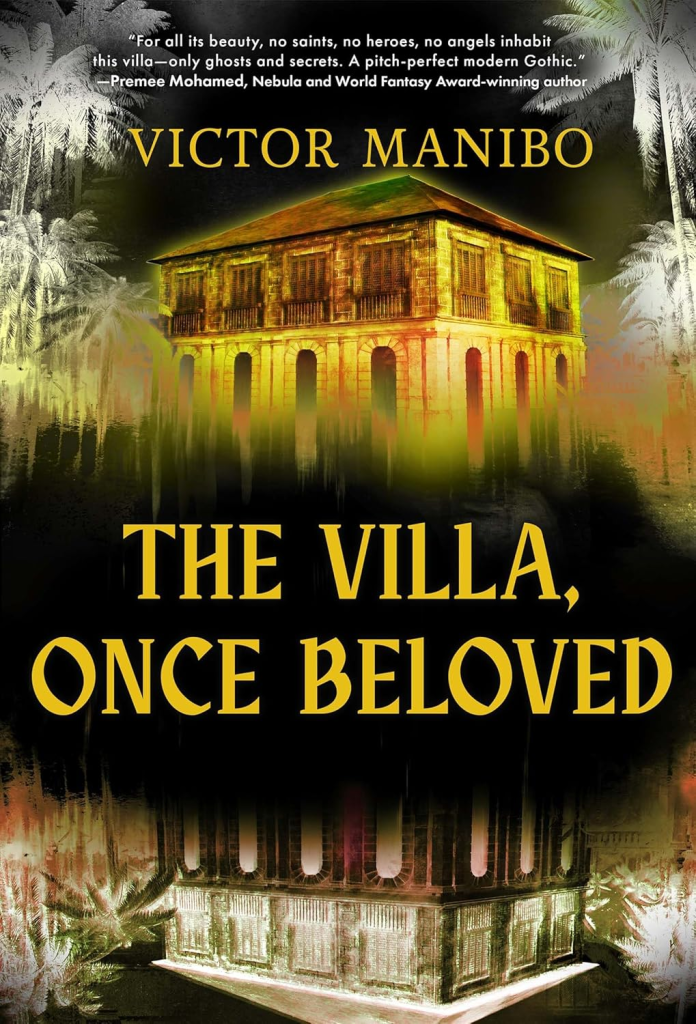





TL;DR: The Villa, Once Beloved by Victor Manibo is a Filipino Gothic about a cursed sugar estate, a family rotting from the inside, and a monster that is basically generational guilt with claws. It mixes creature-feature mayhem and political horror; a little baggy in spots, but full of sticky, fucked up tropical shit for haunted house sickos.

Our main lens is Sophie, a Nebraska computer science student limping through an elite AI program. She flies to Leyte with her boyfriend Adrian for the funeral of his hacendero grandfather, Don Raul Sepulveda, at Villa Sepulveda, once the jewel of the province, now an aging fortress of old money. Sophie wants to impress the clan and maybe save her relationship. Instead she gets storms arriving too early, swarms of beetles, sleep paralysis, and whispered warnings about gaba, the curse dogging the Sepulveda line. As Holy Week unfolds, she uncovers the story of Alondra, the nanny everyone called a witch, the desaparecidos tied to Marcos era state violence, and a balbal – a hulking, fanged creature that crashes funerals while the earth literally sinks out from under the house, exposing what the family tried to bury.
Victor Manibo is best known for near future SF like The Sleepless and Escape Velocity, and you can feel that background here. He cares about systems: how authoritarian regimes, landowning families, and American dreams feed each other like some awful ouroboros. This is easily his most Filipino book in terms of setting and texture, trading glossy corporate dystopia for typhoon-battered plantations, novenas, and the everyday Catholic and folk beliefs that live side by side with WiFi and FaceTime.
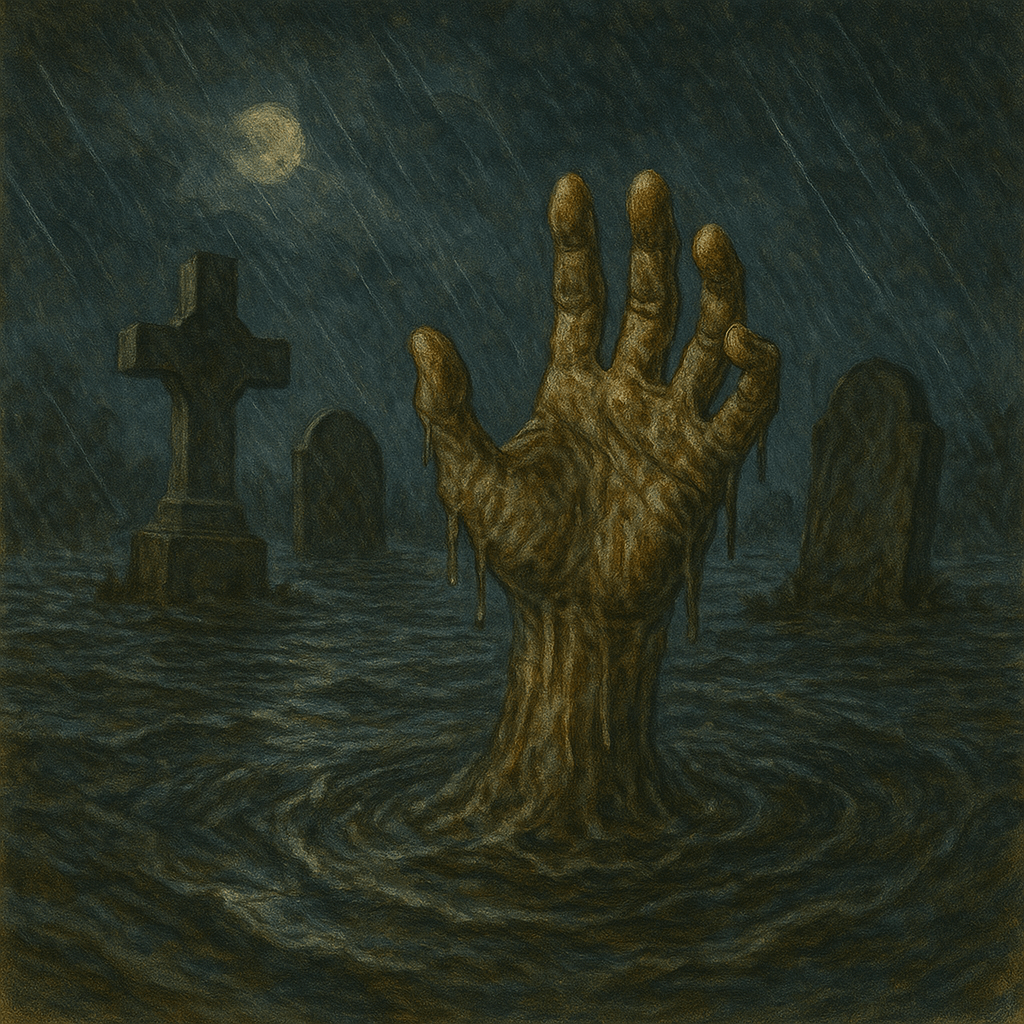
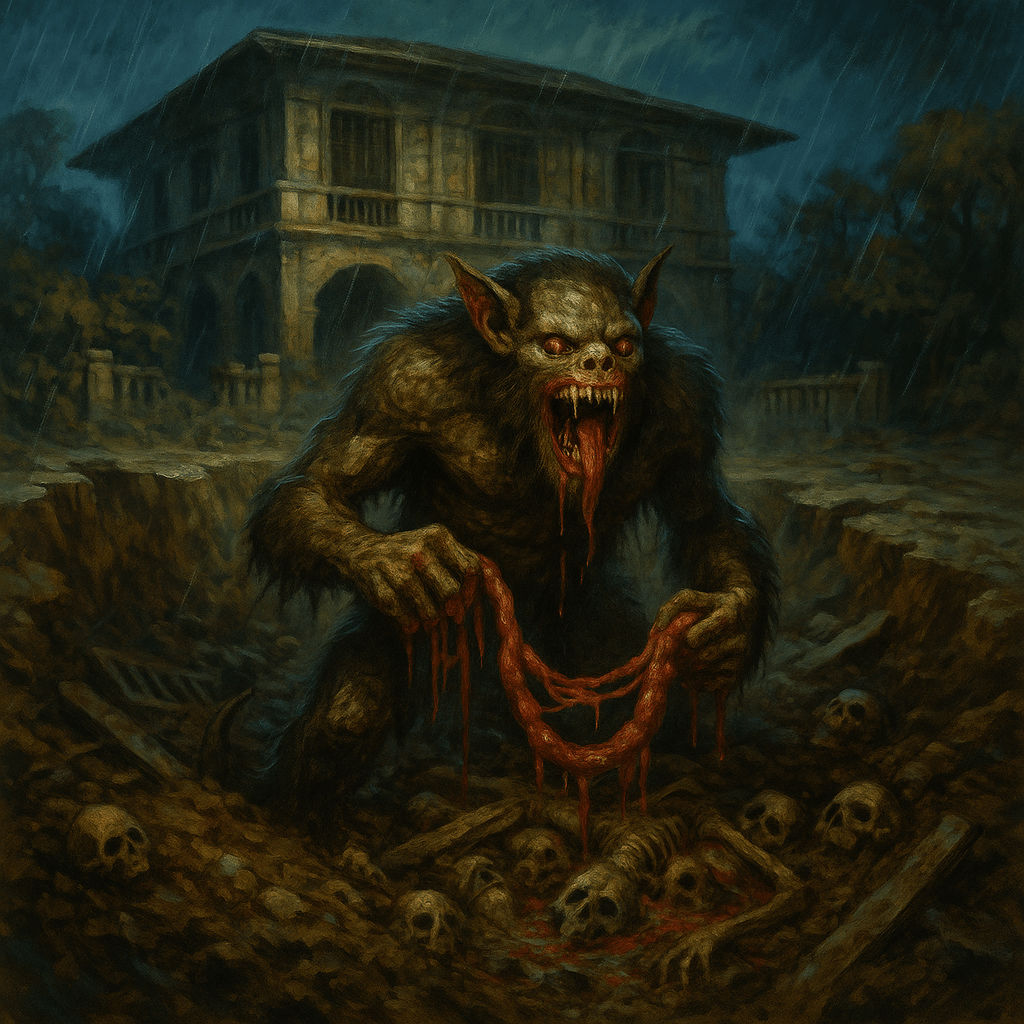
What really pops is how the haunting works on multiple levels. The balbal is a gnarly monster, all matted fur, membranes and fangs, dragging intestines across marble floors. But it is also the physical return of everything the Sepulvedas did to their workers and neighbors, and to the women in their orbit. The sinkhole sequence, with the villa collapsing into its silong and the lawn opening over a mass grave, is a genuine oh shit moment where the curse, the unfinished mausoleum, and the old colonial travelogue epigraph all snap into place without the book having to shout the metaphor at you.
On the craft side, the writing is clean and mostly unfussy, spiking into lushness when it lingers on beetles, mildew, rosaries, and storm light. The structure jumps between Sophie in the present, caretaker Remedios, young Raul, and various Sepulveda descendants, arranged around dated Holy Week sections and 1980s flashbacks. It generally works, widening the frame from one nervous girlfriend to a whole century of bad decisions. The cost is bloat. People explain the curse, Marcos history, or family grievances in long, talky scenes that step on the horror beats. The middle third especially could lose a chunk of exposition and let the reader connect more dots. The dialogue and family bitching feel lived in, though, and when the book decides to stop explaining and let a monster crash through a window or a dream drag Sophie into a tar-black swimming pool, it absolutely kills it.
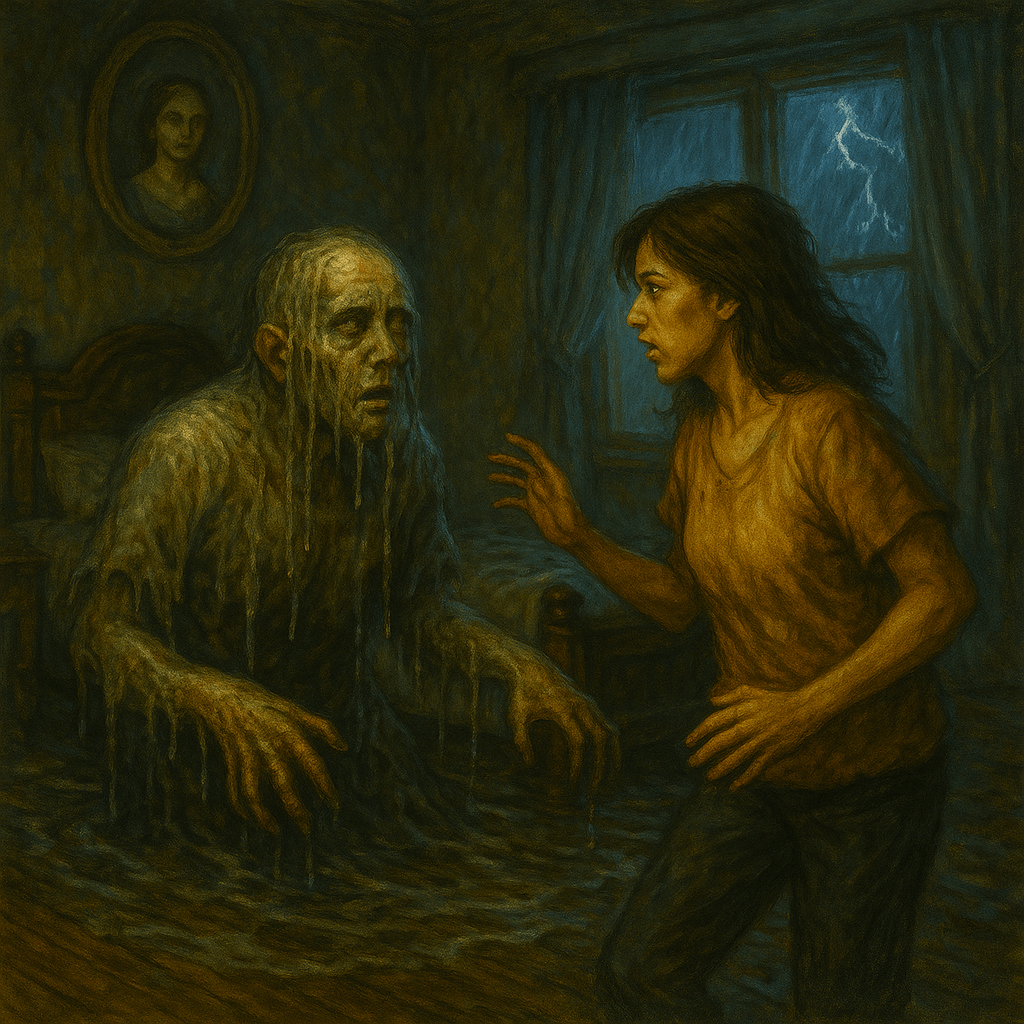
Manibo is swinging at complicity and legacy. Gaba is not just a spooky word; it is what happens when you build wealth on stolen land, kiss up to dictators, and throw problems into unmarked pits until the ground gives way. The monster is vengeance that can be read as demonic, folkloric, or just the inevitable snap-back of history. Through Sophie – American, precarious, not nearly as “outside” the system as she thinks – the novel keeps asking what the fuck you owe to the dead, what it means to marry into someone else’s haunted story, and whether love is worth being absorbed into their shit.
Listen here, I’m the first to say I’m sick and tired of haunted house horror, But, within the current pile of cursed-house-and-colonial-sins novels, The Villa, Once Beloved lands as a solid, if slightly overstuffed entry: more specific and angrier than most “rich people get haunted” books, not as stylistically wild as the really weird shit. In Manibo’s catalog it feels like an exciting, if imperfect, turn toward horror rooted in Filipino history rather than just borrowing its vibes.
Smart, bloody, and thematically sharp, even if it sometimes talks its scares half to death.

Read if you are down for monsters, mass graves, and typhoon chaos in the same story.
Skip if you want your creature feature without a bunch of messy realism attached.
The Villa, Once Beloved by Victor Manibo,
published November 25, 2025 by Erewhon.

 The Blog Without a Face
Leave a comment