



TL;DR: Pacific Northwest gothic plus mommy-vlogger meltdown plus parasocial horror is a hell of a hook, and some scenes are genuinely tense as fuck. The problem is bloat, repetition, and a finale that explains itself to death. Not bad, not embarrassing, just the kind of mid thriller you forget a week later.

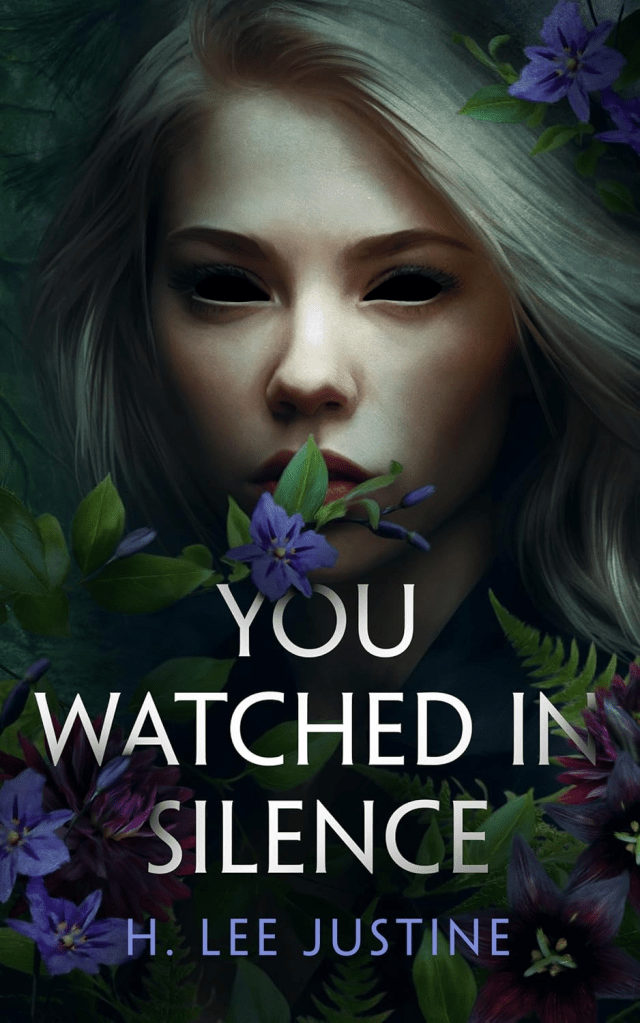
This is billed as a dark, horror-leaning thriller and a debut for H. Lee Justine, and you can feel both the promise and the new-author wobble on the page. The book leans hard into current vibes: influencer culture, cancel mobs, mommy-blogger toxicity, occult aesthetics, all wrapped in a rain-soaked Pacific Northwest gothic that the blurbs practically scream about. You can see the pitch meeting in your head, and to be fair, it is a good goddamn pitch.
Our narrator is Caitlyn, a depressed former superfan whose best friend dies after an online pile-on connected to family-influencer star Bella Greene. The book opens with Caitlyn witnessing a fall from a lighthouse cliff, a nasty little prologue that sets up both guilt and spectacle. Months later, disgraced and fleeing harassment, Bella relocates to a remote island Victorian with her twins and mostly absent husband, Tim, and hires Caitlyn as a live-in nanny. Caitlyn already knows these kids from years of vlogs; they do not know her at all. The tension comes from that imbalance and from the question lingering under every scene: is Caitlyn here to heal, to punish, or both? Meanwhile there are pentagrams in the woods, creepy stories on the twins’ iPad, and the constant sense that someone, or something, is watching.
What attracted me to the story here is less the mystery plotting and more the marriage of influencer culture to old-school gothic. The Victorian house, the private beach, the dark forest and weather all play nice with the imagery of ring lights, NDAs, and brand deals. The twins glued to horror creepypastas on their tablet while Caitlyn spins them her own witch story in the woods is a great, fucked-up generational moment. The recurring motif of being watched, judged, and silently consumed like content lands especially well; Caitlyn’s panic spirals feel like someone whose entire internal life has been turned into a comments section. And the late-book confrontation in the rain, axe in hand, with Caitlyn talking to an unseen “audience” while Bella begs for help, is a strong set piece that leans hard into the parasocial horror idea. When the book is doing that, it’s compelling as hell.
The craft is more uneven. Justine writes in an accessible, conversational first-person voice that sometimes nails the texture of anxiety: Caitlyn comparing her calm to a rogue wave that suddenly sinks ships, or describing silence as something that presses on her throat, works really well. At the same time the prose goes on long tangents, circles back to the same metaphors, and occasionally explains the emotional beats twice in case you missed them. There are stretches where the book is atmospheric as shit, and others where you feel like you are stuck in a YouTube apology video that never ends. Pacing is front-loaded and back-loaded; the middle act is a swamp of daily nanny routine, influencer backstory, and internal monologue that keeps promising a bigger horror engine than the plot actually delivers. The romance thread that creeps in feels fine but also very “we need a B-plot” instead of something organically grown.
The book wants to talk about guilt, grief, and responsibility in the age of the algorithm. Caitlyn is haunted by what she did and did not do for her friend, by the way fandom can become a weapon, and by the way Bella monetized every corner of her life until the blowback arrived. The “watcher” concept folds the reader into that mess: we sit here, just like Bella’s subscribers, consuming someone’s worst moments as entertainment. That is sharp, and there are a few places where it hits like a quiet little “oh, fuck” in the ribs. The problem is that the book does not entirely trust the reader to connect those dots. It explains its own metaphor out loud, more than once, and the final stretch leans into speeches about blame and complicity that feel like a think-piece got glued into a thriller. The impact is more “interesting essay idea” than “holy shit that story will not leave me alone.”
Amongst social-media horror and influencer thrillers, You Watched in Silence sits comfortably in the middle of the pack: more ambitious and atmospheric than a lot of airport-rack stuff, but not as sharp or ruthless as the best of that subgenre. It is the kind of book you could toss to a friend with, “Yeah, that was pretty good, lots of shit to chew on,” and then struggle to remember details a month later.
Great hook, decent vibes, execution that never quite matches the concept; a solidly average read that flashes something special but does not fully stick the landing.
Read if you want influencer-era gothic with fog, forests, and fucked-up parasocial vibes.
Skip if you hate protagonists who narrate every anxious thought until your own brain feels like mush.
You Watched In Silence by H. Lee Justine,
published November 18, 2025 by Blackstone.
 The Blog Without a Face
Leave a comment