
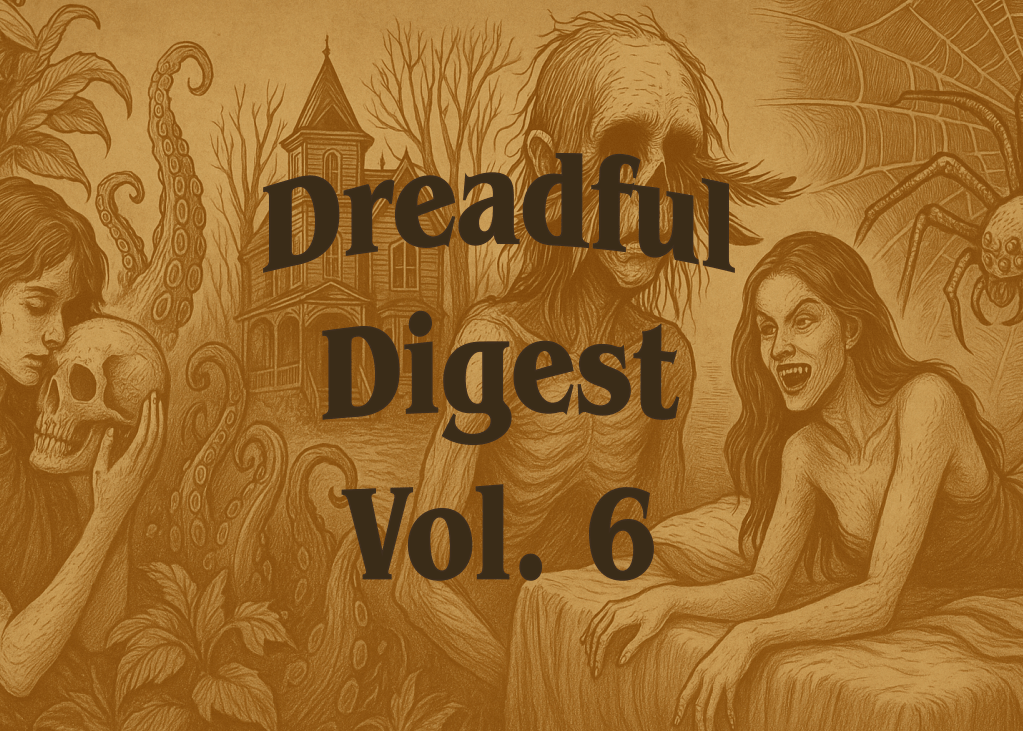
Welcome to Dreadful Digest Volume 6, where the vibes range from “my dog was murdered for a rune ritual” to “the sky is bleeding and the club still won’t turn the music down.” This round we’re tailing a grief-struck dog dad into a Norse cult and their bad-solstice plans in The Companions We Lose, then stumbling through the feathered, greasy, occult nightlife carnage of Disco Murder City. We detour into dino-riddled time-warp country with God’s Junk Drawer, watch Wilson Island drown in cosmic meat-grinder misery in Bones of Our Stars, Blood of Our World, and finally cleanse the palate with a curated mixtape of hauntings, folk rites, and quiet cosmic wrongness in The Best Weird Fiction of the Year, Vol. 1. Crime, cults, serial killers, monsters, and the sneaky horror of just existing all show up here, so pick your poison and let’s dig in.
The Companions We Lose: Norse Code and the Bad Vibes Library




Micah Castle writes a grief-soaked suburban nightmare about a man named Michael whose dog, Zylo, is found butchered and emptied, the body marked with runes. The premise is simple enough to make your stomach drop: a grieving owner wants answers, the cops are useless, and the trail leads from a dingy public library to a Norse-obsessed cult that might be prepping a solstice rite. It’s a straight line plot that keeps its focus where it hurts, on one guy’s inability to stop replaying the worst night of his life while he chases a symbol that looks like twin mountain peaks swallowing a sun. When Michael finally hits the online lair of the Followers of Fenrir and hears their masked spokesman promise that the winter solstice will be the “world’s darkest day,” the book clicks into place as sincere cult horror rather than mere shock fodder.
Castle is a prolific indie horror writer whose work pops up across magazines and small-press releases; this novella fits neatly alongside Homecoming, The Women Without Eyes, and The World He Once Knew, with a personal afterword about the real Zylo that explains the raw nerve the book keeps pressing.
What’s special here is the way the investigation is scaled to a broke, sleep-starved civilian. Library stacks, bus rides with a plastic-wrapped bundle, and a front desk clerk who has seen it all. The best scene is a grim, methodical vet report that reveals precise internal scarring shaped like runes, which lands like a second death and recasts the book as a conspiracy rather than random cruelty.
Castle’s prose goes for unvarnished immediacy with short beats, bodily detail, and lots of kitchen-sink dread. The voice can skew repetitive, like a stuck record of guilt and resolve, but that’s also the point. Dialogue is plainspoken, scene work is linear, and the image system circles decay, bleach, winter light, and that jagged sigil.
This story is grief as compulsion, and faith as weaponized pattern-seeking. The horror engine equates body violation with the shattering of routine, and the aftertaste is a tired, stubborn ember: you can’t make the world make sense, but you can write it down and keep the love alive.
Among 2025’s indie releases, this sits as modest, earnest cult horror with a true-crime texture rather than a showstopper. Sincere and solid, but familiar enough that it blurs once the chills fade.

Read if you crave grounded cult horror; can handle animal-death content; love “guy vs. secret forum” plots.
Skip if you need big set pieces; hate procedural repetition; require cosmic payoff over personal closure.
Published November 7, 2025 by Anhedonia Press.

Disco Murder City: Mirror Ball, Meat Grinder
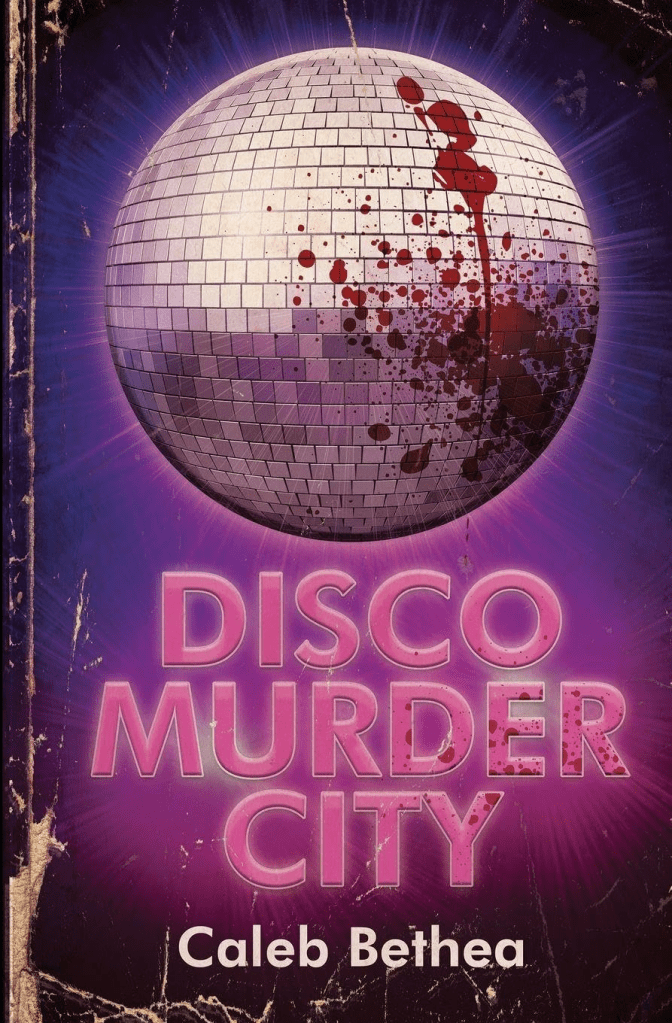

Caleb Bethea’s latest is a sticky-floored neon séance where the city’s nightlife grows teeth and starts chewing. It plays like a cult midnight movie in prose, equal parts bouncer story, urban myth, and police procedural with a funhouse mirror. The book lands because it knows exactly what it is and never lets the bassline die.
Bethea has been circling loud, punk-lit horror for a while, and this one feels like the cleanest distillation of that voice. You can see the Maudlin House DNA in the swagger and snap, but the confidence here is its own thing, a club set from a DJ who knows when to cut the lights.
Netti is our main lens, a nightlife lifer dodging the masked Killer turning dance floors into altars, while Detective Castra stalks the case through alleys, greenrooms, and back rooms that smell like sweat and fryer oil. What breaks the usual is the invasion of not-quite-human presences that glide through the crowd like beautiful contagion. Stakes are simple. Survive the night, unmask what’s feeding, and keep your soul from getting traded for a song.
Appetite runs through everything. The city eats. The clubs eat. People feed on attention, bodies, jokes, and meat. The set pieces snap: a stand-up set that doubles as confession booth, a kill among mirrored tiles that feels like ritual choreography, a deli scene where sandwiches look like offerings to a god with ketchup on its mouth. The images repeat like hooks until they burrow in.
The book is fast and grimy in the right ways. Short, tactile sentences. Dialogue that hits like bar talk at last call. Bethea cuts between POVs with a crowd-cam vibe, using feathers, meat, and mirror glitter as an image system that binds scenes into one fever. Pacing runs hot, but there’s control under the sweat.
Under the spectacle, the theme is complicity. Violence becomes an act and the crowd keeps dancing. The aftertaste is a lousy little question about how much you’d ignore to keep the night going.
In a year stacked with indie urban nightmares, this one stands tall on the slasher shelf and throws sparks across occult-noir. Loud, lurid, and distinctive enough that you’ll swear you hear the track still thumping after the lights come up.

Read if club-set supernatural slashers, gallows humor, and urban grime are your jam.
Skip if you need strict monster rules, tidy structure, and spotless heroes.
Published September 1, 2025 by Maudlin House
God’s Junk Drawer: When God Forgets to Organize the Garage and a T. Rex Falls Out
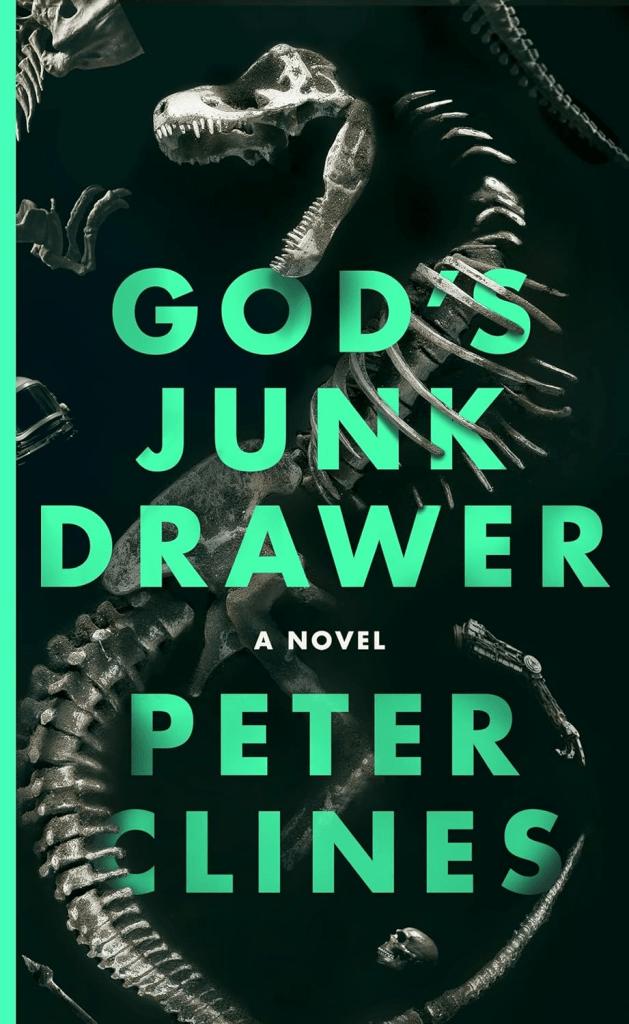



Peter Clines is the crowd-pleasing pop-horror sci-fi guy behind the Threshold books and the Ex-Heroes series, a writer who loves puzzle boxes, genre mashups, and lovable weirdos stuck in cosmic nonsense. This one sits squarely in that lane, just with more dinosaurs and a little less spark.
We bounce between a tabloid-chewed childhood tragedy (Billy “Dino Boy” Gather) and a present-day field trip led by a cash-strapped prof, Noah Barnes. The grad crew and a sketchy guide hike up a mountain for sky-imaging, the ground screams a countdown, and the world drops out. POVs want answers and survival; what blocks them is a broken-rules valley full of primeval teeth, anachronisms, and a past that won’t stay buried.
The cold open rips with faux clippings and media ephemera that make the Dino Boy scandal feel grossly real, and the “beep-beep-beep” scene where the team free-falls is a legit oh-shit moment. Barnes barking “Planetary motion waits for no one!” sets a nerd-dad tone the book keeps swerving around, sometimes to funny effect, sometimes to make you mutter damn.
Clines writes clean, TV-episode prose with quick cuts, quippy dialogue, and a propulsive chapter engine. It’s snackable. Also repetitive. The voice aims for banter under pressure, but the jokes land about half the time, and the momentum stalls whenever exposition has to carry the weight. The creature beats bang, the connective tissue wobbles.
Themes here include grief packaged as adventure, identity rebuilt through myth, and the cost of being the punchline of your own trauma. Memory lies to let you live, which is bleak as hell and kind of beautiful.
It’s Land-of-the-Lost-core for Clines fans, a mid-tier entry in his cosmic-puzzle catalog that’ll scratch the itch without blowing your mind. A fast, dino-spiked romp that’s fun in the moment but fades fast; a couple of killer scenes, a lot of okay, and not enough wow to remember next week.
Read if you crave cryptids and Cretaceous chaos, can handle time-weird logic, love found-family bickering.
Skip if you need airtight rules, hate quip-heavy dialogue, require themes that cut deeper than a cool premise.
Published November 11, 2025 by Blackstone Publishing
Bones of Our Stars, Blood of Our World: The Sky Is Bleeding and So Is Everyone You Love, Enjoy



Bones of Our Stars, Blood of Our World by Cullen Bunn is the kind of book that goes down like a six-pack of gas station beer on a humid night. You have a good time in the moment, then wake up wondering why the hell you bothered. Bunn is a workhorse of modern horror and comics, the guy behind a ridiculous number of haunted towns, cursed families, and occult screwups. This one fits neatly into his wheelhouse, a coastal small-town nightmare where cosmic weirdness and butchered bodies pile up while regular people try to keep their shit together.
Our main lens is a rotating ensemble: worn-down exterminator Barry, teen couple Willa and Kenny, burnout dealer “the Warlock,” and town oddball Madhouse Quinn. Their normal is Wilson Island life with shitty jobs, dead-end futures, and last-chance romance until witchy light tears the sky and someone in a mask starts harvesting organs. They mostly just want to survive the week and protect the people they love. What’s in the way is a masked butcher, a looming world-ending event, and their own fuckups, fears, and family baggage. The texture is salty air, cheap booze, headlights on wet asphalt, and meat on the floor.
There are flashes of something special. The opener with Barry stumbling into his bedroom and finding Allie on the bed is mean, tense, and genuinely nasty. The island feels lived in, and Madhouse Quinn mumbling about “meat puppets for the bone” has real occult-doom flavor. There are moments where you feel the bigger, weirder mythos clawing at the edges and think, okay, this could be some real cosmic shit.
The craft never fully catches up to the ideas. The prose is clean and very readable, but also talky and repetitive, with a lot of internal whining and recap that slows things down. Short chapters keep the pages turning, yet kills and visions start to blend together. Dialogue swings between sharp and sitcom. You can feel Bunn aiming for “small-town ensemble apocalypse” and landing closer to “basic cable event miniseries with extra blood and a couple of fucks for spice.”
Underneath the gore you get themes of obligation and being drafted into someone else’s war: kids, addicts, old men all yanked into a cosmic job they never applied for. There is also a thread about how small places chew people up and keep them, even when the world is literally ending, but the book never digs deep enough for it to really sting. The aftertaste is more “that was a decent late-night horror flick” than “I keep thinking about this and it’s fucking me up.”
This feels like solid mid-card Bunn: comfy brand horror that fans will inhale, not a year-defining standout. Fun enough in the moment, but it slides right out of your brain like a slick piece of butchered meat.
Read if you crave coastal small-town horror with a body count; you can handle organ-sack carnage and a lot of talk about meat; you love end-of-the-world vibes that feel like a bloody CW show.
Skip if you need tight plotting and big payoffs, not drifting chaos; you hate head-hopping POVs and repeated beats like “we’re all so screwed”; you require your cosmic shit to go full weird instead of half-measure.
Published November 11, 2025 by Gallery Books
The Best Weird Fiction of the Year, Vol. 1: Mixtape from the Mouth of the Void
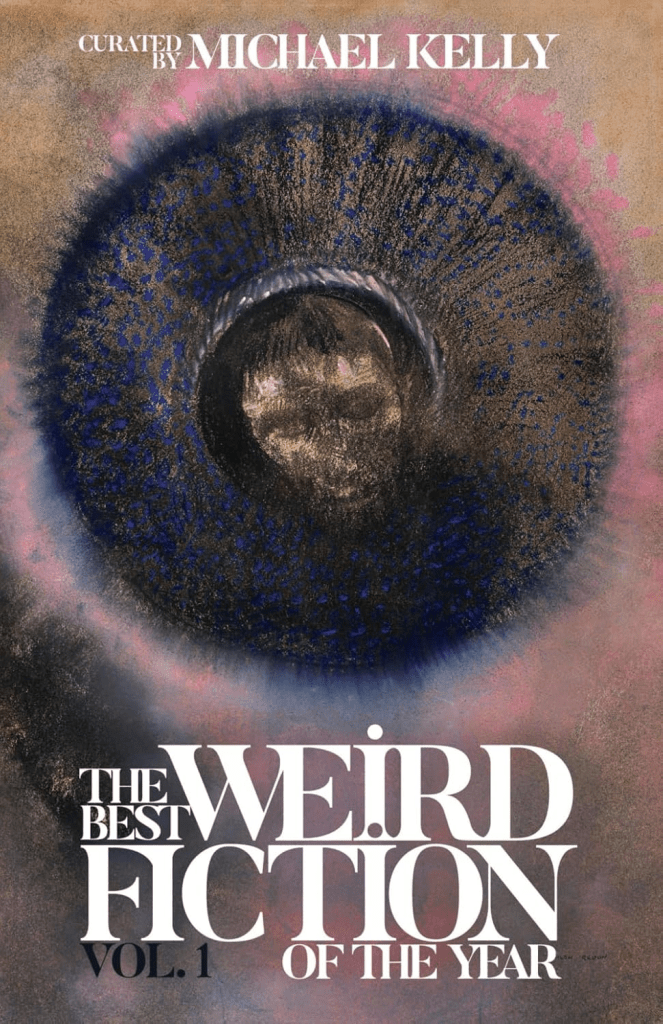



Michael Kelly has been curating the strange for a long time, and it shows. His new series revives the spirit of his earlier Year’s Best Weird Fiction in a tighter, more personal frame, with an introduction that defines weird less as a taxonomy and more as a mood of wrongness, a lens knocked a few degrees off true. That editorial philosophy drives the picks and the order, giving the book coherence without sanding off edges.
This is an annual, all-killer anthology rather than a single plot, so think mixtape. Kelly stages a slide from intimate hauntings to cosmic dislocations: childhood visitations and mother-doubles, houses that grow teeth, towns that dine with the grave, orbital prisons, and tundras where nature shrugs and you are very small. The stakes are human scale even when the canvas is planetary.
The range. You get tactile, bodily uncanny in Hiron Ennes’s “Our Best Selves,” where domestic life composts into vegetal and familial horror; it’s tender and horrifying in the same breath. Theodoridou’s “Nocturnal” whispers fairy-tale menace about a second mother and an inheritance of swamp-rot, a story about how love and fear braid into the stories we pass to our kids. Richard Gavin’s “Banquets of Embertide” turns a town dinner into a ritual that invites the literal absence of the grave to join the head table, and it is deliciously ceremonial. Rachael K. Jones’s “Five Views of the Planet Tartarus” hits with cold sci-fi bleakness: immortal punishment as orbital debris, a single, brutal idea executed to the hilt. Elsewhere, selections like “Kamchatka” give you travel-ogue realism that quietly opens a trapdoor beneath your feet. The distinct flavors never feel redundant, and a bunch of them stick to the ribs after you close the book.
As an editor, Kelly is playing DJ, and the transitions are thoughtful. Stories that hum with grief and family trauma sit up front, teaching you how to read the book’s frequency before the more baroque or cosmic tracks hit. There’s a noticeable swing between tight first-person claustrophobia and cool, reportorial voices; between lush, image-drunk prose and clean, glassy lines. Pacing is brisk, with few overlong pieces. You can feel the curation rules in the bones: mood over monster, estrangement over explanation, and endings that withhold the tidy release. Even the table of contents reads like a conversation between modes of weird.
Running through the book are inheritances you cannot refuse: family myths, town customs, ecological appetites, state violence that wants your body forever. “Nocturnal” frames motherhood as a story you may swear you’ll tell differently, only to find the old one speaking through you. “Our Best Selves” literalizes self-improvement until skin becomes raw building material. “Banquets of Embertide” asks what a community will sanctify to keep its ritual clock wound. “Five Views…” weaponizes immortality as bureaucracy. The aftertaste is a little saline, a little mineral, like you licked something older than language by accident and can’t quite wash it off. Not despairing, exactly, but humbling.
This opener plants a clear flag: “weird” as borderland, not sub-shelf of horror. It’s in conversation with Undertow’s own tradition and with broader year’s-best volumes, but it’s more catholic in mode and more committed to unease as the throughline. As a year’s snapshot, it’s a strong handshake that also argues the case for weird’s elasticity right now.
The curation is confident, the batting average strong, and several stories are worth evangelizing; as a series launch, it’s a keeper you’ll recommend whenever someone says, “show me what weird can do.”
Read if you want a single volume that shows how weird fiction stretches from domestic hauntings to grim space fables.
Skip if you want a single dominant tone; this one is a mood ring.
Published November 4, 2025 by Undertow.
 The Blog Without a Face
Leave a comment