
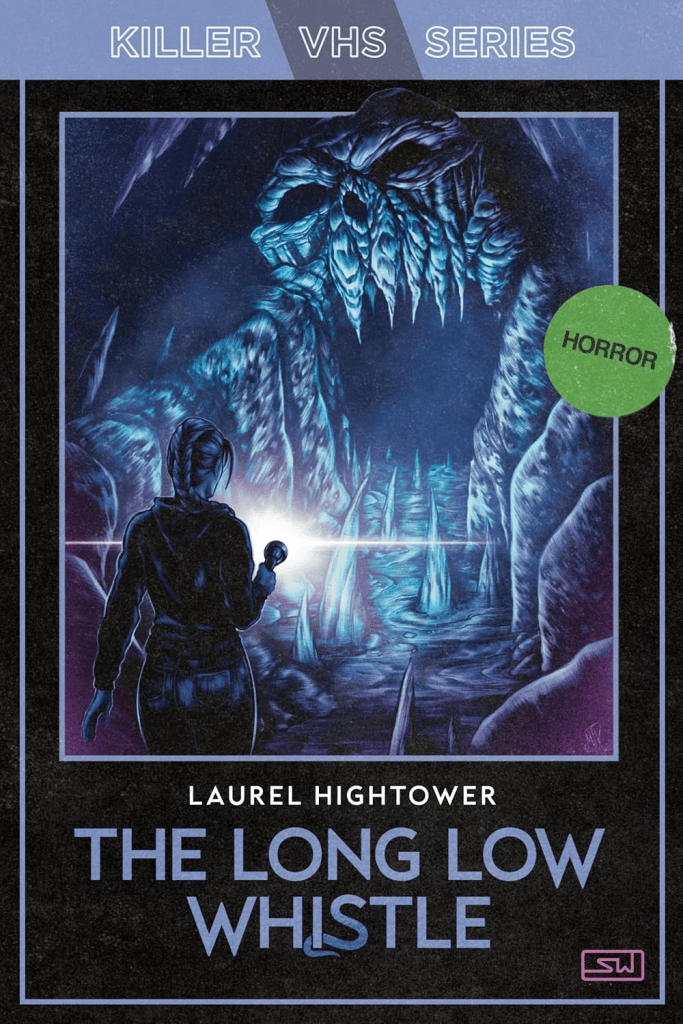


TL;DR: A grief-fueled, coal-country crawl that splices cryptid hunting with blue-collar disaster lore. It lands most when it stares straight into loss and corporate neglect, and when the tunnels feel like a living thing that wants you as a snack. A sturdy, tense read for fans of myth-soaked, low-light horror.

Laurel Hightower has built a reputation for horror about the people who carry ghosts in their ribcages while the world keeps working the night shift. This one fits cleanly in that lane, with a heroine shaped by a mine collapse and a town that remembers every rumor. Hightower’s Kentucky roots show in the textures: the whistle everyone pretended was quaint until it wasn’t, the memorialized shaft no one will let stay quiet, and the bureaucratic shrug that turns tragedy into paperwork.
The plot is simple and sharp. Patricia “Trish” Tichner grows up in the shadow of a catastrophic mine disaster that takes her father. Years later, a leaked safety video and a traveling cryptid podcast crew yank the scab. Trish wants answers. The podcasters want proof. The mine wants company. What stands in the way is sealed steel, rising water, and whatever moves when the earth coughs. The setting is rural Kentucky; the motifs are warning sirens, mausoleums with bad ideas carved into their foundations, and a long habit of telling the living to hush while the dead keep talking.
Hightower deftly braids three energies: survivor’s obsession, internet-age monster chasing, and old-region superstition that never really left the hollers. The standout beats are specific and cinematic. The opening sequence where the steam whistle becomes a dirge and the kids at the bus stop hold their breath like it might hold the mine. The graveyard spelunking through a mausoleum’s ossuary cutout that abruptly drops Trish into black water. The midnight office raid for the original tape, with the weary MSHA lifer catching them, raising a hand, and letting the alarm go silent like even he knows answers are owed. And the motel-room viewing of the footage, where the screen shivers, the rushing comes like weather, and the “is that water?” moment hits your stomach like ice. Each scene serves the same thesis: you can seal a shaft, but you cannot seal consequence.

This is lean blue-collar horror with a flashlight-beam sentence rhythm. Hightower keeps the camera close to Trish’s senses: itchy lungs, buzzing fillings, cold river panic. Dialogue moves the plot without turning into podcast banter, and the podcasting crew read like actual weirdos with day jobs, not exposition puppets. Pacing is brisk in the right places, patient when suspense matters. A few turns land a little clean, and the creature discourse sometimes leans on familiar goblin-outline lore, but the choices mostly honor the world. Prose wise, the book lives in verbs and nerves, not purple vibe-clouds, and that makes the shocks feel earned instead of ornamental.
Thematically, The Long Low Whistle is about complicity and the stories we tell to survive. There is the obvious corporate negligence thread, where safety culture becomes a slogan only the dead uphold. There is grief as geography, with Trish mapping mausoleums the way some folks map hiking trails. And there is the monstrous as feedback loop: something old in the ground finds our tunnels useful and our bodies convenient. Body immersion equals loss of self, but here it is also inheritance. You go under to bring someone back, and you come up a different species of person. The aftertaste is miner’s coffee and cold iron, and a question that lingers: did we make the monster by digging, or did the monster make us dig so it could eat easier?
In a year crowded with grief-driven horror and internet-native paranormal sleuthing, Hightower’s take stands out for its labor-conscious backbone and the way it lets haunt and hunt overlap without turning into camp. A solid, atmospheric, blue-collar cryptid crawl that does not reinvent the genre but delivers tense, believable scares and a sharp human core. The whistle may be low, but it carries.

Read if you crave rust and river-dark claustrophobia, plus a cryptid plot that treats folklore like a local union you have to respect.
Skip if you need your monsters fully explicated with a field guide and Latin name.
The Long Low Whistle by Laurel Hightower,
published November 4, 2025 by Shortwave.


 The Blog Without a Face
Leave a comment