

Welcome to Dreadful Digest, Vol. 5, your monthly sampler platter of exquisite nastiness. This round we bounce from Abuja to English mill towns to bayou backroads to black-box stages and a frozen wreck, chasing the many faces of folk terror. We start with Futility, where Nuzo Onoh turns laughter into a weapon and tiger-blood vengeance into a sermon; then Good Boy, a small, flinty boggart tale where loyalty has sharper teeth than the monster. Sister Creatures delivers swamp-sweat metamorphosis—faith, hunger, and a doll that keeps upgrading its firmware to “predator.” A Play About a Curse traps ambition in script pages and wax seals, asking what art owes the bodies it uses. And The Salvage dunks us beneath black water for museum-grade ghosts and sea-cold guilt. Grab a drink, steady your stomach and let’s wade in.
Futility: Eat, Pray, Hex




Onoh is the reigning queen of juju-soaked horror, and she leans into it here with a grin that says watch your fingers. Our POV slides between Chia, a swaggering Abuja restaurateur who wields a glamour that makes men see their dream girl; Claire, a bitter British diplomat clinging to a younger lover like a souvenir; and Zeuwa, a gentle village boy who befriends a demon child and accidentally invites a nightmare to dinner. Normal life cracks early when Chia weaponizes desire in a motel room, Claire weaponizes pettiness in a cramped flat, and Zeuwa names the demon Ọchi and learns that wishes come with teeth. The texture is pepper soup steam, embassy air-con that never works, and red dust that gets in your lungs and your morals.
Two set pieces thump like a bass drum. The opening humiliation scene is equal parts slapstick and curse, a mean little aria that establishes the book’s gleeful viciousness. Later, the village visitation escalates from bell-bright laughter to a tiger metamorphosis and massacre, a folkloric tilt that feels properly unhinged. Onoh lets those moments breathe long enough to brand the brain.
The prose is loud, juicy, and maximal, full of taunts, food, and insults that play like a live show. Dialogue struts. Chapters clip. The tradeoff is stamina. The middle cycles through similar confrontations and comeuppances, and the tonal swivels from bawdy comedy to atrocity can feel like slipping on wet tile. When the engine runs hot, it sings; when it idles, you hear it sputter.
Under the gore, the themes are vengeance and spectacle. Beauty as weapon, faith as marketplace, colonial snobbery as self-own. The horror machinery literalizes how hunger (sexual, social, ancestral) eats everyone who keeps feeding it. The aftertaste is ash and perfume, a bad laugh that you try to swallow and can’t.
Dazzling voice and audacious set-pieces, dulled by loops in the middle, but still a sharp, nasty folktale for readers who like their satire soaked in blood. A 2025 Titan release that cements Onoh’s lane: brash African horror where social comedy and ancestral wrath dance on the same knife. Not a top-tier banger, but unmistakably her.

Read if you crave folkloric horror with jet-black humor; can handle graphic body horror; love vengeance myths.
Skip if you need sympathetic leads; dislike repetition in episodic revenge arcs; prefer quiet, interior horror.
Published October 14, 2025 by Titan

Good Boy: Riot Is a Very Good Exorcist



McRobert’s debut novella runs on a simple nasty motor. In the northern town of Symester, a boy vanishes from a scrubby field called the Square. Margie Jones, a widowed nurse with a spine of steel, catches an old dog walker digging there and gets pulled into a local legend about a thin man in grey who is not really a man at all. Our other key POV is Jim Howarth, who met that thing as a kid and was saved by a runt terrier he named Riot, a dog who keeps showing up across decades like a guardian with milk teeth and a grudge. The texture is drystone walls, cold kitchens, rain in the bones, and a hole where a man’s belly should be that opens onto something that wants what it wants.
What pops are two clear standouts. First, the opening meet cute with dread, when Margie confronts Jim in the mud and realizes the leather bag at his feet holds Riot’s body, shampoo sweet over something stale. Second, Jim’s childhood encounter, where the coat parts and a weather front of nothing leans him toward a place no child should go until a furious little dog says absolutely not. Those scenes are clean, eerie, and sticky.
The prose is plainspoken with a storyteller’s crook of the finger. Scene work is steady, dialogue lands with pub room familiarity, and the book favors atmosphere over flourish. The tradeoff is stamina. The middle circles the same lanes and living rooms and the boggart’s rule set stays hazy long enough that tension sometimes fogs instead of sharpens. When momentum dips, you feel the leash.
The themes are grief and guardianship. What a community owes its children, what the living owe the dead, how a good dog can be a covenant against the dark. The aftertaste is bittersweet and English as November: courage is small, stubborn, and not always enough, but it counts.
A modest, very British entry worth of the Northern Weird project from Wild Hunt. Memorable for mood and heart more than scope. Affecting and atmospheric, if a touch overlong between sterling opening and elegiac punch.
Read if you crave regional folk dread; can handle animal death; love human-monster standoffs that under-explain.
Skip if you need propulsive mystery; dislike frame narratives; want expansive lore.
Published October 9, 2025 by Wild Hunt
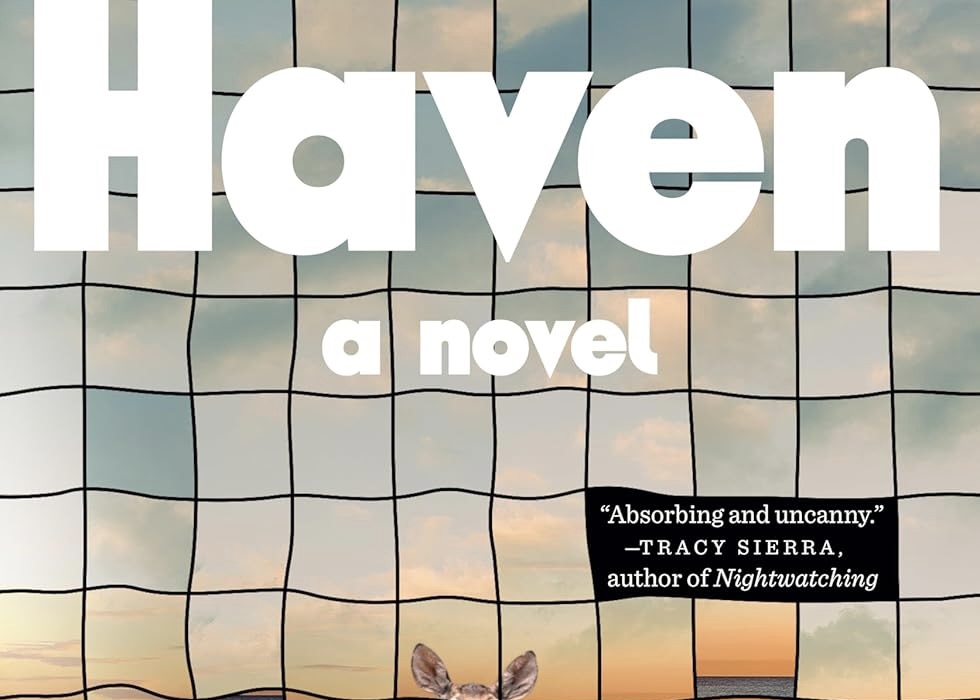
Sister Creatures: Babysitter’s Club vs. The Shapeshifting Doll


Laura Venita Green aims for a feral Southern Gothic about girls, gods, and the rot that seeps under a small town’s skin, and on paper it should be my catnip. The book shuffles POVs across Pinecreek, Louisiana, but the anchor is Tess, a twenty one year old babysitter who drinks to sand down the edges while wrangling two kids with a haunted doll and a watcher in the treeline. Their normal is heat, lovebugs, VHS tapes, and waiting for a mom who never calls. It breaks when Sister Gail, a Pentecostal wild card from the off grid Liebrecht clan, steps out of the woods and rearranges the family orbit. Tess wants quiet competence and just enough money to float. In the way are jawing secrets, a ragged faith economy, and a doll named Thea who feels less like a toy and more like a keyhole. The texture is crabgrass and chlorine, Chef Boyardee and Fiona Apple, the cranky twang of The Little Mermaid on worn tape, and a backyard full of stump thrones where bad choices get made.
What’s special are the spikes where the novel mutates into folk myth. The Gail scenes have this eerie frankness that makes every sentence feel like a dare. There is also a midbook swerve into bestiary fable that reads like Angela Carter got lost in Kisatchie National Forest. Thea’s origin turns predation into a love story, and the writing suddenly rips open with body change and appetite that actually feels dangerous.
The book moves like a mixtape. Short, barbed scenes. Tactile nouns. Dialogue that can spit. Then the pacing drifts. We circle the same rooms and the same arguments, and repetition dulls what should be ritual. The form promises a chorus, yet too many voices sing the same note. Green’s sentences often land clean and vivid. The structure fights them.
The themes are possession and permission. Who owns a body, a story, a child’s hope. Faith is a currency that buys silence. Addiction becomes a household spirit that keeps moving the furniture. The aftertaste is sticky and dim. Not dread but the woozy hangover of complicity.
This is a Southern folk horror curio with flashes of brilliance and too much drift. The swamp sings, then the song loops. Memorable for its feral metamorphosis myth, uneven as a novel. Big imagination, sharp set-pieces; the braid frays before the payoff.

Read if you crave Southern folk dread; can handle animal death; like multi-voice horror mosaics.
Skip if you need a single tight protagonist; hate episodic structures; prefer subtlety over splatter.
Published October 7, 2025 by The Unnamed Press
A Play About a Curse: Playwright Seeks Notes, Sends Malediction


Caroline Macon Fleischer writes like a playwright who stole a novelist’s coat and stuffed the pockets with glass, which fits a book staged in three acts about a mentee who decides to hex her mentor and then watches the curse boomerang. The author’s theater bones show in the way scenes click to blackout and back, in the cadence of barbed exchanges, and in the meta pleasure of a novel that is also a script with Acts, Interludes, character lists, and stage directions. It is a hybrid by design and it leans hard into the messy romance of mentorship that turns competitive and then occult.
Our POV is Corey, an ambitious recent grad whose normal is hungry and teacher fixated. The break arrives over soufflé, when her beloved professor Maxine announces a Chicago residency. Corey wants entry to the life she thinks she was promised. In the way are Maxine’s boundaries, the artistic director Daniel, and a violet lit strip mall psychic who offers a very practical solution called a curse. The texture is rehearsal rooms, green ink in the margins, jasmine lotion, and the grind of trains to a new city where opportunity and delusion wear the same blazer.
What works best are the set pieces that go full theater kid uncanny. The Dallas dinner that shifts from worship to tantrum and the séance in the clairvoyant’s den are both sticky and propulsive, and the Interludes that arrive as emails and texts give the book a guilty little thrill of peeking at someone’s phone. Think Black Swan meets Trust Exercise with a little campus novel bile for acidity.
Style wise, the sentences are vivid and actor friendly, dialogue is the engine, and the form lets scenes land like beats. The flip side is stamina. The middle stretches re stage similar confrontations, Chicago chapters sag, and the book’s big tonal swings from satire to sincere confession can feel like costume changes that leave the zipper showing.
Underneath the hex smoke, themes of envy, identity, and power in creative hierarchies ripple. Body dissolution stands in for losing self to the mentor’s gaze, and the aftertaste is queasy sympathy for both women that lingers like stage dust in your throat.
A sui generis CLASH Books entry that fuses stage brain and horror brain; more vibe and form than plot machine. Daring form and vivid set-pieces, dulled by some saggy pacing and tonal wobble. Still a sharp, sticky backstage hex.
Read if you crave theatre gossip with knives; enjoy hybrid forms; can handle messy, obsessive narrators.
Skip if you need a single likable lead; dislike meta; want lore-heavy supernatural rules.
Published October 21, 2025 by CLASH
The Salvage: Dead Men Tell Tall Timetables




Anbara Salam brings her anthropology and archival chops to a chilly maritime folk horror about history eating the present, and on paper it’s my catnip. Our POV is Marta, a museum diver shipped to the Scottish island of Cairnroch to recover a legendary captain’s bones from a pristine wreck, the HMS Deliverance. Her normal is clinical and solitary competence. It splinters the second she drops through the kelp (“And there she is. HMS Deliverance.”), and then again when the island’s benefactor family start treating the salvage like a coronation. Marta wants a clean recovery and a quiet exit. In the way are aristocratic delusions, small town theater, and a wreck that refuses to stay politely historical. The texture is brine, blackout curtains, and greenheart planks gleaming like a coffin lid.
What pops are two scenes. First, the descent that nails the tunnel vision awe of torch light finding a ring on a dead man’s finger. Second, a later intrusion that suggests someone or something is already inside the wreck, occupying the exact square inches where no one should be. Those moments had me doing the horror movie whisper, “Don’t go in there,” like a raccoon in a church.
The craft is hit or miss. Sentence to sentence, Salam can be flinty and tactile with salt, iron, and lichen you can taste. Then the pacing drifts. We circle the same island beats like hotel, bar, kirk, castle, while revelations get coyly withheld instead of sharpened. Marta’s prickly interiority works until it curdles into repetition, and the dialogue toggles between good gallows humor and exposition that basically waves a little flag. The image system of drowning, debt, and curated history lands, yet the book too often swaps dread for damp.
Themes ripple. Guilt as undertow. Class performance masquerading as heritage. The way salvage, both literal and emotional, confuses possession with closure. The aftertaste is more low tide melancholy than terror, a question about what communities enshrine for tourists versus what they bury to survive.
A 2025 island gothic entry with standout set pieces that keep getting mugged by the vibe patrol. Killer atmosphere, too much drift between the scares.
Read if you dig maritime history with ghosts; cold-weather coziness curdled by dread; meticulous procedural detail.
Skip if you need brisk plotting; prefer overt supernatural rules; have low patience for self-sabotaging narrators.
Published October 7, 2025 by Tin House

 The Blog Without a Face
Leave a comment