
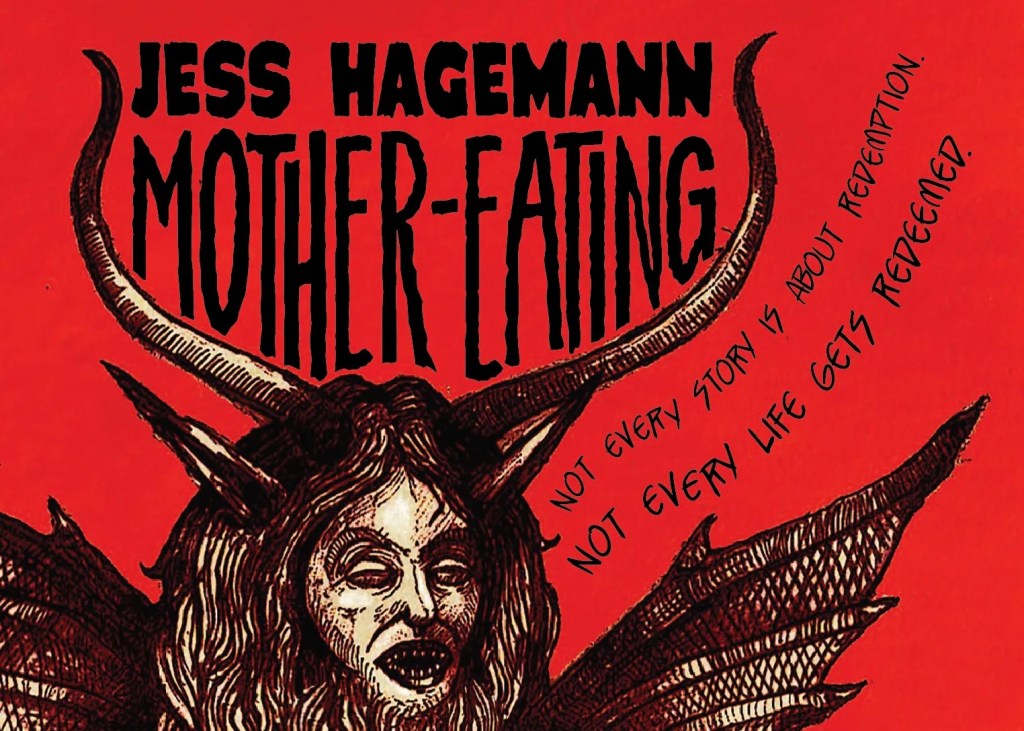
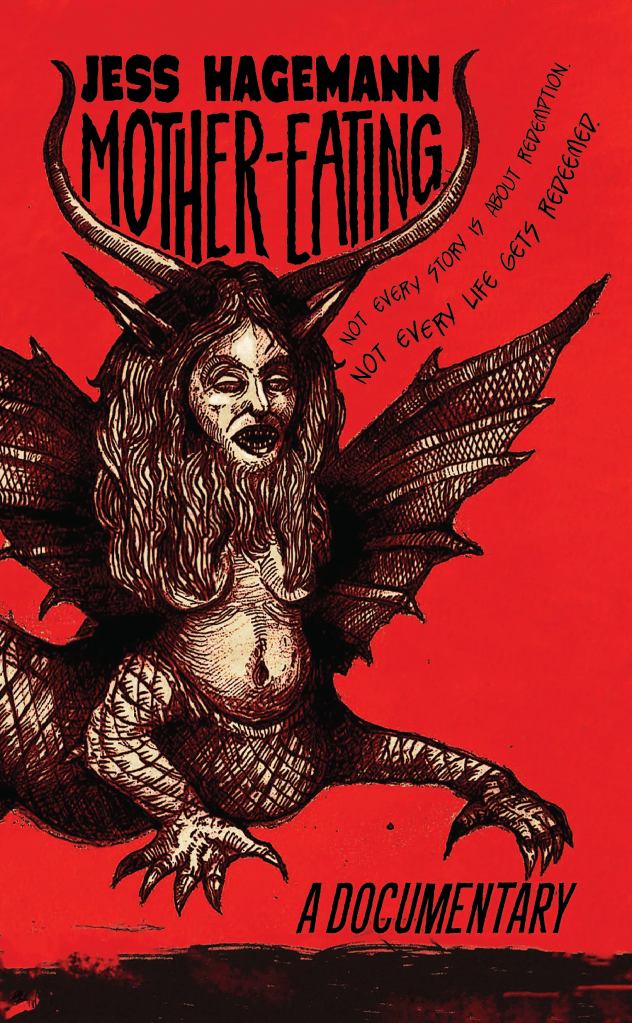






TL;DR: A Texas cult turns theology into a wellness scam and a girl into a miracle brand. Documentary-style horror that’s smart, filthy, and guaranteed to make you wash your hands and suspiciously admire birds.

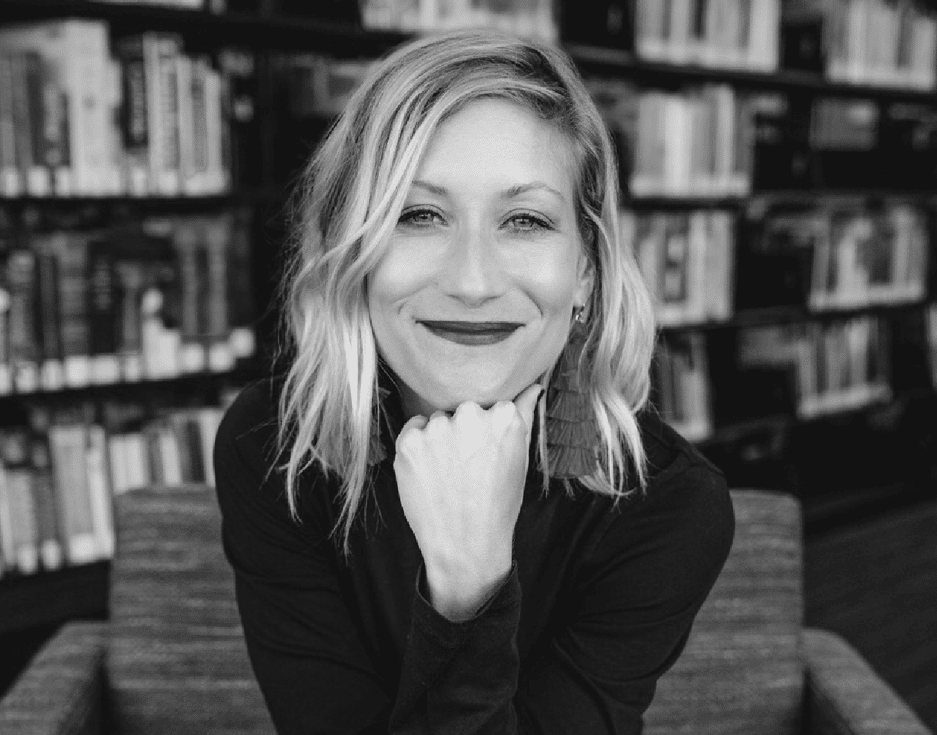
Jess Hagemann is an Austin writer with a repeat offender record in the land of the strange. She picked up an IPPY in Horror for her debut Headcheese, teaches and workshops like someone who respects sentences, and has the chaotic good energy of a novelist who would rather experiment than imitate. That pedigree matters, because this book takes a big swing with form and mostly smashes it.
The novel presents itself as a “documentary” in print. Think transcripts, interviews, sworn statements, reconstructed security-cam sequences, and assorted paper trail ephemera. The subject: Simon’s Sorrow, a pseudo-religious sex cult operating in contemporary Texas, and Mary Toni, the girl they groom and crown as a living icon. No, there are no ancient tomes or goat-headed wizards. There is a well. There is a walled garden that is too pretty to trust. There are people who talk like high-church zealots and act like project managers of pain. The book tracks how charisma calcifies into rules, and how rules turn into bodies.
Found-document novels often wobble once the novelty fades. This one treats the collage as engine, not garnish. Every artifact pushes plot, character, and theme at the same time. A security-cam reconstruction punches like a set piece. A nurse’s testimony quietly maps complicity. A groundskeeper’s wandering memory does more worldbuilding than a dozen expository chapters. The result is momentum plus moral angle. You get the thrill of evidence while the book whispers that your appetite for it is part of the crime.
At its core, Mother-Eating is about faith as a crowbar and language as a laundering machine. Pain is sanctified and taught. Pleasure is ritualized and weaponized. The cult’s theology raids Catholic iconography and gnostic flourishes with unnerving coherence. We are not in paperback-pagan land. We are in the part of the library where someone quotes the woman clothed with the sun while searching the junk drawer for nails. There is symbolism all over the place, but it does not sit politely. The garden is beauty as trap. The fountain and statues are prestige theater for people who need to feel blessed while they do unforgivable things. The well is not a metaphor. It is a mouth. The whole place is Gothic in daylight, which is much worse than Gothic at midnight.
Motherhood is the second, louder theme. Not just Mary Toni as vessel and icon, but the broader way communities crown women for sacrifice and then punish them for surviving it. A bath scene that masquerades as care reads like a thesis paragraph about control. The book gets how tenderness can be another kind of restraint when it is mandated, supervised, and named holy.
Finally, the novel has a quiet but constant beef with true-crime consumption. The frame tells you early that there are arrests, convictions, a body count. You keep reading anyway, because narrative is delicious and you are hungry. The book knows. It does not let you forget.
Hagemann writes clean and sharp. When the book wants to be clinical, it is surgical. When it wants to sing, it does, briefly, before cutting the power. The joy is in the chorus. Each speaker has a distinct cadence that betrays class, education, job, and damage. The Family Practitioner sounds like a chart note edited by a gentle person. The Record-Keeper tries to organize regret into folders. Mercy bargains with the interviewer like a fox caught in a snare who still thinks she can chew through the wire. You do not get the dreaded workshop monotone where every voice is the same grad student with a thesaurus. You get people.
The compound might be the best character in the book. Hedges, roses, a fountain, little bronze saints staring with unhelpful approval. Sunlight that feels like it cannot quite get out. It is gorgeous and suffocating. The garden is the thesis in landscaping form. Beauty hides rot. Order hides violence. And the well sits there like a memory you cannot ignore. The novel lets it wait. Your stomach learns that waiting is its own kind of horror.
Mother-Eating moves in a measured procession. Testimony builds pressure. Then a reconstructed scene snaps the tempo and steals your breath. Then back to accumulation. It is more high mass than haunted hayride, which suits the material. Does it drag? A little, here and there. A few theological riffs circle the same altar. One mid-book stretch stacks reflection on reflection when a cutaway would serve. But the collage saves it from stall. The narrative keeps passing the baton, and even the slower bits carry dread like a low fever.

Mary Toni is not a paper saint. She is a person weathered by other people’s needs. The arc is tragic without reducing her to a symbol in shoes. Louie, the cult’s king of charisma, is the right kind of antagonist: he believes every syllable he says. He treats scripture like a toolkit and people like raw material, which is scarier than any horned demon. The supporting cast sticks. The Chef, The Tigress, the groundskeeper, Mercy, the clinician. Each lands a line or a memory that makes you wince and believe.
Is it scary? Yes. Not jump-scare scary. System-scary. Warm-room scary. The kind where someone politely explains why pain is good for you while lining up the hardware. Several sequences are conventionally alarming and will make you set the book down to go breathe at a tree. The real fear lives in policy and liturgy and euphemism. When a character calls nails restoration and smiles, that tiny slide in your brain is horror doing its job.
Originality is high. The documentary frame stays purposeful from first page to last. Atmosphere is thick and tactile. The prose is flexible and mostly unshowy, with earned spikes of lyricism. The symbolism carries risk instead of winking. Characterization happens through voice and choice, not clumsy biography. The book respects your intelligence and still wants to make you squirm.
A few monologues could lose a paragraph and nothing precious would be lost. The theological echo chamber is realistic for zealots but occasionally tests patience. The documentary pose introduces a thin scrim of distance in a couple of pivotal scenes where you might want the camera to drop and the room to close in. None of this sinks the ship. It just keeps the book out of the once-in-a-decade stratosphere.
This is a top-quartile standout that marries true-crime texture to literary bite, turns theology into a weapon, and leaves you suspicious of roses, fountains, and anyone who uses the word sacrament too casually. Bring a highlighter. Bring soap. Bring birds to look at when you are done.
Mother-Eating by Jess Hagemann, published October 28, 2025 by Ghoulish Books.

Recommended for: Readers who like their cults artisanal, locally sourced, and morally catastrophic.
Not recommended for: Folks who say “I prefer my cults inspirational.”
 The Blog Without a Face
Leave a comment