
Gemma Files has been slinging nightmare fuel across the page for damn near two decades, ever since she kicked off her career in the late ’90s with short stories that clawed their way into anthologies and magazines like they owned the joint. This Canadian powerhouse isn’t just a horror writer; she’s a journalist who’s dissected pop culture guts for outlets like Rue Morgue and Tor.com, and a film critic who’s probably watched more shitty B-movies than you’ve had hot dinners. Her debut novel, Experimental Film, didn’t just win the Shirley Jackson Award for its ghostly mindfuckery, it also snagged the Sunburst Award for excellence in Canadian speculative fiction. And let’s not forget she’s a two-time Bram Stoker Award champ, which basically means the horror bigwigs keep handing her trophies because she shows up with a chainsaw where others bring butter knives. She’s got five novels under her belt, plus a slew of poetry and comics that prove she’s as versatile as she is vicious. Files isn’t some flash-in-the-pan; she’s the real deal, a genre vet who’s been influencing the next wave of creeps while keeping her day job in the shadows.
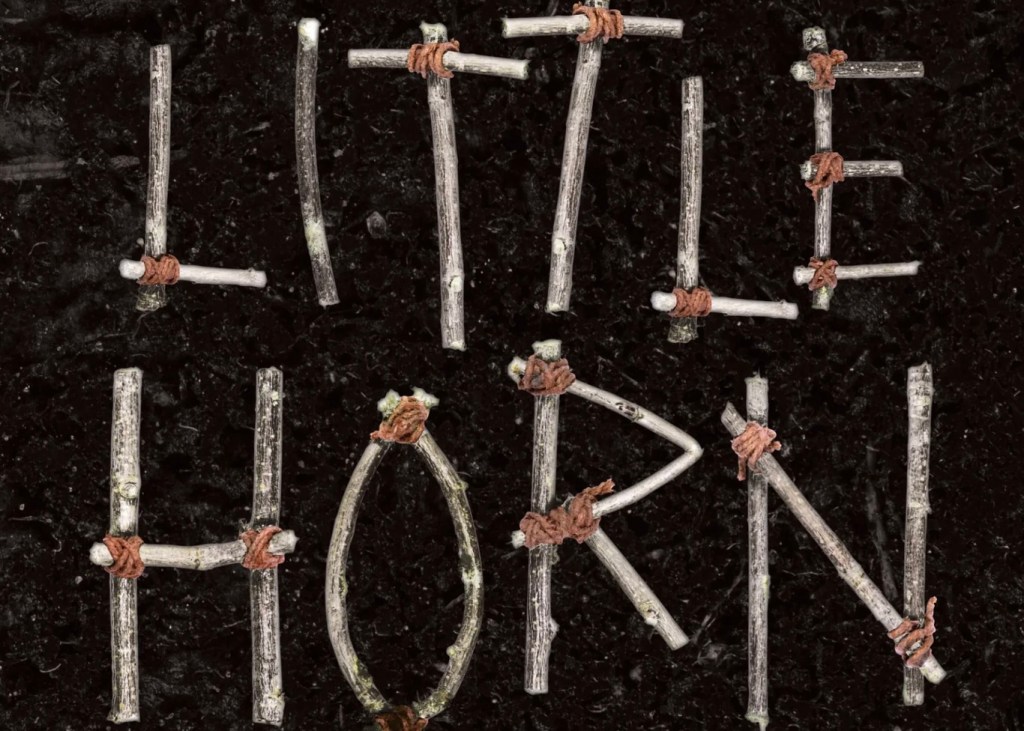
Little Horn is like a fucked-up curio cabinet stuffed with ritual junk that vibrates with bad juju the second you crack it open. You’ve got fourteen stories here, each kicking off with its own creepy illustrated title page courtesy of Files herself, and a table of contents that sounds like a deranged witch’s Spotify playlist. The whole damn thing oozes craftsmanship and that kind of swagger that says, “Yeah, I hexed this book myself.”

Files writes like a choir director who’s secretly packing a sacrificial dagger and using it to conduct the symphony from hell. We’re talking blood, salt, chalk, bones, herbs, relics that might chomp your fingers off, and tunes that curse you just for humming along. She doesn’t treat rituals like some Halloween costume bullshit. Nah, it’s a verb, an action that turns bodies into war zones and trophies. Power’s the asshole script trying to dictate your identity, and her narrators are always eyeballing it like, “Do I gotta follow this crap, or can I torch it and scribble my own ending?”
Right out the gate, the voice grabs you by the throat. “The Sanguintalist” drops you into the world of a forensic necromancer who reads blood like it’s yesterday’s newspaper, and the tone is so casually gross you can practically taste the metallic tang and feel the cold slab under your ass. “Accidents and murders, that’s my meat” – boom, that’s her thesis, and it’s daring you to keep reading, you sick fuck.
“Hagstone” is a sneaky bastard that starts as a deep dive into restoring a lost 1975 folk-horror flick, complete with bitchy rants about ownership, dusty archives, and who the hell gets to gawk at this stuff. Then Files veers hard into folklore 101, schooling you on hagstones, those rocks with natural holes that supposedly let you peep alternate realities and maybe turn you into something else in the process. It’s brainy as shit without feeling like a lecture hall snoozefest, and it leaves you with that creepy itch, like you’ve spied on something that wasn’t meant for your prying eyes.
The title story, “Little Horn,” is a blasphemous road trip anthem starring two badass girls, one who’s just crowned herself queen of her own apocalypse, and a Lucifer who strolls into a bombed-out diner looking like a crossroads demon in a cheap pork-pie hat. The vibe bounces from savage beatdowns to flirty philosophy, then slams down on consent and free will like a holy water balloon full of piss. The killer line? That flat-out refusal: “I don’t have to fight you. I never did.” It’s the ultimate antimyth grenade, and it explodes all over your expectations.

Diving deeper: “The Sanguintalist” follows this blue-collar necromancer punching the clock, decoding crimes from the crimson splatter while setting boundaries like a burnout freelancer who’s seen one too many corpses twitch. The opener’s disgustingly delightful, packed with insect eggs, decay timers, and a voice that treats homicide like spreadsheet data. Procedural horror with a poet’s bitter guts spilled everywhere.
“Hagstone” masquerades as an academic file on lost films and distribution fuckery, then twists into a goddamn summoning ritual. Files riffs on media theory laced with folk horror, whispering that every film restoration is basically casting a spell. Flip the stone, peer through the hole, and bam – you’re seeing the future, or maybe it’s seeing you.
“Bb Minor, or the Suicide Choir: An Oral History” – shit, the title’s a giveaway. Music as a viral plague, community as the echo chamber that cranks it to lethal. Pieced-together voices build a legend, then flip the switch and watch it devour everything. Files gets band scenes and how they chew up their own, and the format’s perfect for the festering wound.
“Little Horn” steals the show, kicking off with end-times carnage that reads like a “fuck you” note to civilization. “We lit that fucker up all together” ain’t subtle, and thank Satan for that. Lucifer shows up with his smarmy pitch about fate, the girls tell him to cram it, and they strut off into the sunset. I straight-up cackled and maybe threw a fist in the air like a dork.
Originality? Files loots the old reliquaries and archives, then tags her own graffiti all over ’em with a can of spray paint dipped in blood. Even nods to familiar tropes get twisted until they’re wrong in the most righteous way. This collection’s like a hymnbook defaced by a ragey choir dropout who swiped the sacristy blade.
Pacing’s mostly slow burn, the kind that singes your eyebrows before melting the whole altar. A few spots linger for atmosphere, but when the atmosphere’s gasoline fumes and whispered incantations, who’s bitching? The drop hits hard – “Hagstone” morphs from dusty scholarship to full-on possession by artifact provenance. Nasty trick, beautifully pulled.
Characters aren’t just robed extras; they’re mouthy, flawed humans with spines. In “Little Horn,” the Lucifer banter’s hilarious heresy that still packs an emotional punch. The script-rejection feels like a raw character moment before it goes cosmic. That’s writing that sticks the landing.

Scare factor? Plenty of “oh fuck” dread mixed with awe-struck wonder. The book’s séance vibe left me twitchy, like I’d stared into a mirror too long and something stared back. “We lit that fucker up” is metal as hell and genuinely chilling – fear’s in the fallout, the sticky choices that cling.
Style’s lyrical but not prissy, funny without dulling the edge. Files is a prose wizard with a sadistic grin and a prankster’s heart. Sentences throb like veins; images linger like stains. If flowery horror makes you gag, steer clear – this ain’t your pew.
At its rotten core, the collection keeps probing: Who names you? Who scripts your ass? Who profits off your agony? “Hagstone” gnaws at ownership till it bleeds – film rights, visions, audiences. Spoiler: Not the dickheads in charge. The hagstone’s your ticket to transformative peeping. In “Little Horn,” Lucifer dangles the crown and the playbook; the girls flip him off. Choice is the real blasphemy, refusal the holiest act. Apocalypse? Optional. Destiny? Corporate bullshit. Consent? Your secret shiv.
TL;DR: A savage, stunning batch of folk-occult yarns about power grabs, self-naming, and DIY doomsdays. Slow simmers to brutal blasts, voiced like a choir shoved through a grinder. Unmistakably badass. Buy it, you coward.










Recommended for: Choir geeks hexing in harmony. Archivists treating emails like spellbooks. Ex-altar servers with sticky fingers on the dagger. Anyone who hears B-flat minor and thinks, “Time to summon the beast.”
Not recommended for: Wusses who think séances are just candles and chill vibes. Readers who puke at salt lines, chalk doodles, or “we lit that fucker up.” Cat haters, crossroads avoiders, or free-will deniers. Lucifer fanboys who like their fate served mushy.
Published October 14, 2025 by Shortwave.
 The Blog Without a Face
Leave a comment