
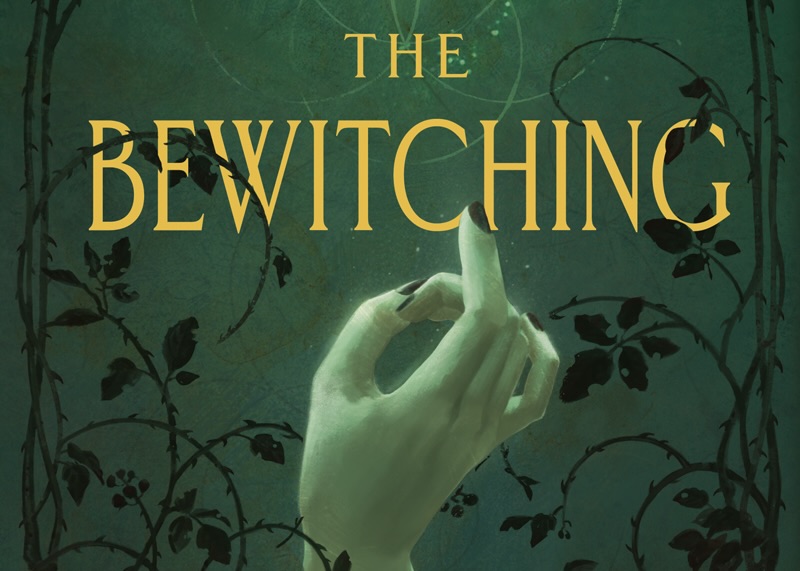
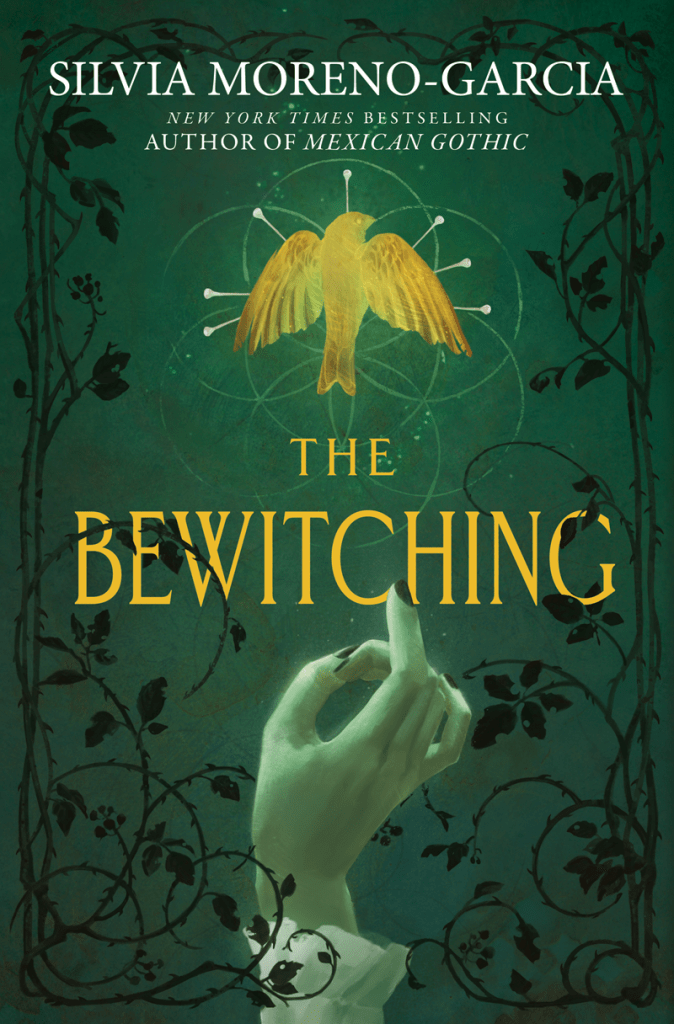
Silvia Moreno-Garcia is a pro. She can build an atmosphere like a stagehand who’s been sleeping under the boards. But The Bewitching is the literary equivalent of a beautifully staged seminar where the projector dies halfway through and everyone pretends that’s fine. It isn’t bad. It’s just frustratingly middling. Handsome, poised, and faintly hollow. If you want a witch book that cuts, this one mostly nicks.
Moreno-Garcia’s resume is stacked: crossover hits, awards, and a habit of slipping between horror, fantasy, and noir with irritating ease. She knows tone. She knows place. She writes with clarity and restraint. None of that is in question. The issue here isn’t competence; it’s voltage. The book performs, but rarely thrums.
We hop across timelines: a 1990s New England campus where Minerva, a Mexican grad student drying out on institutional air, chases a lost horror writer through donor-guarded archives; early-20th-century Mexico, where a young woman tiptoes around folk magic and family obligation; and a mid-century thread involving literary occultism and the vanished writer’s circle. All strands braid toward a “witch” story about erasure, class, and who controls the archive.

It sounds crackling. On the page, it often moseys. The story promises a charged collision between academic gatekeeping and real-deal occult fallout. What it delivers is a steady simmer with a few good bubbles and an ending that feels engineered rather than inevitable.
Themes: The big idea—archives as haunted houses, donors as sorcerers who decide what survives—is strong. “Witch” is less spell-slinger than social label for women who don’t obey the floor plan. Great. But the book keeps telling you that, politely and repeatedly, instead of letting the dread metastasize. The critique of institutional power lands with a firm tap when what it needs is a hammer.
Symbols: Birds, old houses, and curated history form the symbolic backbone. It’s all very tasteful: taxidermy as literary chorus; peacocks as shrieking wealth; a locked building as memory mausoleum. The motifs are tidy, maybe too tidy. They behave like exhibits, not creatures. At times it’s more museum tour than haunting.
Style: Moreno-Garcia writes clean, unfussy sentences and toggles between crisp New England chill and warmer, folkloric textures in Mexico. It’s technically elegant. It’s also emotionally dialed down. You can admire the woodwork while feeling very little heat.
The novel argues that stories are spells and gatekeepers hold the wand. I co-sign. But the book rarely lets the occult break the glass. When the supernatural does surface, it’s like a briefing slide: the beats check out, the logic clicks, and the world never quite tips. The result is a political ghost story that’s more position paper than possession.
Worse, the intergenerational thread feels schematic: past and present mirror each other with the precision of a workshop exercise. You can sense the outline. The book is so careful about its points that it forgets to be feral. Witchcraft needs mess; this is impeccably swept.

Strengths
- Atmosphere: Coastal rot, dusty stacks, and the bureaucratic dread of “please submit your request again” are rendered with clinical confidence. You smell the mildew.
- Clarity: Scenes are readable, the structure is legible, and you won’t drown in purple fog. If you hate baroque sentences, rejoice.
- Concept: Academia + occult + donor politics is a great triangle. The setup practically sells itself.
Critiques
- Pacing that mistakes patience for suspense. The first third puts its feet up. We spend long stretches in the elegant waiting room of Vibes while plot takes the late bus. A slow burn is fine; this is a slow simmer where the flame is perpetually set to “polite.”
- Fear deficit. The book is more about friction than fear. You’ll get raised eyebrows, not raised hackles. The spookiest elements arrive pre-laundered, explained quickly, and filed away according to policy. I wanted at least one scene to feel ungovernable. It never does.
- Characters as functions. Minerva has potential—sharp mind, immigrant precarity, archival obsession—but she reads like a consistent angle, not a person capable of surprise. Side characters mostly serve the theme: Gatekeeper, Ghost Author, Heritage Figure. The human mess is sanded down.
- Thematic neatness. The metaphors line up like soldiers. That’s admirable and dull. A witch novel should stain; this one wipes clean.
- Payoff engineering. The final moves snap into place with puzzle-box logic. Satisfying in a crossword sense, thin in a gut sense. You recognize the design but don’t feel the drop.
- Originality: The premise is fresh; the execution feels safe. The campus occult angle with donor politics is ripe, but the novel parks firmly within the lanes. You can see the horror lineage and the academic novel lineage; you rarely feel either mutate into something new.
- Pacing: It’s not glacial, it’s sedated. The book builds an expectation of escalation and then keeps selecting “defer.” When turns happen, they register as “oh, right” rather than “oh God, oh no.”
- Characters: Competent, flattened by their jobs in the story. Minerva is a viewpoint more than a person; the antagonistic forces are compelling as institutions and limp as individuals. There’s very little chaotic desire here, the thing that makes characters pop off the page and cause trouble.
- Scare factor: Low. There’s mood, there’s murk, there’s a couple of strange sounds in the walls. But your pulse will stay in its ergonomic chair. If you measure horror by images that lodge in your head and twitch at 2 a.m., this leaves easy.
The Bewitching looks great on the shelf, reads smoothly, and vanishes almost as smoothly. It’s a skilled, cautious entry in the “dark academia meets folklore” corner that never commits the cardinal sins (stupidity or slop) but also never risks the ecstatic sins (excess, rapture, rupture). The book is the well-mannered ghost at the banquet: present, tasteful, and forgettable by dessert.

This is unfortunately average. Functional atmosphere, admirable control, and a strong central thesis undermined by safe choices, low heat, and a fear response hovering firmly at “mildly uneasy.” If you’re hunting for weird, daring, and volatile, this isn’t it.
TL;DR: Gorgeous setup, tasteful execution, minimal bite. The Bewitching is a clean, careful campus-occult tale that critiques gatekeeping with the energy of a meeting agenda. It’s readable, sometimes lovely, and largely forgettable. You’ll admire the carpentry and never feel the house shift under your feet.






Recommended for: Readers who like their horror housebroken; fans of tidy prose and academic intrigue; anyone who wants “witchy ambiance” without the messy aftermath; people who alphabetize their spice racks and wish archives had more peacocks and fewer surprises.
Not recommended for: Sickos (hello) chasing feral, transgressive horror; readers who want actual dread rather than grant-committee tension; anyone allergic to slow burns that never really burn; folks who want characters to make disastrous choices instead of well-behaved ones.
Published July 15, 2025 by Del Rey

 The Blog Without a Face
Leave a comment