

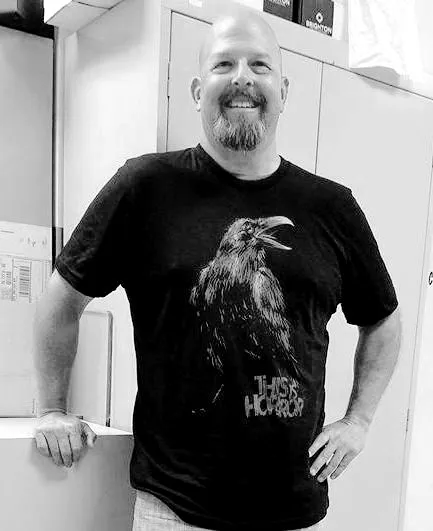
Bob Pastorella is a Southeast Texas horror lifer and co-host of the long-running This Is Horror podcast. Before this blood-slicked solo novel, he dropped the weird-crime novella Mojo Rising and co-wrote the voyeuristic thriller They’re Watching with Michael David Wilson. In other words: a guy who’s been talking horror for a decade and finally sharpens his own stakes again.
Grigsby, Texas, isn’t exactly a postcard. Jay is a twenty-something landscaper between semesters and life plans, and he’s obsessed with the creepy neighbor, Mr. Fields: odd hours, a parade of visitors who seem to evaporate, and a shed that whispers, don’t open me. When Jay glimpses what looks like his murdered friend LuCyndi’s shirt in that shed, the amateur sleuthing kicks into high gear.
Jay, girlfriend Willi, and their buddy Arty decide to break in, only to discover a reinforced door and a literal den of horrors waiting beyond it. Also: Fields won’t stop giggling, which is never a good sign when you’re zip-tying someone to a recliner.

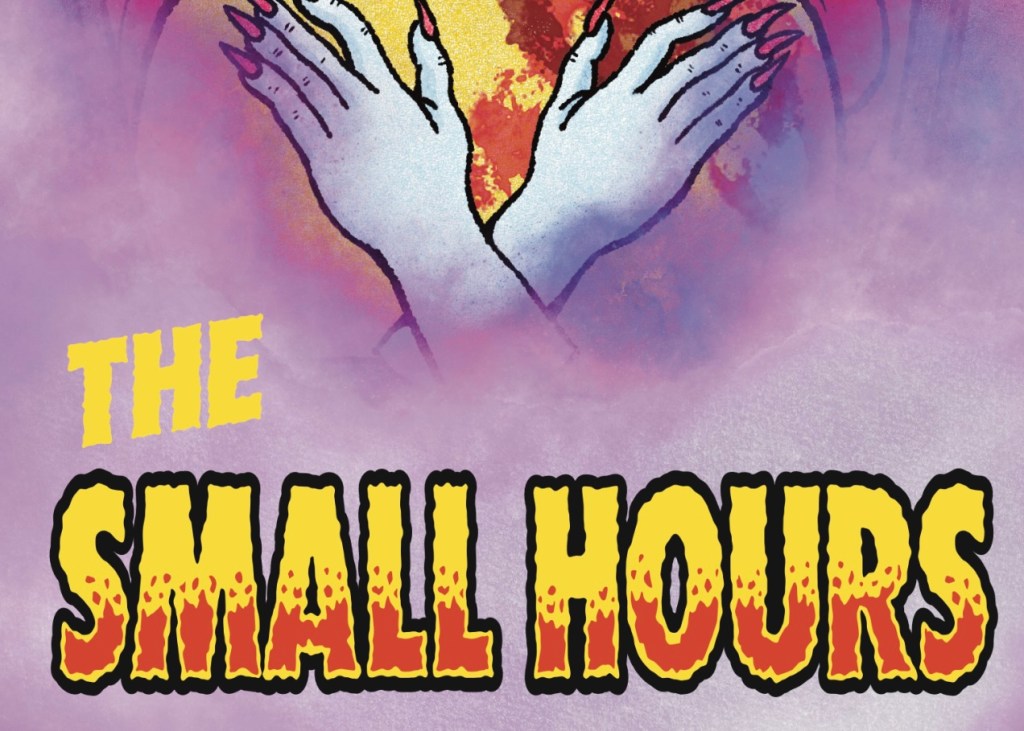
The truth? Vampires. Not Byronic supermodels. Night-hungry monsters with a “Master,” “brides,” and a habit of messing with your head and your sense of time. And yes, the “lady in white” seen around the park isn’t just small-town folklore. She has a name. You know it.
The second half pulls back the curtain on exactly how deep this rot goes: the Master’s origin, what the “brides” were doing before the fangs, and how the mess gets… managed. This is not just a monster in a basement; it’s an ecosystem of predators, enablers, and bureaucrats with hazmat suits.
The oyster scene early on is your thesis statement: Fields shucks them alive and lectures about the invigorating thrill of eating living things. Predation framed as sophistication. It’s a neat, nasty symbol for the novel’s food chain: rich men devour, sycophants serve, the vulnerable get plated.
Pastorella’s Grigsby is the American small town that got carved up and left to smoke. The school closed. Churches run searches for missing kids because who else will. It’s a community living in the afterglow of “used to be,” which makes it fertile soil for rumor, vigilante fantasies, and the kind of predator who knows exactly how long a news cycle lasts.
There’s also a wry streak of class snark: the Master as an ex-aristocrat “tamed” by criminals is an on-the-nose jab at how money and violence keep adopting each other’s children. The “brides” being former strippers is less about moralizing sex work and more about how predatory men groom, brand, and recycle women into rituals, clubs, and myths.
Stylistically, Pastorella writes with bar-room momentum: short, punchy lines, gallows humor, and then a burst of gore that hits like a snapped belt. He’s not trying to reinvent the sentence so much as make it sprint, then slip on blood.
The Small Hours is about the fantasy of control when the world refuses to behave. Jay needs a culprit because grief without a face is a void, and voids swallow people. Willi, the book’s beating heart, wants a confession on tape as if justice is still a switch you can flip. The novel asks how far you can drag your own line in the sand before you realize you’ve been standing in a tide the whole time. That tide looks a lot like collusion: organized crime, organized cleanup, organized forgetting. And if that sounds familiar to real life, well, that’s the point.
Two sequences are seared into my skull. First, Arty’s death, which is fast, ugly, and drenched in helplessness. Fields’ giggling quip after is sociopathic chef’s-kiss villainy. Second, the reveal of the “lady in white” is a perfect exploitation-film shocker delivered with the quiet heartbreak of recognition. Both scenes stick because Pastorella balances pulp glee with human fallout.
Strengths:
- Pacing: Starts as backyard noir and escalates into splatterpunk siege, never losing the thread.
- Villainy: Fields is a hoot and a horror show, a Blue-Lives-sticker ghoul who weaponizes charm, hot sauce, and insurance fraud.
- Willi: Not a cardboard “final girl.” She drives the investigation, does the dirty work, and isn’t here for your nonsense.
- Set-piece inventiveness: Pits, hearts, brides, hazmat men, and a “we’ll make it go away” denouement that lands as satirical and chilling.
Critiques:
- The lore delivery sometimes leans on villain monologue. When Fields explains the Master like a smirking docent, it’s fun, but a hair expository.
- A late-book procedural sweep by the cleanup crew tilts the tone from desperate survival into conspiracy thriller. It fits, but some readers may miss the rawer, messier aftermath.
- Side characters like Erick the Red are cool as hell, though occasionally convenient as plot accelerants.
It’s not “sleep with the lights on for a week” cosmic dread. It’s visceral: blades, pits, necks, and the throb of bad decisions. The shed sequences and the home-invasion-adjacent beats are genuinely tense, and the reveals carry the emotional sting of grief weaponized. If your fear receptors light up at predation, mob complicity, and the sense that authority will both fail you and erase you, this hits.
Vampires are a crowded crypt, but Pastorella’s take is grime-slicked and blue-collar American: union of crime thriller kinetics with monster-movie appetite. Jay and Willi read like people you’ve shared a parking-lot beer with at midnight. The prose is unfussy and fast; the atmosphere is humid and rank in the best way. Original enough to feel fresh, anchored enough to be comfort horror for the splatter crowd.
A sharp, nasty, fast vampire brawler with a brain. Not a near-masterpiece, but it kicks hard and leaves a bruise in exactly the shape of modern predation. On the BWAF curve: comfortably above the pack for energy, voice, and carnivorous class commentary.
TL;DR: Texas backyard noir mutates into a splatterpunk vampire siege with big themes about predation, grief, and institutional cleanup. Pastorella’s pacing is killer, Willi rules, and the oyster scene is an all-timer metaphor for how monsters eat us with a smile.








Recommended for: Anybody who has ever eyed their neighbor’s shed and thought, yeah, that’s definitely where he keeps the immortal aristocrat; those who like their hot sauce and their horror at the same Scoville level; those who believe hazmat guys do more PR than cleanup.
Not recommended for: Anybody who prefers their vampires wistful and gluten-free; folks who get queesy with the utterance of “let’s grab the heart from the pit”; those who demand tidy moral lessons not followed by a government-sanctioned rug-sweep.
Published September 30, 2025 by Ghoulish Books.
 The Blog Without a Face
Leave a comment