
Welcome to Dreadful Digest Volume 2, another roundup of horror fiction too unhinged, unwholesome, or unmarketable for your book club, unless your book club meets in a decaying Victorian asylum and drinks absinthe out of skulls. This time, we’re exhuming tales of haunted houses and haunted sisters, cursed chimneys and cursed bloodlines, all soaked in atmosphere and reeking of grief, soot, and secrets. We’ll crawl inside Something in the Walls, where wallpaper peels and postpartum dread howls from the pipes; revisit the fetid bogs of Blood on Her Tongue, where dead women don’t stay buried and sibling loyalty comes with teeth; and fumble through the shadowy locales of The Map of Lost Places, where every forgotten corner might hold a curse, a god, or just really bad vibes. From slow-burn séances to screaming ancestral trauma, we’ve got your horror itch covered—just don’t blame us if your walls start whispering back.
Something in the Walls: Soot, Séances, and Screwed-Up Teens

Daisy Pearce’s Something in the Walls is a slow-burn ghost story that slinks through the sultry summer of 1989 with the menace of a wasp nest in a rotting attic. Set in the Cornish hamlet of Banathel, this psychological chiller follows Mina, a fledgling child psychologist, as she investigates Alice, a teen girl allegedly haunted by a witch freed from a broken bottle in a derelict chimney. Pearce conjures a claustrophobic vibe with damp wallpaper, creaking floorboards, and a town simmering with superstition. The heat wave, curfews, and mob of desperate locals clutching hagstones for protection crank the tension, making every page feel like a sweat-soaked nightmare.
Mina’s no stranger to grief, lugging around the ghost of her dead brother Eddie, whose spectral face pops up in her Crete photos like a Polaroid poltergeist. Her shaky engagement to Oscar, a smug scientist, frays as she digs into Alice’s case, uncovering a town steeped in “Riddance” rituals, bonfire-fueled purges tied to a sinister history of taming “wayward” girls. Pearce nails the atmosphere: the stench of blood and soot, the buzz of wasps, the way Alice’s black-tongued trances and icy skin scream something’s not right. The horror builds through whispers, scratches in the walls, and a chilling séance that had me checking my own chimney for cursed bottles.
But, Christ, this book stumbles like a drunk at a witch trial. The pacing drags in the middle, with Mina’s navel-gazing about her past clogging the narrative like hair in a drain. The “witch” plot leans hard on familiar tropes (haunted kid, creepy village, buried secrets) without enough fresh meat to sink your teeth into. Bert, the kindly neighbor with a basement full of “Devices,” is a predictable villain, and the climax, while brutal, feels like it’s trying too hard to shock. Pearce’s prose is sharp, painting Banathel’s decay with vivid rot, but the story’s ambition outstrips its execution, leaving loose threads like unpaid bills in a haunted drawer. It’s creepy, sure, but it’s no cosmic gut-punch; it’s more like a ghost story you’ve heard before, retold with extra grit.
For fans of gothic slow-burners, this’ll scratch the itch, especially if you love your horror laced with psychological torment and small-town dread. It’s got enough eerie precision to keep you up, but don’t expect to be haunted for weeks. It’s a competent chiller that flirts with greatness but settles for a shiver.
Who’s it for? Goths who’d trade their soul for a creepy Cornish summer and a cursed bottle to spice up their book club.
Who’s it not for? Squeamish skeptics who’d rather face a tax audit than a witch’s whisper in the walls.





Recommended for: Anyone who’s ever looked at a baby monitor and thought, “Is that static… or Latin chanting?”
Not recommended for: Readers who prefer their haunted houses with open floor plans and zero postpartum psychosis.
Published February 25, 2025 by Minotaur Books

Blood on Her Tongue: The Bog Made Me Do It
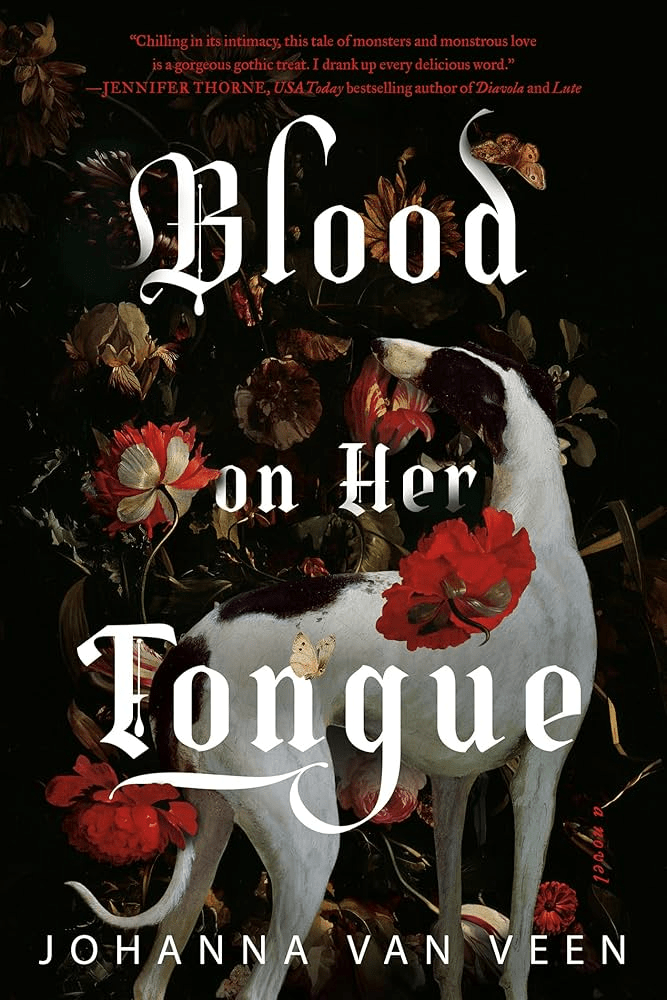
Blood on Her Tongue by Johanna van Veen is a gothic fever dream that sinks its teeth into you and doesn’t let go, set in the damp, desolate bogs of late 19th-century Netherlands. Lucy Goedhart, our mousy protagonist, arrives at Zwartwater estate to find her sister Sarah unraveling, emaciated, raving, and biting people like a rabid dog after a bog body obsession spirals into something sinister. The novel, told through letters, diary entries, and Lucy’s increasingly unhinged narration, is a decadent plunge into queer desire, parasitic possession, and the kind of family secrets that make you want to burn the family tree. Van Veen’s prose is lush, dripping with rot and longing, painting a world where the air smells of peat and betrayal.
The story kicks off with a mummified bog woman, tongueless, staked, and oozing menace, unearthed by Sarah and her doctor husband, Michael. Sarah’s fascination with this corpse twists her into a skeletal husk, her behavior swinging from scholarly to feral. Lucy, ever the loyal sister, grapples with her own forbidden hunger for Michael while trying to save Sarah from what seems like a demonic parasite. The epistolary format, with Sarah’s frantic letters and diary entries, amps up the dread, each page feeling like a step deeper into a bog you can’t escape. Van Veen nails the gothic vibe. The queerness, especially Sarah’s bond with Katje, burns with raw, unspoken intensity, never pandering but always palpable.
But, fuck me, it’s not perfect. The pacing stumbles like a drunk in a ditch, especially in the middle, where Lucy’s endless navel-gazing about her sisterly devotion bogs down the tension. Some plot threads, like the bog woman’s identity, dangle frustratingly, and the climax, while bloody and bold, feels a tad rushed, like van Veen was racing to catch a train. Michael’s a prick, but his villainy lacks nuance, and certain horror beats lean a bit too hard on familiar gothic tropes. Still, the emotional excess, the way Lucy and Not-Sarah claw at each other’s souls, keeps you hooked. It’s gorgeous, dangerous, and just unhinged enough to linger like a bad dream.
This isn’t a casual read; it’s a knife to the gut, demanding you wade through its murky waters. For horror fans who crave queer, atmospheric dread and don’t mind a bit of a slog, it’s a twisted treat. Van Veen’s debut, My Darling Dreadful Thing, hinted at her knack for the macabre, but this sophomore stab cuts deeper, even if it doesn’t always draw blood.



Recommended for: Readers who think a good sisterly bond involves sharing blood, secrets, and maybe a few fingers.
Not recommended for: Those who prefer their horror without gothic melodrama or eye-stabbing possession antics.
Published March 25, 2025 by Poisoned Pen Press
The Map of Lost Places: Where Moa Bones and Djinn Make Better Neighbors Than You

Alright, you twisted weirdos, let’s dive into The Map of Lost Places, a horror anthology edited by Sheree Renée Thomas and Lesley Conner that’s like stumbling into a haunted carnival—some rides thrill, others just make you puke. This collection of 13 stories, plus an intro by Linda D. Addison, drags you through eerie locales from Delaware’s cursed Wonderworld to a Brazilian rainforest sim, each tale clawing at the idea of “lost places” with varying degrees of success. It’s a mixed bag of dread, ambition, and occasional snooze-fests, but there’s enough meat on its bones to keep you gnawing.
Standouts like Vivian Chou’s “Girlboss in Wonderworld, USA” hit like a spiked punch, blending capitalist satire with body-horror bargains at a warped amusement park. It’s a deliciously unhinged take on trading bits of yourself—literally—for success. Danian Darrell Jerry’s “Blood in Coldwater” sinks its teeth into Southern Gothic vibes, with Arkabutla Lake’s murky depths hiding vengeful spirits and racial trauma. Octavia Cade’s “Inviting the Hollow Bones” is a quiet gut-punch, weaving moa bones and extinction into a haunting meditation on loss in New Zealand’s Fiordland. These stories shine, their prose sharp enough to cut and their ideas weird enough to linger like a bad hangover.
But, Christ, not every story lands. Some, like R.L. Meza’s “Chuckle Wet, Chuckle Low,” drown in their own ambition, piling on grotesque imagery without enough narrative glue to hold it together. Others, like G.M. Paniccia’s “Codewalker,” chase cyber-horror coolness but trip over clichéd tech-dystopia tropes, leaving you rolling your eyes harder than a possessed teen. The prose across the anthology swings wildly—some authors wield it like a scalpel, others like a sledgehammer, and a few just flail. The “lost places” theme is loose, sometimes feeling like an afterthought tacked onto stories that don’t quite fit, like a ghost trying to haunt a Walmart.
What saves this book from mediocrity’s cold grip is its global sprawl—Malaysia’s durian orchards, Pakistan’s Thar Desert, Greece’s Zagorohoria—and the way it plays with subgenres. You’ve got folk horror, cosmic dread, and supernatural vengeance, with a dash of historical and psychological chills. It’s not afraid to get bloody or weird, which you freaks will love, but it doesn’t always push the boundaries as far as it thinks it does. Too many stories lean on familiar horror beats—cursed objects, vengeful ghosts—without twisting the knife into something truly fresh. It’s competent, often gripping, but rarely mind-blowing, like a decent craft beer when you’re craving moonshine.
For all its flaws, The Map of Lost Places scratches that itch for dark, eclectic tales that don’t always play it safe. It’s a bumpy ride through haunted backwaters and forgotten realms, worth a read for horror hounds who don’t mind sifting through some muck to find the gems.


Recommended for: Weirdos who’d skinny-dip in Arkabutla Lake just to high-five a vengeful spirit and ask for its skincare routine.
Not recommended for: Squares who’d read about star-worshipping villagers and think, “Nah, I’d rather watch paint dry than face cosmic unease.”
Published April 29, 2025 by Apex Book Company
Manor of Dreams: Vines That Strangle and Family Secrets That Tangle

Alright, my sick little gremlins, let’s stumble into The Manor of Dreams by Christina Li, a YA-coded haunted house mystery that’s more family soap opera than spine-chilling nightmare. This book wants to be a gothic fever dream but ends up a tepid teacup ride at a discount carnival. Clocking in at a bloated 340-ish pages, it follows Nora Deng and Madeline Yin-Lowell, two young women tangled in a messy inheritance dispute over a creepy Altadena mansion. The house, with its vengeful vines and ghostly whispers, should be the star, but it’s stuck playing second fiddle to a drama that feels like a CW rerun.
The story flips between 2024, where Nora and Madeline navigate their families’ bad blood, and the 1970s-90s, where matriarch Vivian Yin’s tragic life unravels. Vivian, a Chinese actress turned haunted housewife, poisons her abusive husband, Richard, sparking a chain of secrets, betrayals, and supernatural tantrums. The house itself, crawling with sentient vines and echoes of past violence, tries to deliver eerie vibes, but the execution is as flimsy as a dollar-store Ouija board. Li’s prose is readable, sure, but it’s bogged down by predictable YA tropes: angsty teens, forbidden love, and a mystery that’s less “whodunit” and more “who cares.” The supernatural elements (vines that choke, walls that bleed) feel tacked on, like someone sprinkled glitter on a tax return and called it art.
What grates most is the missed potential. The book gestures at heavy themes like generational trauma, queerness in a repressive family, anti-Asian racism in Hollywood, but never digs deep. It’s all surface-level, like a ghost too shy to haunt properly. The 1990s flashbacks, especially around Vivian’s daughters Ada and Lucille, hint at raw emotion, but the modern-day plot with Nora and Madeline fizzles, their romance as compelling as wet cardboard. Pacing’s a mess too; the first half drags like a hungover slug, and the climax, an earthquake and vine attack, feels rushed, not cathartic. It’s not awful, but it’s not the gut-punch horror or layered family saga it could’ve been. My horror blog fiends, you love your scares weird and your prose sharp, this ain’t it. It’s a safe, forgettable slog that doesn’t earn its place on your cursed bookshelf.
For a book aiming to blend gothic horror with family drama, The Manor of Dreams lacks the ambition to cut deep or the guts to get truly freaky. It’s a house that creaks but never collapses, leaving you annoyed rather than terrified.

Recommended for: Teens who think grabby vines and family screaming matches are the height of spooky fun.
Not recommended for: Sickos craving actual scares instead of whiny teens and sulky vines.
Published May 6, 2025 by Avid Reader Press / Simon & Schuster
Overgrowth: A Sci-Fi Horror Where the Lawn Fights Back
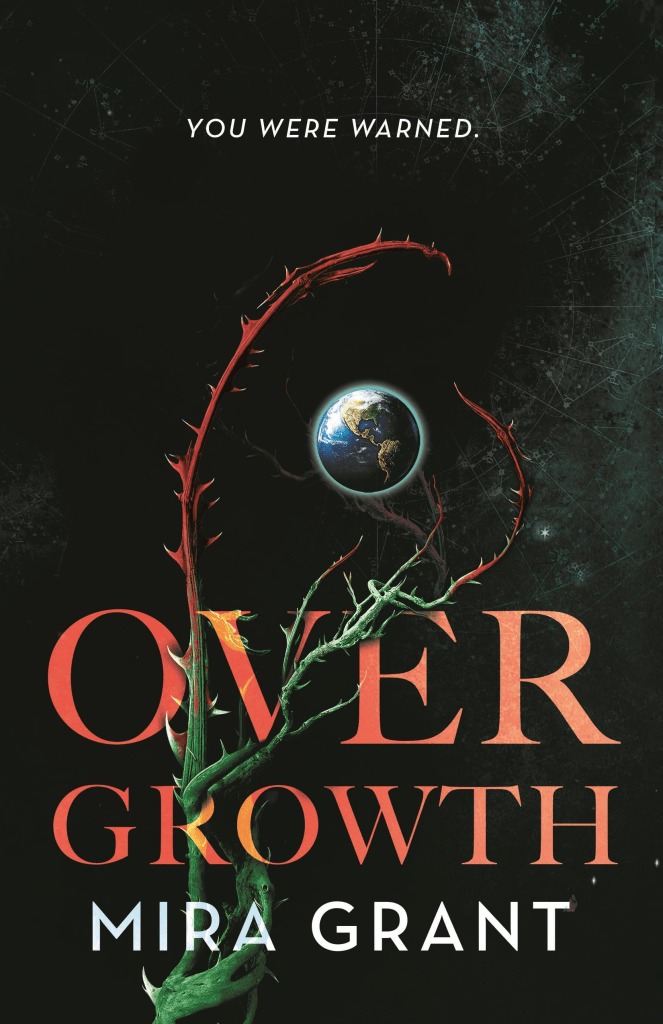
Overgrowth by Mira Grant lurches onto the scene like a B-movie monster, promising a gnarly sci-fi horror romp but stumbling over its own roots. Set in a near-future 2031, it follows Stasia Miller, a self-proclaimed alien plant hybrid who’s been chilling on Earth, waiting for her interstellar kin to invade. The premise is juicy: a covert alien vanguard, creepy body horror, and a ticking clock to an apocalyptic takeover. But this book feels like it’s been pruned back to fit a Hollywood pitch, leaving a husk that’s more predictable than petrifying.
The pacing kicks off like a rocket, with Stasia’s internal conflict, human life versus alien loyalty, driving tense scenes in Seattle and beyond. Grant nails some visceral moments: green sap replacing blood, itching skin sprouting tendrils, and a nightmarish forest that whispers to its seeds. These bits hit the sweet spot for fans of squirm-inducing body horror. Yet the prose is where it wilts. It’s slick, overly polished, and reeks of commercial fiction’s obsession with accessibility over depth. Sentences plod along, spoon-feeding emotions and plot points, as if Grant doesn’t trust her readers to keep up. The dialogue, too, often feels like it’s ripped from a CW drama, with quips that aim for witty but land in cliché territory.
Structurally, the novel’s a mess, like a vine that grew too fast and tangled itself. It’s split into sections (Seed, Root, Sprout, Stem, Flower, Harvest) that sound poetic but don’t earn their weight. The narrative jumps between Stasia’s present-day chaos and flashbacks that try to build her alien identity but mostly pad the runtime. The invasion, when it finally arrives, is rushed, with stakes that feel more like a checklist than a gut-punch. Characters like Graham and Mandy, Stasia’s human allies, are likable but flat, serving as emotional anchors without enough agency to bloom. The alien fleet’s motives, revealed late, are intriguing but underexplored, leaving the climax feeling like a setup for a sequel rather than a payoff.
Grant’s clearly capable of better—she’s got the chops from her Newsflesh series—but Overgrowth plays it too safe. It’s not weird enough to stand out in the horror-sci-fi pantheon, lacking the bold, unapologetic strangeness of, say, VanderMeer’s Annihilation. For a book about alien plants eating humanity, it’s oddly toothless, more concerned with being marketable than memorable. It’s a fun, quick read if you’re into light thrills, but it won’t haunt your dreams or linger in your gut.
This book’s for folks who like their sci-fi horror with training wheels, happy to munch on popcorn thrills. It’s not for those who crave their aliens with a side of existential dread or prose that cuts deeper than a paper cut.



Recommended for: Those who think The Happening wasn’t plant-y enough and needed more spaceships.
Not recommended for: Gardeners who’d rather not discover their petunias are plotting a planetary takeover.
Published May 6, 2025 by Tor Nightfire
 The Blog Without a Face
Leave a comment