
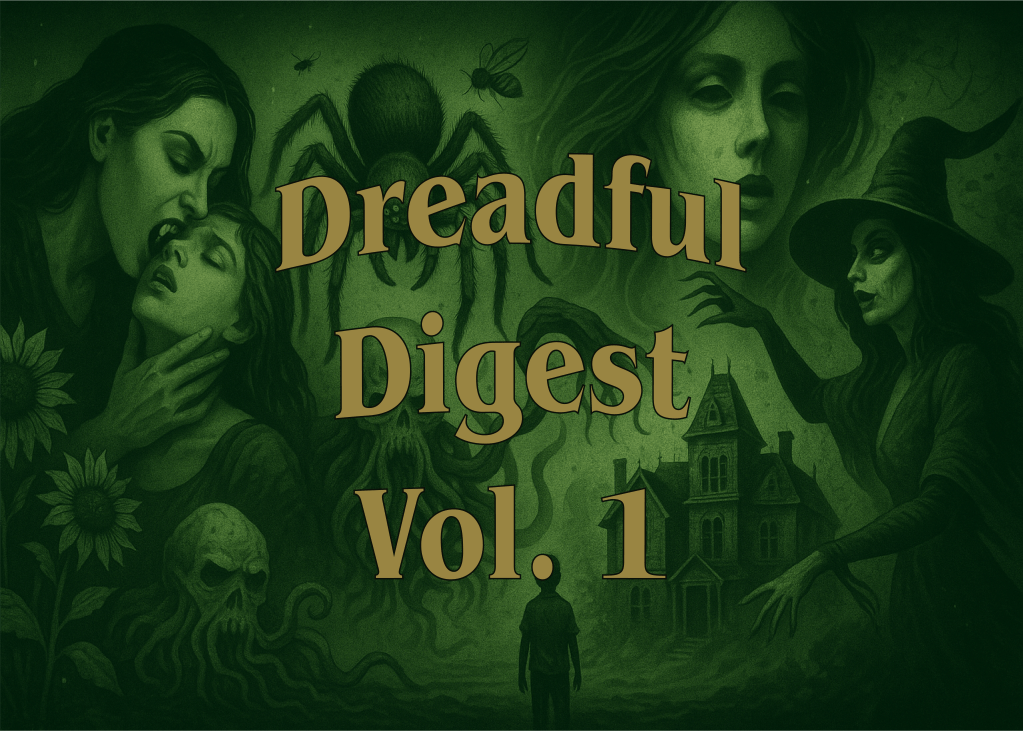
Welcome to Dreadful Digest Volume 1, your cursed cornucopia of horror lit too weird, too horny, or too blood-soaked for the mainstream’s trembling hands. In this inaugural roundup, we rake through the tangled roots of The Garden, a lush eco-nightmare that blossoms with dread; crawl inside The Home, a trauma-slathered meat grinder of cosmic nonsense and small-town rot; and then bleed gloriously into No & Other Love Stories, Kirsty Logan’s exquisite collection of queer body-horror valentines for the romantically depraved. If you’re not already twitching, V. Castro’s The Pink Agave Motel slaps you across the face with Chicana brujería, vampiric lust, and more gore-soaked motel beds than you knew you needed. And finally, But Not Too Bold spins a sticky web of gothic surrealism, queer yearning, and spider queens with way too many teeth. Whether you’re here to feast, flinch, or fornicate with monsters, there’s something in these pages to rot your brain in all the right ways. Let’s get dreadful.
The Garden: A Creepy Sprout That Doesn’t Quite Bloom
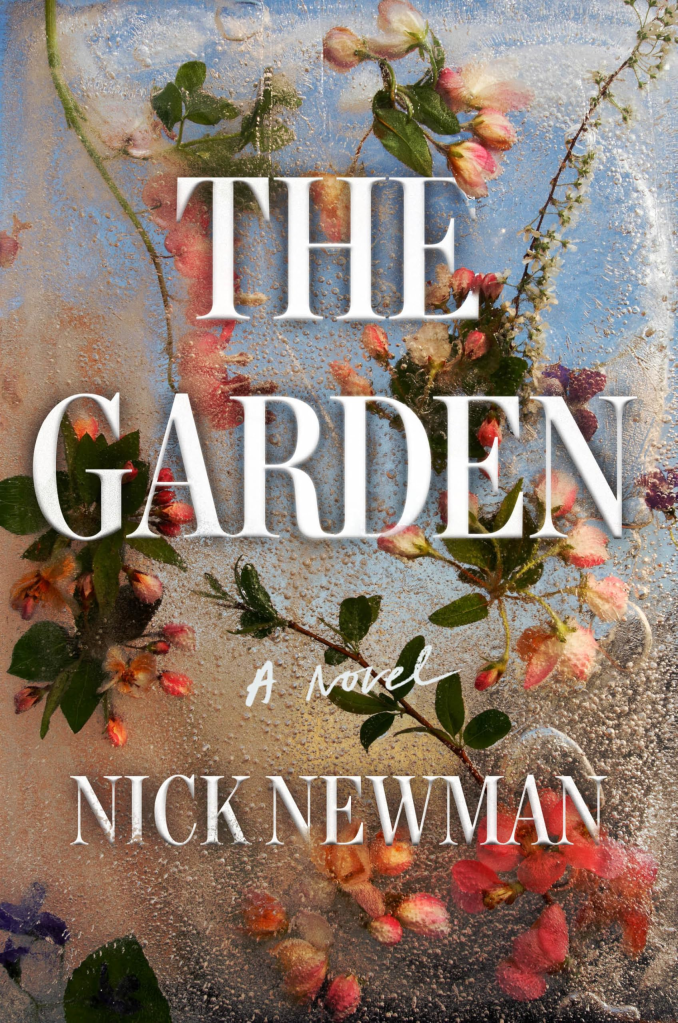
Alright, you depraved lot, let’s dig into The Garden by Nick Newman, a novel that’s got a killer seed of an idea but grows into a bit of a weedy mess. Picture me, three whiskeys deep, ready to slice through the bullshit and tell you if this eco-horror trip is worth your twisted souls’ time. Spoiler: it’s a coin toss, and I’m not betting on heads.
The setup’s got teeth. Sisters Evelyn and Lily, holed up in a crumbling estate, tend a walled garden like it’s their last stand against a world gone to shit. Their mama’s dead, their papa’s bolted, and the garden’s their sanctuary, buzzing with bees and secrets. Then a wounded boy stumbles in, hinting at outsiders sniffing around their Eden. The vibe’s pure eco-weird—think Annihilation meets The Wicker Man, with a dash of post-apocalyptic dread. The garden itself feels alive, humming with menace, and Newman’s prose paints it vivid: damp soil, rotting fruit, and a creeping sense that nature’s got a grudge. It’s the kind of atmosphere that could make you piss your pants if it delivered.
But here’s the rub, you sick bastards, it doesn’t quite. Newman’s got a knack for lush, poetic descriptions, but he leans so hard into them you’re wading through pages of floral word-wank while the plot starves. Evelyn’s obsession with the almanac and Lily’s flirty defiance are compelling, but their endless bickering and gardening chores drag like a hungover Sunday. The boy’s arrival should spark terror, but the tension fizzles; the “outsiders” threat feels like a storm that never breaks. By the time the climax staggers in, it’s less a gut-punch than a tired sigh. The horror’s there (bees stinging necks, bodies in the dust) but it’s buried under overwritten passages that sap the momentum like a blight.
Newman’s trying to weave grief, sisterhood, and nature’s wrath into something profound, and I respect the swing. The sisters’ fractured bond, tied to their mama’s ghost and the garden’s rules, hits if you’re into emotional rot. But for my bloodthirsty crew, it’s too slow, too soft, like a vampire with no fangs. It’s not a trainwreck, just a garden that needed pruning.




Recommended for: Hippie weirdos who jerk off to compost and family drama.
Not recommended for: My gore-loving freaks who’d rather torch the garden than weed it.
Published February 18, 2025 by G.P. Putnam’s Sons

The Home: Trauma, Tentacles, and Too Many Damn Flashbacks

Listen up now, it’s time to carve into The Home by Judith Sonnet, a horror novel that swings for cosmic dread but lands in a puddle of its own entrails. I’m here to tell you why this book’s a clunky beast that barely claws its way to creepy. It’s got a few shivers, but mostly it’s a slog through trauma porn and tired tropes that’d make even a seasoned gorehound yawn.
Set in Starch, Missouri, The Home follows a tangle of characters including Griffin, Orville, Eunice, and a parade of doomed locals, haunted by a sinister house and its resident boogeyman, Mr. Friendlyman. This entity, a shapeshifting, ghost-eating abomination, is the novel’s dark heart, promising Lovecraftian terror with a side of small-town decay. The premise is juicy: a cursed house, a monster that slurps souls, and survivors grappling with a 1961 massacre that left their friends’ corpses cooling in the dirt. Sonnet’s got a knack for visceral imagery with buzzing flies, oozing wounds, and a lighthouse in a netherworld that’s equal parts eerie and grotesque. A few scenes, like Robbie Miller’s blood-soaked rampage or the kids’ doomed trip to The Home, hit like a meat cleaver, leaving you queasy in the best way.
But holy hell, does it stumble. The book leans hard into shock-for-shock’s-sake, piling on child murder, sexual assault, and gore with the subtlety of a sledgehammer. It feels like an attempt to outdo the splatterpunk greats but forgot the wit or depth to back it up. The characters (Griffin’s a sad-sack retiree, Orville’s a washed-up writer, Eunice’s a traumatized zealot) are flat, their endless flashbacks and inner monologues dragging the pace to a crawl. The 1961 timeline and present-day plotlines collide clumsily, with repetitive trauma-dumps that feel exploitative rather than insightful. Mr. Friendlyman’s cosmic horror potential fizzles into a generic slasher vibe, and the “ritual” climax is a confusing mess of tentacles and vague mysticism that left me more annoyed than spooked.
For every chilling moment, like the house’s windows spiderwebbing or Eunice’s chilling betrayal, the book buries it under overwrought prose and cliched small-town stereotypes. It’s a 270-page slog that feels like 500, with half-baked ideas about sin-eating and netherworlds that never cohere. It’s not a total dumpster fire, but it’s a far cry from the genre’s old gods, who knew how to make horror stick.


Recommended for: Sickos who’d rather bathe in gore than think too hard about it.
Not recommended for: My twisted crew craving sharp writing and scares that linger past the last page.
Published January 15, 2025 by Madness Heart Press
No & Other Love Stories: A Twisted, Bloody Valentine to the Weird

Alright, grab your cheapest vodka and settle in, because Kirsty Logan’s No & Other Love Stories is a feral, glittering beast of a collection that’ll burrow its way into your skull. This ain’t no fluffy romance anthology, it’s a raw, pulsating dive into desire’s darkest corners, served up with a wicked grin. Logan’s prose is a switchblade: sharp, intimate, and unafraid to draw blood. With thirteen stories, each a warped mirror reflecting love’s grotesque beauty, this book’s a must for anyone who likes their fiction as unsettling as a midnight hookup in a haunted carnival.
Logan’s got a sorcerer’s knack for blending horror with heart. In “Piglet,” Mireille’s obsession with a butcher spirals into a grotesque fantasy of being carved up and displayed, a stomach-churning ode to self-objectification that’s as seductive as it is repulsive. “Honey” follows Sigrid, a queer radio host suffocating under societal sweetness, finding liberation in a wasp’s nest—a metaphor so visceral it stings. “Unbury” is a fever dream where Avie digs up a woman who might be a goddess or a curse, her shifting names (Nora, Nona, Nova) echoing the story’s slippery, mythic dread. “Darling” channels cop-drama grit, with Chastity Charles haunted by her own televised trauma, while “Nightfall” delivers a vampire-adjacent tale of blood-soaked desire that’s more feral than romantic. Logan’s range is dizzying, from the gothic séance of “Trussed” to the cosmic yearning of “Wonder,” each story a fresh wound exposing love’s primal, often horrifying core.
What makes this collection sing is its fearless weirdness. Logan’s prose dances between lush and brutal, channeling Angela Carter’s fairy-tale menace with a modern, queer edge. She doesn’t shy away from the body, blood, piss, meat, and sex are as much characters as the people. Yet, for all its gore and grit, there’s tenderness here, a raw intimacy that makes you ache for these broken, yearning souls. The pacing falters in spots. “Privilege” drags with its navel-gazing ennui, and “Sucker”’s vampire shtick feels a tad derivative, but these are minor scuffs on a polished blade. Logan’s ability to weave dread, desire, and defiance into every sentence is what elevates this to a very strong collection.
This isn’t for the faint-hearted or the Hallmark crowd. Logan’s stories demand you confront the messy, monstrous parts of love, its hunger, its violence, its refusal to be tamed. It’s a bold, distinctive gut-punch that lingers like a bruise you can’t stop pressing.


Recommended for: Deviants who’d rather fuck a monster than marry a prince.
Not recommended for: Prudes who think love stories should come with roses and a PG rating.
Published February 6, 2025 by Vintage
The Pink Agave Motel: Vampires, Brujas, and a Side of Human Menudo
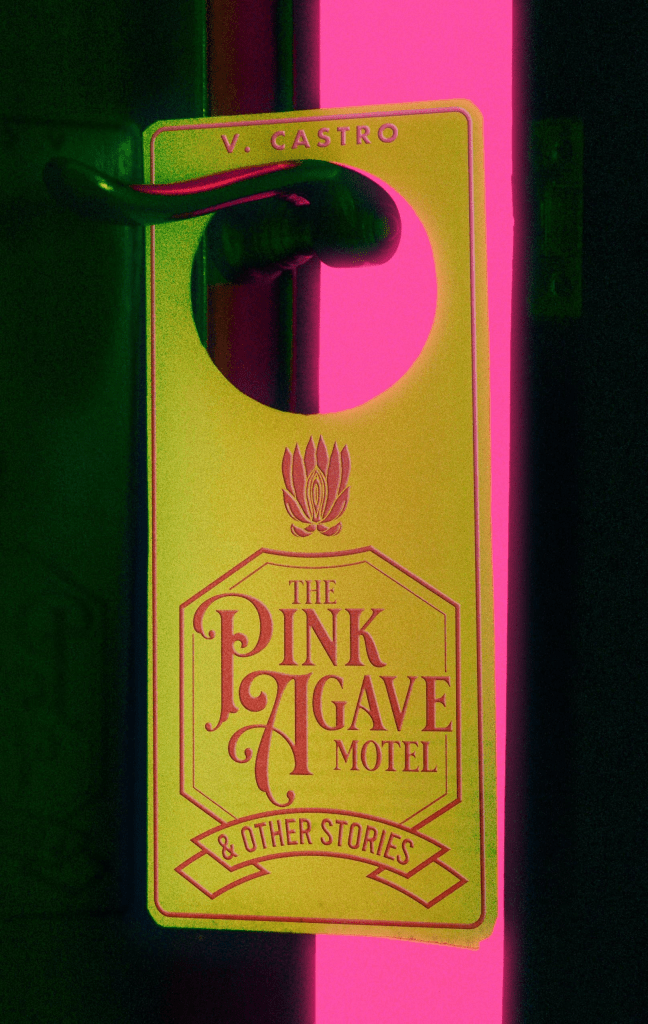
V. Castro’s The Pink Agave Motel & Other Stories is a wild, bloody romp through a neon-lit, Chicana-infused horror landscape that’s as seductive as it is savage. This collection, dripping with gore and unapologetic horniness, sinks its fangs into Mexican American identity, folklore, and primal desire, delivering a unique voice that claws its way out of the page. From vampire orgies to sentient sex dolls, Castro’s stories are a fever dream of monstrous appetites, set against seedy motels, apocalyptic inns, and cursed strip clubs. Her prose is vivid, her settings pulse with gritty authenticity, and her Chicana perspective, rooted in cenotes, brujería, and ancestral rage, gives the horror a fresh, cultural bite that’s hard to ignore.
The standout novella, The Pink Agave Motel, follows Valentina, a flesh-eating creature with a stinger for a tongue, as she navigates love, lust, and a sorcerer’s vendetta in her Philadelphia sanctuary for monsters. It’s a chaotic blend of erotic horror and existential dread, with Valentina’s hunger (for flesh and connection) driving the narrative. Stories like “Carnival of Gore” revel in vampiric excess, while “Mako” toys with AI-gone-wrong chills, and “Snake Hips” slithers into reptilian seduction. Castro’s not afraid to get weird, and her ability to weave Chicana mythology, like La Llorona’s echoes or Huitzilopochtli’s shadow, into modern horror is a middle finger to the genre’s often bland, whitewashed norms.
But, goddamn, it’s not all tequila shots and severed limbs. Some stories feel like half-baked tortillas, with promising setups that fizzle into rushed resolutions. “The Four Horsemen Inn” and “Burning Beds” tease apocalyptic stakes but leave you hungry for more depth, like a taco with no filling. The pacing can drag, especially when Valentina’s pining for Sean gets repetitive, and the sorcerer subplot feels tacked on, like a cheap jump scare. Castro’s ambition is fierce, but the execution sometimes stumbles, leaving plot threads dangling like loose entrails.
Still, the collection’s raw energy and cultural specificity make it a bold addition to horror’s fringes. It’s not perfect, some stories lack the polish to match their audacity, but Castro’s voice is a machete, hacking through genre clichés with gleeful abandon. For horror fans who crave something primal, diverse, and a little depraved, this book is a bloody good time, even if it doesn’t always stick the landing.





Recommended for: Chicana brujas craving a motel where the check-in comes with a blood bucket and a stinger-kiss.
Not recommended for: Anyone who wants their horror PG-13 and free of cenote-soaked, gore-drenched orgies.
Published February 11, 2025 by CLASH Books
But Not Too Bold: Anatema’s House of Horrors
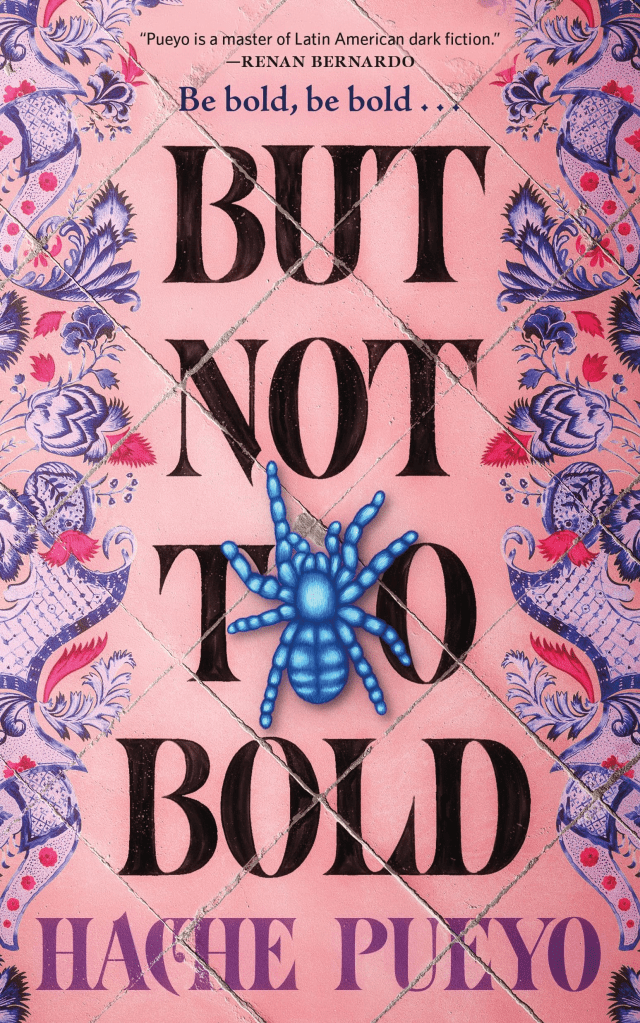
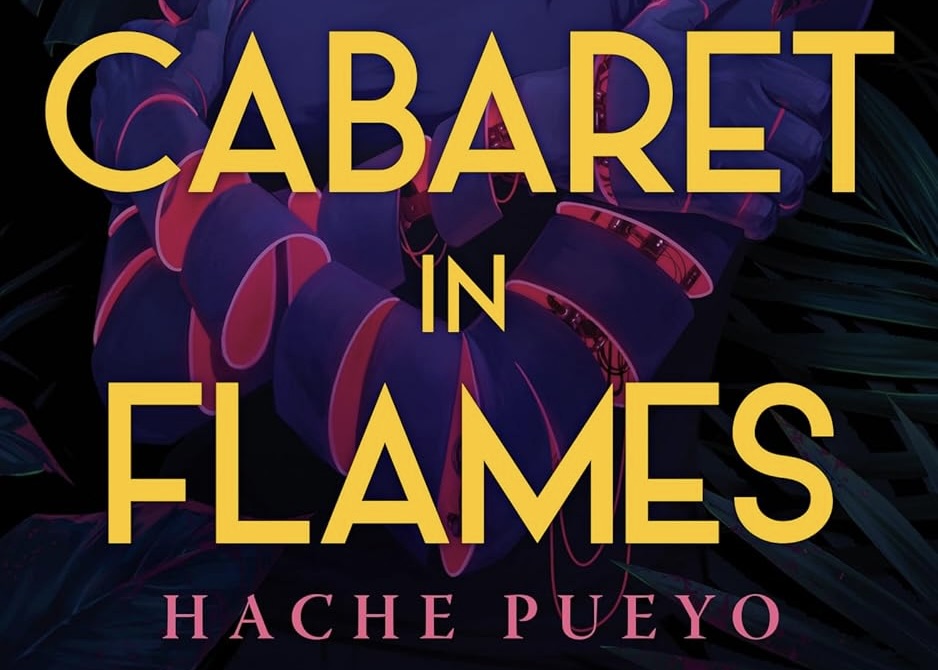
Hache Pueyo’s But Not Too Bold is a bizarre, spider-soaked novella that creeps through a gothic funhouse like a tarantula tripping on absinthe. The Capricious House, a mansion straight out of a Leonora Carrington fever dream with HR Giger’s biomechanical edge, is the star of this twisted fairy tale. Dália, our young protagonist, steps into the role of Keeper of the Keys after her mentor’s grisly end, navigating a labyrinth of mint-green walls, poppy fields, and carrion-scented carpets. The house’s mistress, Anatema, is an Archaic One, a monstrous, arachnid-like entity who devours brides and maids foolish enough to glimpse her true, chelicerae-packed face. Pueyo crafts an allegorical riddle, blending horror, myth, and queer subtext with poetic verve that’s as mesmerizing as it is frustratingly patchy.
The prose is a decadent tapestry, vivid with grotesque details: Anatema’s turquoise tongue, the clinking keys, the attic’s web-draped maze. Dália’s quest to uncover the thief stealing Anatema’s miniature dolls—enchanted “memories” of her eaten brides—feels like a surreal detective game, each clue (a cobalt-blue spider hair, a hidden letter) tightening the noose of dread. Pueyo’s imagination is a wicked delight, especially when Anatema’s jaws unfold or Dália braves the attic blindfolded, teetering between seduction and doom. The horror is cerebral, layered with metaphors about visibility and desire, making every page feel like a dark, ornate puzzle.
But, hell, this book trips over its own legs at times. The middle sags with repetitive sleuthing, like Dália’s stuck in a loop of her own making. Subplots (Lionel’s betrayal, the opium-hazed maids) dangle like loose threads, promising depth but delivering half-baked resolutions. The queer romance between Dália and Anatema, while poignant, feels rushed, lacking the emotional meat to match the cosmic terror. It’s a competent, often enchanting ride, but it never fully sinks its fangs into brilliance, leaving you craving a tighter weave.
For horror fiends who salivate over baroque mansions and metaphorical monsters, this is a creepy gem. Its gothic guts and brainy weirdness keep you hooked, but the uneven pacing and unfinished ideas hold it back from greatness. It’s a bold, twisted experiment that doesn’t quite spin a perfect web.



Recommended for: Gothic weirdos who’d flirt with a spider queen while dodging her fangs and snacking on tarantula fritters.
Not recommended for: Normies who think a gothic mansion should smell like roses, not carrion.
Published February 11, 2025 by Tordotcom

 The Blog Without a Face
Leave a comment