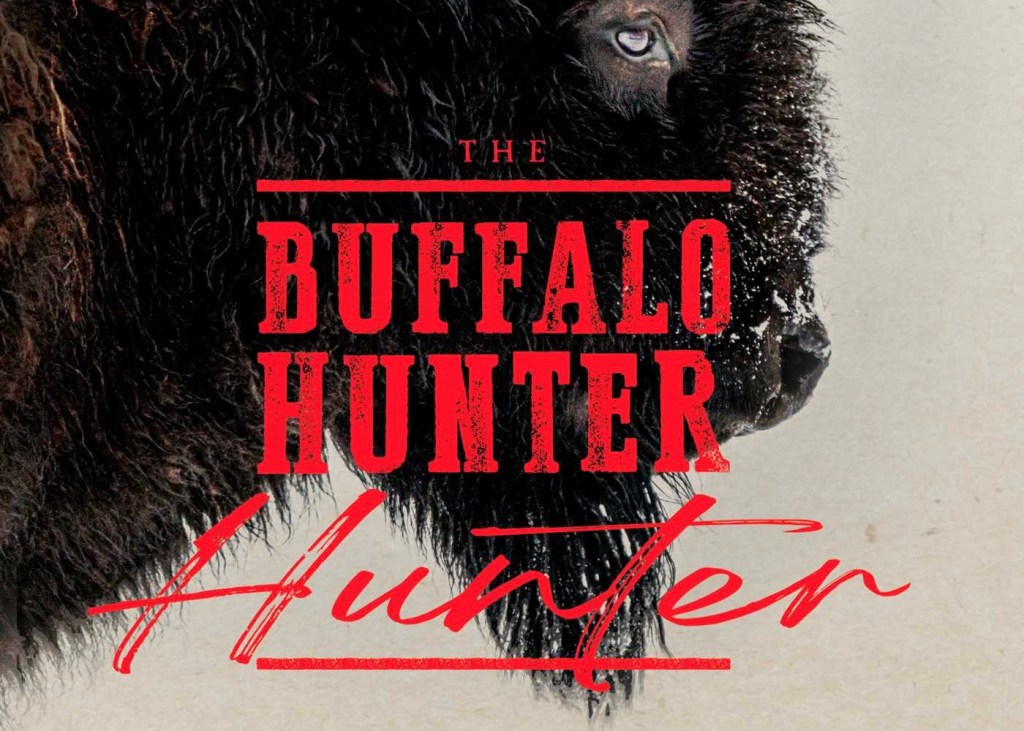
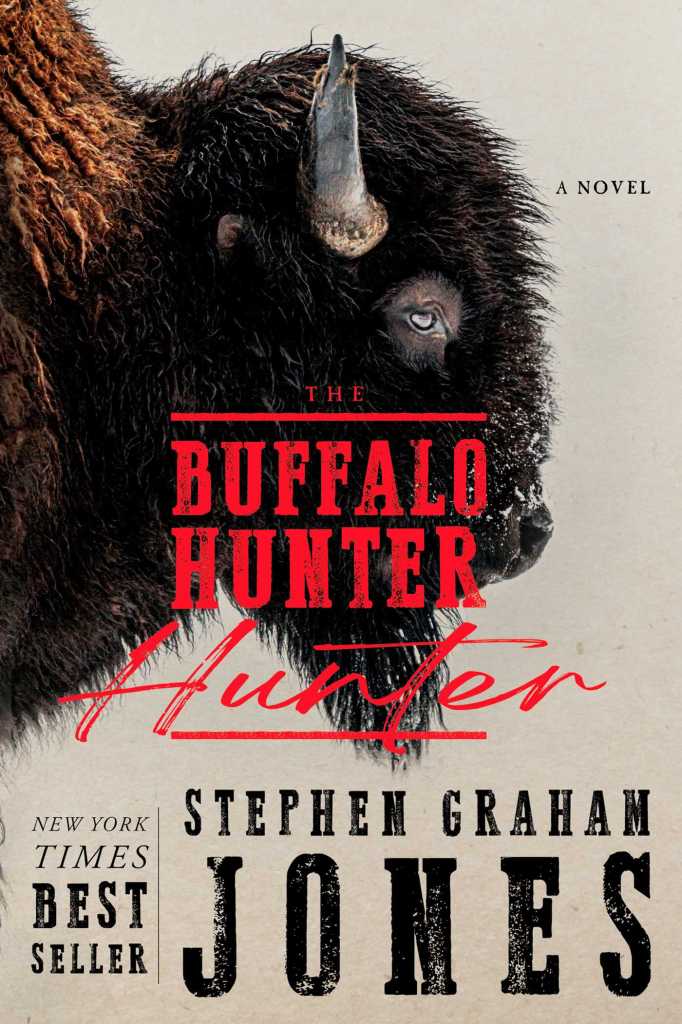
Stephen Graham Jones, a Blackfeet author and professor at the University of Colorado Boulder, is a horror heavyweight whose The Only Good Indians (2020, check out our review) snagged the Ray Bradbury Prize, Bram Stoker Award, and Shirley Jackson Award, proving he can gut you with prose and cultural insight. His Indian Lake Trilogy (My Heart Is a Chainsaw, Don’t Fear the Reaper, The Angel of Indian Lake) riffs on slasher tropes while rooting them in Native American identity. With over 20 novels, including Mongrels and I Was a Teenage Slasher, plus comics like Earthdivers, Jones thrives on boundary-pushing horror that spits in the face of mainstream polish. His work is raw, bloody, and unapologetically tied to his Blackfeet heritage, dodging Hollywood clichés for something darker and stranger. Published by Saga Press, The Buffalo Hunter Hunter is his latest genre-bending nightmare.
The Buffalo Hunter Hunter follows Etsy Beaucarne, a 42-year-old communications professor staring down tenure rejection, who uncovers a 1912 journal by her great-great-great-grandfather, Arthur Beaucarne, a Lutheran pastor in Miles City, Montana. Found in a parsonage wall, the journal details Arthur’s encounters with a mysterious Blackfeet figure, Good Stab, and a brutal murder tied to historical violence. As Etsy transcribes the fragile pages, she’s pulled into a supernatural mystery involving a monstrous “tresayle”, a creature born from vengeance and colonial sins. Alternating between Arthur’s florid 1912 entries and Etsy’s sardonic 2012 narrative, the novel unfolds across Montana’s desolate plains, blending historical horror with personal reckoning. Jones crafts a tale of inherited guilt and monstrous retribution, where the past’s atrocities claw into the present, delivered with his trademark visceral prose and a Native lens on America’s bloody history.

The Buffalo Hunter Hunter is a raw, unflinching dive into the festering wounds of colonial violence, with the tresayle as its beating, bloodied heart. The novel’s central theme is inherited guilt, embodied by Arthur’s haunted past. The tresayle, a Blackfeet vengeance spirit, symbolizes the suppressed truth of America’s genocidal past, its monstrous form a rejection of tired vampire or werewolf tropes for something culturally specific and deeply unsettling. Etsy’s modern struggle with academic failure and familial disconnection mirrors Arthur’s moral decay, linking personal and historical shame across a century. Jones’s prose is a jagged blade. Arthur’s ornate, guilt-soaked entries clash with Etsy’s snarky, cat-obsessed voice, creating a haunting temporal dialogue. The Montana plains, stark and merciless, amplify the atmosphere, while the crumbling journal pages symbolize the fragility of historical truth under colonial erasure.
Philosophically, the novel asks whether atonement is possible when sins are etched in blood, offering no easy absolution. Culturally, it’s a fierce indictment of whitewashed history, centering Blackfeet resilience through Good Stab’s enigmatic presence. Jones’s style, dense with Nabokovian em-dashes and Blackfeet diction, demands you wrestle with it, rejecting passive consumption. The tresayle’s ambiguous mythology, part curse-part retribution, challenges readers to confront the messy, unresolvable nature of historical trauma. This isn’t horror for escapists; it’s a mirror held up to America’s bones, forcing a reckoning with what’s buried.
Holy hell, The Buffalo Hunter Hunter is a beast of a horror novel—weird, daring, and so damn original it makes most genre fare look like microwaved leftovers. Jones’s creature born from Blackfeet vengeance, is a stroke of genius, sidestepping every overdone horror monster for something primal and culturally rooted. The dual narrative, Arthur’s 1912 journal, dripping with self-justifying hypocrisy, and Etsy’s 2012 voice, raw and sardonic, creates a tense, layered story that’s as much about personal failure as historical atrocity. The prose is a goddamn marvel: vivid, poetic, and brutal, with images that burn into your skull. The Montana setting is bleak, oppressive, and perfectly suited to the novel’s dread-soaked atmosphere. The horror hits hard, not with jump scares but with grotesque, visceral scenes that linger like frostbite.

Etsy is a standout character, flawed, witty, and achingly real, her bond with her cat Taz grounding the supernatural in human pathos. Arthur, a self-loathing pastor, is complex if not likable, his religious rhetoric masking a monstrous core. Good Stab, the Blackfeet figure, is a quiet force, his silence carrying more weight than Arthur’s verbosity. The novel’s originality is its biggest strength; it’s a horror story that doubles as a cultural reckoning, refusing to pander to mainstream tastes.
However, the pacing drags in places, especially in Arthur’s denser journal entries, which can feel like wading through molasses with their overwrought introspection. The tresayle’s mythology, while evocative, is intentionally vague, which I love for its ambiguity but might leave some readers craving clearer rules. Etsy’s academic angst, while relatable, occasionally feels like a distraction from the horror, risking a niche appeal that could alienate non-academic readers. Minor characters, like the lodging house regulars, add color but fade too quickly, missing chances to deepen the world. Still, these gripes are pretty minor against Jones’s ambition. This book is a bloody, culturally charged nightmare that demands you meet it on its terms.
TL;DR: Stephen Graham Jones’s The Buffalo Hunter Hunter is a ferocious horror novel about a cursed journal, a monstrous… tresayle, and Blackfeet vengeance. With vivid prose and deep themes, it’s a raw, original nightmare tackling colonial guilt.





Published March 18, 2025 by S&S/Saga Press
Recommended for: Sickos who enjoy watching self-loathing pastors and sardonic professors slowly unravel under the weight of colonial sins.
Not recommended for: Anyone still recovering from The Only Good Indians and not ready for Round 2 of emotional devastation.
 The Blog Without a Face
Leave a comment