
Get ready to lose sleep, because 2025’s horror books are serving nightmares so vivid, they’ll make your therapist need a therapist. From werewolf dads and reality-warping kids to corporate dystopias and cannibalistic fairy tales, this year’s best horror novels claw into your psyche, rearrange your guts, and leave you questioning everything from your family tree to your inbox. Whether it’s Nat Cassidy’s feral family drama, Agustina Bazterrica’s theocratic gut-punch, or Tenebrous Press’s unhinged anthology of cosmic dread, these books are proof that horror in 2025 isn’t here to play nice. Dive into our roundup of the year’s most unapologetically terrifying reads (so far), and brace yourself for a descent into the beautifully deranged.

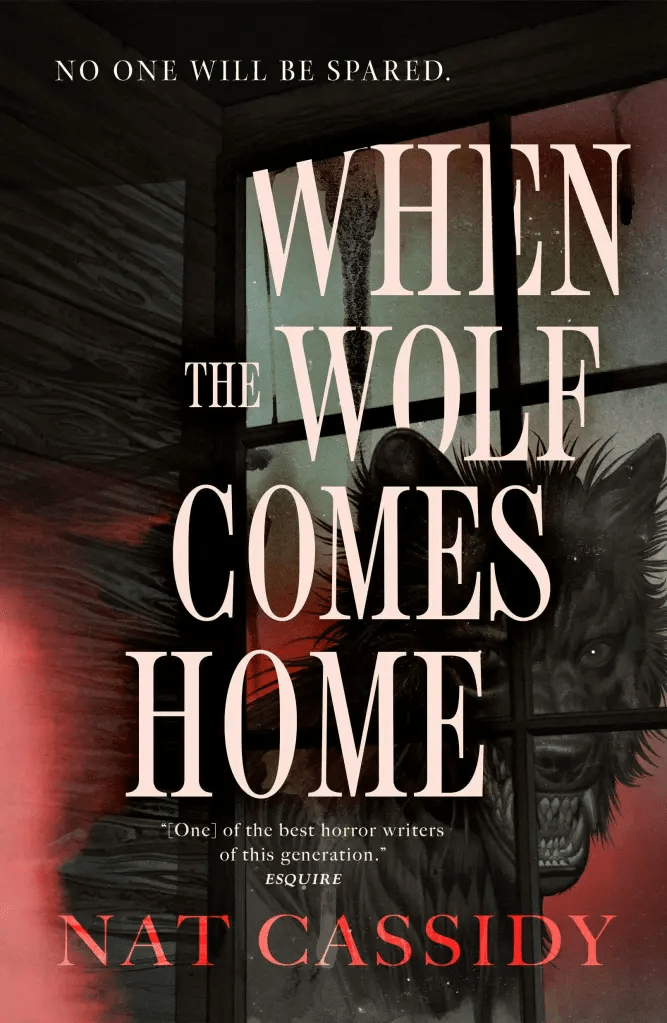
When The Wolf Comes Home is what happens when Nat Cassidy binge-watches Mister Rogers’ Neighborhood while detoxing from dad issues and decides, “Yeah, but what if Fred turned into a werewolf and tried to eat you?” It’s a chaotic mash-up of domestic horror, surreal nightmare logic, and millennial existential dread, starring Jess, a struggling actress who accidentally adopts a traumatized five-year-old with trauma-induced weirdness and a lupine daddy problem the size of a Godzilla reboot. Cassidy, horror’s most theatrical sadboy, doesn’t just deconstruct the werewolf myth, he douses it in gasoline, lights it with a Shakespeare quote, and uses the flaming corpse to interrogate fatherhood, fear, and why everyone who says “I did my best” probably didn’t. Between Jess’s improv-comedy PTSD, Kiddo’s monstrous imagination, and a rogue’s gallery of nightmares, the novel delivers relentless set pieces and gut-churning heart. Cassidy sticks the landing like a gymnast possessed by Jung. Trust me, this isn’t just a werewolf story, check it out. It’s a howling elegy for broken families and the monsters they make.


Brave New Weird Vol. 3 is not your grandma’s horror anthology unless your grandma was a chaos witch with a fondness for ink-blood contracts, psychedelic root deities, and existential moon hemorrhages. Tenebrous Press once again curb-stomps the horror status quo and screams “weird or die” with this gloriously lopsided pile of nightmares, fever dreams, and genre experiments. Sure, as with any anthology, there is unevenness, but when this book lands, it lands like a flesh meteor soaked in dread and crying out for union with your nervous system. Angela Liu and Emmett Nahil serve up body horror so intimate it feels like a breakup text from your own kidneys, while Erik McHatton drops a Ligotti tribute so pitch-perfect it might’ve been written on a cursed typewriter fueled by despair. Even the weaker entries feel like the literary equivalent of licking a haunted battery; jolting, strange, and probably not FDA approved. Bottom line: Brave New Weird 3 doesn’t care if you “like” it. It wants to crawl inside your skull, rearrange the furniture, and leave you wondering why the wallpaper’s bleeding.







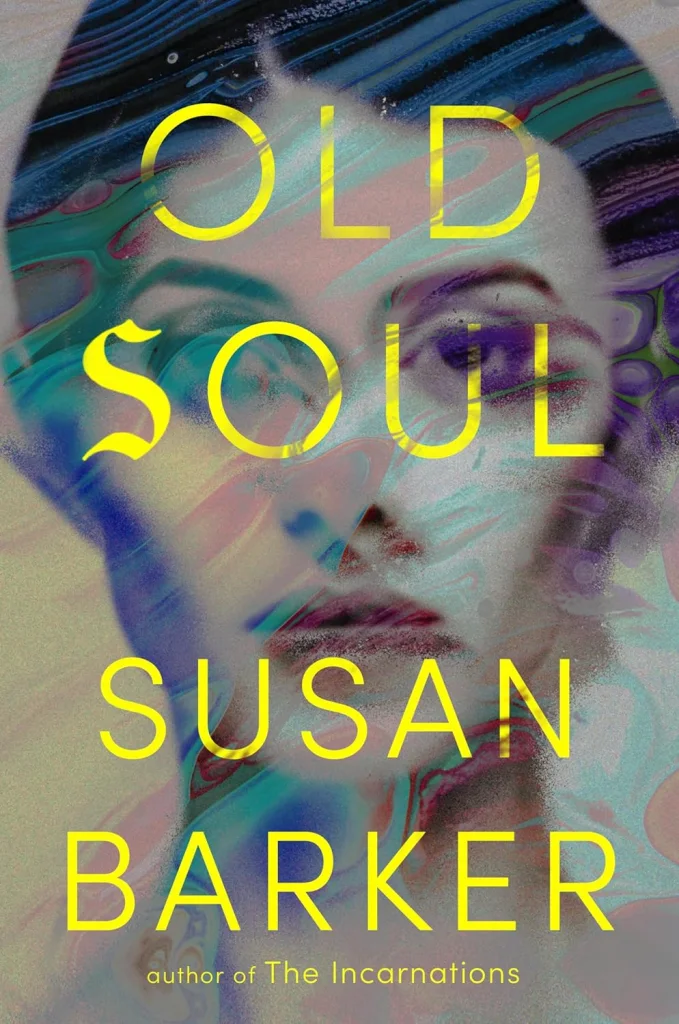
Old Soul isn’t here to jump out from behind a door and scream “boo.” It’s here to slowly peel back your consciousness like an onion soaked in centuries of grief, then whisper, “Everything you are is borrowed, and she wants it back.” Susan Barker, clearly unfazed by the concept of chill, took eight years to craft this cosmic-historical-reincarnation-gendered-body-horror slow burn, and it shows. The plot centers on Jake, a sad teacher on a metaphysical bender, trying to track down a centuries-old female predator who rearranges her victims’ internal organs like she’s Marie Kondo-ing their ribcages. She’s terrifying, she’s ancient, and she’s not sorry, because survival, especially for women across centuries of patriarchal sludge, comes at a cost. Barker doesn’t do cheap thrills, she serves dread at room temperature and lets it fester. There are testimonies, time loops, and more existential crisis per page than a freshman philosophy class with carbon monoxide poisoning. It’s horror with a brain, a uterus, and a fourth-dimensional death wish. Old Soul haunts, questions, and rearranges your guts, literally and figuratively, and then it leaves.


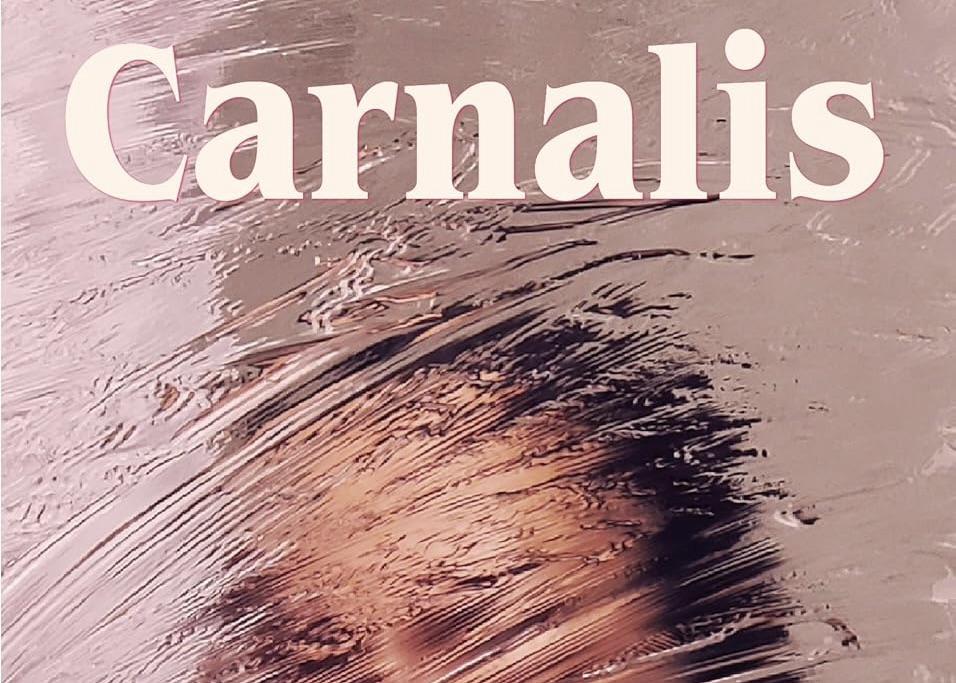
Beta Vulgaris is the literary equivalent of crying in the walk-in freezer behind a gas station Arby’s, cold, damp, vaguely meat-scented, and somehow deeply relatable. Margie Sarsfield’s debut is a slow-motion car crash of queer longing, financial decay, and post-capitalist rot, starring Elise: a bisexual disaster with a duffel bag full of bad decisions and a boyfriend she should’ve left in Pennsylvania. This is horror with cavities, gumming its way through your psyche as Elise harvests sugar beets, wrestles with her identity, and maybe falls for a chain-smoking girl who smells like kerosene and bad ideas. The scares? They’re existential. The monsters? Your credit score, your dead dreams, and that motel carpet you’re pretty sure gave you a rash. Sarsfield writes like a dirtbag angel on her last American Spirits pack, beautiful, bitter, and bleeding honesty. If you’ve ever wanted to scream “I’m fine” while Googling “how to fake your own death with $13,” this book already knows your name. It’s grief-core, it’s queer-core, and it’s depressingly divine.
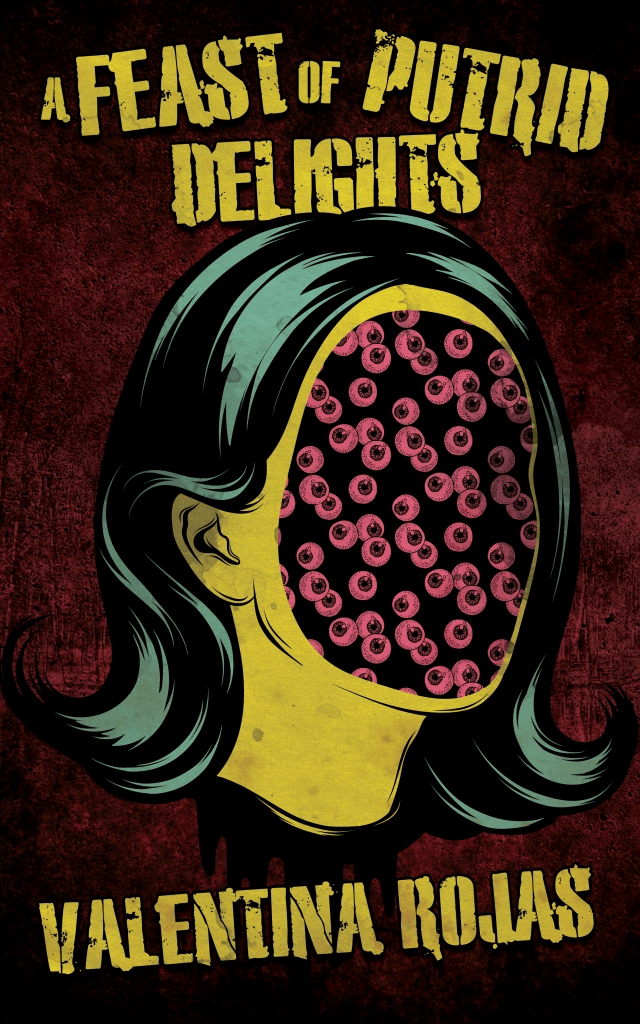
Think The Bear if it were directed by Lars von Trier on a mescaline bender and catered by Jeffrey Dahmer. A Feast of Putrid Delights is that kind of dinner party. Valentina Rojas serves up culinary horror so revolting and sensual it feels like reading Anthony Bourdain’s darkest intrusive thoughts while blackout drunk in a walk-in freezer. Our anti-heroine, Antonia, is a chef who can’t eat, can’t love, can’t cope, and can’t stop seeing filet mignon as something that’s already decomposing inside her dreams. Her palate’s gone rancid, her ex is dating Gwyneth Paltrow’s evil twin, and her dealer is basically if David Lynch opened a juice bar. What follows is a gorgeously written descent into the guts of addiction, disordered eating, and what happens when your sense of hunger becomes your religion—and your body the altar. The prose is rich, rotting, and feverish, like Baudelaire trapped in a Michelin kitchen, and by the time Antonia hits the final course, you’ll either be dry heaving or whispering “bon appétit” through a mouthful of existential dread. Come hungry, leave cursed.

Blood Cypress doesn’t sneak up on you, it walks through the front door tracking swamp muck and generational trauma, lights a cigarette off your grief, and tells you your meemaw was a monster. Elizabeth Broadbent doesn’t write horror so much as exorcise it through a Southern Gothic blender, and the result is this punch-drunk novella about a missing neurodivergent kid, a pissed-off queer twin sister, and a family so rotten they’d give the Addamses emotional whiplash. It’s humid, it’s haunted, and it’s hopeless in that delicious, soul-curdling way. Lila, our girlboss-with-a-machete narrator, dives into the swamp to find her brother and ends up dredging up centuries of bigotry, ghost-stank, and Bible-thumping bile. The meat of the tale is thick, raw, and dripping with hurt. Broadbent writes like someone who’s eaten too many ghosts and decided to start spitting them out as poetry. If you’ve ever wanted to cry and rot at the same time, this book’s your baptism. Try to survive it.



The Lamb is what happens when gothic fairy tales mainline ketamine and decide mother-daughter bonding should involve butchery, betrayal, and light cannibalism. Lucy Rose’s prose is lush enough to make a gutted hiker sound like a Renaissance painting, and her eleven-year-old narrator, Margot, serves up trauma like tapas, bloody, bite-sized, and psychologically marinated. This isn’t your average coming-of-age story unless your childhood included dismembering tourists, developing a crush on a classmate while elbow-deep in someone’s ribcage, and watching your mom seduce a feral woman with bone-knife energy. The setting? A Cumbrian purgatory where cell signals go to die and the trees whisper “run.” The themes? Hunger, queerness, generational rot, and the gnawing horror of inherited violence, all wrapped in prose that dances between folk lyric and serial killer manifesto. The Lamb festers, culminating in an ending that’s equal parts gut punch and awkward group hug in a meat locker. It’s savage, it’s sad, and it’s strangely tender. Like if Raw had a baby with Room, and that baby ate people.


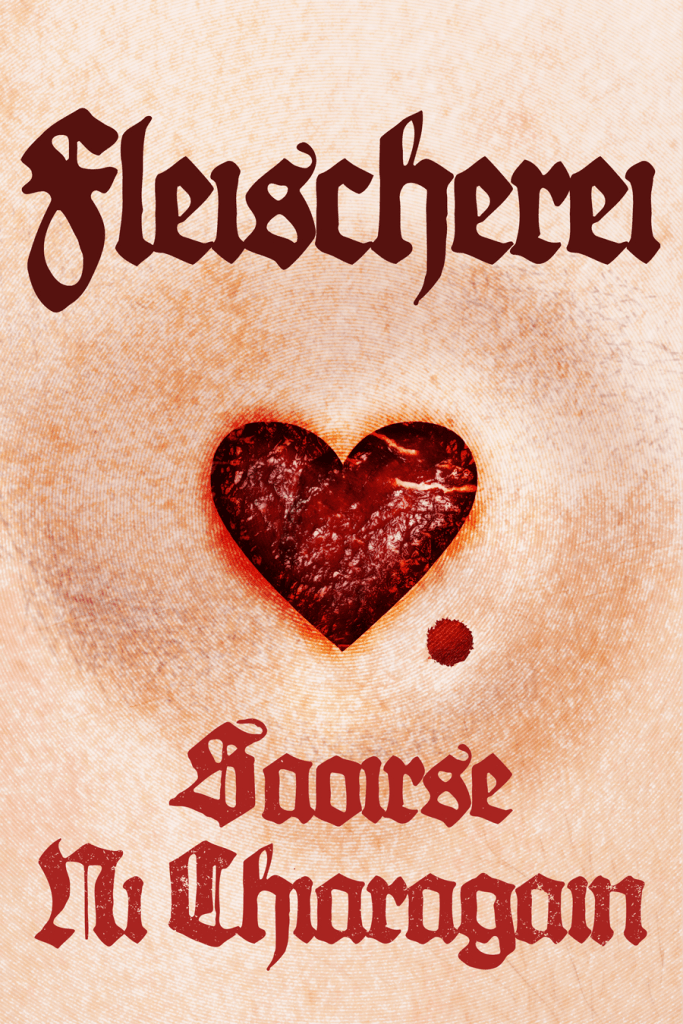
Reading Fleischerei feels like slipping on a blood-slick floor in a Berlin meat locker and cracking your skull open on a slab of feminist dread. Saoirse Ní Chiaragáin doesn’t write so much as vivisect. Her prose slices, peels, and salts every raw nerve you didn’t know you had. The plot? Loosely. A burned-out content moderator named Orthlaith spirals into a surreal horror orgy of flesh, grief, starvation, and possibly love (but the fucked-up kind that comes with ritualistic sewing and forbidden butcher-shop hallucinations). This is a book you endure, flinching through meat metaphors so vivid you’ll start apologizing to your lunch. It’s Possession by way of union-busting, Tender is the Flesh with a menstrual grudge, and Melancholia if it smelled like hot pork fat and regret. You’ll come for the grotesque, stay for the rage, and leave covered in philosophical offal. It’s not clean. It’s not tidy. It’s not even fair. But it’s one hell of a butchered miracle.


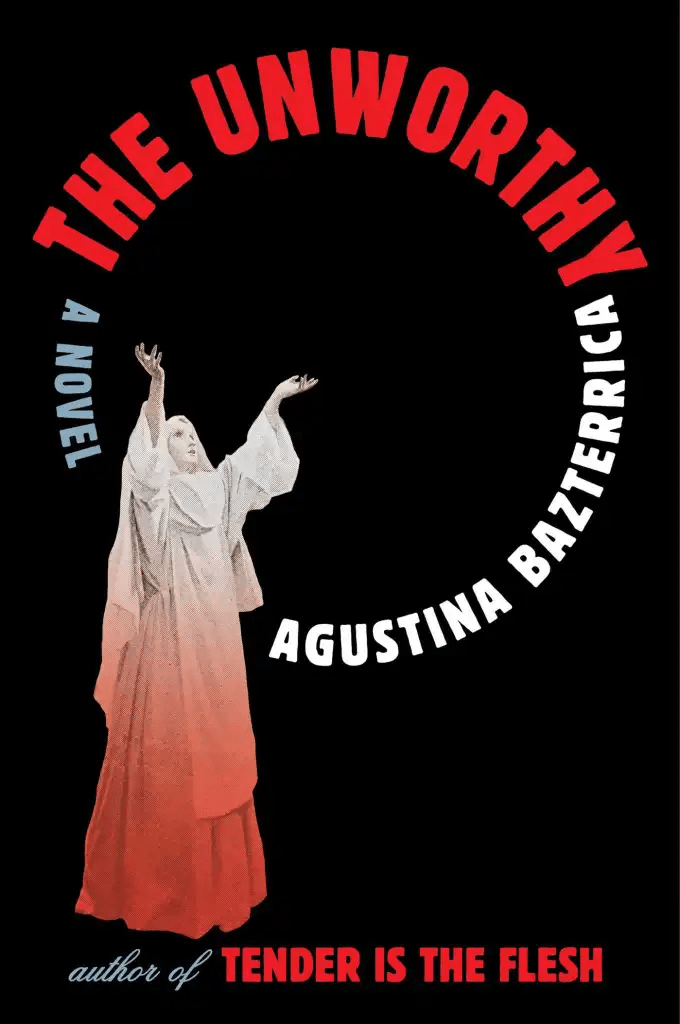
Agustina Bazterrica’s The Unworthy hums, low and bone-deep, like a hymn sung through clenched teeth in a burning cathedral. Told through the splintered diary of a woman trapped in a theocratic hellscape where faith means suffering and obedience is holy currency, this novel is less dystopian fiction and more psychological crucifixion. Bazterrica strips away the tropes of resistance fiction and gives us something far more chilling: a character whose rebellion is tentative, fractured, and scarily relatable. There are no big speeches, no Molotov cocktails. Just whispered doubt, bruised flesh, and a language system so warped it turns prayer into propaganda. It’s The Handmaid’s Tale with the brakes cut. If you’ve ever wondered what it’s like to live in a world designed to erase your body and your voice, this book hands you the pen and dares you to try writing back. It’s a slow, sacred descent into institutional madness where faith is weaponized, diaries are contraband, and salvation is just another word for surrender. Proceed with caution. This one leaves bruises.




Charlene Elsby’s The Organization is Here to Support You is like if Office Space and The Trial had a bleak, sexually tense baby who grew up reading Foucault and getting screamed at by HR. It’s a corporate horror story where the real monster is your inbox, the villain wears a name badge, and the final boss is a performance review form with no “submit” button. Clarissa, our spiritually dissociating protagonist, navigates a dystopian hellscape of mandatory Zoom calls, existential dread, and an erotic email from a guy named Dr. Dick Richards (yes, that’s real, and no, you’re not allowed to laugh, except you will). With dreamlike paranoia, crushing conformity, and prose so sharp it could redact itself, Elsby weaponizes the absurdity of office life into something genuinely terrifying. This isn’t horror for gorehounds, it’s horror for anyone who’s ever gotten a “just checking in 😊” Slack message and contemplated walking into the sea.

 The Blog Without a Face
Leave a comment