

Director Danny Boyle, the UK’s maestro of kinetic chaos, shook the zombie genre with 28 Days Later (2002), a low-budget nightmare that made the undead sprint. His Oscar-winning Slumdog Millionaire (2008) and trippy Trainspotting (1996) prove his knack for visual flair and emotional depth. Screenwriter Alex Garland, who penned 28 Days, went on to direct brain-benders like Ex Machina (2014) and Annihilation (2018), cementing his love for speculative, cerebral sci-fi. Together, they’re a powerhouse duo, though their 28 Weeks Later (2007) absence left that sequel limp. Back for 28 Years Later, with Boyle directing and Garland writing, they’re joined by cinematographer Anthony Dod Mantle, whose gritty 28 Days visuals set the tone. Shot back-to-back with a 2026 sequel, this is their bold swing at reviving a franchise while dodging nostalgia traps.
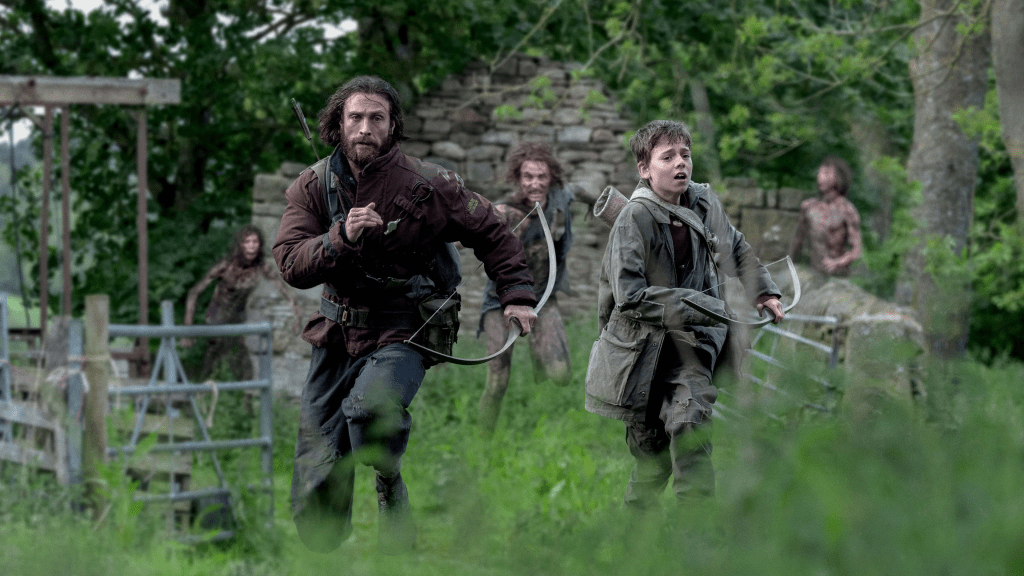
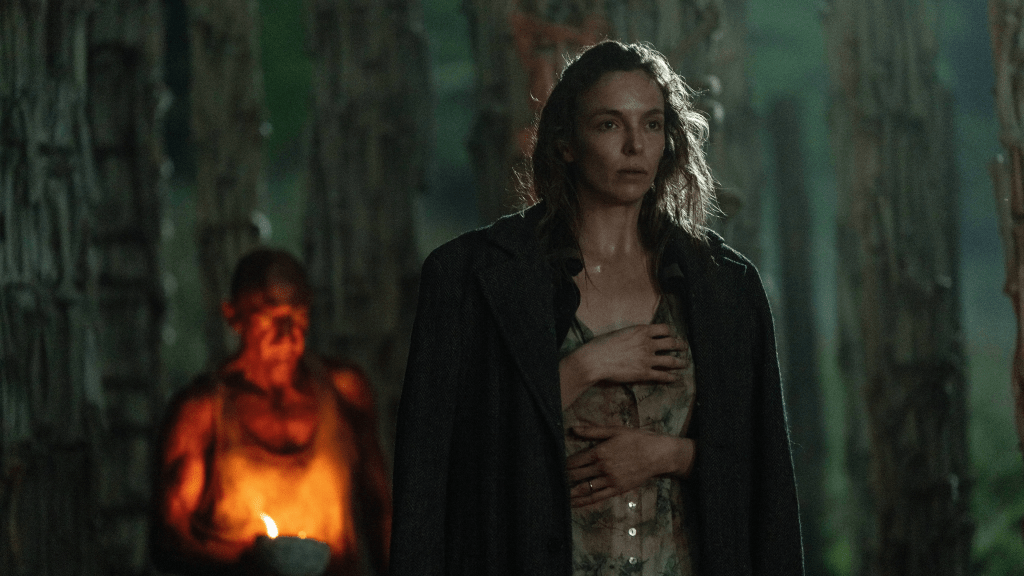
In a quarantined UK, 28 years after the Rage Virus turned Britain into a zombie buffet, 12-year-old Spike (Alfie Williams) lives on Holy Island, a fortified haven connected by a tidal causeway. With his dad Jamie (Aaron Taylor-Johnson) and sick mom Isla (Jodie Comer), Spike’s sheltered life unravels when he ventures to the mainland seeking a cure. Guided by a batshit doctor, Kelson (Ralph Fiennes), he faces evolved “Alphas”, smarter scarier infected, and uncovers brutal truths about survival and humanity. This 115-minute epic blends zombie horror with a coming-of-age quest, using iPhone-shot visuals for a raw, immersive vibe. It’s less about scares and more about heart, with gore and weirdness to keep the freaks happy.

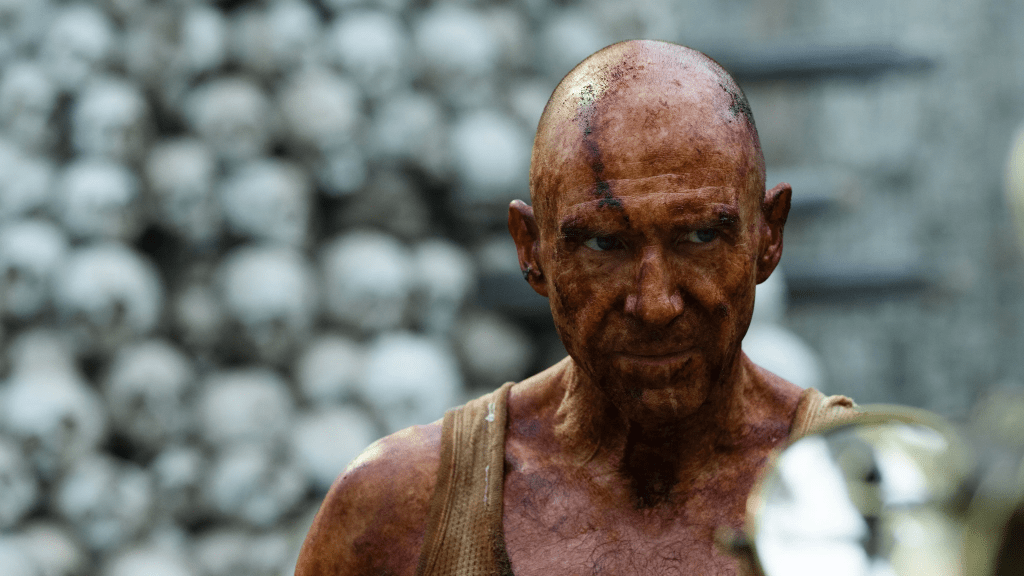
28 Years Later wrestles with death, denial, and what it means to grow up in a broken world, all wrapped in a folk-horror-tinged zombie apocalypse. Spike’s journey mirrors a generation raised in chaos, reflecting cultural anxieties about post-COVID isolation and Brexit’s insular fallout. The Rage Virus, a metaphor for societal rage, evolves into “Alphas,” symbolizing how fear and division mutate over time. Kelson’s bone temple, a shrine of skulls, is a memento mori, screaming that ignoring death cheapens life, a nod to our tech-obsessed avoidance of mortality. The island’s medieval simplicity, with bows and arrows, contrasts the mainland’s decay, critiquing nostalgia for a “pure” Britain.
Anthony Dod Mantle’s iPhone 15 Pro Max cinematography is a stroke of genius, blending 28 Days’ lo-fi grit with ultra-wide, dreamlike vistas. Verdant fields and aurora-lit skies clash with blood-soaked infected, creating a fairy-tale dread that’s both gorgeous and grotesque. Boyle’s “poor man’s bullet time” kill shots, freezing arrows mid-flight, add visceral flair, though they wear thin. Garland’s script is dense, weaving family drama with social commentary, but its philosophical musings on humanity’s shared rage can feel preachy. Culturally, it’s a sharp jab at post-pandemic division, asking if we’re all just infected waiting to snap. Philosophically, it’s about embracing death to find meaning, a bold pivot for a zombie flick.
This flick’s got balls, and I respect the hell out of it for that. Its originality is a major win: ditching the 28 Days urban panic for a pastoral, folk-horror coming-of-age tale is a daring leap. Spike’s wide-eyed perspective, brought to life by Alfie Williams’ raw performance, makes the apocalypse feel fresh, like The Last of Us with less fungus. Ralph Fiennes’ Kelson steals the show, a mad prophet spouting Shakespeare amid skulls, his “placenta magic” line is unhinged genius. The iPhone visuals are a triumph, with Mantle’s lush yet gritty frames and Jon Harris’ frenetic editing (splicing in war footage and Kipling’s “Boots”) keeping things unpredictable. The horror leans atmospheric, with tense chases and gory Alpha attacks that hit my love for weird dread over cheap jumps.
But, oh boy, it’s not all roses. The pacing is a fucking slog in the second act, dragging through repetitive mainland treks that feel like filler. At 115 minutes, it could shave 20 and still pack a wallop. The family drama, Jamie and Isla’s angst, feels forced, with Jodie Comer underused as a bedridden plot device. Garland’s script swings big but fumbles, dropping threads like militarism and a foreign soldier subplot that go nowhere. The ending is a baffling tonal shift, veering into sequel-baiting weirdness that feels like a different movie, seriously what the actual fuck? Characters like Jack O’Connell’s cult leader are intriguing but underdeveloped, leaving the ensemble uneven. It’s bold, but the tonal whiplash and half-baked ideas keep it from greatness. Still, it doesn’t dampen the fact that Boyle and Garland take risks with this one, even if they don’t all land.
28 Years Later is a bold, atmospheric beast. The iPhone cinematography, folk-horror vibes, and standout performances from Williams and Fiennes make it a visual and emotional feast. Its meditation on death and division is my kind of cerebral catnip, and the evolved Alphas keep the zombie mythos pretty intriguing. But the uneven pacing, dropped subplots, and jarring ending stop it short of excellence. It’s not 28 Days Later’s raw terror, but it’s a daring evolution that respects its roots while carving a new path. For fans of thoughtful, gory horror, it’s a must-see, even if it stumbles.
TL;DR: 28 Years Later is a bold zombie sequel blending folk horror, coming-of-age drama, and iPhone-shot chaos. Stunning visuals and deep themes shine, but pacing and a weird ending falter.




Recommended for: Apocalyptic hipsters who’d trade their craft beer for a bow-and-arrow duel with a sprinting zombie.
Not recommended for: Gorehounds who think The Walking Dead is too cerebral and want their zombies to just eat brains already.
Director: Danny Boyle
Writer: Alex Garland, Danny Boyle
Distributor: Columbia Pictures
Released: June 20, 2025

 The Blog Without a Face
Leave a comment