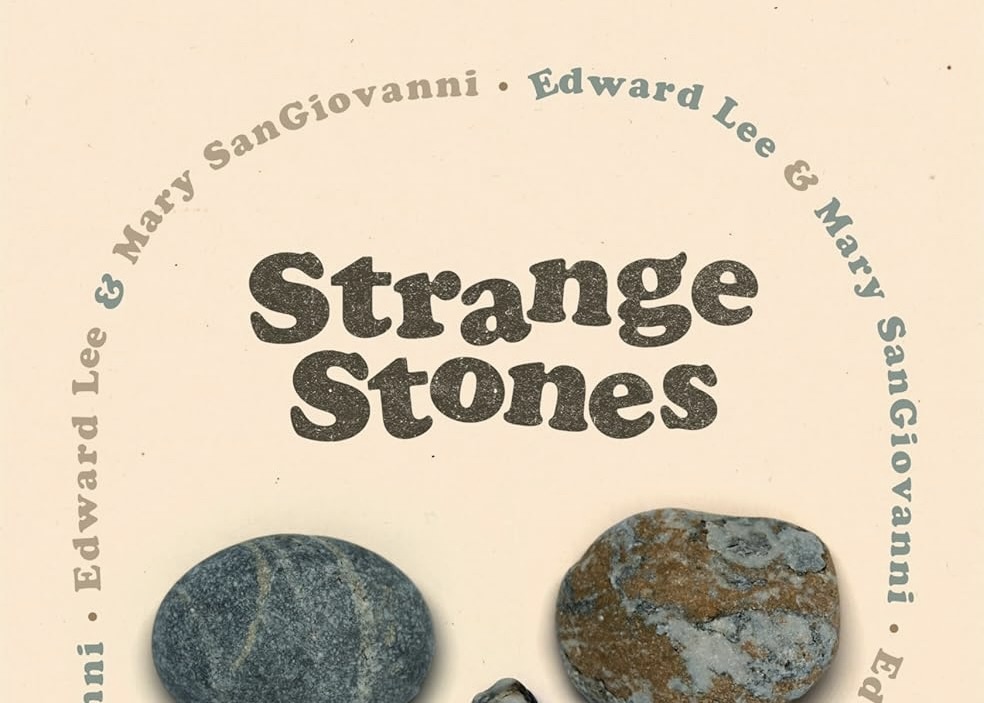

When you see Edward Lee and Mary SanGiovanni’s names on a horror novella like Strange Stones, you expect a wicked brew, mixing Lee’s gritty, in-your-face shocks and SanGiovanni’s eerie, cosmic chills. These are authors with serious street cred in the horror world, each with a loyal following built on years of crafting nightmares. Lee’s known for his wild, over-the-top tales that lean into the grotesque, while SanGiovanni has a knack for making you feel like the universe is giving you the cold shoulder. Together, they should’ve cooked up something unforgettable. But Strange Stones feels more like a cautious collaboration, a duet where the singers are hitting different keys. It’s not a bad read, but it doesn’t quite reach the sum of its parts.
Edward Lee’s been a horror legend since the 1980s, known for his bold, boundary-pushing style. Books like The Bighead and Header are raw, unfiltered, and packed with dark humor, earning him a cult following among fans of extreme horror. His stories often mix visceral shocks with a surprising dose of heart, like a punk rock band playing a ballad in a slaughterhouse. Lee’s not afraid to get messy, and his readers love him for it.
Mary SanGiovanni, meanwhile, is a master of cosmic and psychological horror. Her Kathy Ryan series, or books like The Hollower and Found You, blends human fears with otherworldly threats, creating a sense of dread that lingers like fog. Her writing’s introspective and atmospheric, often exploring how small, fragile humans stack up against vast, unknowable forces. She’s been a rising star in horror since the 2000s, earning praise for her unique voice.


Both authors have tackled collaborations before, Lee with writers like John Pelan, SanGiovanni with Brian Keene, and their solo work sets a high bar. Strange Stones is a chance for them to blend Lee’s gritty energy with SanGiovanni’s haunting depth. While the result doesn’t always click, you can feel their passion for horror in every page, a testament to their indie spirit.
Strange Stones plops you in a rundown Maryland town that feels like it’s been forgotten by time. Our main character, Michael, is a journalist who’s seen better days, haunted by the trauma of covering a school shooting. He rolls into this backwater chasing rumors of “devil stones”, strange rocks tied to missing people, odd behavior, and whispers of folks turning to stone. It’s a setup that screams Southern Gothic mystery with a dash of otherworldly weirdness, like a lovechild of True Detective and The Twilight Zone.
Michael’s not here for glory; he’s just trying to outrun his own demons. The town’s got a tense, suspicious vibe, with locals acting like they’re hiding something big. The stones themselves? They’re more than just creepy, they hint at something ancient and uncaring, maybe even cosmic. It’s a solid foundation for a horror story, with all the ingredients for a gripping tale of guilt, paranoia, and the unknown. But while it starts strong, the story doesn’t always keep the momentum going.
At its heart, Strange Stones is about heavy stuff like grief, guilt, and the way past traumas can weigh you down. Michael’s a classic horror hero, battered and brooding, carrying his regrets like a heavy coat. The devil stones, which can freeze people in time, work as a metaphor for being stuck in your own pain, unable to move forward. There’s also a subtle cosmic angle, with hints that the stones are tied to something bigger, maybe even beyond human understanding.
SanGiovanni’s touch shines in the story’s philosophical moments, where it grapples with human insignificance in a vast universe. It’s the kind of theme she nails in her own books, and it gives Strange Stones some emotional weight. Lee brings a grounded, tactile edge, with a few unsettling scenes that get under your skin, like a character’s eerie transformation that’s pure nightmare fuel. But the themes don’t always dig as deep as they could, and the story sometimes feels like it’s holding back, unsure whether to go full-on cosmic or stay rooted in human drama.
The writing in Strange Stones shows off both authors’ strengths, but it doesn’t always mesh. Lee’s style is direct and punchy, like a horror movie that doesn’t shy away from the gore. SanGiovanni’s prose is slower, more reflective, painting moody pictures of dread. When they’re on their own, both are great, but together, it can feel like switching channels mid-scene. One chapter’s all about existential musings, the next dives into the nitty-gritty of what these stones are doing to people.
The pacing’s a bit uneven too. There are stretches where the story leans hard into exposition, with characters explaining the stones’ history or sharing local legends. It’s not dull, but it can feel like a lecture instead of a story. The dialogue sometimes sounds more like a script for a spooky podcast than real people talking, though it’s got a certain charm. Indie horror often takes risks like this, and while it doesn’t always land, you’ve got to admire the ambition.
The novella’s early scenes are where it grabs you. The image of petrified bodies scattered around town like eerie sculptures is straight-up chilling. The setting, a decaying, suspicious community, feels alive and oppressive. It’s got that folk-horror vibe, like The Wicker Man with a Southern twist, and it’s easy to get sucked into the mystery.
Michael’s personal struggles add depth, making you root for him even as he spirals. The sense of decay, both in his mind and the town, is hauntingly done. While it’s not a jump-scare kind of scary, it’s got an unsettling atmosphere that sticks with you, especially if you’re into slower, moodier horror. The book excels at creating unique vibes, and Strange Stones delivers on that front.
The climax tries to tie things together with a big reveal, but it’s a bit vague, leaving some questions unanswered. It’s not a dealbreaker, though, sometimes a little mystery is part of the charm in horror.
Collaborations like this are frequently a labor of love, often written between day jobs and family life, and that passion shows even when the execution’s a bit rough. Their past work sets a high standard and I think it’s because of that precedence that makes the disappointment with this novella hurt a little more than usual. Regardless, indie horror thrives on taking chances, and this novella’s no exception.
Strange Stones isn’t a home run, but it’s not a strikeout either. It’s got a killer setup, some genuinely spooky moments, and the heart of two authors who clearly love what they do. The uneven pacing and clashing styles keep it from reaching its full potential, but there’s still plenty to enjoy, especially for fans of atmospheric horror.
This isn’t Lee at his most unhinged or SanGiovanni at her most profound, but it’s a solid effort that shows their indie spirit. It’s like a quirky roadside diner, maybe the food’s not Michelin-star, but it’s got character and leaves you satisfied. If you’re into small-town mysteries with a weird twist, give it a shot. Just don’t expect a masterpiece.
TL;DR: Strange Stones is a horror novella that swings big but doesn’t always connect. It’s creepy and atmospheric, with a cool premise, but the pacing and mixed styles hold it back. Worth a read for indie horror fans who dig Southern Gothic vibes and don’t mind a few bumps. Skip it if you’re looking for Lee’s wildest gore or SanGiovanni’s deepest dread—this one’s more of a quiet haunt than a full-on scarefest.





Published January 21, 2025 by Clash Books
Recommended for: Fans of indie horror, Southern Gothic tales, and atmospheric mysteries who enjoy a slower burn and don’t mind a bit of unevenness.
Not recommended for: Readers expecting Lee’s full-throttle gorefests or SanGiovanni’s mind-bending cosmic horror. This one keeps things more restrained.
 The Blog Without a Face
Leave a comment