
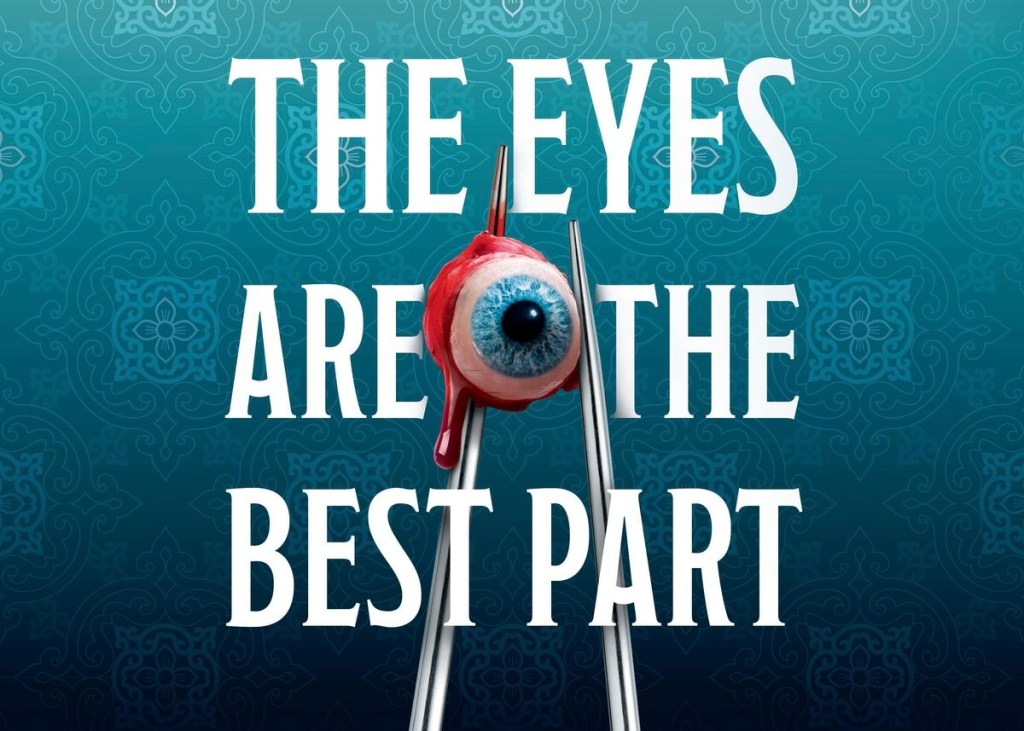

Monika Kim’s debut novel, The Eyes Are the Best Part, isn’t so much a book as it is a flaming middle finger aimed squarely at polite society. And frankly, thank god for that. Set against the sun-drenched chaos of Los Angeles, this feminist psychological horror novel dives into the fractured psyche of Ji-won, a Korean-American college freshman with a penchant for academic failure, family dysfunction, and—oh yeah—eating eyeballs. Yes, eyeballs. Crunchy, squishy, salty orbs that might be the most revolting (and strangely specific) symbol for suppressed rage and cultural tension I’ve ever read. Kim throws you headfirst into a vat of it, stirs the pot, and gleefully watches you gag. But beneath the layers of gore, satire, and WTF moments lies a deeply nuanced exploration of misogyny, racial fetishization, and the raw, unrelenting weight of family expectations.
Ji-won’s life begins to unravel when her father cheats, leaves, and sets up shop with a younger woman, leaving her mother—Umma—devastated. To cope, Umma clings to traditional Korean meals and her latest mistake: George. George is a white man with blue eyes and a fetish for Asian women so blatant it practically comes with a “Made in Douchebagville” stamp. George’s arrival marks a turning point for Ji-won, whose already-precarious grasp on reality starts to splinter. She’s failing college, has an emotional void where her friendships used to be, and now she’s having vivid, grotesque dreams about devouring eyeballs. Specifically, blue ones. Because of course, the only thing worse than a George is his goddamn eyes.
As Ji-won’s hunger for George’s peepers intensifies, she begins to spiral—murderously so. Bodies pile up, truths unravel, and Ji-won finds herself grappling with everything from intergenerational trauma to the suffocating expectations placed on women of color. The ultimate question isn’t just whether Ji-won will eat George’s eyeballs; it’s whether she can escape the systemic shitstorm that turned her into this mess in the first place.

Monika Kim weaponizes feminist horror. Ji-won’s obsession with blue eyes—and specifically George’s—isn’t just gross (though, trust me, it’s disgusting). It’s a scathing critique of the fetishization of Asian women. As Kim explained in a recent interview, “Asian women are often reduced to submissive, exotic objects for white male consumption. Ji-won’s rage is a reclamation.” By devouring George’s eyes, Ji-won isn’t just rebelling against her mother’s bad taste in men; she’s literally dismantling—bite by bloody bite—the white male gaze.
And then there’s the family trauma. Ji-won’s life is a perfect storm of immigrant parent guilt, intergenerational expectations, and the crushing weight of trying to belong in two cultures while failing at both. Kim uses food as a potent metaphor throughout the novel: fish eyes for good luck, banchan for family unity, and blue eyes for, well, cathartic revenge. The result is a story that’s both grotesque and deeply relatable—a testament to how anger, grief, and unmet expectations can fester into something monstrous.
Let’s talk prose. Kim’s writing is like a scalpel: precise, cutting, and unrelentingly effective. Ji-won’s perspective is laced with dark humor and biting observations that make even the most horrifying scenes weirdly entertaining. For example:
“The eyeball is cool from being under the faucet for so long. A salty liquid trickles down my throat. The outside is crunchy cartilage. I jam it into my left cheek and bite down with my molars; jellylike matter explodes within my mouth.”
Excuse me while I never eat anything spherical again. Kim walks a fine line between shock value and substance, and she does it masterfully. Sure, the gore is stomach-churning, but it’s always purposeful, serving to heighten Ji-won’s descent into madness and the story’s overarching themes.
That said, the dialogue occasionally falters. While Ji-won’s inner monologue is vivid and compelling, conversations between characters can feel stilted, as if they’re there to advance the plot rather than reflect organic relationships. It’s a minor flaw, but one that’s noticeable in a novel that otherwise thrives on its authenticity.
Let’s address the elephant in the room (or the tumor in Ji-won’s brain). Toward the end of the novel, we learn that Ji-won has a brain tumor, which might explain her violent cravings and hallucinations. This twist initially feels like a lazy attempt to justify her behavior, but—and this is where Kim’s brilliance shines—the tumor doesn’t diminish Ji-won’s actions. If anything, it underscores the novel’s themes: Ji-won’s rage isn’t the result of a medical condition; it’s the culmination of years of microaggressions, trauma, and unmet needs. The tumor is a symptom, not the cause.
Alright, so some the the major strengths of the novel include:
- Complex Protagonist: Ji-won is a hot mess, and I mean that in the best way. She’s angry, flawed, and sometimes downright unlikable, but she’s also deeply human.
- Bold Themes: From fetishization to intergenerational trauma, Kim tackles heavy topics with unflinching honesty and razor-sharp wit.
- Body Horror: The eye-eating scenes are gross enough to make even seasoned horror fans wince, but they’re never gratuitous. Each squelch serves a purpose.
- Cultural Specificity: Kim’s portrayal of Korean-American life is as nuanced as it is brutal, offering readers a glimpse into a world that’s often misunderstood or misrepresented.
No debut is perfect, and The Eyes Are the Best Part has its flaws:
- Dialogue: As mentioned earlier, some conversations feel clunky and unnatural, which can disrupt the otherwise immersive narrative.
- Rushed Ending: The final act is a bit too tidy for a story this messy (in the best way). I wanted more time to sit with Ji-won’s choices and their consequences.
- Tumor Subplot: While ultimately effective, the tumor reveal risks undermining Ji-won’s agency, even if Kim cleverly sidesteps this trap.
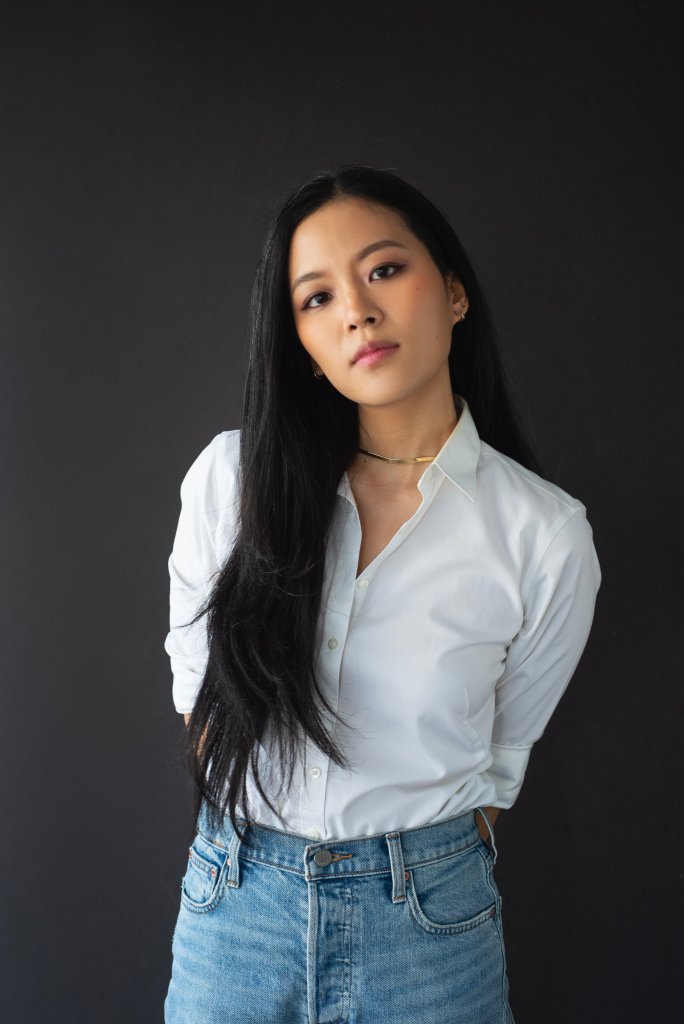
Monika Kim has crafted a story that’s as horrifying as it is poignant, blending body horror with social commentary in a way that’s both revolting and revelatory. Ji-won’s descent into eyeball-munching madness is as much about reclaiming power as it is about losing control, making her one of the most compelling (and disturbing) protagonists I’ve encountered in years.
If you’re a fan of feminist horror, dark humor, or just really, really weird stories, this one’s for you. And if you’re squeamish? Well, maybe stick to something less squelchy. Either way, Monika Kim has arrived, and she’s not pulling any punches.



Erewhon Books
Published June 25, 2024


 The Blog Without a Face
Leave a comment